What to Do When Frost Threatens the Vegetable Garden

The first frost does not necessarily mean the vegetable garden is finished. In many gardens, a light frost is simply a change of season. Some vegetables need protection; others can tolerate frost surprisingly well; and a few—including kale, Brussels sprouts, carrots, and parsnips—can actually become sweeter after exposure to cold.
The important thing is to know which crops must be harvested before frost, which can remain in the garden, and how cold the forecast is likely to get.
A forecast of 32°F does not necessarily mean that every plant in the garden will freeze. Frost can form when the air temperature at the weather station is slightly above freezing, particularly on clear, calm nights when heat radiates away from the soil and plants. A hard freeze—temperatures around 28°F or below for several hours—is much more damaging.
When frost threatens, think in three stages:
Know What to Plant This Week
Every week I answer the gardener's most important question: what should I plant now? Get seasonal planting advice free — or go Pro for my full Soil Temperature Garden Report, with soil temperature, moisture, weather trends, and crop-by-crop recommendations.
- Prepare before sunset.
- Protect or harvest vulnerable crops before the coldest night.
- Inspect the garden the following morning before deciding what to remove.
First, Know What Kind of Cold Is Coming
A light frost generally occurs when temperatures fall to about 30–32°F for a short period. Tender leaves may be damaged, but many established plants survive.
A moderate freeze occurs when temperatures fall into the upper 20s. Tender vegetables can be seriously damaged, and some warm-season crops may be killed.
A hard freeze occurs when temperatures remain around 28°F or below for several hours. Most warm-season vegetables will suffer severe damage or die.
The forecast temperature is only part of the story. Wind, cloud cover, humidity, soil moisture, plant health, and the location of the garden all influence how cold plants actually become.
A low-lying garden, an exposed garden, and a garden beside a warm wall can experience very different temperatures on the same night.
Crops That Can Suffer From Frost
Not every vegetable should be left in the garden to experience the first frost. Some warm-season crops are damaged by even a light freeze, while others can tolerate a little cold but should be harvested before a hard freeze.
When frost is forecast, pay particular attention to these crops.
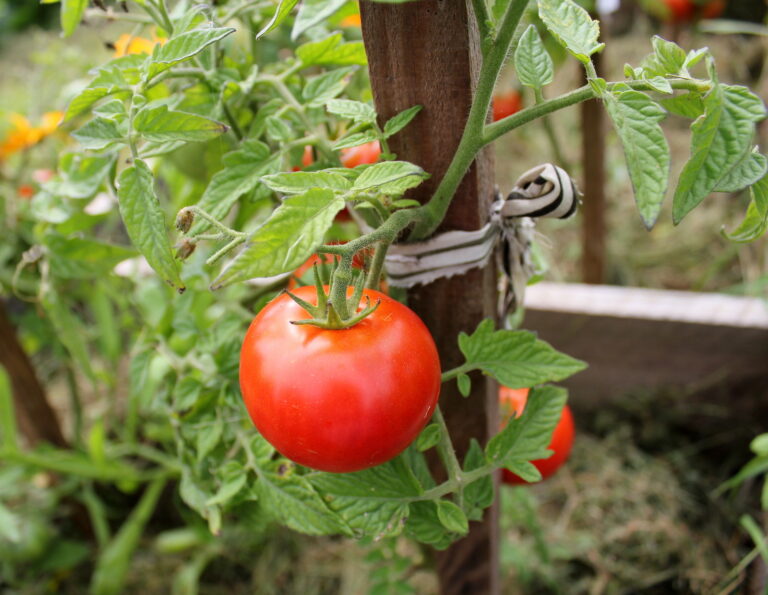
Tomatoes
Harvest ripe and nearly ripe tomatoes before frost.
Tomato vines are extremely frost-sensitive. A light frost can blacken foliage and kill growing tips, while a hard freeze can kill the entire plant.
Pick ripe tomatoes and any mature green tomatoes before a hard freeze. Green tomatoes that have reached full size can often ripen indoors.
If a hard freeze is coming, don’t wait for the vines to tell you that the season is over. Harvest first.
Peppers
Harvest peppers before a hard freeze.
Peppers are among the first warm-season vegetables to suffer from cold. A light frost can damage foliage and fruit, while a hard freeze can kill the plant.
Pick mature peppers before freezing weather arrives. Green peppers can be used immediately, while peppers that have begun changing color may continue to ripen after harvest.
Eggplant
Harvest before a hard freeze.
Eggplant is particularly sensitive to cold. The fruit can become soft, water-soaked, and unusable after freezing temperatures.
If mature eggplants remain on the plant when a hard frost is forecast, harvest them.
Cucumbers
Harvest before frost.
Cucumber vines are highly sensitive to cold. Frost can kill the foliage and damage fruit that remains on the vines.
Pick all usable cucumbers before freezing temperatures arrive.
Summer Squash and Zucchini
Harvest before a hard freeze.
Zucchini, yellow squash, pattypans, and other summer squash are tender crops. A light frost can damage the vines, while a hard freeze can destroy both vines and fruit.
Harvest usable squash before the freeze.
Beans
Harvest before frost.
Bush beans and pole beans are warm-season crops. Frost can quickly damage their foliage and pods.
Pick all usable beans before the temperature drops to freezing.
Basil
Harvest before the first frost.
Basil is one of the most frost-sensitive garden herbs. Even a brief exposure to near-freezing temperatures can blacken the leaves.
Harvest basil generously before the first frost or bring potted plants indoors.
Sweet Potatoes
Harvest sweet potatoes before a hard frost.
Sweet potatoes are a warm-season crop, and their underground roots are more cold-sensitive than many gardeners realize.
A frost will kill the vines, but the bigger concern is what happens to the roots afterward. Sweet potato roots can be damaged by cold soil, particularly when soil temperatures remain below about 50°F. Freezing temperatures can cause severe injury.
If frost is approaching and the sweet potatoes are mature, harvest them rather than leaving them in cold soil through a hard freeze.
After harvest, sweet potatoes should be cured in warm, humid conditions before long-term storage. Freshly harvested sweet potatoes should not be refrigerated.
Okra
Harvest before frost.
Okra is a warm-season crop and is very sensitive to cold. Pick usable pods before freezing temperatures arrive.
Melons
Harvest ripe or nearly ripe melons before a hard freeze.
Melon vines are frost-sensitive. If the fruit is mature or nearly mature and a hard freeze is forecast, harvest it rather than leaving it exposed to freezing temperatures.
Cucamelons and Other Tender Vines
Harvest before frost.
Cucamelons and other tender members of the cucumber family should be treated much like cucumbers. Frost can quickly kill the vines.
Harvest usable fruit before the freeze.
Corn
Harvest mature sweet corn before a hard freeze.
Mature sweet corn can tolerate some cool weather, but freezing temperatures can damage ears and stalks. If the ears are ready to harvest, there is little reason to leave them exposed to a hard freeze.
Winter Squash and Pumpkins
Protect or harvest before a hard freeze.
Winter squash and pumpkins can tolerate considerably more cold than tomatoes or peppers, but they are not immune to freezing.
A light frost does not necessarily mean that pumpkins or winter squash must immediately be harvested. But once temperatures are approaching freezing, inspect the crop carefully. If the fruit is mature—particularly if the stem has begun to dry and harden—harvest it before a hard freeze.
Freezing can damage the flesh and reduce storage life.
Leave several inches of stem attached when harvesting, and handle the fruit carefully to avoid bruising.
Tender Herbs
In addition to basil, protect or harvest other frost-sensitive herbs, including lemongrass, Thai basil, lemon verbena, marjoram, and other tender herbs.
Hardiness varies among herbs, so don’t assume that every perennial herb will respond to frost in the same way.
Crops That Can Tolerate a Light Frost but Need Protection From a Hard Freeze
Some crops fall between the two groups. They can remain outdoors during a light frost but may suffer serious damage during a prolonged freeze.
These include:
- Swiss chard
- lettuce
- spinach
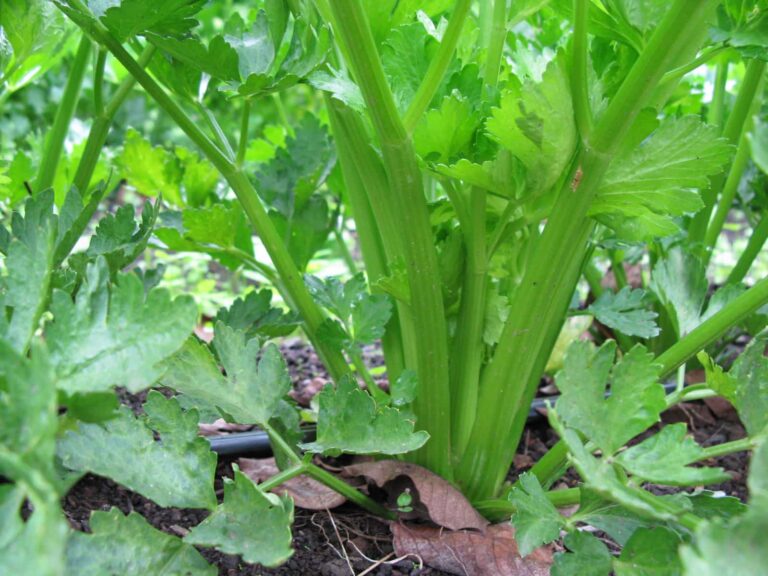
- celery
- parsley
- cilantro
- peas
- radishes
- beets
- turnips
- potatoes
Cover these crops when a hard freeze is expected, particularly if they are young or newly planted.
Potatoes Are a Special Case
Potatoes require some explanation because the tubers are underground.
A light frost may kill potato foliage without immediately damaging the tubers. If the crop is mature, the dying foliage is not necessarily a problem.
If the plants are still actively growing, repeated freezing can interrupt growth and reduce the harvest.
If the tubers are mature, harvest before the ground becomes frozen or excessively wet. Do not leave exposed potato tubers above the soil where they can freeze.
Vegetables That Can Usually Take Frost
The list of frost-tolerant vegetables is much longer than many gardeners realize.
Leafy Greens
Kale is one of the most frost-tolerant garden vegetables. It can withstand repeated frosts and, in many climates, can continue producing well into winter.
Collards, mustard greens, and many varieties of spinach also tolerate frost.
Broccoli
Established broccoli plants can tolerate light frost and some freezing temperatures.
The heads are generally protected by their foliage, although prolonged hard freezes can eventually damage them.
Brussels Sprouts
Brussels sprouts are particularly well suited to cold weather.
A light frost can improve their flavor by encouraging the plant to convert some stored starches into sugars.
Cabbage
Cabbage tolerates frost well, particularly when plants are mature and established.
However, prolonged hard freezing can eventually damage the heads.
Carrots
Carrots can remain in the ground through light frosts and considerably colder weather.
Cold weather can make carrots sweeter.
If the soil remains workable, carrots can often be harvested as needed rather than all at once.
Parsnips
Parsnips are among the best vegetables to leave in the garden after the first frost.
Cold temperatures can improve their flavor by increasing their sugar content. In regions where the soil does not freeze deeply, they can remain in the ground through much of winter.
Beets
Beets tolerate light frost and can remain in the garden during cool weather.
Harvest them before the ground freezes solid.
Turnips and Rutabagas
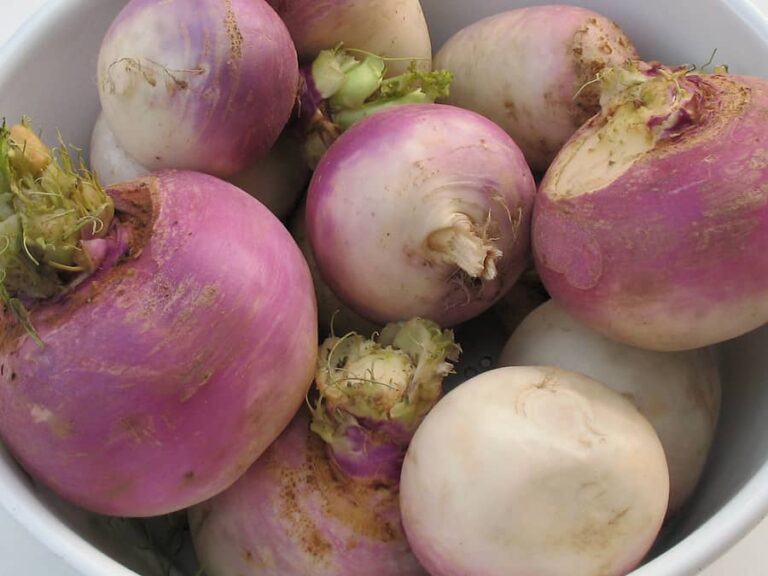
Turnips tolerate frost well, and rutabagas are even more cold-tolerant.
Their flavor can become sweeter after exposure to cold weather.
Radishes
Radishes can tolerate a light frost, although they are not as cold-hardy as kale or carrots.
Harvest mature roots before prolonged hard freezing.
Peas
Peas prefer cool weather and can tolerate light frost.
Young pea plants are considerably more cold-tolerant than many warm-season vegetables.
Lettuce
Lettuce can withstand a light frost, particularly when protected by a row cover.
Hard freezing can damage leaves, but some varieties tolerate considerably more cold than gardeners expect.
Vegetables That Often Improve After Frost
There is an important distinction between surviving frost and benefiting from frost.
Several cool-season vegetables can become sweeter after exposure to cold:
- Kale
- Brussels sprouts
- Carrots
- Parsnips
- Some cabbages
- Turnips
- Rutabagas
The reason is simple: cold conditions encourage plants to accumulate soluble sugars and other compounds that help protect their cells from freezing.
This is why experienced cold-season gardeners don’t necessarily rush to harvest every vegetable before the first frost.
For these crops, the first frost can mark the beginning of the best harvest period rather than the end of it.
What to Do the Day Before Frost
The day before a predicted frost is when the gardener can do the most good.
1. Harvest the Tender Crops
Pick:
- ripe tomatoes;
- nearly ripe tomatoes;
- peppers;
- eggplant;
- cucumbers;
- zucchini and summer squash;
- beans;
- basil;
- okra;
- melons;
- mature sweet potatoes;
- mature winter squash and pumpkins if a hard freeze is expected;
- any other tender crop you do not want to lose.
Do this during the afternoon, while the plants and fruit are dry and temperatures are comfortable.
2. Water Dry Soil
If the soil is dry, water the garden thoroughly before the freeze.
Moist soil holds more heat than dry soil and can release that stored heat during the night.
Do not, however, saturate already-wet soil simply because frost is predicted.
The goal is adequate soil moisture, not soggy soil.
3. Cover Tender Plants
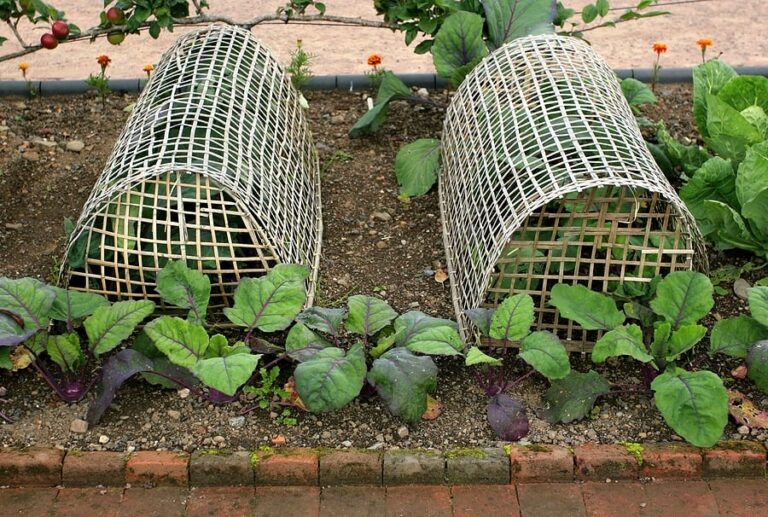
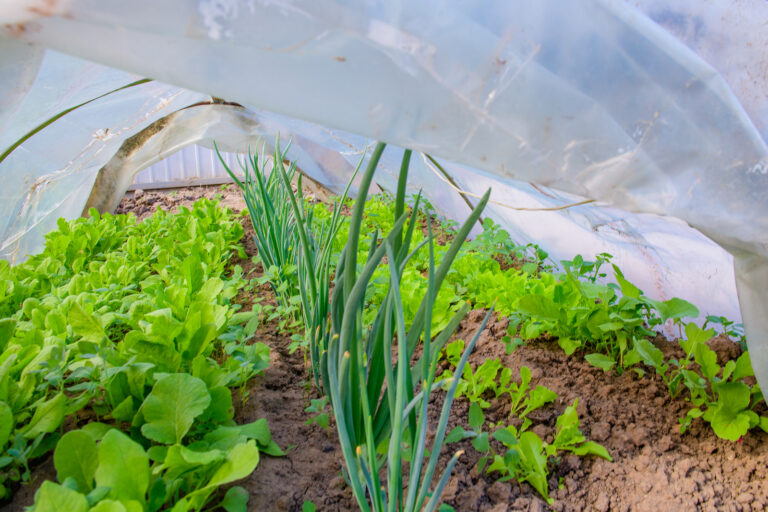
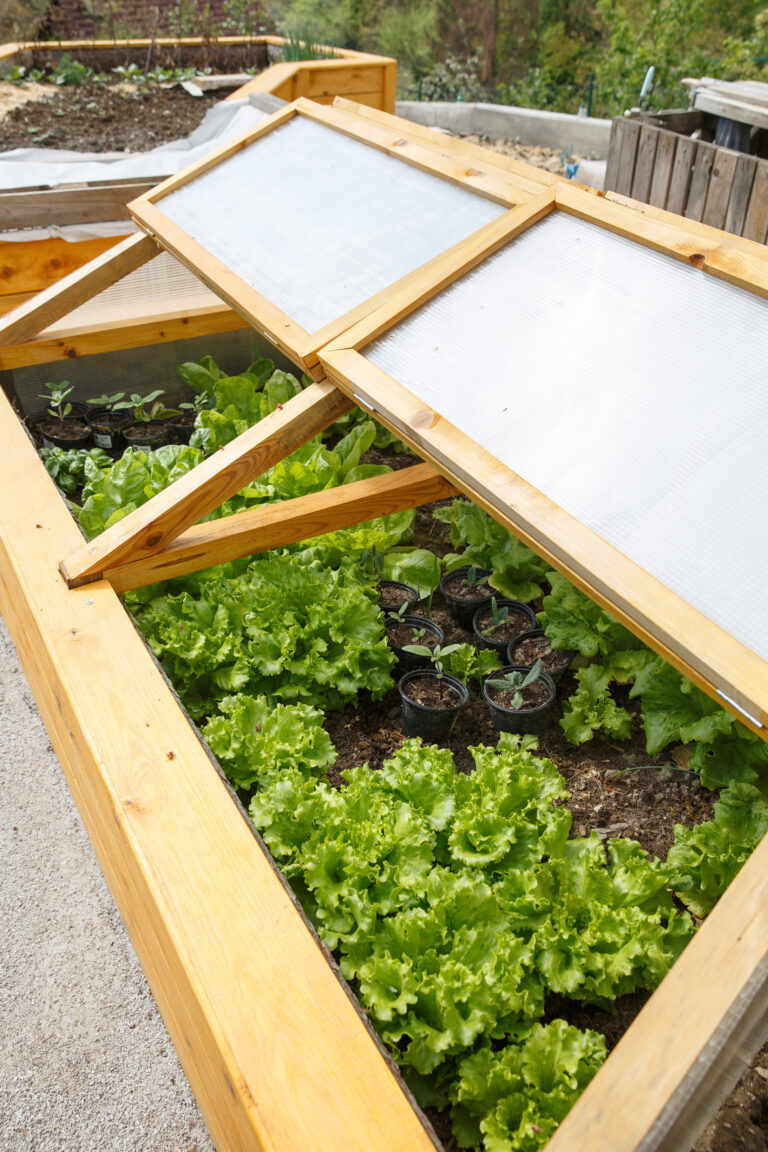
Use frost cloth, row cover, blankets, sheets, or other breathable materials to protect vulnerable plants.
The cover should extend all the way to the ground so that heat radiating from the soil is trapped beneath it.
Whenever possible, support the covering above the foliage rather than allowing heavy material to rest directly on the plants.
Do not use plastic directly on foliage.
Plastic can transfer cold directly to plant tissue and can cause damage where it touches leaves.
If plastic is used, place it over a frame or another layer that keeps it away from the foliage.
4. Bring Containers Indoors
Potted plants are especially vulnerable because their roots are surrounded by a relatively small volume of soil.
Move tender container-grown vegetables and herbs into a garage, greenhouse, shed, or other protected location.
5. Mulch Vulnerable Plants
Mulch around perennial or overwintering plants.
A layer of straw, shredded leaves, compost, or other organic mulch moderates soil temperature and protects roots from rapid temperature changes.
Do not pile wet mulch tightly against plant crowns.
What to Do on the Morning After the Frost
Do not rush outside and begin removing everything that looks damaged.
The appearance of frost damage can be misleading.
Wait for the Plants to Thaw
Frozen plant tissue is fragile.
Walking through frozen beds or handling frozen leaves can cause additional damage.
Let the sun warm the garden and allow the plants to thaw naturally.
Then inspect them.
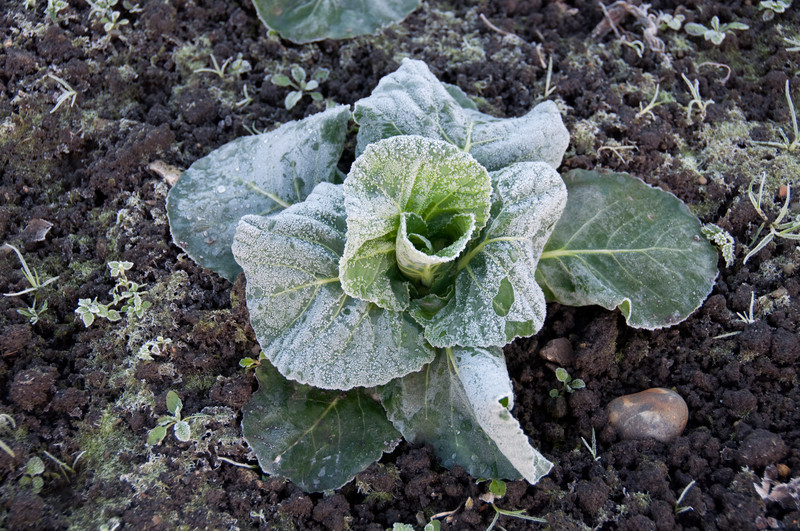
What Frost Damage Looks Like
Frost-damaged leaves may become:
- limp;
- dark green or almost black;
- translucent;
- water-soaked;
- brown or papery after they dry.
Damage may appear worse several hours after the frost.
That does not necessarily mean the entire plant is dead.
Don’t Prune Immediately
If a tomato plant is blackened by frost, it is tempting to pull it out immediately.
Wait.
Dead foliage can actually provide some protection from subsequent cold.
Once you know that the plant is truly finished, remove it and add healthy plant material to the compost pile.
If disease is present, do not put diseased plants into a home compost pile unless your composting system reaches temperatures sufficient to destroy the pathogen.
What to Do After a Light Frost
A light frost may simply mark the transition from summer gardening to cool-season gardening.
Inspect tender crops, but don’t automatically remove them.
Tomatoes, peppers, beans, squash, and basil may show damage, but protected portions of the plants may still be alive.
If the forecast calls for several more mild nights, you may be able to keep producing by covering vulnerable plants each evening.
For cool-season crops, a light frost usually requires little action.
Kale, carrots, broccoli, cabbage, Brussels sprouts, lettuce, spinach, peas, beets, and other cool-season vegetables can generally remain in place.
What to Do After a Hard Frost
A hard freeze is different.
If temperatures have fallen into the 20s for several hours, inspect warm-season crops carefully.
Tomatoes, peppers, eggplant, beans, cucumbers, squash, basil, okra, and melons will usually be severely damaged.
Harvest anything that remains usable and remove plants that have been killed.
Sweet potatoes deserve special attention. If frost has killed the vines, harvest the roots promptly rather than leaving them in cold or freezing soil.
Winter squash and pumpkins should also be checked carefully. If freezing temperatures have reached the fruit, move harvested fruit to a protected location and use or process damaged fruit first because its storage life may be shortened.
But don’t assume the entire garden is finished.
A hard frost may kill summer crops while leaving a thriving winter garden underneath.
This is often the moment to shift your attention toward:
- kale;
- spinach;
- chard;
- lettuce;
- broccoli;
- cabbage;
- Brussels sprouts;
- carrots;
- beets;
- turnips;
- radishes;
- peas;
- onions;
- garlic.
The Most Important Frost Rule
Don’t treat 32°F as a magic number.
The important questions are:
How cold will it get?
How long will it stay that cold?
Which plants are exposed?
A brief dip to 31°F on a calm night may have little effect on an established bed of kale.
A prolonged freeze in the mid-20s can kill an entire planting of tomatoes, peppers, beans, and squash.
Your garden has its own microclimate.
A raised bed against a south-facing wall may remain several degrees warmer than an exposed bed in a low spot.
A Simple Frost-Preparation Checklist
Before the frost
- Check the overnight low.
- Determine whether a light frost or hard freeze is likely.
- Harvest ripe tomatoes.
- Harvest peppers, eggplant, cucumbers, beans, and summer squash.
- Harvest basil and other tender herbs.
- Harvest sweet potatoes if a hard freeze is expected.
- Harvest mature melons.
- Harvest mature winter squash and pumpkins if a hard freeze is expected.
- Water dry soil.
- Cover tender crops.
- Bring tender container plants indoors.
- Mulch vulnerable roots and crowns.
- Secure row covers before sunset.
The morning after a light frost
- Allow frozen plants to thaw before handling them.
- Inspect tender crops.
- Harvest damaged fruit.
- Leave cool-season vegetables in place.
- Leave mildly damaged plants in place if another harvest is possible.
- Remove covers once temperatures rise above freezing unless another cold night is expected.
The morning after a hard frost
- Let plants thaw naturally.
- Harvest anything still usable.
- Check the growing points of perennial and cool-season crops.
- Check sweet potatoes and other cold-sensitive roots.
- Remove dead warm-season crops when appropriate.
- Don’t rush to prune frost-damaged stems.
- Protect surviving cool-season vegetables if another freeze is forecast.
- Begin clearing beds for the winter garden.
Frost Doesn’t Have to End the Garden
The first frost is often treated as a deadline—the day the vegetable garden ends.
It doesn’t have to be.
For the gardener, the first frost is better understood as a change of season.
The tomatoes, peppers, beans, cucumbers, eggplant, squash, okra, melons, and basil may be coming to an end. But kale, carrots, Brussels sprouts, cabbage, broccoli, spinach, lettuce, peas, beets, turnips, parsnips, and other cool-season vegetables are just beginning their best season.
The gardener’s job is not to protect every plant from every cold night.
It is to know which plants need protection, which should be harvested, and which are better left to experience the cold.
A light frost can be a warning.
A hard freeze can be a dividing line.
And for some vegetables, the first touch of frost is when the garden begins to taste better.