Best Vegetables for Winter Gardening: The Hardiest Crops for Fresh Harvests All Season

Winter doesn’t have to mean the end of the vegetable garden.
In fact, many vegetables develop their sweetest flavor and highest quality during cool weather. Frost improves the taste of some leafy greens, while root crops become sweeter as they convert starches into natural sugars to protect themselves from freezing temperatures.
The key to a productive winter garden is choosing crops based on cold hardiness rather than popularity. Some vegetables continue growing through light freezes, while others survive temperatures well below freezing and remain harvestable for months.
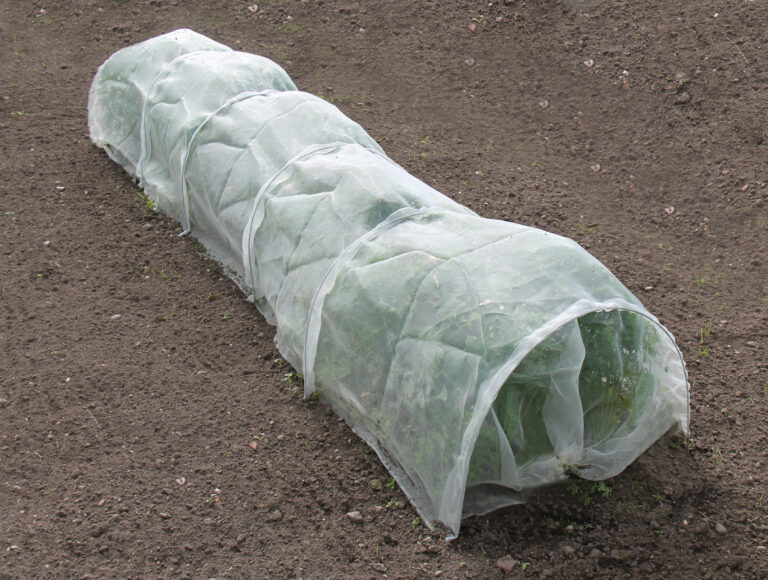
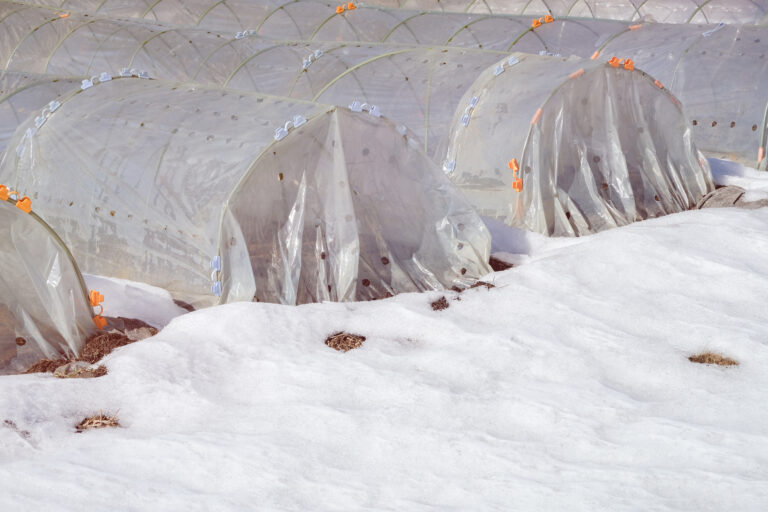
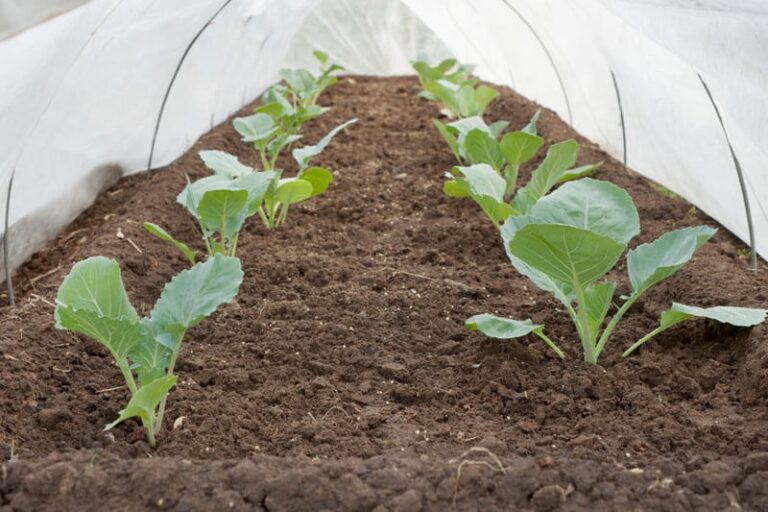
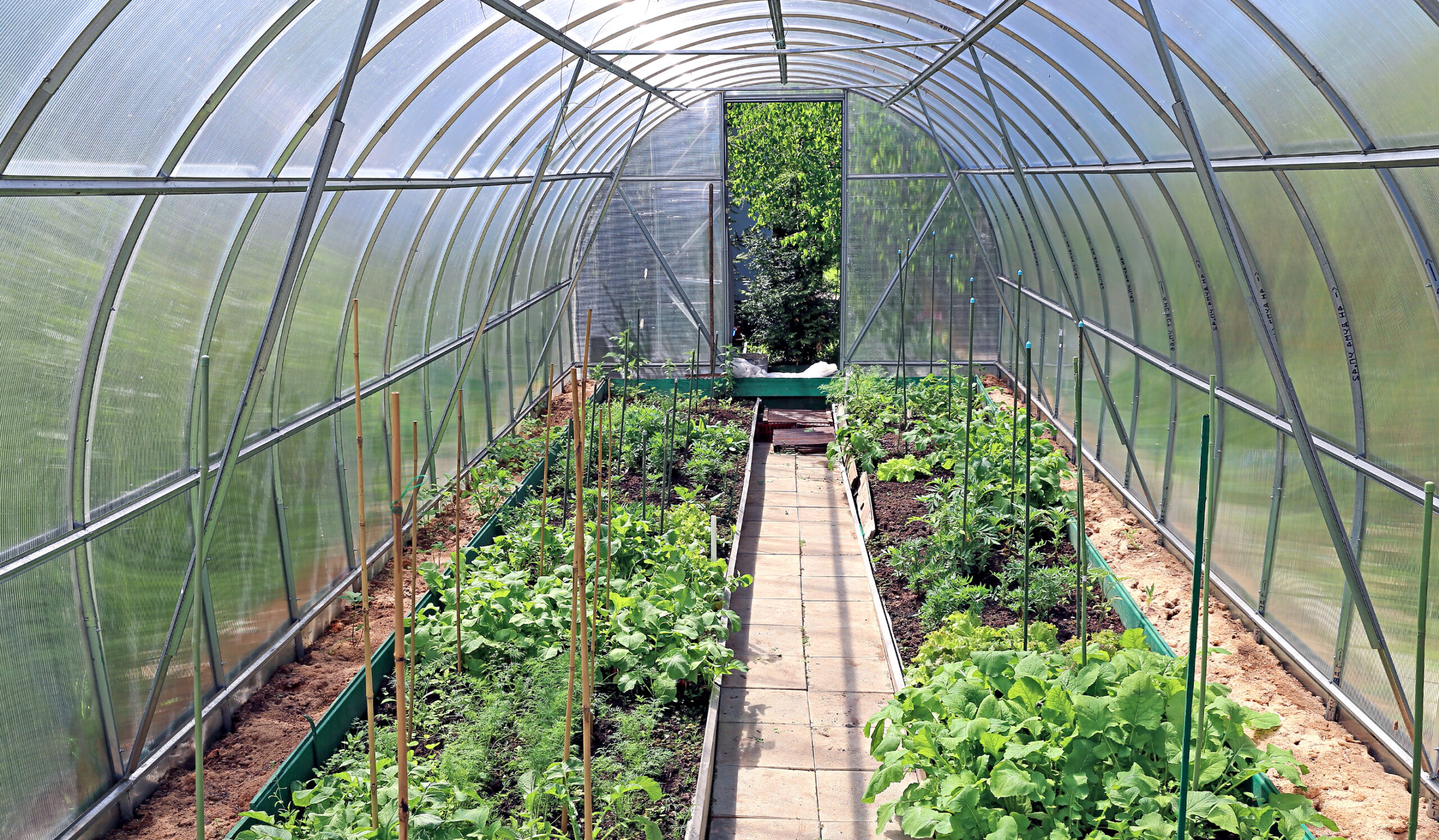
After growing vegetables in cold Midwestern winters and the milder winters of Northern California, I’ve found that the most successful winter gardens rely on crops naturally adapted to cool weather. Combined with healthy soil, timely planting, and simple season-extension methods such as row covers or unheated greenhouses, these vegetables can provide dependable harvests from late autumn until spring.
Know What to Plant This Week
Every week I answer the gardener's most important question: what should I plant now? Get seasonal planting advice free — or go Pro for my full Soil Temperature Garden Report, with soil temperature, moisture, weather trends, and crop-by-crop recommendations.
This guide organizes the best winter vegetables by cold hardiness, making it easier to choose crops for your climate and growing season.
Understanding Winter Hardiness
Not all vegetables tolerate winter weather equally.
Their ability to survive depends on:
- air temperature
- soil temperature
- day length
- snow cover
- wind exposure
- soil drainage
- protection from row covers or tunnels
Many gardeners are surprised to learn that cold kills fewer vegetables than wet soil and repeated freeze-thaw cycles.
Good drainage and healthy soil often matter as much as temperature.
Extremely Hardy Vegetables
These vegetables tolerate prolonged freezing weather and often improve in flavor after frost.
Many survive temperatures below 20°F (-7°C) when established.
Spinach
Spinach is one of the finest winter vegetables.
Its leaves remain tender through cold weather, and light freezes often improve flavor.
Growing tips:
- plant in late summer or early autumn
- harvest outer leaves continuously
- protect during severe freezes with row covers
Days to harvest in autumn:
40–55 days
Expect slower growth once day length drops below 10 hours.
Mâche (Corn Salad)
Mâche is one of the most cold-tolerant salad greens available.
Its small rosettes remain fresh through freezing temperatures and provide tender, nutty-flavored leaves throughout winter.
Days to harvest:
50–70 days
Claytonia (Miner’s Lettuce)
Also called winter purslane, claytonia grows vigorously in cool weather.
It thrives in protected gardens and often self-sows for future harvests.
Days to harvest:
45–60 days
Miner’s Lettuce
Native to western North America, miner’s lettuce naturally grows during cool, moist seasons.
It performs exceptionally well in mild winter climates and under low tunnels.
Days to harvest:
40–60 days
Kale
Few vegetables become sweeter after frost than kale.
Both curly and flat-leaf varieties continue producing through winter.
Harvest outer leaves regularly.
Days to harvest:
50–70 days
Collards
Collards tolerate freezing temperatures remarkably well.
Large blue-green leaves remain productive throughout winter with minimal protection.
Days to harvest:
60–80 days
Tatsoi
Tatsoi forms attractive spoon-shaped rosettes.
It tolerates repeated frosts and quickly resumes growth as temperatures moderate.
Days to harvest:
40–50 days
Mizuna
Mizuna combines excellent cold tolerance with rapid regrowth after harvesting.
Its feathery leaves add mild peppery flavor to salads and stir-fries.
Days to harvest:
40–50 days
Arugula
Arugula grows rapidly during cool weather and develops exceptional flavor during autumn and winter.
Protect with row covers during prolonged freezing weather.
Days to harvest:
30–45 days
Very Hardy Vegetables
These crops tolerate repeated frosts and moderate freezes while remaining productive through much of winter.
Carrots
Cold temperatures convert stored starches into sugars, making winter carrots especially sweet.
Leave roots in the ground and harvest as needed.
Days to harvest:
60–80 days
Late autumn plantings may require 80 to 100 days before reaching full size.
Beets
Beets tolerate moderate freezing while providing both edible roots and greens.
Mulch heavily in colder climates.
Days to harvest:
55–70 days
Turnips
Turnips mature quickly and improve in flavor after frost.
Harvest both roots and greens.
Days to harvest:
45–60 days
Rutabagas
Rutabagas require a longer growing season but store well in the garden.
Their flavor improves after repeated frosts.
Days to harvest:
80–100 days
Leeks
Leeks are among the easiest winter vegetables to grow.
They withstand freezing temperatures and remain harvestable throughout winter.
Days to harvest:
90–120 days
Scallions
Scallions continue producing through cool weather and recover quickly after light freezes.
Days to harvest:
60–80 days
Parsley
Parsley survives surprising amounts of cold.
Row covers often keep plants productive throughout much of winter.
Days to harvest:
70–90 days
Moderately Hardy Vegetables
These vegetables tolerate light frosts but benefit from additional protection during prolonged freezes.
Lettuce
Winter lettuce develops excellent flavor and crisp texture.
Floating row covers or low tunnels greatly improve winter production.
Days to harvest:
45–65 days
Growth slows considerably during the shortest days.
Swiss Chard
Swiss chard often survives light freezes and resumes vigorous growth during late winter.
Harvest outer leaves frequently.
Days to harvest:
50–60 days
Cilantro
Cool weather greatly improves cilantro.
Plants remain productive much longer than during warm weather.
Days to harvest:
40–60 days
Asian Greens
Many Asian greens—including bok choy, komatsuna, mustard greens, and yu choy—perform well in cool weather.
Provide light frost protection during severe freezes.
Days to harvest:
35–60 days
Comparing Winter Vegetable Hardiness
| Hardiness | Vegetables | Protection Needed |
|---|---|---|
| Extremely Hardy | Spinach, mâche, claytonia, miner’s lettuce, kale, collards, tatsoi, mizuna, arugula | Usually none in mild climates; row covers during severe freezes |
| Very Hardy | Carrots, beets, turnips, rutabagas, leeks, scallions, parsley | Mulch or row covers during prolonged cold |
| Moderately Hardy | Lettuce, Swiss chard, cilantro, Asian greens | Best grown beneath row covers, tunnels, or in greenhouses |
Winter Days to Harvest
One of the biggest surprises for beginning winter gardeners is how slowly vegetables mature as daylight decreases.
Seed packets usually list harvest times based on spring or summer growing conditions.
During autumn and winter:
- cooler soil slows root growth
- shorter days reduce photosynthesis
- lower light intensity delays maturity
As a general guideline:
- Add 1 to 2 weeks for crops planted in early autumn.
- Add 2 to 4 weeks for crops planted in mid-autumn.
- Once day length falls below about 10 hours, many vegetables enter a holding period, producing little new growth until daylight increases again.
This is why experienced winter gardeners plant early enough for crops to reach nearly full size before the shortest days of the year.
Which Crops Need the Least Protection?
If you’re new to winter gardening, begin with the easiest vegetables.
Excellent beginner crops include:
- spinach
- kale
- carrots
- lettuce
- tatsoi
- mizuna
- leeks
- scallions
These vegetables are forgiving, productive, and respond well to simple protection such as floating row covers or low tunnels.
Common Mistakes to Avoid
Avoid these common winter gardening mistakes:
- planting too late in autumn
- choosing warm-season vegetables
- overwatering during slow winter growth
- ignoring soil drainage
- relying only on air temperature
- forgetting that day length affects growth
- harvesting entire plants instead of outer leaves
Healthy soil, timely planting, and appropriate crop selection produce better winter harvests than elaborate equipment.
Frequently Asked Questions
Which vegetable is the most cold-hardy?
Spinach, mâche, claytonia, kale, and tatsoi rank among the most cold-tolerant vegetables for home gardens.
Can carrots stay in the ground all winter?
Yes. In many climates, carrots become sweeter after frost and can remain in the soil until needed, especially when protected with mulch or row covers.
Will lettuce survive freezing weather?
Many lettuce varieties tolerate light freezes, but extended periods below freezing usually require protection with row covers, low tunnels, or an unheated greenhouse.
Should I fertilize winter vegetables?
Most winter vegetables require little fertilizer after planting. Compost incorporated before planting usually supplies sufficient nutrients through much of the season.
Final Thoughts
A successful winter vegetable garden begins with choosing crops that naturally thrive in cool weather. By matching vegetables to their level of cold hardiness, planting early enough for them to mature before the shortest days of the year, and providing simple protection when needed, you can enjoy fresh harvests throughout the winter months.
The most productive winter gardens don’t fight the season—they embrace it. Hardy greens, sweetened root crops, and resilient alliums are adapted to cold weather and often reach their finest flavor when summer crops have long disappeared. With healthy soil, careful planning, and an understanding of winter’s slower pace, your garden can continue producing fresh food long after the first frost.
Winter Vegetable Gardening Learning Center
Winter Gardening Fundamentals
- Winter Gardening Basics: Understanding the 10-Hour Daylight Rule
- Winter Harvest Calendar: What to Plant and When
- Month-by-Month Winter Garden Care Guide (October Through February)
Garden Design & Season Extension
- How to Build a Winter Vegetable Garden with Raised Beds
- Growing Vegetables Under Plastic Tunnels and Row Covers
- Winter Greenhouse Gardening: What You Need for an Unheated Greenhouse
Crop Selection
Garden Care
- Winter Vegetable Garden Care: Watering, Feeding, Ventilation, and Moisture Management
- Winter Vegetable Problems and How to Prevent Them
Planning & Timing
Winter Garden & Season Extension Learning Hub
Foundation and Planning
- Winter Garden Prep Tips: How to Prepare Your Garden
- Winter Garden Care Tips
- Winter Garden Layout & Bed Design
- Building Soil Health for Winter
- Soil Amendments for Winter Gardening
- Watering Vegetables in Mild Winter Climates (Zones 8-10): How to Keep Beds Productive Without Waterlogging
- Mulching for Winter Gardens
- Using Thermal Mass in Winter Gardening
- Ventilation Techniques for Tunnels and Cold Frames
- Frost Protection Strategies in the Garden
Vegetable Garden Planning and Planting
- Vegetables You Can Grow in Winter: What to Plant, When to Harvest, and How to Protect Your Crops
- When to Plant Spinach for Spring, Fall, and Winter
- When to Plant Rutabaga for Fall and Winter Harvest
- Winter Tunnel Planting Calendar: What to Grow and When for Winter Harvests (Zones 5–8)
- How to Grow Winter Vegetables Under Low Tunnels or Cold Frames (Zones 5–8)
- How to Build a Winter Tunnel and Grow Vegetables All Winter Long
- When to Use Low Tunnels, Cold Frames, and Caterpillar Tunnels in the Vegetable Garden
- Vegetable Garden Cold Frames
- How to Make a Cold Frame
- Cold Frame Buyer’s Guide
- Hoop Tunnel Buyer’s Guide
- Row Cover Buyer’s Guide
- Cloche and Hot Cap Buyer’s Guide
- Plastic Tunnels for Growing Vegetables
- Row Covers Plant Protection
- Cloche to Protect Plants
- Cloches and Hot Caps
Crop Management
- Succession Planting in Winter
- Companion Planting for Winter Crops
- Overwintering Perennials and Herbs
- Harvesting Tips for Winter Vegetables
- Watering and Irrigation in Winter
- Cool-Season Vegetable Varieties
- How to Grow a Fall Vegetable Garden
- Vegetables for Fall Harvest
Pest, Disease, and Stress Management
- Winter Garden Pest Management
- Disease Prevention in Low Light Winter Gardens
- Signs of Plant Stress in Winter
Season Extension and Reference
- Vegetable Garden Season Extension
- First and Last Frost Date and Vegetable Garden Growing Season
- Extending the Season: How To Get More Growing Time
- First and Last Frost Dates and the Garden Growing Season
- USDA Plant Hardiness Zone Map
- Vegetable Garden Plant Hardiness
Overwintering the Fruit Garden
- Preparing Fruit Trees for Winter: Mulching, Pruning, and Protection
- Protecting Young and Newly Planted Fruit Trees During Their First Winter
- Overwintering Brambles: Raspberries, Blackberries, and Loganberries
- How to Identify Summer-Bearing, Ever-Bearing, and Primocane Brambles
- Using Frost Cloths, Row Covers, and Shelters to Protect Fruit Plants
- Winter Care for Strawberry Beds: Mulching, Watering, and Renovation
- Overwintering Blueberries, Cranberries, and Other Small Fruits
- Protecting Citrus Trees in Cold and Mild Zones
- Emergency Freeze Care for Citrus Trees
- Winter Watering and Soil Care for Fruit Trees and Shrubs
- Preventing Winter Damage: Dealing With Snow, Ice, and Rodents in Fruit Gardens
- Saving Fruit Tree Buds and Flowers for Spring: Pruning and Winter Observation
Overwintering the Flower Garden
- How to Protect Perennials Through Winter: Mulching, Cutting Back, and Care
- Overwintering Tender Perennials: Lifting, Storing, and Restarting in Spring
- How to Prepare Flower Beds for Freezing Weather
- Overwintering Annuals: Which Flowers Survive and How to Help Them
- How to Use Frost Cloths, Row Covers, and Cloches to Protect Flower Beds
- Winter Care for Bulbs: Tulips, Daffodils, Hyacinths, and More
- How to Overwinter Dahlias, Cannas, and Gladiolus (Corms, Tubers, and Rhizomes)
- Pruning and Cleaning Up the Flower Garden Before Winter
- How to Save Seeds From Flowers Before Winter Arrives
- How and When to Divide Perennials in Fall for Spring Renewal
Overwintering Shrubs & Trees
- How to Prepare Shrubs and Trees for Winter: A Complete Guide
- How to Protect Young Trees From Frost, Freeze, and Sunscald
- Winter Watering Guide for Shrubs and Trees
- How to Mulch Shrubs and Trees for Winter Protection
- How to Use Tree Wraps, Guards, and Shields for Cold Protection
- Pruning Shrubs and Trees Before Winter: What to Cut and What to Leave
- How to Overwinter Container-Grown Shrubs and Trees
- Protecting Evergreen Shrubs From Winter Burn
- How to Help Newly Planted Shrubs and Trees Survive Their First Winter
- How to Manage Snow and Ice on Shrubs and Trees Without Causing Damage
How to Use This Hub
This hub is designed to be your step-by-step guide to successful winter gardening and season extension. Start with the foundational topics—bed prep, soil building, mulching, and layout—to set your garden up for success before cold weather arrives. Then explore the crop guides, protection strategies, and month-by-month calendars to plan what to plant, when to plant it, and how to keep it thriving through frost, rain, and short days. Each section links to deeper posts so you can follow your curiosity or quickly find the information you need. Whether you’re prepping a fall garden, managing crops through winter, or looking ahead to early spring harvests, use this hub as a practical reference you can return to all season long.
My Experience: Why This Hub Exists
This hub grows out of a lifetime of year-round gardening—first in the mild but unpredictable winters of Sonoma Valley, and earlier in the deep-freeze winters of Iowa’s Zone 5. I’ve spent more than 30 years testing methods that keep vegetables growing through cold nights, short days, and wet soil. Over time, I’ve refined techniques that work in raised beds, mounded beds, and containers, always guided by the NEW method—Narrow bed, Equidistant planting, Wide rows—and by a commitment to simple, regenerative practices. This hub exists to share what I wish I’d known when I started: that with the right planning and protection, a winter garden can be incredibly productive, resilient, and enjoyable. My goal is to help you avoid guesswork, build confidence, and grow food through every season.