Winter Greenhouse Gardening: What You Need for an Unheated Greenhouse

An unheated greenhouse is one of the most productive tools a vegetable gardener can own.
Contrary to what many beginners believe, you don’t need a furnace or expensive climate-control equipment to harvest fresh vegetables through winter. A well-designed greenhouse captures the sun’s energy during the day, protects crops from wind and frost, and creates a growing environment that is often 10°F to 30°F warmer than outside on sunny days.
I’ve gardened through cold Midwestern winters and the cool, rainy winters of Northern California, and I’ve learned that an unheated greenhouse succeeds not because it creates summer in winter—but because it moderates winter’s extremes. Combined with healthy soil, timely planting, and cool-season vegetables, it becomes a dependable source of fresh food throughout the cold months.
The secret isn’t adding more heat.
Know What to Plant This Week
Every week I answer the gardener's most important question: what should I plant now? Get seasonal planting advice free — or go Pro for my full Soil Temperature Garden Report, with soil temperature, moisture, weather trends, and crop-by-crop recommendations.
It’s managing the heat you already have.
How an Unheated Greenhouse Works
An unheated greenhouse relies entirely on solar energy.
Sunlight passes through the glazing and warms the soil, plants, and interior surfaces. Those surfaces slowly release heat as outdoor temperatures fall.
The greenhouse provides protection from:
- frost
- freezing winds
- heavy rain
- hail
- sudden temperature swings
It also creates a calmer growing environment where vegetables lose less moisture and experience less weather stress.
Keep one important fact in mind:
A greenhouse raises temperature—but it does not increase daylight.
When day length falls below about 10 hours, plant growth naturally slows, even inside the greenhouse. Winter gardening is about growing crops before the darkest weeks arrive and protecting them until harvest.
Choose the Right Greenhouse Orientation
Location determines how much winter sunlight reaches your crops.
In the Northern Hemisphere, place the greenhouse where it receives full sun from morning until late afternoon.
Avoid shade from:
- evergreen trees
- buildings
- fences
- hillsides
For most home gardens, orienting the greenhouse with its long side facing south captures the greatest amount of winter sunlight.
A greenhouse that receives six hours of direct winter sun will usually outperform a larger greenhouse placed in partial shade.
Ventilation Is Essential
One of the biggest surprises for new greenhouse gardeners is how quickly temperatures rise.
Even when outdoor temperatures remain near freezing, sunshine can raise greenhouse temperatures above 80°F.
Without ventilation, excessive heat and humidity may cause:
- wilted plants
- fungal diseases
- weak growth
- premature bolting
- poor air circulation
Open doors, roof vents, or side vents whenever sunny weather causes temperatures to climb above about 60°F to 70°F, depending on the crops you’re growing.
Close the greenhouse again before late afternoon to trap warmth for the night ahead.
Raised Beds Make Winter Gardening Easier
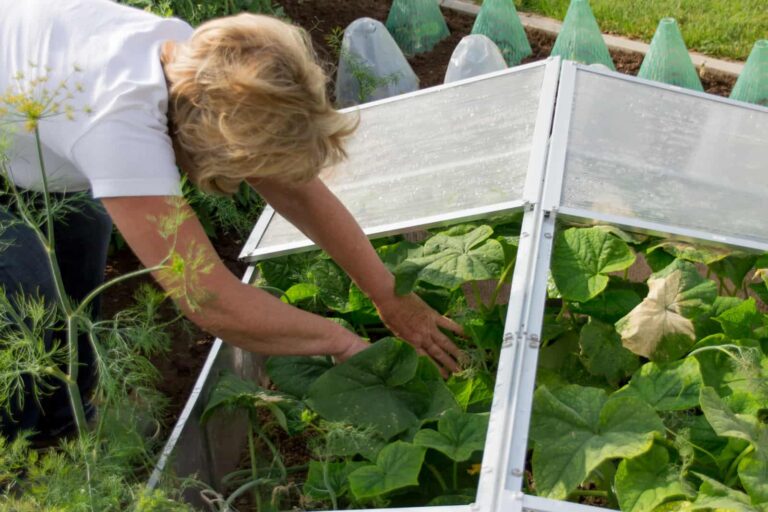
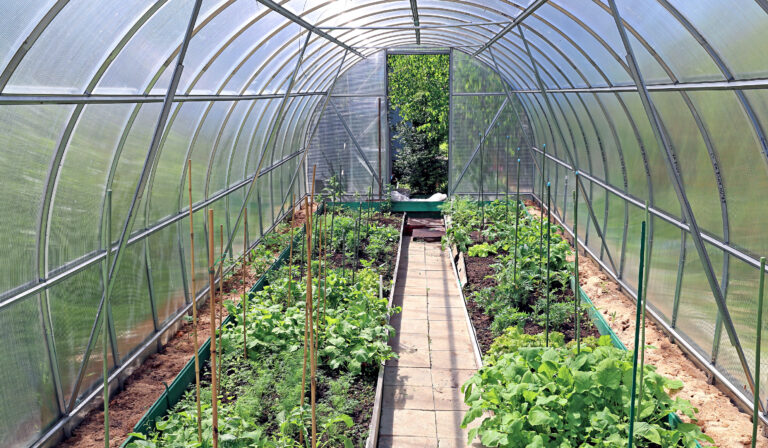
Whenever possible, grow vegetables in raised beds rather than directly on the greenhouse floor.
Raised beds:
- warm more quickly
- drain better
- improve soil structure
- reduce compaction
- make planting and harvesting easier
Beds that are 3 to 4 feet wide allow you to reach the center without stepping on the soil.
Adding 2 to 3 inches of finished compost before each winter season keeps soil fertile and biologically active.
Growing in Containers
Containers work well inside greenhouses when permanent beds aren’t available.
Use large containers whenever possible.
Larger pots:
- dry out more slowly
- experience fewer temperature swings
- provide better root insulation
Good container crops include:
- lettuce
- spinach
- herbs
- scallions
- Asian greens
Monitor moisture carefully because greenhouse containers often dry more quickly than outdoor pots.
Use Thermal Mass to Store Heat
Thermal mass absorbs heat during the day and slowly releases it after sunset.
It helps reduce nighttime temperature swings.
Excellent sources of thermal mass include:
- water barrels
- masonry walls
- stone walkways
- concrete floors
- large rocks
Although thermal mass won’t prevent freezing during prolonged cold spells, it can provide several degrees of additional protection during normal winter nights.
Water Barrels: Simple Heat Storage
One of the easiest ways to add thermal mass is by placing dark-colored water barrels inside the greenhouse.
Water absorbs large amounts of solar energy during sunny days.
At night, that stored heat radiates back into the greenhouse, helping moderate temperature fluctuations.
Place barrels where they receive direct winter sunlight without shading vegetable beds.
Besides storing heat, they also provide a convenient source of irrigation water.
Install Automatic Roof Vents
Automatic vent openers are among the best investments for an unheated greenhouse.
These devices use temperature-sensitive cylinders that expand as the greenhouse warms.
No electricity is required.
As temperatures rise:
- vents open automatically
- fresh air enters
- overheating is reduced
When temperatures cool:
- vents gradually close
Automatic vents prevent accidental overheating on sunny winter days when you’re away from home.
Shade Cloth Isn’t Just for Summer
Many gardeners think shade cloth belongs only in hot weather.
In fact, removable shade cloth can be useful during late winter and early spring when sunlight becomes much stronger.
Shade cloth helps:
- prevent overheating
- reduce plant stress
- minimize leaf scorch
- improve growing conditions for lettuce and other leafy greens
Install it only when needed and remove it once temperatures moderate.
Fans Improve Plant Health
Air circulation is just as important as temperature.
Small circulation fans help:
- reduce humidity
- prevent fungal diseases
- strengthen stems
- improve temperature uniformity
- reduce condensation on leaves
Even a small fan running several hours each day can noticeably improve plant health.
Aim for gentle air movement rather than strong wind.
Keep a Greenhouse Thermometer
Every greenhouse should have an accurate air thermometer.
Without one, you’re simply guessing.
Position the thermometer near plant height rather than near the roof, where temperatures may be much warmer.
Daily temperature records help you recognize seasonal patterns and make better ventilation decisions.
Monitor Soil Temperature
Air temperature tells only part of the story.
Roots respond to soil temperature, not air temperature.
A simple soil thermometer allows you to:
- determine planting time
- monitor root-zone conditions
- track seasonal warming
- evaluate tunnel performance
Cool-season vegetables generally perform best when soil temperatures remain between 40°F and 65°F, depending on the crop.
Healthy soil temperatures often matter more than warm daytime air.
Use a Maximum/Minimum Thermometer
One of the most useful greenhouse tools is a maximum/minimum thermometer.
Unlike a standard thermometer, it records:
- the warmest temperature reached during the day
- the coldest temperature reached overnight
This information helps answer important questions:
- Did the greenhouse freeze last night?
- How hot did it become yesterday afternoon?
- Is additional ventilation needed?
- Would extra protection have helped?
Keeping a simple temperature log quickly teaches you how your greenhouse behaves throughout the seasons.
Should You Add Supplemental Heat?
Most winter vegetables do not require heated greenhouses.
Cool-season crops such as:
- spinach
- lettuce
- kale
- carrots
- beets
- leeks
- mâche
- tatsoi
grow well in an unheated greenhouse across many climates when planted at the proper time.
Supplemental heat becomes worthwhile when:
- growing warm-season crops through winter
- starting transplants very early
- protecting valuable plants during severe freezes
- temperatures regularly fall well below your crops’ cold tolerance
For many home gardeners, a small electric heater or heat cables used only during extreme cold provide all the additional protection needed.
Essential Equipment Checklist
A productive winter greenhouse doesn’t require expensive technology.
Start with these essentials:
Structure
- sturdy greenhouse
- raised beds or large containers
Climate Management
- roof or side vents
- automatic vent opener
- circulation fan
- removable shade cloth
Heat Storage
- water barrels
- stone or concrete thermal mass
Monitoring Tools
- air thermometer
- soil thermometer
- maximum/minimum thermometer
Together, these simple tools create a greenhouse that’s easier to manage and far more productive throughout winter.
Common Mistakes to Avoid
Avoid these common greenhouse problems:
- placing the greenhouse in winter shade
- forgetting to ventilate on sunny days
- overwatering during slow winter growth
- neglecting soil drainage
- failing to monitor temperatures
- relying on air temperature instead of soil temperature
- overheating leafy vegetables
- assuming a greenhouse creates additional daylight
Successful greenhouse gardening depends more on observation than expensive equipment.
Frequently Asked Questions
Can vegetables survive winter in an unheated greenhouse?
Yes. Many cool-season vegetables grow and survive well in an unheated greenhouse, especially when planted before day length falls below 10 hours.
Does a greenhouse prevent freezing?
Not always. During prolonged cold spells, temperatures inside an unheated greenhouse may eventually approach outside temperatures. Additional protection, such as row covers placed over crops inside the greenhouse, can provide several extra degrees of frost protection.
Do I need electricity?
No. Many successful winter greenhouses operate without electricity, using solar heating, thermal mass, natural ventilation, and automatic vent openers.
Is a greenhouse warmer than a low tunnel?
Generally, yes. A greenhouse traps more heat because of its larger enclosed space, although both systems benefit from good ventilation and proper management.
Final Thoughts
An unheated greenhouse allows gardeners to harvest fresh vegetables throughout much of the winter without the expense of permanent heating systems. Success depends on thoughtful design rather than complicated technology: orient the greenhouse for maximum winter sunlight, improve soil with raised beds and compost, store daytime warmth using thermal mass such as water barrels, ventilate regularly, and monitor both air and soil temperatures.
Remember that the greenhouse’s greatest advantage is not that it creates summer in winter—it creates a more stable environment where vegetables can thrive despite cold weather. Combined with proper planting schedules and the natural rhythm of shorter winter days, an unheated greenhouse becomes one of the most rewarding investments a vegetable gardener can make.
Winter Vegetable Gardening Learning Center
Winter Gardening Fundamentals
- Winter Gardening Basics: Understanding the 10-Hour Daylight Rule
- Winter Harvest Calendar: What to Plant and When
- Month-by-Month Winter Garden Care Guide (October Through February)
Garden Design & Season Extension
- How to Build a Winter Vegetable Garden with Raised Beds
- Growing Vegetables Under Plastic Tunnels and Row Covers
- Winter Greenhouse Gardening: What You Need for an Unheated Greenhouse
Crop Selection
Garden Care
- Winter Vegetable Garden Care: Watering, Feeding, Ventilation, and Moisture Management
- Winter Vegetable Problems and How to Prevent Them
Planning & Timing
Winter Garden & Season Extension Learning Hub
Foundation and Planning
- Winter Garden Prep Tips: How to Prepare Your Garden
- Winter Garden Care Tips
- Winter Garden Layout & Bed Design
- Building Soil Health for Winter
- Soil Amendments for Winter Gardening
- Watering Vegetables in Mild Winter Climates (Zones 8-10): How to Keep Beds Productive Without Waterlogging
- Mulching for Winter Gardens
- Using Thermal Mass in Winter Gardening
- Ventilation Techniques for Tunnels and Cold Frames
- Frost Protection Strategies in the Garden
Vegetable Garden Planning and Planting
- Vegetables You Can Grow in Winter: What to Plant, When to Harvest, and How to Protect Your Crops
- When to Plant Spinach for Spring, Fall, and Winter
- When to Plant Rutabaga for Fall and Winter Harvest
- Winter Tunnel Planting Calendar: What to Grow and When for Winter Harvests (Zones 5–8)
- How to Grow Winter Vegetables Under Low Tunnels or Cold Frames (Zones 5–8)
- How to Build a Winter Tunnel and Grow Vegetables All Winter Long
- When to Use Low Tunnels, Cold Frames, and Caterpillar Tunnels in the Vegetable Garden
- Vegetable Garden Cold Frames
- How to Make a Cold Frame
- Cold Frame Buyer’s Guide
- Hoop Tunnel Buyer’s Guide
- Row Cover Buyer’s Guide
- Cloche and Hot Cap Buyer’s Guide
- Plastic Tunnels for Growing Vegetables
- Row Covers Plant Protection
- Cloche to Protect Plants
- Cloches and Hot Caps
Crop Management
- Succession Planting in Winter
- Companion Planting for Winter Crops
- Overwintering Perennials and Herbs
- Harvesting Tips for Winter Vegetables
- Watering and Irrigation in Winter
- Cool-Season Vegetable Varieties
- How to Grow a Fall Vegetable Garden
- Vegetables for Fall Harvest
Pest, Disease, and Stress Management
- Winter Garden Pest Management
- Disease Prevention in Low Light Winter Gardens
- Signs of Plant Stress in Winter
Season Extension and Reference
- Vegetable Garden Season Extension
- First and Last Frost Date and Vegetable Garden Growing Season
- Extending the Season: How To Get More Growing Time
- First and Last Frost Dates and the Garden Growing Season
- USDA Plant Hardiness Zone Map
- Vegetable Garden Plant Hardiness
Overwintering the Fruit Garden
- Preparing Fruit Trees for Winter: Mulching, Pruning, and Protection
- Protecting Young and Newly Planted Fruit Trees During Their First Winter
- Overwintering Brambles: Raspberries, Blackberries, and Loganberries
- How to Identify Summer-Bearing, Ever-Bearing, and Primocane Brambles
- Using Frost Cloths, Row Covers, and Shelters to Protect Fruit Plants
- Winter Care for Strawberry Beds: Mulching, Watering, and Renovation
- Overwintering Blueberries, Cranberries, and Other Small Fruits
- Protecting Citrus Trees in Cold and Mild Zones
- Emergency Freeze Care for Citrus Trees
- Winter Watering and Soil Care for Fruit Trees and Shrubs
- Preventing Winter Damage: Dealing With Snow, Ice, and Rodents in Fruit Gardens
- Saving Fruit Tree Buds and Flowers for Spring: Pruning and Winter Observation
Overwintering the Flower Garden
- How to Protect Perennials Through Winter: Mulching, Cutting Back, and Care
- Overwintering Tender Perennials: Lifting, Storing, and Restarting in Spring
- How to Prepare Flower Beds for Freezing Weather
- Overwintering Annuals: Which Flowers Survive and How to Help Them
- How to Use Frost Cloths, Row Covers, and Cloches to Protect Flower Beds
- Winter Care for Bulbs: Tulips, Daffodils, Hyacinths, and More
- How to Overwinter Dahlias, Cannas, and Gladiolus (Corms, Tubers, and Rhizomes)
- Pruning and Cleaning Up the Flower Garden Before Winter
- How to Save Seeds From Flowers Before Winter Arrives
- How and When to Divide Perennials in Fall for Spring Renewal
Overwintering Shrubs & Trees
- How to Prepare Shrubs and Trees for Winter: A Complete Guide
- How to Protect Young Trees From Frost, Freeze, and Sunscald
- Winter Watering Guide for Shrubs and Trees
- How to Mulch Shrubs and Trees for Winter Protection
- How to Use Tree Wraps, Guards, and Shields for Cold Protection
- Pruning Shrubs and Trees Before Winter: What to Cut and What to Leave
- How to Overwinter Container-Grown Shrubs and Trees
- Protecting Evergreen Shrubs From Winter Burn
- How to Help Newly Planted Shrubs and Trees Survive Their First Winter
- How to Manage Snow and Ice on Shrubs and Trees Without Causing Damage
How to Use This Hub
This hub is designed to be your step-by-step guide to successful winter gardening and season extension. Start with the foundational topics—bed prep, soil building, mulching, and layout—to set your garden up for success before cold weather arrives. Then explore the crop guides, protection strategies, and month-by-month calendars to plan what to plant, when to plant it, and how to keep it thriving through frost, rain, and short days. Each section links to deeper posts so you can follow your curiosity or quickly find the information you need. Whether you’re prepping a fall garden, managing crops through winter, or looking ahead to early spring harvests, use this hub as a practical reference you can return to all season long.
My Experience: Why This Hub Exists
This hub grows out of a lifetime of year-round gardening—first in the mild but unpredictable winters of Sonoma Valley, and earlier in the deep-freeze winters of Iowa’s Zone 5. I’ve spent more than 30 years testing methods that keep vegetables growing through cold nights, short days, and wet soil. Over time, I’ve refined techniques that work in raised beds, mounded beds, and containers, always guided by the NEW method—Narrow bed, Equidistant planting, Wide rows—and by a commitment to simple, regenerative practices. This hub exists to share what I wish I’d known when I started: that with the right planning and protection, a winter garden can be incredibly productive, resilient, and enjoyable. My goal is to help you avoid guesswork, build confidence, and grow food through every season.