Saving Fruit Tree Buds and Flowers for Spring: Pruning and Winter Observation

Fruit tree buds and flowers are critical for a healthy spring harvest, but winter can threaten their survival. Frost, fluctuating temperatures, wind, and ice can damage delicate buds if not properly protected. Drawing on decades of experience in both mild Sonoma Valley and cold Iowa Zone 5, I’ve developed strategies for pruning and winter observation that help safeguard buds and flowers and ensure a productive spring season.
1. Winter Observation
- Regularly inspect trees for frost damage, broken branches, or disease
- Note the location of flower buds to prioritize protection during pruning
- Monitor weather patterns and plan additional protection for cold snaps or extreme freezes
- Check for signs of pests or rodents that may target buds
2. Pruning for Bud Protection
- Remove dead, diseased, or damaged branches to prevent energy loss
- Avoid heavy pruning of healthy branches containing flower buds until late winter or early spring
- Thin crowded branches to improve air circulation and reduce frost pockets
- Shape the tree to allow sunlight penetration and warmth to buds
3. Protective Measures
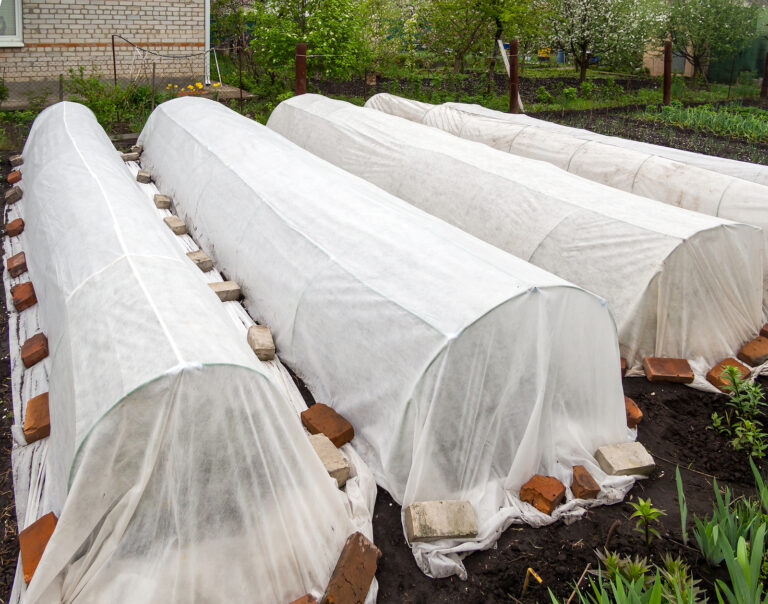
- Apply frost cloths or row covers over particularly vulnerable trees during extreme cold nights
- Install windbreaks or temporary shelters to reduce desiccation and frost damage
- For young trees, consider trunk wraps or protective collars
- Mulch around the root zone to maintain consistent soil temperature and moisture
4. Maintenance and Monitoring
- Reinspect trees after snow, ice, or frost events
- Remove broken or damaged branches promptly to prevent disease
- Adjust protective measures as temperatures fluctuate
- Plan for gradual removal of covers before bud break in spring
Conclusion
Saving fruit tree buds and flowers through winter requires careful observation, selective pruning, and protective measures. By monitoring conditions, pruning judiciously, and applying frost and wind protection, gardeners in all zones can preserve delicate buds, reduce winter stress, and maximize fruit production in spring. Winter care ensures trees emerge healthy and ready for a productive growing season.
Fruit Tree Bud and Flower Winter Protection Checklist
1. Winter Observation
- Inspect trees regularly for frost, broken branches, or disease
- Note locations of flower buds to guide pruning and protection
- Monitor weather forecasts for extreme cold or frost events
- Check for signs of pests or rodents targeting buds
2. Pruning for Bud Protection
Know What to Plant This Week
Every week I answer the gardener's most important question: what should I plant now? Get seasonal planting advice free — or go Pro for my full Soil Temperature Garden Report, with soil temperature, moisture, weather trends, and crop-by-crop recommendations.
- Remove dead, diseased, or damaged branches to conserve tree energy
- Avoid heavy pruning of healthy branches with flower buds until late winter or early spring
- Thin crowded branches to improve air circulation and reduce frost pockets
- Shape the tree for better sunlight penetration to buds
3. Protective Measures
- Use frost cloths or row covers for vulnerable trees during cold nights
- Install windbreaks or temporary shelters to reduce desiccation and frost damage
- Wrap trunks or install collars on young trees
- Mulch around root zones to maintain consistent soil temperature and moisture
4. Maintenance and Monitoring
- Reinspect trees after snow, ice, or frost events
- Remove broken or damaged branches promptly to prevent disease
- Adjust protective measures as temperatures fluctuate
- Gradually remove covers before bud break in spring
Fruit Tree Bud and Flower Winter Protection Timeline (By Month)
| Month | Warm Zones (8–10) | Cold Zones (3–7) |
|---|---|---|
| October | Inspect buds and branches; plan protective measures | Inspect buds and branches; plan protection for frost and wind |
| November | Remove dead/damaged wood; apply mulch | Remove dead/damaged wood; apply mulch; install trunk guards if needed |
| December | Monitor buds; install frost cloths during cold nights | Monitor buds; install frost covers and windbreaks; check snow or ice damage |
| January | Reinspect after storms; adjust protective measures | Reinspect after storms; maintain covers; check for rodent activity |
| February | Light pruning if needed; continue protection | Maintain protection; monitor buds; prepare for spring growth |
| March | Gradually remove covers before bud break; prune as needed | Gradually remove covers; prune damaged branches; prepare for flowering |
Tips for Success
- Observe before pruning: Prioritize bud preservation while removing only damaged wood.
- Protect during extreme cold: Use covers and windbreaks strategically for vulnerable buds.
- Monitor frequently: Snow, ice, and fluctuating temperatures can damage buds unexpectedly.
- Adjust by zone: Cold zones require more robust protection and monitoring; warm zones need lighter measures.