How to Build a Winter Vegetable Garden with Raised Beds

If you’re serious about harvesting fresh vegetables through winter, start by building the right garden.
Raised beds are one of the simplest and most effective ways to improve winter vegetable production. They warm more quickly than in-ground gardens, drain better during wet weather, are easier to protect with row covers or plastic tunnels, and create ideal growing conditions for cool-season crops.
After decades of growing vegetables in climates ranging from cold Iowa winters to the mild winters of Northern California, I’ve found that well-designed raised beds consistently outperform traditional garden rows during the cool season. Healthy soil, good drainage, and thoughtful bed design allow vegetables to continue growing longer into autumn and remain healthier through winter.
Whether you’re growing under the open sky, beneath floating row covers, inside low tunnels, or in an unheated greenhouse, raised beds provide the foundation for a successful winter vegetable garden.
Know What to Plant This Week
Every week I answer the gardener's most important question: what should I plant now? Get seasonal planting advice free — or go Pro for my full Soil Temperature Garden Report, with soil temperature, moisture, weather trends, and crop-by-crop recommendations.
Why Raised Beds Warm Earlier
One of the greatest advantages of raised beds is that they warm more quickly than surrounding ground.
Unlike flat garden soil, raised beds are exposed to air on multiple sides. Sunlight warms both the surface and the sides of the bed, allowing excess moisture to evaporate more quickly and soil temperatures to rise earlier in autumn, winter, and spring.
Even a difference of just a few degrees can make a noticeable improvement in:
- seed germination
- root development
- nutrient uptake
- soil microbial activity
- winter plant growth
Raised beds also cool more slowly when covered with row fabric or plastic tunnels because the protective cover traps heat close to the soil surface.
Benefits of Raised Beds for Winter Gardening
Well-built raised beds provide several important advantages during winter.
They:
- improve drainage after winter rains
- reduce soil compaction
- warm earlier in the day
- allow easier installation of hoops and tunnels
- improve root growth
- make harvesting easier during wet weather
- reduce mud around crops
Good drainage alone often makes the difference between healthy vegetables and roots that rot in saturated soil.
Choosing the Best Location
Winter sunlight is precious.
Locate raised beds where they’ll receive the greatest amount of direct sun during the shortest days of the year.
Choose a site that receives at least:
- 6 hours of winter sunshine
- preferably 8 hours or more
Avoid locations shaded by:
- evergreen trees
- fences
- buildings
- hedges
Remember that the sun sits much lower in the southern sky during winter than during summer. Areas that receive full sun in July may spend much of December in shade.
Bed Orientation Matters
Whenever possible, orient raised beds north to south.
North-south beds allow sunlight to reach both sides of the bed more evenly throughout the day.
East-west beds can work well for certain situations but often leave one side shaded during winter when the sun remains low.
If your garden is on a slope, balance sunlight with drainage. Sometimes following the contour of the land provides better long-term results than perfect orientation.
The Ideal Width for Raised Beds
A raised bed should be narrow enough that you can reach the center without stepping into the soil.
Walking on garden soil compresses it, reducing air spaces needed by roots and beneficial organisms.
For most gardeners:
- 3 feet wide is ideal for easy access from both sides.
- 4 feet wide works well if you have longer arms.
- Keep beds as long as your space allows.
Paths between beds should measure at least 18 to 24 inches wide so wheelbarrows, hoses, and harvest baskets move easily through the garden.
How Deep Should a Raised Bed Be?
Winter vegetables don’t require extremely deep beds, but deeper soil improves drainage and root development.
Recommended depths:
- 8 inches — acceptable
- 10 to 12 inches — excellent for most gardens
- 12 to 18 inches — ideal where native soil drains poorly
Deep beds also warm more evenly while providing additional room for roots to develop before winter arrives.
Preparing the Soil
Healthy winter vegetables begin with healthy soil.
Raised beds should contain loose, fertile soil rich in organic matter.
A good winter soil mix includes:
- quality garden soil
- finished compost
- aged organic matter
- coarse material for drainage if necessary
Avoid heavy clay alone.
Avoid soils that remain saturated after rain.
Good soil should crumble easily while retaining moisture between waterings.
Add Compost Before Every Winter Season
Compost is the foundation of productive winter beds.
Before planting, spread 2 to 3 inches of finished compost over the bed and work it into the upper 6 to 8 inches of soil.
Compost improves:
- soil structure
- water-holding capacity
- drainage
- microbial activity
- nutrient availability
Unlike synthetic fertilizers that deliver nutrients quickly, compost feeds the soil food web that supports healthy vegetable growth throughout the season.
Why Drainage Is Critical
Winter gardens often receive far more rainfall than summer gardens.
Poor drainage can become a bigger problem than freezing temperatures.
Waterlogged soil:
- reduces oxygen around roots
- slows growth
- encourages root diseases
- causes vegetables to yellow
- increases winter losses
If water remains standing more than a day after heavy rain, improve drainage before planting.
Raised beds naturally move excess water away from plant roots much more effectively than flat gardens.
Mulch Protects Winter Soil
Mulch is just as valuable during winter as it is during summer.
A light layer of organic mulch helps:
- moderate soil temperatures
- reduce erosion
- prevent soil crusting
- reduce weed growth
- protect beneficial organisms
- reduce splashing that spreads disease
Excellent winter mulches include:
- shredded leaves
- clean straw
- pine needles
- finished compost
Avoid piling mulch directly against plant stems, where excess moisture may encourage rot.
Best Raised Bed Designs for Winter Gardening
The simplest designs often perform the best.
Traditional Wooden Raised Beds
Constructed from naturally rot-resistant lumber or untreated wood, these beds are easy to build and ideal for installing hoop supports.
Permanent Raised Beds
Brick, stone, or concrete block beds absorb heat during sunny days and slowly release it overnight, helping moderate temperature swings.
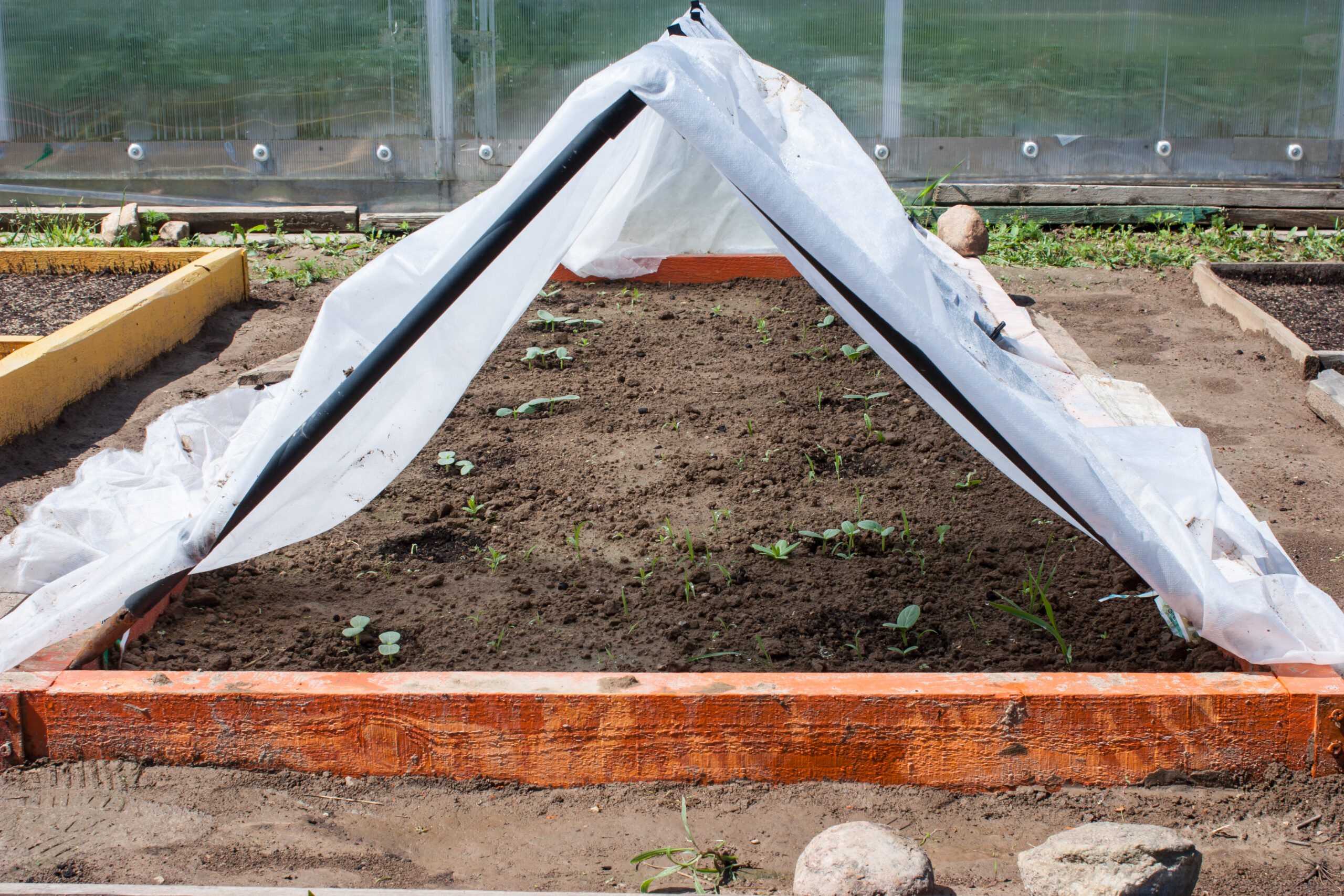
Raised Beds with Hoop Supports
One of the most practical winter designs includes permanent conduit or PVC sleeves built into the bed frame.
Hoops can then be inserted quickly to support:
- floating row covers
- frost blankets
- plastic tunnels
- insect netting
- shade cloth during warmer months
This design allows the same raised bed to support vegetables throughout every season.
Raised Beds and Season Extension
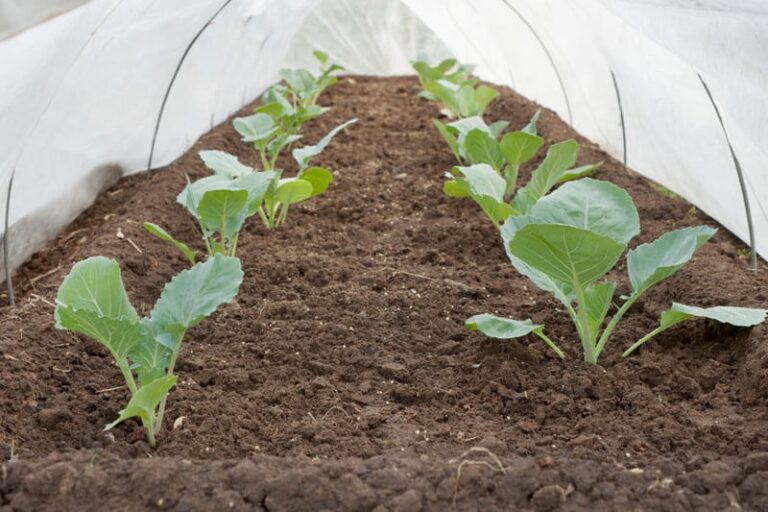
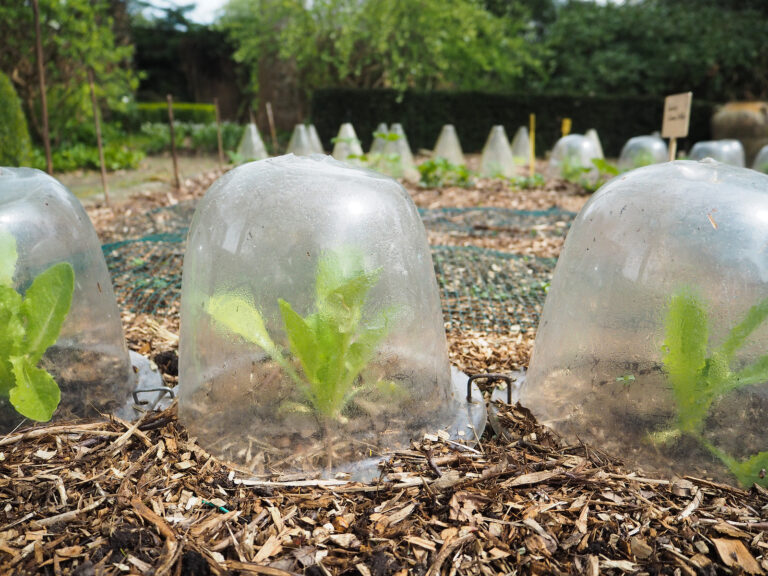
Raised beds become even more productive when combined with simple protective structures.
Floating Row Covers
Provide several degrees of frost protection while allowing light, air, and water to reach plants.
Low Plastic Tunnels
Warm both soil and air temperatures while protecting crops from rain, frost, and cold winds.
Cold Frames
Excellent for smaller plantings of lettuce, spinach, and herbs.
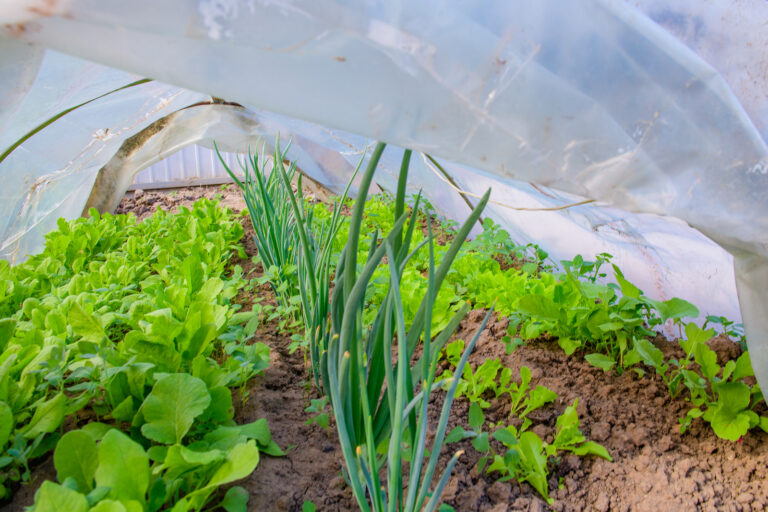
Unheated Greenhouses
Raised beds inside greenhouses combine improved drainage with warmer daytime temperatures, creating one of the most productive winter growing systems available to home gardeners.
Remember, however, that greenhouses increase temperature—they do not increase winter daylight. As day length falls below about 10 hours, plant growth naturally slows even inside protected structures.
Best Crops for Raised Winter Beds
Raised beds are ideal for many cool-season vegetables.
Excellent choices include:
Leafy Greens
- spinach
- lettuce
- kale
- Swiss chard
- arugula
- tatsoi
- mizuna
- mâche
- claytonia
Root Crops
- carrots
- beets
- turnips
- radishes
- parsnips
Alliums
- leeks
- scallions
- overwintering onions
- garlic
These crops benefit from loose, well-drained soil and continue producing high-quality harvests throughout much of the winter season.
Common Raised Bed Mistakes
Avoid these common problems:
- building beds too wide to reach comfortably
- locating beds in winter shade
- using poor-quality soil
- forgetting to add compost annually
- allowing drainage problems to develop
- walking on the soil
- planting too late in autumn
- leaving beds uncovered during severe freezes
Small improvements made before winter often produce much larger harvests later.
Frequently Asked Questions
Are raised beds better than in-ground gardens for winter vegetables?
In most situations, yes. Raised beds warm earlier, drain better after winter rains, and are easier to cover with tunnels, row covers, or cold frames.
How tall should winter raised beds be?
Beds 10 to 12 inches deep provide excellent growing conditions for most winter vegetables. Deeper beds may be beneficial where native soil drains poorly.
Should I fill raised beds entirely with compost?
No. Compost should be blended with quality garden soil. Pure compost settles quickly and may retain too much moisture during winter.
Can I grow winter vegetables in raised beds without a greenhouse?
Absolutely. Many winter vegetables grow successfully in raised beds protected only by floating row covers, frost blankets, or plastic low tunnels.
Final Thoughts
Raised beds create the foundation for a productive winter vegetable garden. They improve drainage, warm earlier than surrounding soil, and provide an ideal platform for season-extension techniques such as row covers, plastic tunnels, and unheated greenhouses.
Build beds that are easy to reach, fill them with fertile, compost-rich soil, orient them to capture the maximum winter sunlight, and protect them with simple covers when freezing weather threatens. With thoughtful planning, your raised beds can provide fresh spinach, kale, carrots, lettuce, leeks, and other cool-season vegetables from autumn well into spring.
Winter Vegetable Gardening Learning Center
Winter Gardening Fundamentals
- Winter Gardening Basics: Understanding the 10-Hour Daylight Rule
- Winter Harvest Calendar: What to Plant and When
- Month-by-Month Winter Garden Care Guide (October Through February)
Garden Design & Season Extension
- How to Build a Winter Vegetable Garden with Raised Beds
- Growing Vegetables Under Plastic Tunnels and Row Covers
- Winter Greenhouse Gardening: What You Need for an Unheated Greenhouse
Crop Selection
Garden Care
- Winter Vegetable Garden Care: Watering, Feeding, Ventilation, and Moisture Management
- Winter Vegetable Problems and How to Prevent Them
Planning & Timing
Winter Garden & Season Extension Learning Hub
Foundation and Planning
- Winter Garden Prep Tips: How to Prepare Your Garden
- Winter Garden Care Tips
- Winter Garden Layout & Bed Design
- Building Soil Health for Winter
- Soil Amendments for Winter Gardening
- Watering Vegetables in Mild Winter Climates (Zones 8-10): How to Keep Beds Productive Without Waterlogging
- Mulching for Winter Gardens
- Using Thermal Mass in Winter Gardening
- Ventilation Techniques for Tunnels and Cold Frames
- Frost Protection Strategies in the Garden
Vegetable Garden Planning and Planting
- Vegetables You Can Grow in Winter: What to Plant, When to Harvest, and How to Protect Your Crops
- When to Plant Spinach for Spring, Fall, and Winter
- When to Plant Rutabaga for Fall and Winter Harvest
- Winter Tunnel Planting Calendar: What to Grow and When for Winter Harvests (Zones 5–8)
- How to Grow Winter Vegetables Under Low Tunnels or Cold Frames (Zones 5–8)
- How to Build a Winter Tunnel and Grow Vegetables All Winter Long
- When to Use Low Tunnels, Cold Frames, and Caterpillar Tunnels in the Vegetable Garden
- Vegetable Garden Cold Frames
- How to Make a Cold Frame
- Cold Frame Buyer’s Guide
- Hoop Tunnel Buyer’s Guide
- Row Cover Buyer’s Guide
- Cloche and Hot Cap Buyer’s Guide
- Plastic Tunnels for Growing Vegetables
- Row Covers Plant Protection
- Cloche to Protect Plants
- Cloches and Hot Caps
Crop Management
- Succession Planting in Winter
- Companion Planting for Winter Crops
- Overwintering Perennials and Herbs
- Harvesting Tips for Winter Vegetables
- Watering and Irrigation in Winter
- Cool-Season Vegetable Varieties
- How to Grow a Fall Vegetable Garden
- Vegetables for Fall Harvest
Pest, Disease, and Stress Management
- Winter Garden Pest Management
- Disease Prevention in Low Light Winter Gardens
- Signs of Plant Stress in Winter
Season Extension and Reference
- Vegetable Garden Season Extension
- First and Last Frost Date and Vegetable Garden Growing Season
- Extending the Season: How To Get More Growing Time
- First and Last Frost Dates and the Garden Growing Season
- USDA Plant Hardiness Zone Map
- Vegetable Garden Plant Hardiness
Overwintering the Fruit Garden
- Preparing Fruit Trees for Winter: Mulching, Pruning, and Protection
- Protecting Young and Newly Planted Fruit Trees During Their First Winter
- Overwintering Brambles: Raspberries, Blackberries, and Loganberries
- How to Identify Summer-Bearing, Ever-Bearing, and Primocane Brambles
- Using Frost Cloths, Row Covers, and Shelters to Protect Fruit Plants
- Winter Care for Strawberry Beds: Mulching, Watering, and Renovation
- Overwintering Blueberries, Cranberries, and Other Small Fruits
- Protecting Citrus Trees in Cold and Mild Zones
- Emergency Freeze Care for Citrus Trees
- Winter Watering and Soil Care for Fruit Trees and Shrubs
- Preventing Winter Damage: Dealing With Snow, Ice, and Rodents in Fruit Gardens
- Saving Fruit Tree Buds and Flowers for Spring: Pruning and Winter Observation
Overwintering the Flower Garden
- How to Protect Perennials Through Winter: Mulching, Cutting Back, and Care
- Overwintering Tender Perennials: Lifting, Storing, and Restarting in Spring
- How to Prepare Flower Beds for Freezing Weather
- Overwintering Annuals: Which Flowers Survive and How to Help Them
- How to Use Frost Cloths, Row Covers, and Cloches to Protect Flower Beds
- Winter Care for Bulbs: Tulips, Daffodils, Hyacinths, and More
- How to Overwinter Dahlias, Cannas, and Gladiolus (Corms, Tubers, and Rhizomes)
- Pruning and Cleaning Up the Flower Garden Before Winter
- How to Save Seeds From Flowers Before Winter Arrives
- How and When to Divide Perennials in Fall for Spring Renewal
Overwintering Shrubs & Trees
- How to Prepare Shrubs and Trees for Winter: A Complete Guide
- How to Protect Young Trees From Frost, Freeze, and Sunscald
- Winter Watering Guide for Shrubs and Trees
- How to Mulch Shrubs and Trees for Winter Protection
- How to Use Tree Wraps, Guards, and Shields for Cold Protection
- Pruning Shrubs and Trees Before Winter: What to Cut and What to Leave
- How to Overwinter Container-Grown Shrubs and Trees
- Protecting Evergreen Shrubs From Winter Burn
- How to Help Newly Planted Shrubs and Trees Survive Their First Winter
- How to Manage Snow and Ice on Shrubs and Trees Without Causing Damage
How to Use This Hub
This hub is designed to be your step-by-step guide to successful winter gardening and season extension. Start with the foundational topics—bed prep, soil building, mulching, and layout—to set your garden up for success before cold weather arrives. Then explore the crop guides, protection strategies, and month-by-month calendars to plan what to plant, when to plant it, and how to keep it thriving through frost, rain, and short days. Each section links to deeper posts so you can follow your curiosity or quickly find the information you need. Whether you’re prepping a fall garden, managing crops through winter, or looking ahead to early spring harvests, use this hub as a practical reference you can return to all season long.
My Experience: Why This Hub Exists
This hub grows out of a lifetime of year-round gardening—first in the mild but unpredictable winters of Sonoma Valley, and earlier in the deep-freeze winters of Iowa’s Zone 5. I’ve spent more than 30 years testing methods that keep vegetables growing through cold nights, short days, and wet soil. Over time, I’ve refined techniques that work in raised beds, mounded beds, and containers, always guided by the NEW method—Narrow bed, Equidistant planting, Wide rows—and by a commitment to simple, regenerative practices. This hub exists to share what I wish I’d known when I started: that with the right planning and protection, a winter garden can be incredibly productive, resilient, and enjoyable. My goal is to help you avoid guesswork, build confidence, and grow food through every season.