Raised Bed Gardening for Beginners: The Simple System That Produces More Food

Raised bed gardening is one of the easiest ways for beginners to grow more vegetables successfully. After more than 30 years of gardening in California, I’ve found that raised beds consistently produce:
- healthier plants,
- better harvests,
- fewer weeds,
- improved soil,
- and easier maintenance.
Raised beds simplify gardening because they allow you to control the growing environment from the start. Instead of fighting poor soil, compaction, drainage problems, or weeds, you create ideal growing conditions immediately.
For beginners, that often means faster success and fewer frustrations.
What Is Raised Bed Gardening?
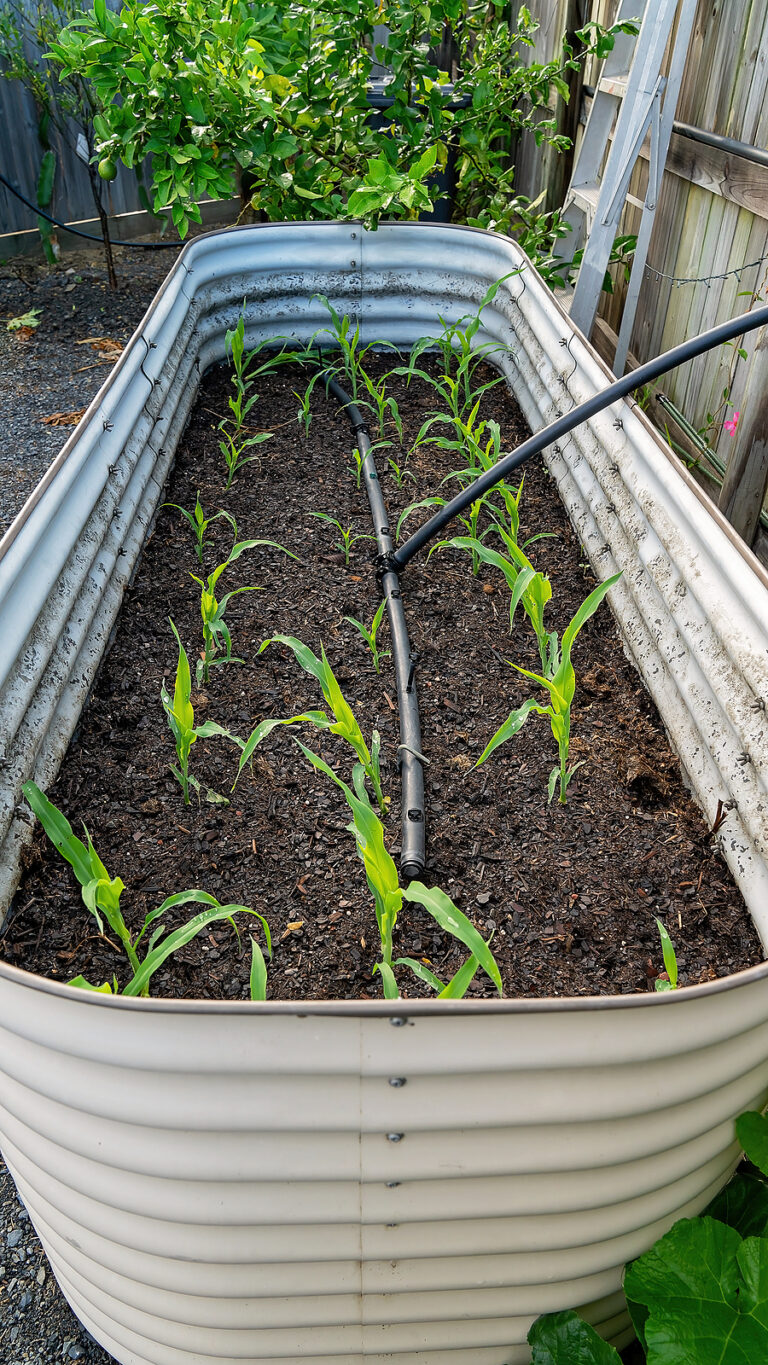
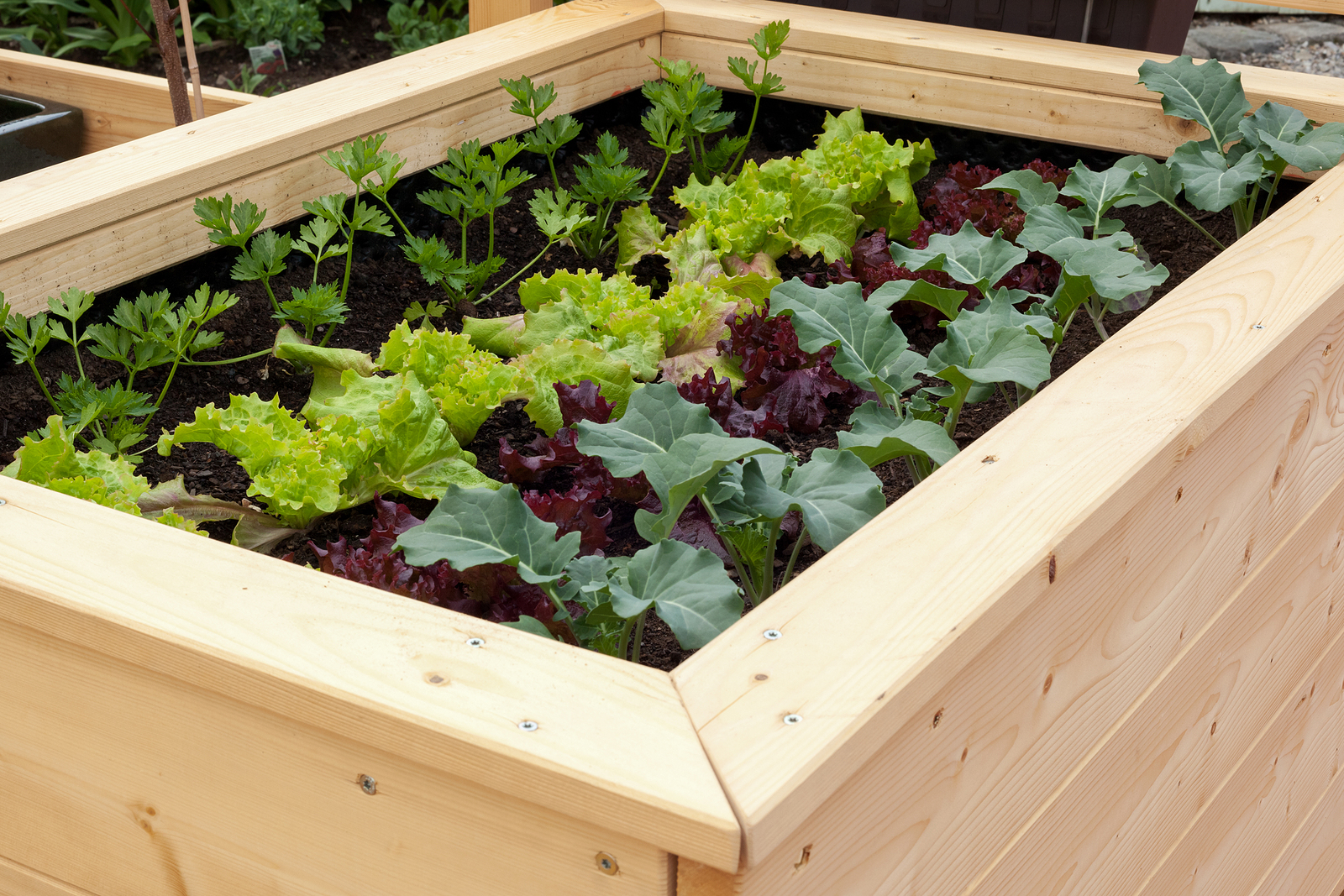
A raised bed is simply a growing area where soil sits above ground level, usually enclosed by wood, metal, stone, or other materials.
Know What to Plant This Week
Every week I answer the gardener's most important question: what should I plant now? Get seasonal planting advice free — or go Pro for my full Soil Temperature Garden Report, with soil temperature, moisture, weather trends, and crop-by-crop recommendations.
Raised beds can be:
- framed,
- mounded,
- or permanently built structures.
In my own garden, I grow primarily in:
- raised beds,
- mounded beds,
- and wide-row systems.
The goal is always the same:
healthy soil and easy access.
Why Raised Beds Produce More Food
Raised beds improve nearly every part of vegetable gardening.
Better Soil
This is the biggest advantage.
Instead of relying on native soil, you create loose, fertile growing conditions ideal for root development.
Healthy roots produce healthier plants.
Improved Drainage
Raised beds drain excess water more efficiently.
This helps prevent:
- root rot,
- compaction,
- and waterlogged soil.
Warmer Soil
Raised soil warms faster in spring.
That means:
- earlier planting,
- faster germination,
- and quicker growth.
Less Soil Compaction
Because you do not walk on raised beds, soil stays loose and aerated.
Compacted soil restricts roots and reduces production.
Easier Weed Control
Dense planting and defined spaces reduce weed pressure dramatically.
In my experience, raised beds can cut weeding time by more than half.
The Ideal Raised Bed Size for Beginners
One of the most common beginner mistakes is building beds too wide.
Best Width
I recommend beds no wider than:
4 feet wide
This allows easy access from both sides without stepping into the bed.
Bed Length
Length is flexible.
Common beginner sizes:
- 4×8 feet
- 4×10 feet
- 4×12 feet
Bed Height
Even shallow beds work well.
Typical heights:
8 to 12 inches deep
Deeper beds improve root space and drainage further.
The Best Location for Raised Beds
Vegetables need sunlight.
Sun Requirements
Most crops need:
6 to 8 hours of direct sunlight daily
Leafy greens tolerate slightly less.
Other Important Factors
Choose a location with:
- good drainage,
- nearby water access,
- and protection from strong wind if possible.
The Best Soil for Raised Beds
Soil is the foundation of successful raised bed gardening.
What I Use
I build raised bed soil from:
- compost,
- topsoil,
- aged organic matter,
- and loose planting mixes.
The goal is:
- fertility,
- drainage,
- moisture retention,
- and biological activity.
My Simple Formula
A beginner-friendly mix includes:
- compost,
- quality garden soil,
- and organic material.
Healthy soil improves every year when compost is added regularly.
What to Grow in Raised Beds
Almost every vegetable grows well in raised beds.
Best Crops for Beginners
Easy Warm-Season Crops
- Tomato
- Pepper
- Cucumber
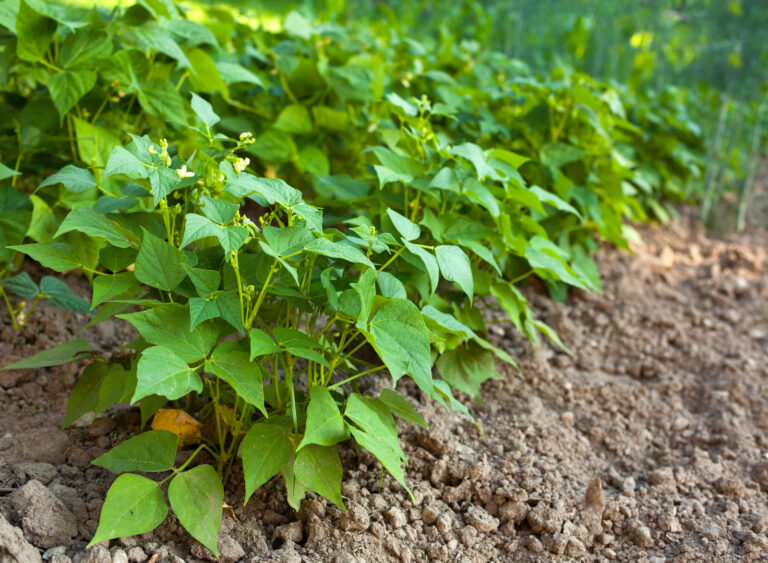
- Bush bean
Easy Cool-Season Crops
- Lettuce
- Spinach
- Radish
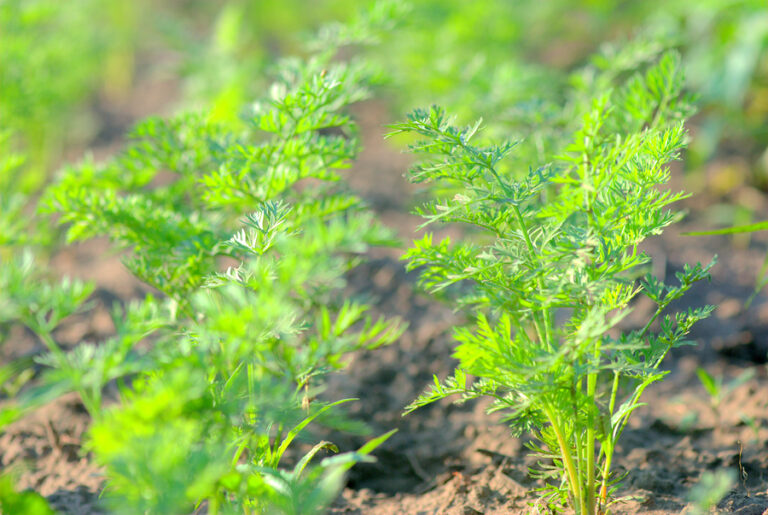
- Carrot
Raised beds are especially helpful for root crops because loose soil produces straighter roots.
Why Close Spacing Produces More Food
One major raised bed advantage is efficient spacing.
Traditional Rows Waste Space
Wide walking paths reduce growing area.
My Preferred Method
I use a variation of the NEW gardening method:
- Narrow beds
- Equidistant planting
- Wide rows
This allows plants to:
- shade soil,
- reduce weeds,
- conserve moisture,
- and maximize production.
The goal is full but not overcrowded beds.
Watering Raised Beds
Raised beds dry faster than in-ground gardens.
Important Rule
Water deeply and consistently.
Why Deep Watering Matters
Deep watering encourages:
- stronger roots,
- drought resistance,
- and healthier growth.
Mulching Helps
Mulch reduces:
- evaporation,
- weeds,
- and temperature swings.
I mulch nearly every raised bed after soil warms.
Fertilizing Raised Beds
Raised beds are highly productive, so nutrients must be replenished regularly.
My Feeding Strategy
I rely heavily on:
- compost,
- aged manure,
- and balanced organic fertilizers.
Small, steady improvements to soil create long-term fertility.
Common Raised Bed Mistakes
Building Beds Too Wide
Wide beds force gardeners to step on soil, causing compaction.
Overcrowding Plants
Dense planting works only with:
- good airflow,
- healthy soil,
- and proper spacing.
Using Poor Soil
Cheap fill dirt produces poor harvests.
Investing in soil is one of the best gardening decisions beginners can make.
Ignoring Soil Temperature
Warm-season vegetables struggle in cold soil.
I always plant based on soil temperature—not the calendar.
Why Raised Beds Are Easier for Beginners
Raised beds simplify gardening because problems become easier to manage.
Beginners gain:
- clearer organization,
- easier watering,
- less bending,
- better soil,
- and fewer weeds.
In my experience, gardeners who begin with raised beds usually stay more motivated because success comes faster.
My Raised Bed Gardening Philosophy
Over decades of gardening, I’ve learned that productive gardens begin with:
- healthy soil,
- efficient spacing,
- and observation.
Raised beds support all three.
A well-designed raised bed garden becomes easier and more productive every season as soil biology improves naturally over time.
Final Thoughts
Raised bed gardening is one of the best systems for beginner vegetable gardeners because it creates ideal growing conditions from the beginning.
With:
- fertile soil,
- proper spacing,
- steady watering,
- and seasonal planting,
raised beds can produce abundant harvests in surprisingly small spaces.
For many gardeners, raised beds turn vegetable gardening from frustrating guesswork into a reliable, productive, and deeply satisfying way to grow food at home.