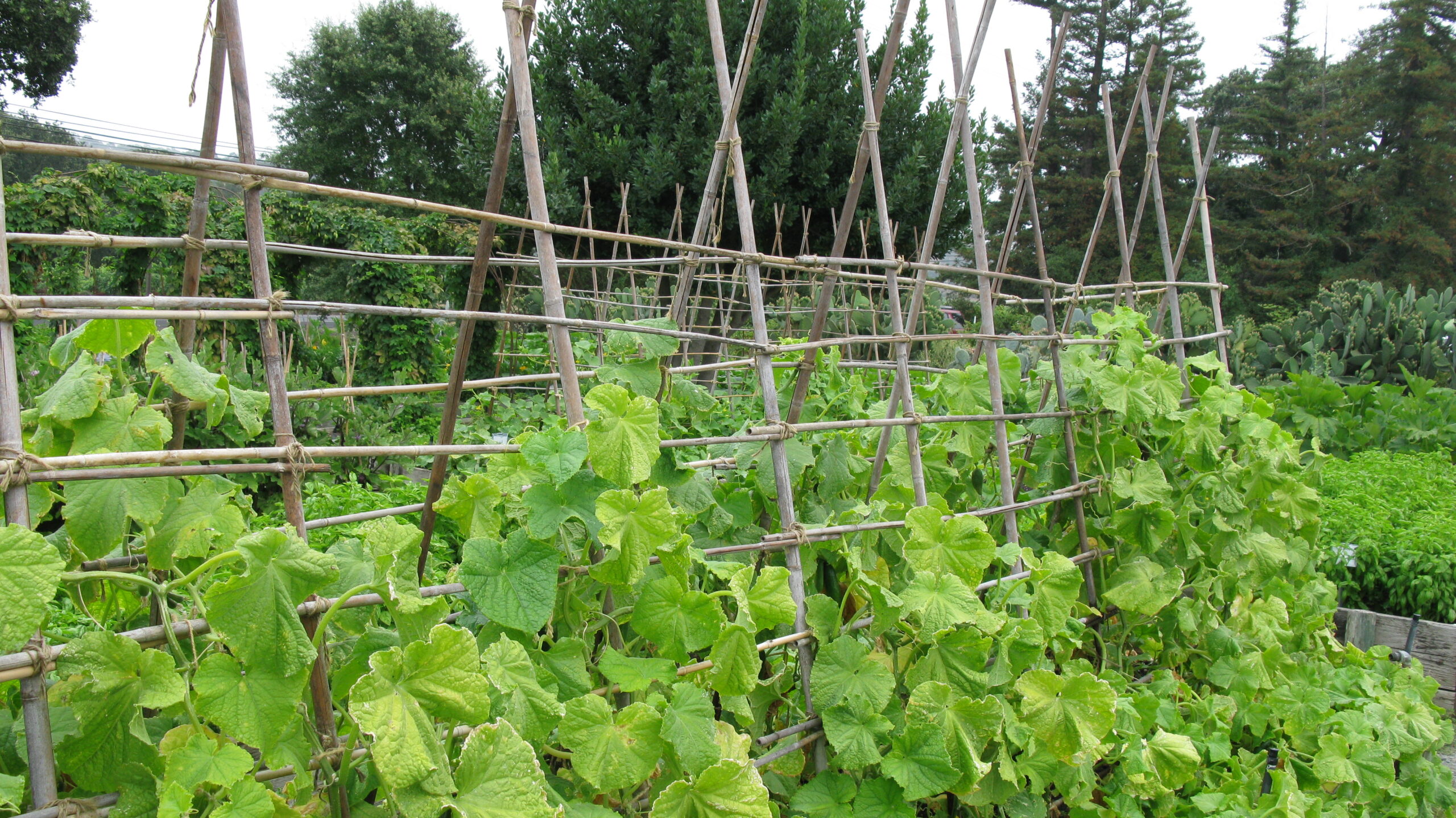
Structural Support in the Vegetable Garden: Building Stronger Plants from Day One

Supporting vegetable plants with stakes, cages, and trellises is one of the simplest ways to improve plant health, reduce disease pressure, and increase overall garden productivity. Yet it is also one of the most commonly delayed practices in home gardens. By the time plants begin falling over or sprawling, it is often too late to install support without damaging roots or stressing growth.
Proper structural support is not an afterthought.
It is part of the planting system.
After more than 30 years of gardening in raised beds, mounded rows, and containers in Sonoma Valley, I’ve learned that early support systems consistently produce healthier plants, cleaner fruit, and more efficient use of garden space. When installed at the right time, supports allow plants to grow into their structure naturally rather than being corrected later.
Know What to Plant This Week
Every week I answer the gardener's most important question: what should I plant now? Get seasonal planting advice free — or go Pro for my full Soil Temperature Garden Report, with soil temperature, moisture, weather trends, and crop-by-crop recommendations.
Why Vegetable Support Matters
Staking, caging, and trellising do far more than keep plants upright.
Proper support helps:
- improve airflow through foliage
- reduce fungal disease and rot
- keep fruit off the soil
- improve sunlight exposure
- make harvesting easier
- prevent stem breakage
- maximize garden space efficiency
- improve ripening and fruit quality
In warm summer conditions, especially when soil temperatures rise and plant growth accelerates, airflow becomes critical. Many common vegetable diseases begin when dense foliage traps moisture and reduces circulation.
Structural support directly prevents this problem.
The Most Important Rule: Install Early
The most important principle in plant support is timing:
Install stakes, cages, and trellises before plants need them.
Waiting too long creates several problems:
- roots may be damaged during installation
- stems can snap or bend permanently
- plants begin sprawling and become difficult to train
- fruit may already be touching the soil
- airflow issues develop early and worsen quickly
Best Timing Window
- at transplanting for tomatoes, peppers, and eggplant
- at sowing for beans and cucumbers
- within 1–2 weeks of emergence for fast growers
Support should be in place before rapid summer growth begins.
🍅 Tomatoes: Stake or Cage at Planting
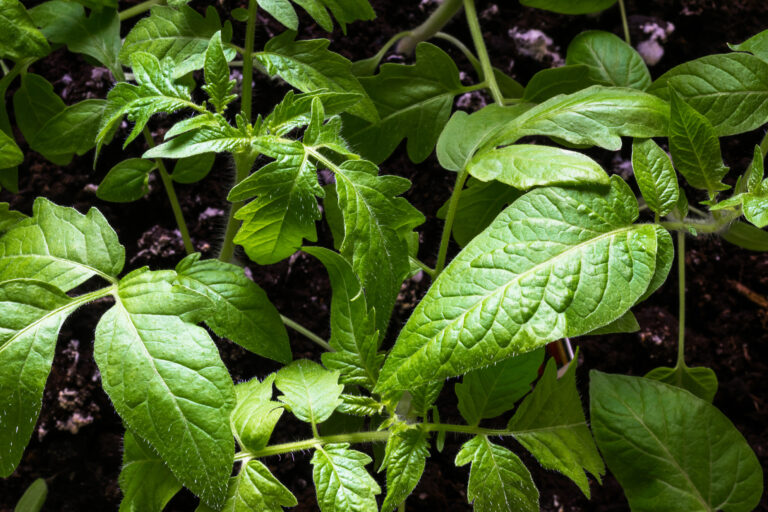
Tomatoes are one of the most support-dependent crops in the vegetable garden.
When to Install
At transplanting time.
How to Support
- use sturdy cages or 6–8 foot stakes
- insert supports before or immediately after planting
- tie stems loosely as plants grow
- remove lower branches for airflow if desired
Why It Matters
Once soil temperatures reach the mid-60s°F and above, tomatoes grow rapidly. Without support, plants sprawl, disease increases, and fruit quality declines.
In my garden, tomato cages are installed on the same day plants go into the soil.
🥒 Cucumbers: Vertical Trellising for Cleaner Fruit
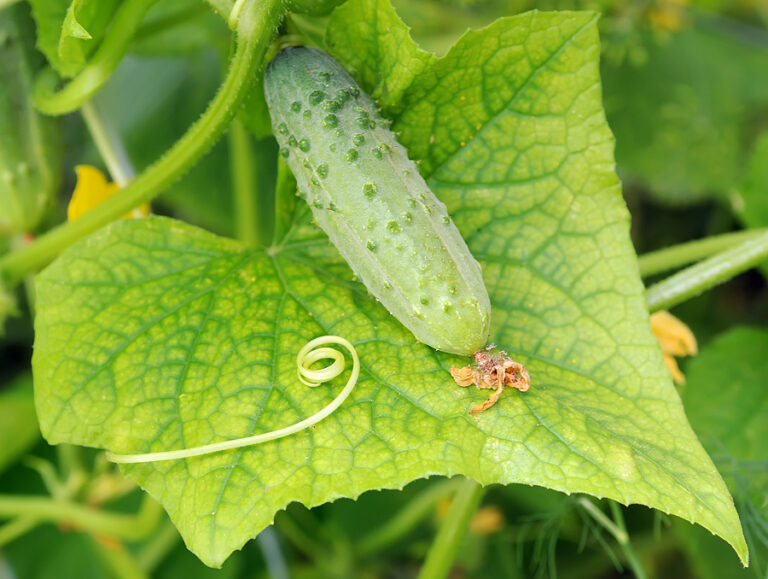
Cucumbers perform significantly better when grown vertically.
When to Install
Before planting seeds or transplants.
How to Support
- install trellis netting or A-frame structures
- plant seeds or starts at base of support
- guide vines early as they begin climbing
Why It Matters
Vertical cucumbers:
- reduce soil-borne disease
- produce straighter fruit
- improve airflow
- make harvesting easier
- save garden space
Once vines begin spreading, redirecting them becomes difficult and stressful.
🌱 Beans: Poles and Netting Before Growth Begins
Beans are fast climbers once soil warms, especially when temperatures exceed 60°F.
When to Install
At planting time for pole beans.
How to Support
- install teepee poles or trellis netting
- plant seeds around the base of supports
- ensure strong anchoring for wind resistance
Why It Matters
Beans naturally seek vertical structure. If support is delayed, vines tangle and productivity drops.
🌶️ Peppers: Light but Important Support
Peppers are often overlooked when it comes to structural support.
When to Install
At transplanting or shortly after.
How to Support
- small stakes per plant
- soft ties for main stems
- optional small cages in windy areas
Why It Matters
Heavy fruit loads can cause branches to split later in the season, especially during peak summer production.
🍆 Eggplant: Strong Support for Heavy Fruit
Eggplants produce large, heavy fruit that can easily bend or break branches.
When to Install
At transplanting time.
How to Support
- use sturdy stakes per plant
- tie main stems loosely as they grow
- support heavy branches if needed
Why It Matters
Without support, eggplant often collapses under fruit weight during peak production.
🌽 Sweet Corn: Structural Planting, Not Staking
Corn does not require individual staking but still depends on structural planting.
When to Plan Support
At planting time.
How to Support
- plant in blocks, not single rows
- allow plants to support each other
- ensure proper spacing for root stability
Why It Matters
Corn is wind-pollinated and wind-exposed. Block planting improves stability and pollination success.
🥬 Other Crops That Benefit From Support
Tomatoes (indeterminate varieties)
Essential staking or caging
Melons (optional support)
- slings or ground mulch support fruit
- improves cleanliness and reduces rot
Winter squash (select varieties)
- low trellising or guided vine management
My Experience With Plant Support
Over many seasons of gardening, I’ve found that early installation of support systems is one of the simplest ways to improve garden outcomes. Plants that grow into their support from the beginning are stronger, easier to manage, and far more productive.
The most common mistake I see is waiting too long. Once plants begin sprawling, structural correction becomes difficult and often causes more harm than benefit.
Now I treat cages, stakes, and trellises as part of the planting process—not an optional add-on later.
Final Thought
Vegetable plant support is not just about keeping plants upright. It is about creating structure that improves airflow, reduces disease, and supports healthy growth throughout the season.
When installed early and matched to the crop’s growth habit, stakes, cages, and trellises become one of the most effective tools in the productive vegetable garden.