When to Mulch Vegetables: A Seasonal Guide for Spring, Summer, and Fall Garden Beds

Mulching is one of the simplest and most effective ways to stabilize a vegetable garden, but timing matters just as much as material. Used correctly, mulch acts like a climate control system for the soil—moderating temperature swings, conserving moisture, and supporting beneficial soil biology throughout the growing season.
Used at the wrong time, however, mulch can slow soil warming in spring or trap too much moisture in cool conditions.
After more than 30 years of gardening in raised beds, mounded rows, and containers in Sonoma Valley, I’ve learned that mulch is not a one-time decision. It is a seasonal strategy that changes as soil temperature and crop growth change.
Understanding when to mulch—and when to pull it back—is one of the most important skills in maintaining a productive vegetable garden.
Know What to Plant This Week
Every week I answer the gardener's most important question: what should I plant now? Get seasonal planting advice free — or go Pro for my full Soil Temperature Garden Report, with soil temperature, moisture, weather trends, and crop-by-crop recommendations.
What Mulch Does in the Vegetable Garden
Mulch functions as a protective layer over the soil surface. When used properly, it helps:
- slow evaporation
- stabilize soil temperature
- protect soil microbial life
- reduce weed pressure
- prevent soil crusting
- reduce erosion from heavy rain or irrigation
- improve overall soil structure over time
As soil warms and plant growth accelerates, mulch becomes increasingly important for maintaining stable growing conditions.
🌱 Spring Mulching: Use Lightly and Strategically
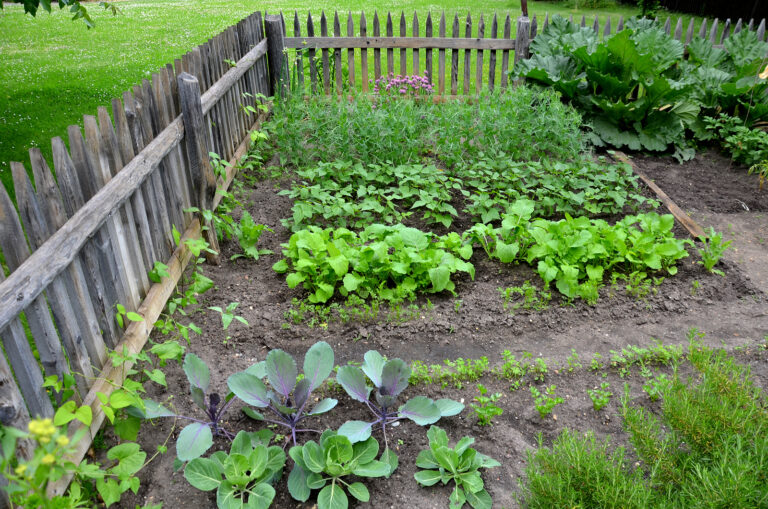
Spring is the most misunderstood time for mulching. Many gardeners mulch too heavily too early, which can slow soil warming and delay crop growth.
When to Mulch in Spring
- after soil reaches about 55–60°F
- once cool-season crops are established
- after direct-sown seeds have emerged
How to Use Mulch in Spring
- apply a light layer (1–2 inches)
- leave soil exposed around direct-sown rows early on
- pull mulch back slightly from stems to prevent rot
- prioritize warming over insulation in early spring
Best Spring Crops for Light Mulch
- lettuce
- spinach
- carrots
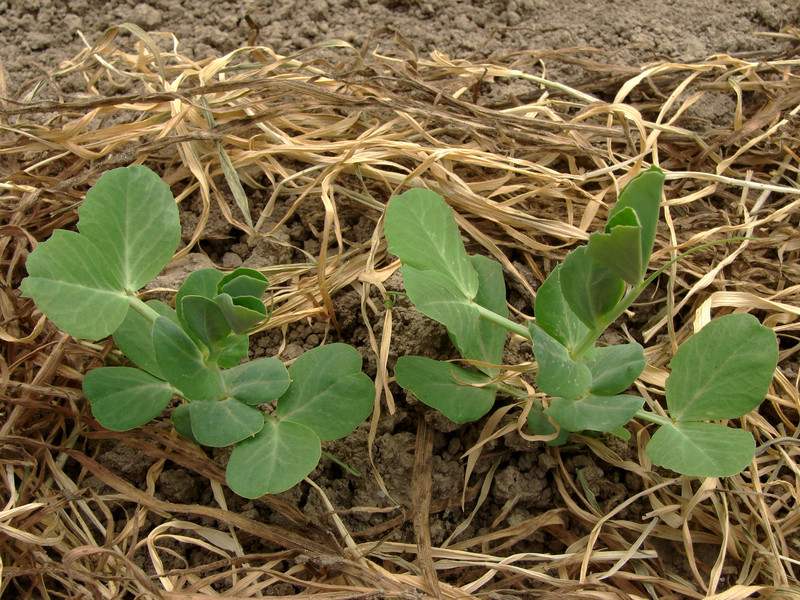
- peas
- radishes
- broccoli and cabbage (after transplanting)
Spring Insight From Experience
In my Sonoma garden, I rarely mulch heavily in early spring. I allow the soil to warm naturally under sunlight first, then add mulch gradually once growth is established. This balance helps avoid slowing down early-season soil warming while still preparing for moisture retention later.
☀️ Summer Mulching: Full Coverage for Heat Protection
Once soil temperatures rise into the 60–70°F range, mulch becomes essential. This is the peak growing season for most vegetable crops, and soil needs protection from heat and moisture loss.
When to Mulch in Summer
- once warm-season crops are established
- when soil temperatures consistently exceed 60°F
- immediately after transplanting summer crops
How to Use Mulch in Summer
- apply 2–3 inches across most beds
- increase thickness in hot, fast-drying areas
- refresh mulch as it breaks down
- keep mulch pulled slightly back from plant stems
Best Summer Crops for Mulch
- tomatoes
- peppers
- cucumbers
- squash and zucchini
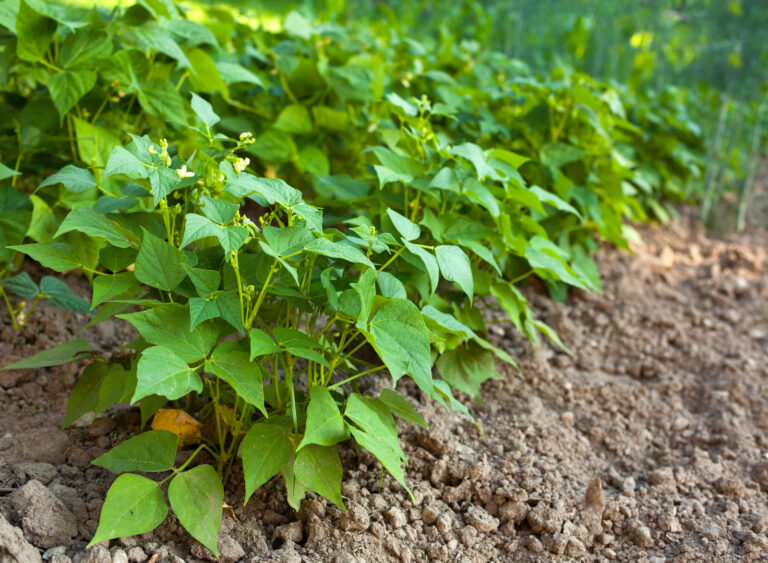
- beans
- corn
- basil
Why Summer Mulch Matters
Summer mulch:
- reduces water loss during heat waves
- prevents soil from overheating
- protects shallow feeder roots
- supports consistent microbial activity
- reduces irrigation frequency
In hot weather, unmulched soil can dry and overheat quickly, stressing plants even if watering is consistent.
🍂 Fall Mulching: Insulation and Soil Protection
Fall mulching shifts focus from heat protection to soil preservation and preparation for cooler months.
When to Mulch in Fall
- after summer crops begin declining
- after final harvests
- once soil begins cooling below 60°F
How to Use Mulch in Fall
- maintain 2–3 inches of coverage
- increase mulch in beds left fallow
- use coarse mulch to protect soil structure
- leave mulch in place over winter when possible
Best Fall Uses of Mulch
- protecting garlic and overwintering onions
- insulating carrot and beet beds for late harvest
- covering empty beds to preserve soil life
- preparing beds for early spring planting
Fall Insight From Experience
In my garden, fall mulch is less about crop support and more about protecting the living soil. It helps preserve microbial life through winter rains and reduces erosion in exposed beds.
How Mulch Changes With Soil Temperature
Mulching should always follow soil temperature, not the calendar.
Simple Seasonal Rule
- cool soil (below 55°F) → mulch lightly or delay heavy application
- warming soil (55–60°F) → gradual mulch buildup
- warm soil (60–70°F) → full mulch coverage
- hot soil (70°F+) → thick, consistent mulch essential
As soil warms, plants grow faster, evaporate more moisture, and demand more stable conditions. Mulch becomes increasingly important as the season progresses.
My Experience With Mulch Timing
Over decades of gardening, I’ve learned that mulch timing can significantly affect plant performance. Applying mulch too early in spring often slows soil warming and delays germination. Waiting too long in summer leads to unnecessary water stress and heat damage.
Now I adjust mulch continuously throughout the season based on soil temperature and crop stage. Light mulch early, full mulch in summer, and protective mulch in fall has become my standard rhythm.
The result is more stable soil, healthier plants, and fewer irrigation problems during peak summer heat.
Final Thought
Mulch is not just a garden covering—it is an active tool for managing temperature, moisture, and soil biology throughout the year.
When used seasonally and in response to soil temperature, mulch becomes one of the most powerful practices for maintaining a productive, resilient vegetable garden from spring through fall.