Mulching Vegetable Gardens: Why, When, and How to Mulch

Mulch may be the most underappreciated tool in the vegetable garden.
Many gardeners focus on seeds, fertilizers, irrigation systems, and pest control, yet a simple layer of mulch can improve all of those things at once. Proper mulching conserves soil moisture, suppresses weeds, moderates soil temperature, reduces erosion, improves soil structure, and can even increase yields.
After more than 30 years of growing vegetables in California, I have found that few gardening practices provide as much benefit for as little effort as mulching. In my raised beds and mounded garden rows, mulch has become an essential part of summer garden management.
If you are looking for a simple way to grow healthier plants and spend less time watering and weeding, start with mulch.
Know What to Plant This Week
Every week I answer the gardener's most important question: what should I plant now? Get seasonal planting advice free — or go Pro for my full Soil Temperature Garden Report, with soil temperature, moisture, weather trends, and crop-by-crop recommendations.
What Is Mulch?
Mulch is any material spread over the soil surface around plants.
Mulch acts as a protective blanket between the soil and the atmosphere. It reduces moisture loss, protects soil from temperature extremes, and helps maintain a more stable growing environment for roots.
Mulches generally fall into two categories:
Organic Mulches
Organic mulches break down over time and improve soil structure.
Examples include:
- Straw
- Shredded leaves
- Compost
- Grass clippings
- Pine needles
- Wood chips
- Aged bark
Inorganic Mulches
Inorganic mulches do not decompose and are often used for temperature control or weed suppression.
Examples include:
- Landscape fabric
- Plastic mulch
- Gravel
- Stones
For most home vegetable gardens, organic mulches provide the greatest long-term benefits.
Why Mulch a Vegetable Garden?
Mulching offers multiple benefits that improve plant health and garden productivity.
Mulch Conserves Soil Moisture
One of the most important benefits of mulch is reducing evaporation.
During summer, bare soil can lose significant amounts of water each day. Mulch slows that loss by shielding the soil from direct sunlight and wind.
In my Sonoma garden, mulched beds often remain moist several days longer than unmulched beds during hot weather.
Mulch Suppresses Weeds
Weed seeds need sunlight to germinate.
A layer of mulch blocks light from reaching the soil surface, dramatically reducing weed growth.
Fewer weeds mean less competition for water and nutrients and fewer hours spent pulling weeds.
Mulch Moderates Soil Temperature
Mulch helps keep soil cooler during hot weather and warmer during cool weather.
This temperature buffering reduces plant stress and creates more consistent growing conditions.
Vegetable roots perform best when soil temperatures remain relatively stable.
Mulch Reduces Soil Compaction
Heavy rain and overhead irrigation can compact exposed soil.
Mulch cushions the impact of water droplets and protects soil structure.
Healthy soil structure improves root growth, drainage, and microbial activity.
Mulch Improves Soil Fertility
Organic mulches gradually decompose and add organic matter to the soil.
Over time, earthworms, microbes, and other beneficial organisms incorporate decomposed mulch into the root zone.
This process improves:
- Soil structure
- Water retention
- Aeration
- Nutrient availability
My Experience with Mulching
I grew up gardening in California’s Central Valley, where summer heat can quickly dry exposed soil.
Over the years I learned that watering alone does not solve moisture problems. Watering and mulching work together.
Today, I mulch nearly every warm-season crop in my garden, including:
- Tomatoes
- Peppers
- Cucumbers
- Squash
- Corn
- Beans
- Melons
The difference is noticeable. Plants remain more vigorous during heat waves, watering frequency decreases, and weed pressure is significantly reduced.
Mulch does not eliminate garden work, but it makes nearly every gardening task easier.
When Should You Mulch a Vegetable Garden?
Timing matters.
Wait for Soil to Warm in Spring
In most vegetable gardens, it is best to wait until the soil has warmed before applying thick mulch.
Heavy mulch applied too early can slow soil warming and delay crop growth.
For warm-season vegetables such as tomatoes, peppers, squash, cucumbers, and beans, I typically wait until soil temperatures reach at least 65°F before applying mulch.
Mulch Before Summer Heat Arrives
The best time to mulch is often just before sustained summer heat begins.
Applying mulch while soil still contains spring moisture helps lock that moisture into the root zone.
Refresh Mulch During the Growing Season
Organic mulch gradually decomposes.
A midseason application may be necessary to maintain adequate coverage during summer.
Best Mulches for Vegetable Gardens
Straw
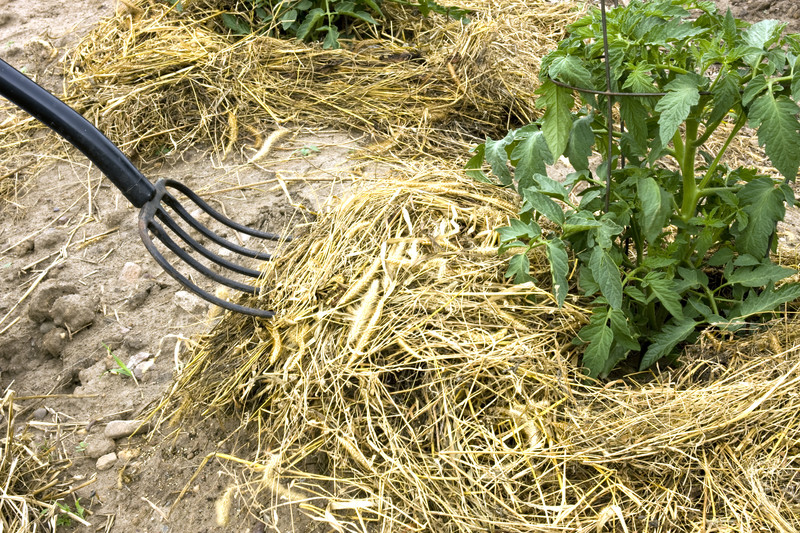
Straw is one of the best vegetable garden mulches.
Benefits include:
- Excellent moisture retention
- Good weed suppression
- Easy application
- Slow decomposition
Use clean straw rather than hay, which may contain weed seeds.
Shredded Leaves
Shredded leaves are an excellent low-cost mulch.
They improve soil quality while providing good moisture retention.
Avoid applying thick layers of whole leaves, which can mat together and shed water.
Compost
Compost serves as both mulch and soil amendment.
It suppresses weeds while feeding the soil.
A one- to two-inch layer works well around many vegetables.
Grass Clippings
Grass clippings are readily available and add nitrogen as they decompose.
Apply only thin layers and avoid clippings treated with herbicides.
Pine Needles
Pine needles work well around many vegetables and remain loose enough to allow good air circulation.
Contrary to popular belief, they do not significantly acidify garden soil.
Mulches to Use Carefully
Wood Chips
Wood chips work well in pathways and around perennial plantings.
They can be used around vegetables but should not be incorporated directly into planting soil while fresh.
Black Plastic Mulch
Black plastic can warm soil and suppress weeds effectively.
It is commonly used for tomatoes, peppers, and melons.
However, plastic does not improve soil quality and requires irrigation beneath the mulch.
How to Mulch a Vegetable Garden
Follow these simple steps:
Step 1: Remove Existing Weeds
Mulch works best when applied to clean soil.
Pull or hoe weeds before spreading mulch.
Step 2: Water Thoroughly
Moisten the soil deeply before applying mulch.
This helps trap moisture in the root zone.
Step 3: Spread Mulch Evenly
Apply mulch around plants to a depth of:
- 2 to 3 inches for fine materials such as compost
- 3 to 4 inches for straw or shredded leaves
Step 4: Keep Mulch Away from Stems
Leave a small gap around stems and crowns.
Mulch piled directly against stems can encourage rot and disease.
Step 5: Monitor and Replenish
Check mulch periodically and add more as it decomposes or settles.
Common Mulching Mistakes
Avoid these common errors:
Applying Mulch Too Early
Cold spring soil covered with mulch warms slowly.
Wait until soils reach appropriate planting temperatures.
Using Too Much Mulch
Excessively thick mulch can prevent water from reaching roots and reduce airflow.
Piling Mulch Against Stems
This encourages disease and insect problems.
Ignoring Soil Moisture
Mulch reduces evaporation but does not eliminate the need for watering.
Continue monitoring moisture levels regularly.
Frequently Asked Questions
How Deep Should Vegetable Garden Mulch Be?
Most vegetable gardens benefit from 2 to 4 inches of mulch, depending on the material used.
Can I Mulch Immediately After Planting?
Yes. After seedlings are established and the soil has warmed sufficiently, mulch can be applied around young plants.
What Is the Best Mulch for Tomatoes?
Straw is often considered the best mulch for tomatoes because it conserves moisture, suppresses weeds, and keeps soil from splashing onto leaves.
Is Compost a Good Mulch?
Yes. Compost provides weed suppression while improving soil fertility and structure.
Final Thoughts
Mulching is one of the simplest ways to improve a vegetable garden.
A good mulch layer conserves moisture, reduces weeds, moderates soil temperatures, improves soil health, and helps plants perform better during summer stress.
In my experience, mulching is not an optional finishing touch. It is a core gardening practice that supports nearly every aspect of successful vegetable growing.
If you have not mulched your vegetable garden yet, now is the time. Your plants—and your future self—will thank you.