How to Improve Pollination in Your Vegetable Garden

If your vegetables are flowering but not producing fruit, the issue often isn’t growth—it’s pollination.
After 30+ years growing vegetables in Sonoma Valley, I’ve learned this clearly:
👉 Healthy plants can still fail at fruiting if pollination conditions are weak.
Pollination isn’t just about bees. It’s about plant movement, timing, airflow, and environmental stability.
Know What to Plant This Week
Every week I answer the gardener's most important question: what should I plant now? Get seasonal planting advice free — or go Pro for my full Soil Temperature Garden Report, with soil temperature, moisture, weather trends, and crop-by-crop recommendations.
The good news: you can actively improve it.
What Pollination Actually Is (In Simple Terms)
Pollination is the transfer of pollen from flower to flower (or within the same flower for self-pollinating crops).
Once that happens:
- Fruit begins to form
- Seeds develop
- Yield is locked in
👉 No pollination = no fruit, no matter how healthy the plant looks.
1. Understand Which Crops Need Help
Not all vegetables rely on the same pollination process.
Self-Pollinating Crops (Still Benefit from Help)
- Tomatoes
- Peppers
- Eggplant
These can pollinate themselves—but still need movement and vibration to release pollen.
Insect-Pollinated Crops (Heavily Dependent)
- Cucumbers
- Squash
- Melons
- Beans (partially assisted)
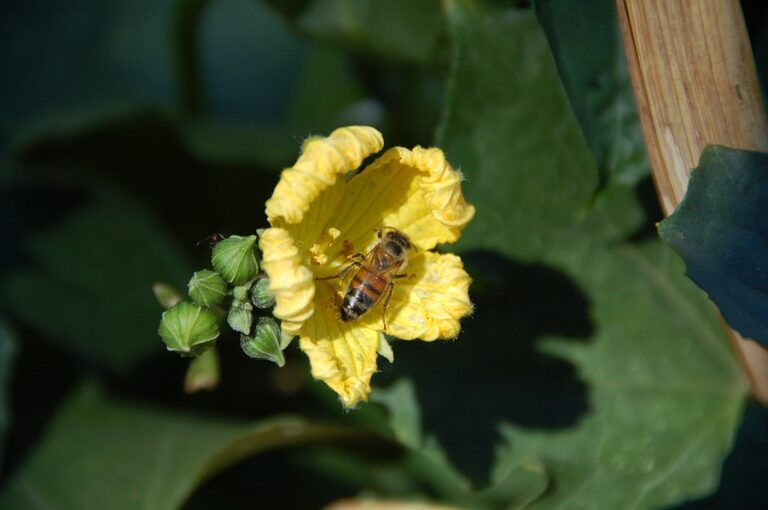
These rely much more on bees and insect activity.
2. Increase Airflow (The Hidden Pollination Engine)
Air movement is one of the most overlooked pollination tools in home gardens.
Why it matters:
- Helps release and move pollen
- Prevents flowers from staying “closed”
- Reduces humidity that interferes with pollen transfer
What I do:
- Space plants for airflow
- Avoid overcrowding foliage
- Thin dense growth when needed
👉 Still air = weak pollination.
3. Create Plant Movement (Especially for Tomatoes)
Tomatoes are self-pollinating—but they need vibration.
In nature, this comes from wind or insects.
In the garden, you can improve it:
- Gently shake flower clusters mid-morning
- Tap trellis supports lightly
- Encourage natural wind movement through spacing
👉 Movement releases pollen at the right time.
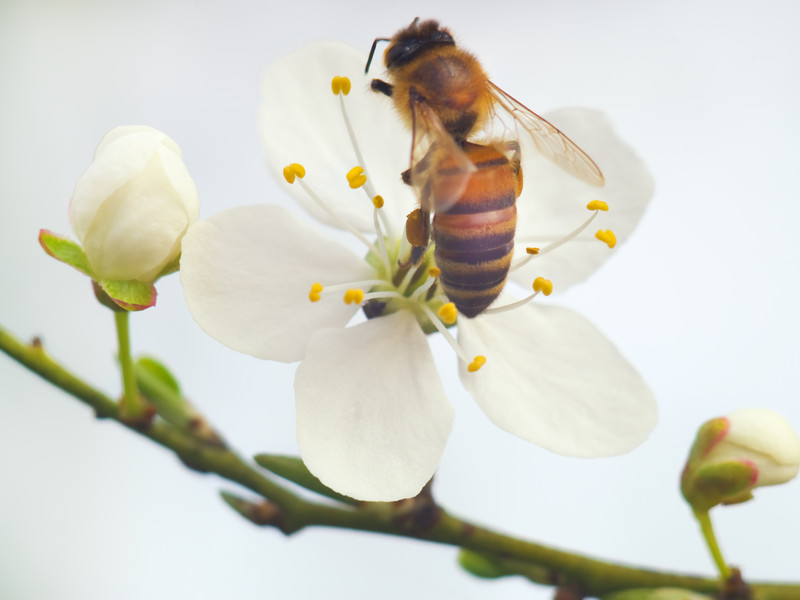
4. Support Pollinators (Bees and Beneficial Insects)
You don’t need a perfect ecosystem—just a welcoming one.
What helps:
- Flowering herbs nearby (basil, oregano, dill)
- Avoiding broad-spectrum pesticides
- Mixed planting instead of monoculture rows
What I’ve seen in practice:
More diversity in the garden = more consistent fruit set.
5. Manage Temperature Stress
Pollination is highly sensitive to temperature.
- Too cold → pollen doesn’t release well
- Too hot → pollen becomes less viable
Even if flowers look normal, fruit set may fail.
Garden response:
- Mulch to stabilize soil temperature
- Provide afternoon shade in extreme heat zones
- Avoid stressing plants during flowering periods
6. Control Water Consistency
Water stress directly affects pollination success.
- Dry soil → flowers abort or fail
- Overwatering → weak pollen production
- Fluctuating moisture → inconsistent fruit set
👉 Stable moisture = stable pollination.
7. Avoid Over-Fertilizing Nitrogen
Too much nitrogen produces:
- Excess leafy growth
- Fewer flowers
- Reduced fruit set quality
During flowering:
- Shift toward balanced nutrients
- Avoid heavy feeding spikes
👉 You want reproduction, not just foliage.
8. Time Your Garden Activity
Pollination is most effective at specific times:
- Mid-morning is ideal for most crops
- Early flowers are often the most productive
- Avoid disturbing plants during peak heat
👉 Timing matters more than intensity.
Common Signs of Poor Pollination
Watch for:
- Flowers dropping without fruit forming
- Small fruit that stops developing
- Misshapen cucumbers or squash
- Blossoms that never swell
These are early indicators—not final failures.
My Field Observation
In my experience, pollination problems rarely come from one issue.
They come from combinations of:
- Still air
- Weak insect activity
- Temperature swings
- Water inconsistency
👉 Once conditions stabilize, fruit set improves quickly.
Final Takeaway
Improving pollination is not about one fix.
It’s about creating conditions where pollen can actually move and succeed:
- Airflow
- Plant movement
- Stable moisture
- Balanced nutrients
- Active pollinators
Get those aligned, and fruit production becomes far more reliable.