Growing Vegetables Under Plastic Tunnels and Row Covers

One of the biggest misconceptions about winter gardening is that you need a greenhouse to grow vegetables through the cold months.
You don’t.
Some of the most productive winter gardens rely on simple season-extension tools such as floating row covers, low tunnels, hoop tunnels, and plastic-covered hoops. These inexpensive structures capture solar heat, reduce wind exposure, protect crops from frost, and create a more favorable growing environment without the expense of a permanent greenhouse.
Over the years, I’ve grown vegetables beneath floating row covers, plastic tunnels, and unheated greenhouses in climates ranging from snowy Iowa winters to the mild, wet winters of Northern California. One lesson has remained consistent: the simplest protection often provides the greatest return. A few degrees of added warmth can make the difference between losing a crop and harvesting fresh vegetables all winter.
Know What to Plant This Week
Every week I answer the gardener's most important question: what should I plant now? Get seasonal planting advice free — or go Pro for my full Soil Temperature Garden Report, with soil temperature, moisture, weather trends, and crop-by-crop recommendations.
The key is choosing the right type of cover for your climate and knowing when to ventilate and when to remove it.
Why Use Season Extension?
Row covers and tunnels don’t just keep plants warmer.
They create a more stable environment by reducing the effects of:
- frost
- freezing temperatures
- cold winds
- heavy rain
- hail
- rapid temperature swings
They also warm the soil earlier in autumn and spring, allowing crops to establish more quickly.
Even when winter growth slows because of shorter daylight, protected vegetables remain healthier, cleaner, and harvestable much longer than unprotected crops.
Floating Row Covers
Floating row covers are lightweight, spun-bonded fabrics laid directly over crops without a supporting frame.
The fabric “floats” on the plants as they grow.
Advantages
- easy to install
- inexpensive
- allows rain to pass through
- transmits sunlight
- provides frost protection
- excludes many insect pests
Best Crops
- lettuce
- spinach
- carrots
- beets
- kale
- Swiss chard
- Asian greens
- radishes
Temperature Gain
Expect approximately 2°F to 6°F of frost protection, depending on fabric weight.
Floating row covers work best where winters are relatively mild and temperatures only occasionally fall below freezing.
Low Tunnels
Low tunnels use wire hoops, PVC pipe, or flexible conduit to support the covering above the plants.
Instead of resting directly on crops, the cover forms a small greenhouse over the bed.
Advantages
- protects taller vegetables
- traps more warm air
- prevents fabric from rubbing leaves
- easier to ventilate
- stronger wind resistance
Low tunnels are one of the most versatile season-extension systems for home gardeners.
Hoop Tunnels
Hoop tunnels are simply larger versions of low tunnels.
They may be high enough to crawl—or even walk—inside.
Most are built using:
- PVC pipe
- galvanized electrical conduit
- metal hoops
- heavy wire supports
The larger air volume moderates temperature changes better than floating row covers.
Hoop tunnels are ideal for gardeners who want to grow vegetables continuously from autumn through spring.
Plastic-Covered Hoops
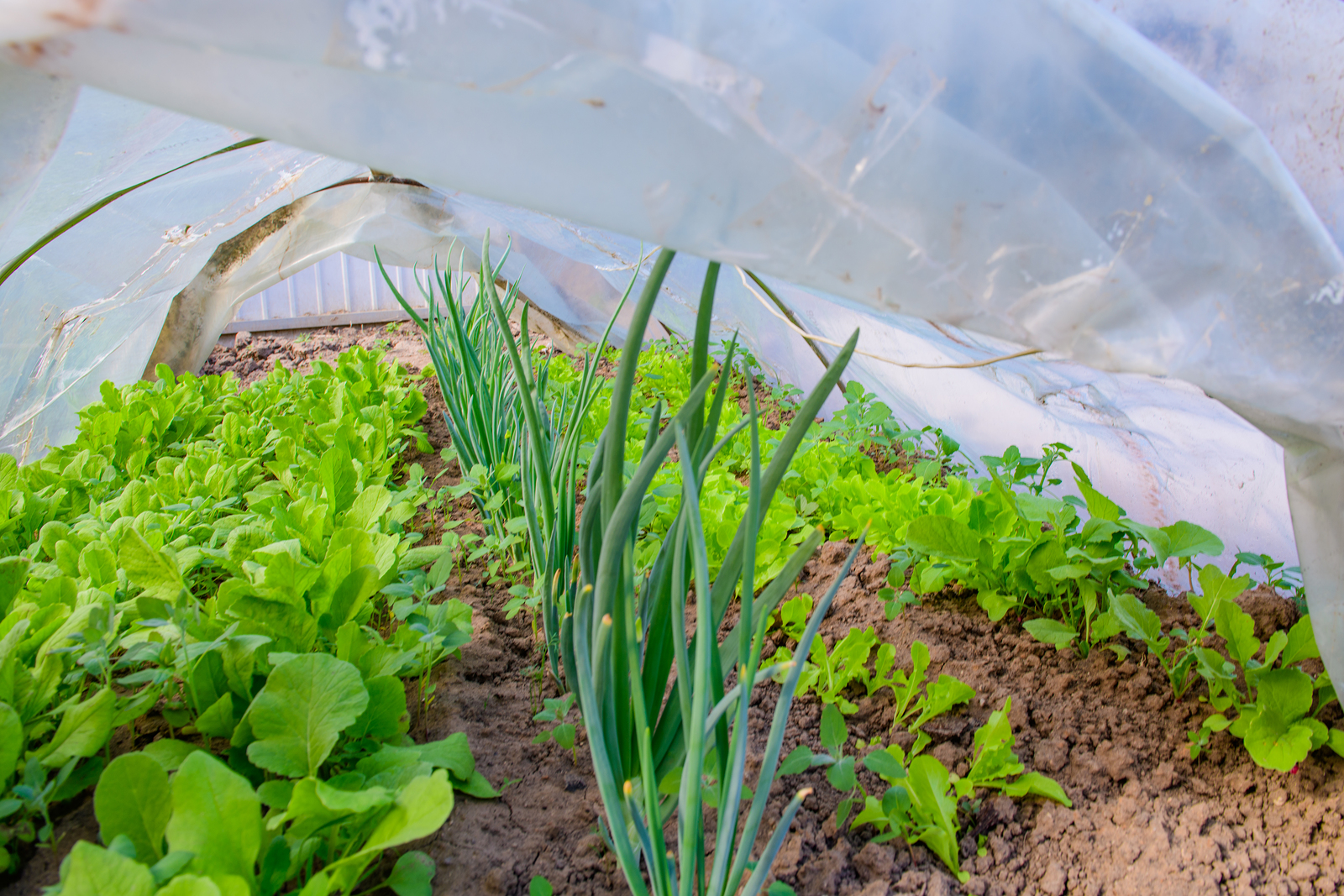
Clear polyethylene plastic traps solar heat very efficiently.
On sunny winter days, temperatures inside a plastic tunnel may rise dramatically even when outdoor temperatures remain near freezing.
Advantages
- maximum heat retention
- warms soil quickly
- excellent freeze protection
- protects crops from heavy rain
- reduces wind damage
Best Uses
- spinach
- lettuce
- carrots
- beets
- Asian greens
- parsley
- cilantro
Temperature Gain
Plastic-covered tunnels commonly increase daytime temperatures by 10°F to 30°F, depending on sunshine and outside conditions.
Nighttime protection usually ranges from 5°F to 10°F, although actual results vary with weather conditions and tunnel construction.
Fabric-Covered Hoops
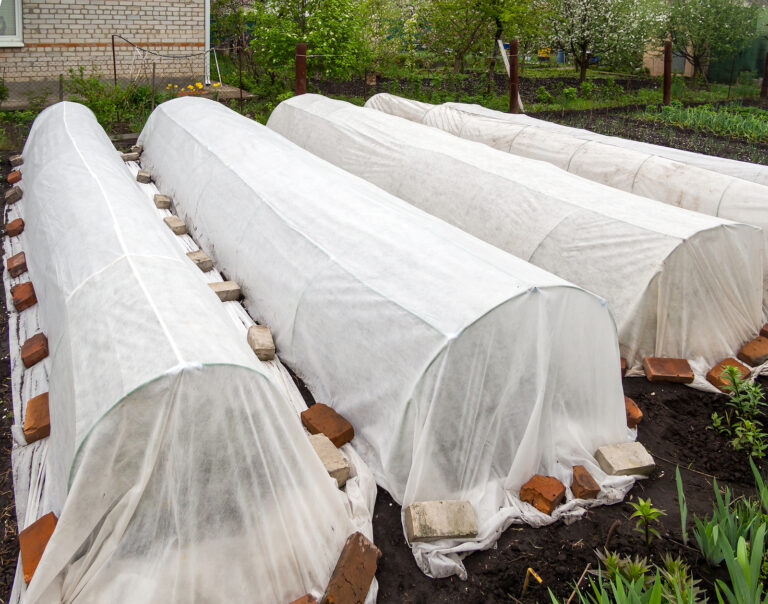
Fabric-covered hoops combine the benefits of floating row covers with the improved structure of a tunnel.
Because spun fabric breathes naturally, humidity remains lower than beneath plastic.
Advantages
- less overheating
- excellent ventilation
- reduced condensation
- easier management
- fewer fungal diseases
Fabric tunnels are often the better choice in regions with fluctuating winter temperatures.
Comparing Winter Protection Systems
| Protection Method | Frost Protection | Ventilation | Rain Penetration | Best Use |
|---|---|---|---|---|
| Floating row cover | Light | Excellent | Yes | Mild winters |
| Fabric hoop tunnel | Moderate | Very good | Yes | Most winter gardens |
| Plastic low tunnel | High | Required | No | Cold weather |
| Plastic hoop tunnel | Highest | Essential | No | Long-term season extension |
How Much Warmer Are Tunnels?
The amount of protection depends on:
- sunlight
- wind
- cloud cover
- snow cover
- tunnel size
- soil moisture
- fabric thickness
Typical temperature increases include:
| Cover Type | Approximate Temperature Gain |
|---|---|
| Lightweight floating row cover | 2°F–4°F |
| Heavy row cover | 4°F–6°F |
| Fabric hoop tunnel | 4°F–8°F |
| Plastic low tunnel | 8°F–15°F |
| Plastic hoop tunnel on sunny days | 10°F–30°F daytime warming |
Remember that protecting soil temperatures is often more important than warming the air. Healthy roots continue supporting vegetables even when leaves experience light frosts.
When Should You Vent Plastic Tunnels?
Ventilation is one of the most important—and most overlooked—parts of winter gardening.
Even on cool days, temperatures inside plastic tunnels may climb above 80°F when the sun shines.
Excessive heat can cause:
- wilting
- excessive humidity
- fungal diseases
- weak growth
- premature bolting
Open tunnels whenever:
- daytime temperatures exceed 45°F to 50°F and sunshine is strong
- condensation becomes heavy
- humidity remains high for several days
Vent by lifting one side of the plastic or opening tunnel ends.
Close the tunnel again before late afternoon so warmth remains trapped overnight.
When Should You Remove Covers?
Temporary protection works best when used only as long as needed.
Remove or open covers when:
- freezing weather has passed
- daytime temperatures become consistently warm
- plants begin touching plastic
- crops require insect pollination
- extended cloudy weather causes excess humidity
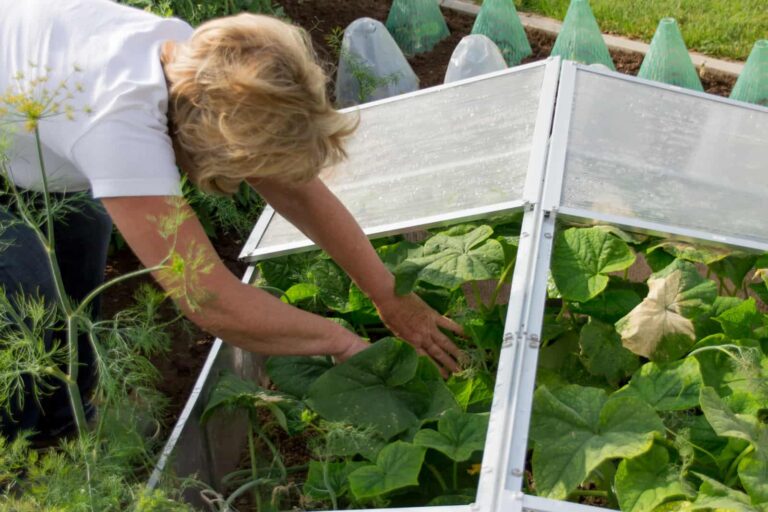
For crops such as squash, cucumbers, pumpkins, and melons, remove row covers once flowering begins so bees and other pollinators can reach the blossoms.
Cool-season vegetables grown for leaves usually remain covered throughout much of winter.
Combining Raised Beds and Tunnels
Raised beds and tunnels are natural partners.
Raised beds:
- warm earlier
- drain better
- support sturdy hoop frames
- simplify irrigation
- improve root development
Adding hoops directly to raised beds creates a compact protected environment that’s easy to manage and inexpensive to build.
Many gardeners install permanent conduit sleeves on raised beds so hoops can be inserted or removed in minutes as seasons change.
Best Vegetables for Tunnel Growing
Many cool-season vegetables thrive beneath winter protection.
Excellent choices include:
Leafy Greens
- spinach
- lettuce
- kale
- Swiss chard
- arugula
- mizuna
- tatsoi
- mâche
- claytonia
Root Crops
- carrots
- beets
- radishes
- turnips
- parsnips
Alliums
- scallions
- leeks
- overwintering onions
These crops tolerate cool temperatures while benefiting from the added protection tunnels provide.
Common Mistakes to Avoid
Avoid these frequent problems:
- sealing plastic tunnels too tightly
- forgetting to ventilate on sunny days
- allowing plastic to touch foliage
- leaving tunnels closed during warm weather
- installing covers too late after freezing weather arrives
- removing protection too early in spring
Successful season extension depends on careful observation more than expensive equipment.
Frequently Asked Questions
Are plastic tunnels better than floating row covers?
It depends on your climate. Floating row covers are ideal for mild winters and light frosts. Plastic tunnels provide greater warmth and better protection during prolonged cold weather but require regular ventilation.
Can vegetables freeze inside tunnels?
Yes. During severe cold, temperatures inside tunnels eventually approach outside temperatures. Covers slow heat loss but do not completely prevent freezing.
Should tunnels remain closed all winter?
No. Plastic tunnels should be ventilated on sunny days whenever temperatures rise enough to cause overheating or excessive humidity.
Can I water through row covers?
Water easily passes through floating fabric row covers. Plastic-covered tunnels usually require drip irrigation, a soaker hose, or temporarily lifting the plastic to water.
Final Thoughts
Plastic tunnels and row covers are among the most effective tools for extending the vegetable gardening season. Whether you choose a simple floating row cover or a sturdy hoop tunnel covered with plastic, each system helps protect crops from frost, wind, and freezing temperatures while creating a warmer, more stable growing environment.
Choose the protection that matches your climate, monitor temperatures closely, ventilate whenever the sun warms the tunnel, and remove or open covers when conditions improve. Combined with healthy soil, raised beds, and timely planting, these simple structures can keep spinach, lettuce, kale, carrots, and many other cool-season vegetables producing long after the first frost.
Winter Vegetable Gardening Learning Center
Winter Gardening Fundamentals
- Winter Gardening Basics: Understanding the 10-Hour Daylight Rule
- Winter Harvest Calendar: What to Plant and When
- Month-by-Month Winter Garden Care Guide (October Through February)
Garden Design & Season Extension
- How to Build a Winter Vegetable Garden with Raised Beds
- Growing Vegetables Under Plastic Tunnels and Row Covers
- Winter Greenhouse Gardening: What You Need for an Unheated Greenhouse
Crop Selection
Garden Care
- Winter Vegetable Garden Care: Watering, Feeding, Ventilation, and Moisture Management
- Winter Vegetable Problems and How to Prevent Them
Planning & Timing
Winter Garden & Season Extension Learning Hub
Foundation and Planning
- Winter Garden Prep Tips: How to Prepare Your Garden
- Winter Garden Care Tips
- Winter Garden Layout & Bed Design
- Building Soil Health for Winter
- Soil Amendments for Winter Gardening
- Watering Vegetables in Mild Winter Climates (Zones 8-10): How to Keep Beds Productive Without Waterlogging
- Mulching for Winter Gardens
- Using Thermal Mass in Winter Gardening
- Ventilation Techniques for Tunnels and Cold Frames
- Frost Protection Strategies in the Garden
Vegetable Garden Planning and Planting
- Vegetables You Can Grow in Winter: What to Plant, When to Harvest, and How to Protect Your Crops
- When to Plant Spinach for Spring, Fall, and Winter
- When to Plant Rutabaga for Fall and Winter Harvest
- Winter Tunnel Planting Calendar: What to Grow and When for Winter Harvests (Zones 5–8)
- How to Grow Winter Vegetables Under Low Tunnels or Cold Frames (Zones 5–8)
- How to Build a Winter Tunnel and Grow Vegetables All Winter Long
- When to Use Low Tunnels, Cold Frames, and Caterpillar Tunnels in the Vegetable Garden
- Vegetable Garden Cold Frames
- How to Make a Cold Frame
- Cold Frame Buyer’s Guide
- Hoop Tunnel Buyer’s Guide
- Row Cover Buyer’s Guide
- Cloche and Hot Cap Buyer’s Guide
- Plastic Tunnels for Growing Vegetables
- Row Covers Plant Protection
- Cloche to Protect Plants
- Cloches and Hot Caps
Crop Management
- Succession Planting in Winter
- Companion Planting for Winter Crops
- Overwintering Perennials and Herbs
- Harvesting Tips for Winter Vegetables
- Watering and Irrigation in Winter
- Cool-Season Vegetable Varieties
- How to Grow a Fall Vegetable Garden
- Vegetables for Fall Harvest
Pest, Disease, and Stress Management
- Winter Garden Pest Management
- Disease Prevention in Low Light Winter Gardens
- Signs of Plant Stress in Winter
Season Extension and Reference
- Vegetable Garden Season Extension
- First and Last Frost Date and Vegetable Garden Growing Season
- Extending the Season: How To Get More Growing Time
- First and Last Frost Dates and the Garden Growing Season
- USDA Plant Hardiness Zone Map
- Vegetable Garden Plant Hardiness
Overwintering the Fruit Garden
- Preparing Fruit Trees for Winter: Mulching, Pruning, and Protection
- Protecting Young and Newly Planted Fruit Trees During Their First Winter
- Overwintering Brambles: Raspberries, Blackberries, and Loganberries
- How to Identify Summer-Bearing, Ever-Bearing, and Primocane Brambles
- Using Frost Cloths, Row Covers, and Shelters to Protect Fruit Plants
- Winter Care for Strawberry Beds: Mulching, Watering, and Renovation
- Overwintering Blueberries, Cranberries, and Other Small Fruits
- Protecting Citrus Trees in Cold and Mild Zones
- Emergency Freeze Care for Citrus Trees
- Winter Watering and Soil Care for Fruit Trees and Shrubs
- Preventing Winter Damage: Dealing With Snow, Ice, and Rodents in Fruit Gardens
- Saving Fruit Tree Buds and Flowers for Spring: Pruning and Winter Observation
Overwintering the Flower Garden
- How to Protect Perennials Through Winter: Mulching, Cutting Back, and Care
- Overwintering Tender Perennials: Lifting, Storing, and Restarting in Spring
- How to Prepare Flower Beds for Freezing Weather
- Overwintering Annuals: Which Flowers Survive and How to Help Them
- How to Use Frost Cloths, Row Covers, and Cloches to Protect Flower Beds
- Winter Care for Bulbs: Tulips, Daffodils, Hyacinths, and More
- How to Overwinter Dahlias, Cannas, and Gladiolus (Corms, Tubers, and Rhizomes)
- Pruning and Cleaning Up the Flower Garden Before Winter
- How to Save Seeds From Flowers Before Winter Arrives
- How and When to Divide Perennials in Fall for Spring Renewal
Overwintering Shrubs & Trees
- How to Prepare Shrubs and Trees for Winter: A Complete Guide
- How to Protect Young Trees From Frost, Freeze, and Sunscald
- Winter Watering Guide for Shrubs and Trees
- How to Mulch Shrubs and Trees for Winter Protection
- How to Use Tree Wraps, Guards, and Shields for Cold Protection
- Pruning Shrubs and Trees Before Winter: What to Cut and What to Leave
- How to Overwinter Container-Grown Shrubs and Trees
- Protecting Evergreen Shrubs From Winter Burn
- How to Help Newly Planted Shrubs and Trees Survive Their First Winter
- How to Manage Snow and Ice on Shrubs and Trees Without Causing Damage
How to Use This Hub
This hub is designed to be your step-by-step guide to successful winter gardening and season extension. Start with the foundational topics—bed prep, soil building, mulching, and layout—to set your garden up for success before cold weather arrives. Then explore the crop guides, protection strategies, and month-by-month calendars to plan what to plant, when to plant it, and how to keep it thriving through frost, rain, and short days. Each section links to deeper posts so you can follow your curiosity or quickly find the information you need. Whether you’re prepping a fall garden, managing crops through winter, or looking ahead to early spring harvests, use this hub as a practical reference you can return to all season long.
My Experience: Why This Hub Exists
This hub grows out of a lifetime of year-round gardening—first in the mild but unpredictable winters of Sonoma Valley, and earlier in the deep-freeze winters of Iowa’s Zone 5. I’ve spent more than 30 years testing methods that keep vegetables growing through cold nights, short days, and wet soil. Over time, I’ve refined techniques that work in raised beds, mounded beds, and containers, always guided by the NEW method—Narrow bed, Equidistant planting, Wide rows—and by a commitment to simple, regenerative practices. This hub exists to share what I wish I’d known when I started: that with the right planning and protection, a winter garden can be incredibly productive, resilient, and enjoyable. My goal is to help you avoid guesswork, build confidence, and grow food through every season.