How to Prepare Flower Beds for Freezing Weather

Freezing weather affects flower beds in every climate zone—just in different ways. In mild-winter areas like Sonoma Valley, cold snaps bring frost, saturated soil, and occasional ice. In colder regions like Iowa Zone 5, deep freezes, long-lasting snow, and repeated freeze-thaw cycles can damage roots and heave plants out of the soil. After gardening in both climates, I’ve found that preparing flower beds for freezing weather comes down to insulation, protection, and smart timing. These steps help annuals finish strong and perennials, shrubs, and bulbs come through winter ready for spring.
1. Clean Up the Beds Before Freezing Weather
A clean bed is easier to protect and less prone to winter disease.
- Remove spent annuals and diseased foliage.
- Cut back most herbaceous perennials once frost blackens them (leave those that provide winter interest).
- Clear debris where slugs, snails, and rodents might shelter.
In cold zones, this cleanup also prevents disease from overwintering under snow.
2. Add Mulch for Root and Soil Protection
Mulch is the best winter protection for flower beds in every zone.
Know What to Plant This Week
Every week I answer the gardener's most important question: what should I plant now? Get seasonal planting advice free — or go Pro for my full Soil Temperature Garden Report, with soil temperature, moisture, weather trends, and crop-by-crop recommendations.
Warm-Winter Zones (Zones 8–10)
- Apply 2–3 inches of compost, bark fines, or shredded leaves.
- Mulch stabilizes soil temperature during cold snaps and reduces heavy winter rainfall impact.
Cold-Winter Zones (Zones 3–7)
- Apply 4–6 inches of insulating mulch after the ground begins to freeze.
- Use shredded leaves, straw, or pine needles to protect roots and prevent frost heave.
Mulch also helps snow act as a natural insulating layer in cold climates.
3. Protect Tender and Borderline Plants
Warm Zones (7–10)
- Cover tender perennials and annuals with frost cloth when freezing nights are forecast.
- Water beds a day before a hard freeze—moist soil holds heat longer.
- Add extra mulch around borderline-hardy plants (geraniums, salvias, cannas).
Cold Zones (3–6)
- Lift truly tender bulbs and tubers such as dahlias, cannas, and caladiums.
- Protect borderline perennials with heavy mulch or a breathable cover.
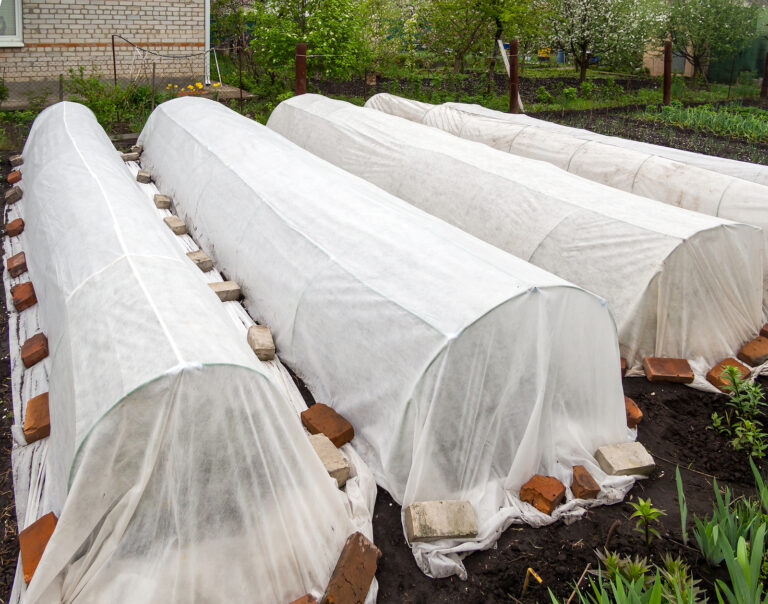
- Use low tunnels or simple hoops with frost cloth for high-value or newly planted flowers.
4. Improve Soil Drainage Before Winter
Both mild and cold winters damage plants in poorly drained soil.
Warm Zones
Heavy winter rains can drown plants:
- Add compost to improve drainage.
- Create mounded beds for sensitive perennials.
Cold Zones
Frozen, saturated soil kills roots:
- Make sure beds shed water before they freeze.
- Avoid walking on wet soil to prevent compaction.
Better drainage helps beds freeze and thaw more evenly.
5. Support and Secure Tall or Brittle Plants
Freezing rain, gusty winds, and snow can snap stems.
What to Do
- Stake tall perennials before storms.
- Tie floppy plants into loose bundles.
- Protect fragile stems with simple supports.
This is especially important for chrysanthemums, salvias, and tall ornamental grasses.
6. Cover Beds During Extreme Cold Events
Temporary covers give both warm and cold zones added protection.
Warm Zones
Use frost cloth or light sheets during:
- Hard freezes
- Cold east winds
- Clear, freezing nights
Cold Zones
Use breathable covers to protect:
- Newly planted fall perennials
- Hardy annuals
- First-year shrubs or perennials
Keep covers off foliage using hoops or stakes to prevent freeze-burn.
7. Prepare Containers in Flower Beds
Containers freeze faster than in-ground soil.
Warm Zones
- Move containers to walls, porches, or sheltered corners.
- Wrap pots if a deep freeze is forecast.
Cold Zones
- Bury pots in the ground or mulch heavily around them.
- Move containers to unheated garages or sheds when possible.
8. Final Check Before Freezing Weather Arrives
- Mulch applied?
- Tender plants protected?
- Irrigation shut off for freeze protection (in cold zones)?
- Covers and cloth ready to use?
A quick walkthrough prevents winter surprises.
Conclusion
Preparing flower beds for freezing weather is less about complicated tasks and more about timely protection. Whether you garden in a mild climate with occasional frost or in a cold zone with deep freezes and snow, mulching, cleaning up, improving drainage, and shielding tender plants will keep your beds healthy through winter. With thoughtful preparation, your flowers will return strong and ready to grow when spring arrives.