Winter Vegetable Garden Care: Watering, Feeding, Ventilation, and Moisture Management

Growing vegetables through winter is different from growing them during spring and summer.
Cool temperatures, shorter days, and slower plant growth mean your winter garden requires less water and fertilizer, but more attention to soil moisture, air circulation, and humidity. In fact, many winter crop failures aren’t caused by freezing temperatures—they’re caused by overwatering, poor ventilation, or excess humidity that encourages disease.
After growing vegetables through cold Iowa winters and the cool, rainy winters of Northern California, I’ve learned that successful winter gardening is often about restraint. Plants grow more slowly, use less water, and require fewer nutrients than they do during the warmer months. The gardener’s job shifts from encouraging rapid growth to maintaining healthy, steady growing conditions.
By adjusting your watering, fertilizing, and ventilation practices to match the season, you can keep spinach, lettuce, kale, carrots, and other cool-season crops productive throughout winter.
Know What to Plant This Week
Every week I answer the gardener's most important question: what should I plant now? Get seasonal planting advice free — or go Pro for my full Soil Temperature Garden Report, with soil temperature, moisture, weather trends, and crop-by-crop recommendations.
Winter Plants Need Less Water
One of the biggest mistakes gardeners make is watering winter vegetables as often as they watered them in summer.
During winter:
- temperatures are lower
- evaporation slows
- plants grow more slowly
- shorter days reduce water use
As a result, vegetables simply don’t need as much moisture.
Rather than watering on a schedule, let the soil determine when it’s time to irrigate.
Check Soil Moisture Before Watering
Healthy winter gardens begin below ground.
Before watering, check the soil moisture around the roots.
The simplest method is the finger test.
Insert your finger 2 to 3 inches into the soil.
- If the soil feels cool and moist, wait another day or two.
- If it feels dry at root depth, it’s time to water.
For greater accuracy, use a soil moisture meter or monitor soil moisture with a sensor if you have one installed.
The goal is consistently moist soil—not wet soil.
Healthy roots need both water and oxygen.
Water Deeply—but Less Frequently
When winter vegetables need water, water thoroughly.
Deep watering encourages roots to grow farther into the soil, where temperatures fluctuate less and moisture remains more consistent.
Avoid frequent, shallow watering.
Shallow irrigation encourages shallow roots that are more vulnerable to cold weather and drying winds.
Instead:
- water slowly
- soak the root zone 6 to 8 inches deep
- allow excess moisture to drain naturally
- wait until the soil begins drying before watering again
Deep, infrequent watering produces stronger plants throughout winter.
Water Before a Freeze
One of the best times to irrigate is before a hard freeze is expected.
Moist soil stores more heat than dry soil.
That stored heat is slowly released overnight, helping moderate root-zone temperatures.
Water one or two days before freezing weather arrives so excess water has time to drain while the soil remains evenly moist.
Avoid watering immediately before temperatures fall below freezing, especially if standing water is likely to remain around plants.
Avoid Waterlogged Soil
Excess water is often more damaging than cold weather.
When soil remains saturated:
- roots receive less oxygen
- nutrient uptake slows
- root diseases become more common
- plant growth declines
- leaves yellow
- vegetables become more susceptible to fungal problems
Raised beds are especially valuable during winter because they improve drainage after heavy rains.
If water stands in the garden for more than 24 hours after a storm, improve drainage before planting the next crop.
Remember:
Winter vegetables prefer moist soil—not soggy soil.
Fertilize Lightly During Winter
Because vegetables grow slowly during winter, they require fewer nutrients than during spring and summer.
Heavy fertilization encourages soft, tender growth that’s more susceptible to cold injury and disease.
Instead, begin the season by incorporating 2 to 3 inches of finished compost into the bed before planting.
If additional feeding is needed, use a light application of a balanced organic fertilizer once plants are established.
Leafy vegetables such as spinach, kale, and lettuce may benefit from a modest feeding during late winter as daylight increases and active growth resumes.
For most gardens, healthy soil enriched with compost provides sufficient nutrition throughout the slow-growing months.
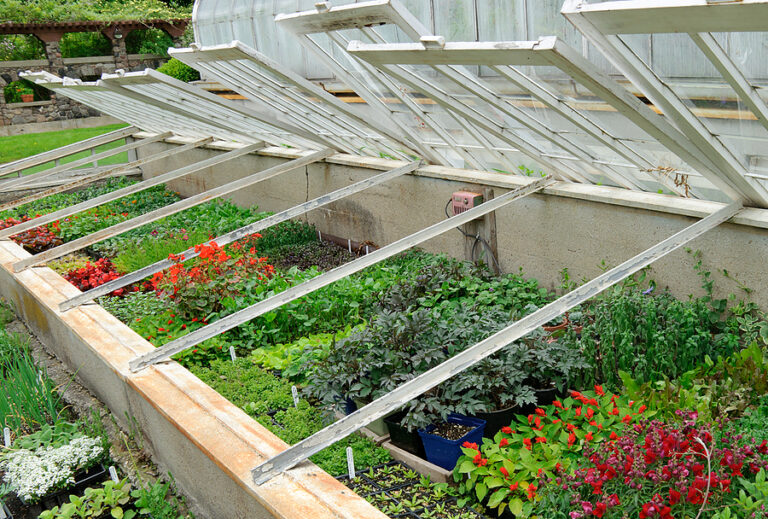
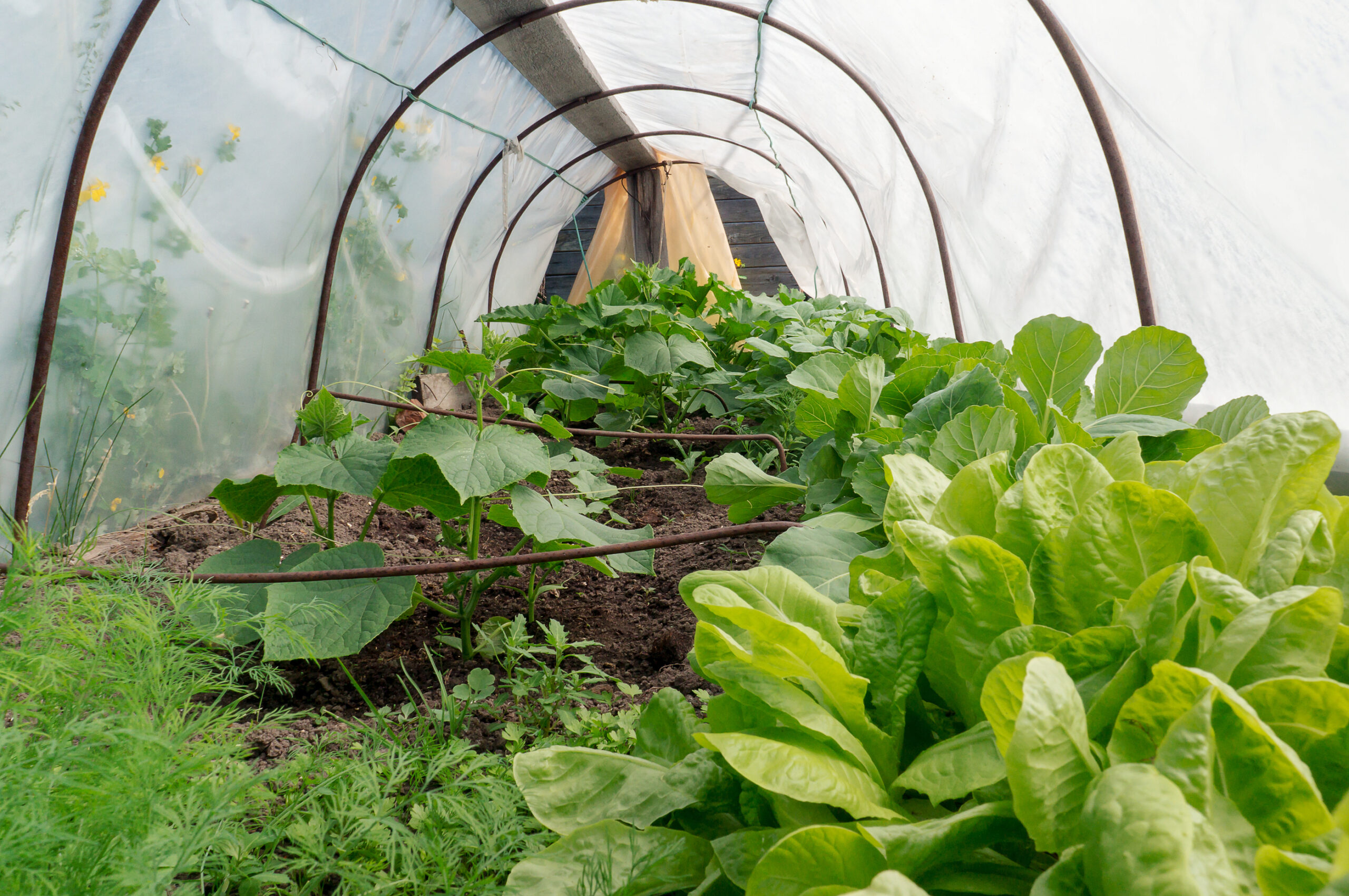
Ventilate Tunnels and Greenhouses on Sunny Days
One of the biggest surprises in winter gardening is how quickly protected structures warm in the sun.
Even when outdoor temperatures remain near freezing, temperatures inside a greenhouse or plastic tunnel may climb above 80°F.
Without ventilation, excessive heat and humidity can stress plants and create ideal conditions for disease.
Whenever sunshine causes temperatures to rise significantly:
- open tunnel ends
- lift one side of plastic covers
- open greenhouse doors
- open roof vents if available
Close the structure again in late afternoon to capture warmth for the coming night.
Good ventilation keeps temperatures more stable and plants healthier.
Prevent Fungal Diseases with Good Airflow
Cool temperatures combined with damp leaves create ideal conditions for fungal diseases.
Common winter problems include:
- gray mold (Botrytis)
- powdery mildew
- leaf spot diseases
- damping off in seedlings
Reduce disease pressure by:
- spacing plants properly
- removing dead or yellowing leaves
- watering the soil instead of wetting foliage
- improving air circulation
- ventilating whenever weather allows
A healthy winter garden is one where leaves dry quickly after watering or condensation.
Manage Humidity Inside Protected Structures
Humidity often causes more problems than cold.
Plastic tunnels and greenhouses naturally trap moisture released by plants and the soil.
High humidity encourages fungal diseases and increases condensation on leaves.
To reduce humidity:
- ventilate on sunny days
- avoid overwatering
- water early in the day
- allow leaves to dry before evening
- provide gentle air movement with fans in greenhouses
- avoid overcrowding plants
Maintaining balanced humidity is one of the simplest ways to improve winter crop health.
Winter Care Checklist
Each week, check these essential tasks:
✓ Test soil moisture before watering.
✓ Water deeply only when necessary.
✓ Irrigate before expected freezes.
✓ Watch for standing water after heavy rain.
✓ Ventilate tunnels and greenhouses on sunny afternoons.
✓ Remove yellow or damaged leaves.
✓ Feed lightly only if plants show signs of nutrient deficiency or begin vigorous late-winter growth.
✓ Monitor for condensation and excess humidity.
These small weekly tasks prevent many of the problems that shorten the winter harvest season.
Common Winter Care Mistakes
Avoid these common errors:
- watering on a fixed schedule
- allowing soil to remain saturated
- overfertilizing slow-growing plants
- forgetting to ventilate greenhouses
- watering late in the day
- overcrowding crops
- ignoring condensation inside tunnels
Winter gardening succeeds through careful observation rather than frequent intervention.
Frequently Asked Questions
Should winter vegetables be watered every week?
Not necessarily. Water only when the root zone begins to dry. Cool temperatures and slower growth mean irrigation is usually needed less often than in summer.
Is compost enough fertilizer for winter vegetables?
In many gardens, yes. Compost provides slow, steady nutrition that supports healthy winter growth. Additional fertilizer is usually needed only if plants show nutrient deficiencies or begin rapid growth in late winter.
Why should I open my greenhouse on cold days?
Even when outdoor temperatures are cool, sunshine can quickly overheat an enclosed greenhouse or tunnel. Ventilation prevents heat stress, reduces humidity, and helps control fungal diseases.
How can I tell if my soil is too wet?
If water remains standing after rain, the soil feels sticky rather than crumbly, or plants begin yellowing despite cool weather, drainage is probably inadequate.
Final Thoughts
Winter vegetable gardening rewards gardeners who adapt their care to the season. Instead of frequent watering and heavy feeding, focus on maintaining evenly moist soil, improving drainage, providing light nutrition, and ensuring good airflow. Healthy roots, balanced moisture, and proper ventilation are the foundation of productive winter gardens.
Remember that the healthiest winter vegetables grow in conditions that are cool, moist, and well-ventilated—not cold, wet, and stagnant. By checking soil moisture before watering, avoiding saturated soil, opening tunnels and greenhouses on sunny days, and managing humidity carefully, you’ll create an environment where cool-season crops can thrive from autumn through early spring.
Winter Vegetable Gardening Learning Center
Winter Gardening Fundamentals
- Winter Gardening Basics: Understanding the 10-Hour Daylight Rule
- Winter Harvest Calendar: What to Plant and When
- Month-by-Month Winter Garden Care Guide (October Through February)
Garden Design & Season Extension
- How to Build a Winter Vegetable Garden with Raised Beds
- Growing Vegetables Under Plastic Tunnels and Row Covers
- Winter Greenhouse Gardening: What You Need for an Unheated Greenhouse
Crop Selection
Garden Care
- Winter Vegetable Garden Care: Watering, Feeding, Ventilation, and Moisture Management
- Winter Vegetable Problems and How to Prevent Them
Planning & Timing
Winter Garden & Season Extension Learning Hub
Foundation and Planning
- Winter Garden Prep Tips: How to Prepare Your Garden
- Winter Garden Care Tips
- Winter Garden Layout & Bed Design
- Building Soil Health for Winter
- Soil Amendments for Winter Gardening
- Watering Vegetables in Mild Winter Climates (Zones 8-10): How to Keep Beds Productive Without Waterlogging
- Mulching for Winter Gardens
- Using Thermal Mass in Winter Gardening
- Ventilation Techniques for Tunnels and Cold Frames
- Frost Protection Strategies in the Garden
Vegetable Garden Planning and Planting
- Vegetables You Can Grow in Winter: What to Plant, When to Harvest, and How to Protect Your Crops
- When to Plant Spinach for Spring, Fall, and Winter
- When to Plant Rutabaga for Fall and Winter Harvest
- Winter Tunnel Planting Calendar: What to Grow and When for Winter Harvests (Zones 5–8)
- How to Grow Winter Vegetables Under Low Tunnels or Cold Frames (Zones 5–8)
- How to Build a Winter Tunnel and Grow Vegetables All Winter Long
- When to Use Low Tunnels, Cold Frames, and Caterpillar Tunnels in the Vegetable Garden
- Vegetable Garden Cold Frames
- How to Make a Cold Frame
- Cold Frame Buyer’s Guide
- Hoop Tunnel Buyer’s Guide
- Row Cover Buyer’s Guide
- Cloche and Hot Cap Buyer’s Guide
- Plastic Tunnels for Growing Vegetables
- Row Covers Plant Protection
- Cloche to Protect Plants
- Cloches and Hot Caps
Crop Management
- Succession Planting in Winter
- Companion Planting for Winter Crops
- Overwintering Perennials and Herbs
- Harvesting Tips for Winter Vegetables
- Watering and Irrigation in Winter
- Cool-Season Vegetable Varieties
- How to Grow a Fall Vegetable Garden
- Vegetables for Fall Harvest
Pest, Disease, and Stress Management
- Winter Garden Pest Management
- Disease Prevention in Low Light Winter Gardens
- Signs of Plant Stress in Winter
Season Extension and Reference
- Vegetable Garden Season Extension
- First and Last Frost Date and Vegetable Garden Growing Season
- Extending the Season: How To Get More Growing Time
- First and Last Frost Dates and the Garden Growing Season
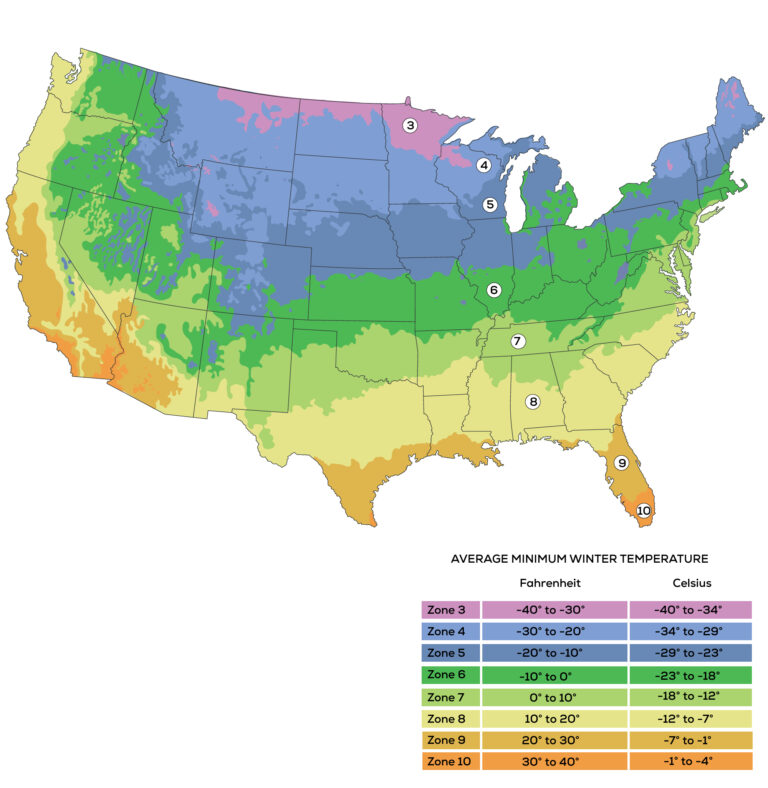
- USDA Plant Hardiness Zone Map
- Vegetable Garden Plant Hardiness
Overwintering the Fruit Garden
- Preparing Fruit Trees for Winter: Mulching, Pruning, and Protection
- Protecting Young and Newly Planted Fruit Trees During Their First Winter
- Overwintering Brambles: Raspberries, Blackberries, and Loganberries
- How to Identify Summer-Bearing, Ever-Bearing, and Primocane Brambles
- Using Frost Cloths, Row Covers, and Shelters to Protect Fruit Plants
- Winter Care for Strawberry Beds: Mulching, Watering, and Renovation
- Overwintering Blueberries, Cranberries, and Other Small Fruits
- Protecting Citrus Trees in Cold and Mild Zones
- Emergency Freeze Care for Citrus Trees
- Winter Watering and Soil Care for Fruit Trees and Shrubs
- Preventing Winter Damage: Dealing With Snow, Ice, and Rodents in Fruit Gardens
- Saving Fruit Tree Buds and Flowers for Spring: Pruning and Winter Observation
Overwintering the Flower Garden
- How to Protect Perennials Through Winter: Mulching, Cutting Back, and Care
- Overwintering Tender Perennials: Lifting, Storing, and Restarting in Spring
- How to Prepare Flower Beds for Freezing Weather
- Overwintering Annuals: Which Flowers Survive and How to Help Them
- How to Use Frost Cloths, Row Covers, and Cloches to Protect Flower Beds
- Winter Care for Bulbs: Tulips, Daffodils, Hyacinths, and More
- How to Overwinter Dahlias, Cannas, and Gladiolus (Corms, Tubers, and Rhizomes)
- Pruning and Cleaning Up the Flower Garden Before Winter
- How to Save Seeds From Flowers Before Winter Arrives
- How and When to Divide Perennials in Fall for Spring Renewal
Overwintering Shrubs & Trees
- How to Prepare Shrubs and Trees for Winter: A Complete Guide
- How to Protect Young Trees From Frost, Freeze, and Sunscald
- Winter Watering Guide for Shrubs and Trees
- How to Mulch Shrubs and Trees for Winter Protection
- How to Use Tree Wraps, Guards, and Shields for Cold Protection
- Pruning Shrubs and Trees Before Winter: What to Cut and What to Leave
- How to Overwinter Container-Grown Shrubs and Trees
- Protecting Evergreen Shrubs From Winter Burn
- How to Help Newly Planted Shrubs and Trees Survive Their First Winter
- How to Manage Snow and Ice on Shrubs and Trees Without Causing Damage
How to Use This Hub
This hub is designed to be your step-by-step guide to successful winter gardening and season extension. Start with the foundational topics—bed prep, soil building, mulching, and layout—to set your garden up for success before cold weather arrives. Then explore the crop guides, protection strategies, and month-by-month calendars to plan what to plant, when to plant it, and how to keep it thriving through frost, rain, and short days. Each section links to deeper posts so you can follow your curiosity or quickly find the information you need. Whether you’re prepping a fall garden, managing crops through winter, or looking ahead to early spring harvests, use this hub as a practical reference you can return to all season long.
My Experience: Why This Hub Exists
This hub grows out of a lifetime of year-round gardening—first in the mild but unpredictable winters of Sonoma Valley, and earlier in the deep-freeze winters of Iowa’s Zone 5. I’ve spent more than 30 years testing methods that keep vegetables growing through cold nights, short days, and wet soil. Over time, I’ve refined techniques that work in raised beds, mounded beds, and containers, always guided by the NEW method—Narrow bed, Equidistant planting, Wide rows—and by a commitment to simple, regenerative practices. This hub exists to share what I wish I’d known when I started: that with the right planning and protection, a winter garden can be incredibly productive, resilient, and enjoyable. My goal is to help you avoid guesswork, build confidence, and grow food through every season.