
Winter Gardening Basics: Understanding the 10-Hour Daylight Rule

Growing vegetables through winter isn’t simply a matter of protecting plants from cold temperatures. The real secret to successful winter gardening is understanding the relationship between daylight, soil temperature, and plant growth.
Many gardeners are surprised to discover that vegetables often stop growing long before winter’s coldest weather arrives. Even inside an unheated greenhouse or beneath a plastic tunnel, crops may seem to “stand still” for weeks. The reason isn’t usually temperature—it’s the length of the day.
Once you understand the 10-hour daylight rule, you can plan your planting schedule so your garden continues supplying fresh vegetables throughout winter.
The Three Factors That Control Winter Vegetable Growth
Winter vegetable production depends on three environmental factors working together:
Know What to Plant This Week
Every week I answer the gardener's most important question: what should I plant now? Get seasonal planting advice free — or go Pro for my full Soil Temperature Garden Report, with soil temperature, moisture, weather trends, and crop-by-crop recommendations.
- Daylight: The amount of sunlight available each day.
- Temperature: Air and soil temperatures that allow plants to grow.
- Protection: Greenhouses, cold frames, row covers, and plastic tunnels that shield crops from freezing temperatures.
Many gardeners focus only on frost protection. In reality, daylight often becomes the limiting factor.
Why Vegetables Stop Growing
Plants use sunlight to produce the energy they need for new leaves, roots, and stems through photosynthesis.
As autumn progresses:
- Days become shorter.
- The sun sits lower in the sky.
- Light intensity decreases.
- Photosynthesis slows.
When day length falls below about 10 hours, many cool-season vegetables can no longer produce enough energy for active growth. Even if temperatures remain favorable inside a greenhouse, plants often stop producing new leaves.
This phenomenon is sometimes called the winter pause.
The plants are alive.
They’re simply waiting for longer days.
Understanding “Holding” Versus Growing
One of the most important concepts in winter gardening is the difference between growing and holding.
Growing
Plants continue producing new leaves, roots, and harvestable crops.
Examples include:
- spinach enlarging
- lettuce forming larger heads
- carrots increasing root size
- kale producing new leaves
Holding
Plants remain healthy but make little or no new growth.
During this period they simply maintain themselves until daylight increases.
Think of holding as nature’s refrigerator.
Vegetables stay fresh in the garden for weeks or even months while waiting for spring’s longer days.
Spinach, kale, carrots, leeks, and mâche are excellent “holding” crops.
The 10-Hour Daylight Rule
The following chart illustrates how day length affects winter vegetable growth.
| Day Length | Plant Growth | What Gardeners Can Expect |
|---|---|---|
| 12 hours or more | Active growth | Excellent growth and rapid harvests. |
| 11 hours | Growth slows | Crops continue growing but mature more slowly. |
| 10 hours | Minimal growth | Plants reach the transition point between growing and holding. |
| Less than 10 hours | Holding stage | Most vegetables stop producing significant new growth and simply maintain themselves until daylight increases. |
The exact date when daylight drops below 10 hours depends on your latitude, but throughout much of the United States it occurs sometime between mid-November and late January.
Plant Before Daylight Declines
Successful winter gardeners don’t plant in winter.
They plant before winter arrives.
The goal is to allow crops to reach nearly full size before day length drops below 10 hours.
Once winter begins, vegetables simply hold until you’re ready to harvest them.
Think of autumn as your planting season and winter as your harvest season.
How to Calculate Winter Planting Dates
Working backward from your expected 10-hour daylight date is the simplest way to schedule winter crops.
Start with the crop’s normal days to maturity.
Then add extra time for slowing autumn growth.
For example:
| Crop | Normal Days to Harvest | Autumn Planning Time |
|---|---|---|
| Spinach | 40 days | 50–60 days |
| Lettuce | 50 days | 60–70 days |
| Radishes | 30 days | 35–40 days |
| Carrots | 65 days | 80–90 days |
| Kale | 55 days | 65–75 days |
As temperatures cool and daylight decreases, vegetables often require 20 to 40 percent longer to reach harvest size than seed packets indicate.
Planting early gives crops enough time to mature before winter growth slows dramatically.
Where the 10-Hour Rule Matters Most
The 10-hour daylight rule is most important in regions with distinct winters.
USDA Zones 3–5
Winter gardening almost always requires season-extension structures.
Most crops enter a holding period for several months.
USDA Zones 6–7
Low tunnels, cold frames, and unheated greenhouses allow many vegetables to survive and provide winter harvests.
Growth slows significantly during the darkest weeks.
USDA Zones 8–9
Many winter vegetables continue growing during much of the season, although growth still slows during the shortest days.
Gardeners in these regions often enjoy the longest harvest window.
USDA Zones 10 and Warmer
The 10-hour rule still affects growth, but mild temperatures allow many vegetables to remain productive throughout winter.
What Greenhouses Can—and Cannot—Do
A common misconception is that greenhouses solve every winter gardening problem.
They don’t.
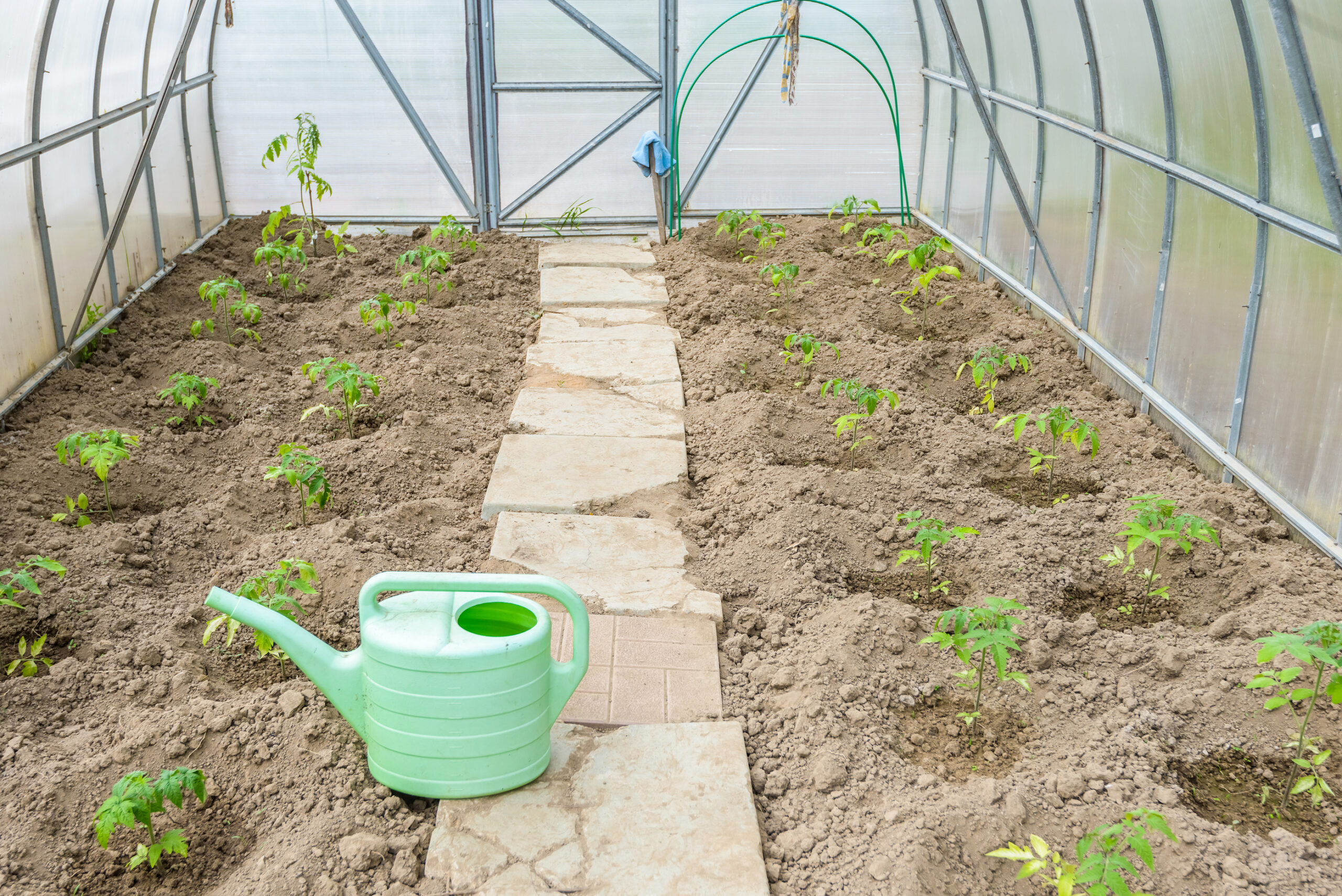
A greenhouse changes temperature, but it does not create additional daylight.
An unheated greenhouse can:
- protect plants from frost
- warm the soil during sunny days
- reduce wind damage
- extend harvests
- improve plant survival
However, it cannot make December days longer.
When daylight drops below 10 hours, crops inside the greenhouse generally enter the same holding stage as vegetables growing beneath row covers or in cold frames.
The greenhouse simply keeps them alive and harvestable.
Best Crops for the Holding Period
Some vegetables are naturally adapted to winter harvesting.
Excellent choices include:
Leafy Greens
- spinach
- kale
- mâche
- claytonia
- tatsoi
- mizuna
- arugula
- miner’s lettuce
Root Crops
- carrots
- beets
- turnips
- rutabagas
- parsnips
Alliums
- leeks
- scallions
- overwintering onions
These vegetables tolerate freezing temperatures while remaining flavorful throughout winter.
Winter Gardening Success Begins in Autumn
One of the biggest mistakes gardeners make is waiting until winter to begin planting.
By then, daylight has already declined.
Instead:
- prepare beds in late summer
- sow cool-season crops in early autumn
- install row covers or tunnels before freezing weather arrives
- allow vegetables to reach harvestable size before the 10-hour daylight threshold
The result is a garden that continues feeding your family all winter.
Frequently Asked Questions
Can vegetables grow when days are shorter than 10 hours?
Most cool-season vegetables produce very little new growth. Instead, they remain alive and hold at harvest size until daylight increases.
Will a heated greenhouse keep vegetables growing?
Additional heat helps protect plants from freezing, but it does not replace sunlight. Without supplemental lighting, many vegetables still slow or stop growing when day length falls below 10 hours.
Should I fertilize during the holding period?
Usually not. Because plants are growing very slowly, they require little additional fertilizer until active growth resumes in late winter or early spring.
Do seed packet days to maturity apply in winter?
Not exactly. As temperatures cool and daylight shortens, vegetables often need several extra weeks to reach harvest size. Plan on extending the expected harvest period by 20 to 40 percent for crops planted in autumn.
Final Thoughts
Understanding the 10-hour daylight rule changes the way you think about winter gardening. Instead of battling winter, you learn to work with nature’s seasonal rhythms. Plant early enough for vegetables to mature before daylight falls below 10 hours, then use greenhouses, row covers, plastic tunnels, or cold frames to protect those crops through the coldest months.
Winter gardening is less about growing vegetables during the darkest weeks of the year than it is about growing them before winter and preserving them until you’re ready to harvest. Once you understand this principle, fresh spinach, kale, carrots, lettuce, and other cool-season crops can become dependable additions to your garden throughout the winter months.
Winter Vegetable Gardening Learning Center
Winter Gardening Fundamentals
- Winter Gardening Basics: Understanding the 10-Hour Daylight Rule
- Winter Harvest Calendar: What to Plant and When
- Month-by-Month Winter Garden Care Guide (October Through February)
Garden Design & Season Extension
- How to Build a Winter Vegetable Garden with Raised Beds
- Growing Vegetables Under Plastic Tunnels and Row Covers
- Winter Greenhouse Gardening: What You Need for an Unheated Greenhouse
Crop Selection
Garden Care
- Winter Vegetable Garden Care: Watering, Feeding, Ventilation, and Moisture Management
- Winter Vegetable Problems and How to Prevent Them
Planning & Timing
Winter Garden & Season Extension Learning Hub
Foundation and Planning
- Winter Garden Prep Tips: How to Prepare Your Garden
- Winter Garden Care Tips
- Winter Garden Layout & Bed Design
- Building Soil Health for Winter
- Soil Amendments for Winter Gardening
- Watering Vegetables in Mild Winter Climates (Zones 8-10): How to Keep Beds Productive Without Waterlogging
- Mulching for Winter Gardens
- Using Thermal Mass in Winter Gardening
- Ventilation Techniques for Tunnels and Cold Frames
- Frost Protection Strategies in the Garden
Vegetable Garden Planning and Planting
- Vegetables You Can Grow in Winter: What to Plant, When to Harvest, and How to Protect Your Crops
- When to Plant Spinach for Spring, Fall, and Winter
- When to Plant Rutabaga for Fall and Winter Harvest
- Winter Tunnel Planting Calendar: What to Grow and When for Winter Harvests (Zones 5–8)
- How to Grow Winter Vegetables Under Low Tunnels or Cold Frames (Zones 5–8)
- How to Build a Winter Tunnel and Grow Vegetables All Winter Long
- When to Use Low Tunnels, Cold Frames, and Caterpillar Tunnels in the Vegetable Garden
- Vegetable Garden Cold Frames
- How to Make a Cold Frame
- Cold Frame Buyer’s Guide
- Hoop Tunnel Buyer’s Guide
- Row Cover Buyer’s Guide
- Cloche and Hot Cap Buyer’s Guide
- Plastic Tunnels for Growing Vegetables
- Row Covers Plant Protection
- Cloche to Protect Plants
- Cloches and Hot Caps
Crop Management
- Succession Planting in Winter
- Companion Planting for Winter Crops
- Overwintering Perennials and Herbs
- Harvesting Tips for Winter Vegetables
- Watering and Irrigation in Winter
- Cool-Season Vegetable Varieties
- How to Grow a Fall Vegetable Garden
- Vegetables for Fall Harvest
Pest, Disease, and Stress Management
- Winter Garden Pest Management
- Disease Prevention in Low Light Winter Gardens
- Signs of Plant Stress in Winter
Season Extension and Reference
- Vegetable Garden Season Extension
- First and Last Frost Date and Vegetable Garden Growing Season
- Extending the Season: How To Get More Growing Time
- First and Last Frost Dates and the Garden Growing Season
- USDA Plant Hardiness Zone Map
- Vegetable Garden Plant Hardiness
Overwintering the Fruit Garden
- Preparing Fruit Trees for Winter: Mulching, Pruning, and Protection
- Protecting Young and Newly Planted Fruit Trees During Their First Winter
- Overwintering Brambles: Raspberries, Blackberries, and Loganberries
- How to Identify Summer-Bearing, Ever-Bearing, and Primocane Brambles
- Using Frost Cloths, Row Covers, and Shelters to Protect Fruit Plants
- Winter Care for Strawberry Beds: Mulching, Watering, and Renovation
- Overwintering Blueberries, Cranberries, and Other Small Fruits
- Protecting Citrus Trees in Cold and Mild Zones
- Emergency Freeze Care for Citrus Trees
- Winter Watering and Soil Care for Fruit Trees and Shrubs
- Preventing Winter Damage: Dealing With Snow, Ice, and Rodents in Fruit Gardens
- Saving Fruit Tree Buds and Flowers for Spring: Pruning and Winter Observation
Overwintering the Flower Garden
- How to Protect Perennials Through Winter: Mulching, Cutting Back, and Care
- Overwintering Tender Perennials: Lifting, Storing, and Restarting in Spring
- How to Prepare Flower Beds for Freezing Weather
- Overwintering Annuals: Which Flowers Survive and How to Help Them
- How to Use Frost Cloths, Row Covers, and Cloches to Protect Flower Beds
- Winter Care for Bulbs: Tulips, Daffodils, Hyacinths, and More
- How to Overwinter Dahlias, Cannas, and Gladiolus (Corms, Tubers, and Rhizomes)
- Pruning and Cleaning Up the Flower Garden Before Winter
- How to Save Seeds From Flowers Before Winter Arrives
- How and When to Divide Perennials in Fall for Spring Renewal
Overwintering Shrubs & Trees
- How to Prepare Shrubs and Trees for Winter: A Complete Guide
- How to Protect Young Trees From Frost, Freeze, and Sunscald
- Winter Watering Guide for Shrubs and Trees
- How to Mulch Shrubs and Trees for Winter Protection
- How to Use Tree Wraps, Guards, and Shields for Cold Protection
- Pruning Shrubs and Trees Before Winter: What to Cut and What to Leave
- How to Overwinter Container-Grown Shrubs and Trees
- Protecting Evergreen Shrubs From Winter Burn
- How to Help Newly Planted Shrubs and Trees Survive Their First Winter
- How to Manage Snow and Ice on Shrubs and Trees Without Causing Damage
How to Use This Hub
This hub is designed to be your step-by-step guide to successful winter gardening and season extension. Start with the foundational topics—bed prep, soil building, mulching, and layout—to set your garden up for success before cold weather arrives. Then explore the crop guides, protection strategies, and month-by-month calendars to plan what to plant, when to plant it, and how to keep it thriving through frost, rain, and short days. Each section links to deeper posts so you can follow your curiosity or quickly find the information you need. Whether you’re prepping a fall garden, managing crops through winter, or looking ahead to early spring harvests, use this hub as a practical reference you can return to all season long.
My Experience: Why This Hub Exists
This hub grows out of a lifetime of year-round gardening—first in the mild but unpredictable winters of Sonoma Valley, and earlier in the deep-freeze winters of Iowa’s Zone 5. I’ve spent more than 30 years testing methods that keep vegetables growing through cold nights, short days, and wet soil. Over time, I’ve refined techniques that work in raised beds, mounded beds, and containers, always guided by the NEW method—Narrow bed, Equidistant planting, Wide rows—and by a commitment to simple, regenerative practices. This hub exists to share what I wish I’d known when I started: that with the right planning and protection, a winter garden can be incredibly productive, resilient, and enjoyable. My goal is to help you avoid guesswork, build confidence, and grow food through every season.

