Winter Vegetable Problems and How to Prevent Them

Winter vegetable gardening is often easier than summer gardening—but it comes with its own set of challenges.
Cold temperatures, shorter days, winter rains, and high humidity create conditions that can stress plants and encourage diseases and pests that rarely cause problems during warmer months. Fortunately, most winter garden failures are preventable with good planning, healthy soil, and careful observation.
After decades of growing vegetables in climates ranging from snowy Iowa to the mild, rainy winters of Northern California, I’ve learned that successful winter gardening is less about fighting the weather and more about anticipating problems before they develop. Most issues—whether frost damage, root rot, or gray mold—are easier to prevent than to cure.
This guide explains the most common winter vegetable problems, why they occur, and the practical steps you can take to keep your garden productive all season long.
Know What to Plant This Week
Every week I answer the gardener's most important question: what should I plant now? Get seasonal planting advice free — or go Pro for my full Soil Temperature Garden Report, with soil temperature, moisture, weather trends, and crop-by-crop recommendations.
Frost Damage
Frost occurs when ice crystals form on plant surfaces while temperatures remain near or slightly below freezing.
Many cool-season vegetables tolerate light frost, but tender leaves may be damaged.
Symptoms
- water-soaked leaves
- blackened leaf edges
- wilted foliage after sunrise
- translucent patches
Prevention
- cover crops with floating row covers before sunset
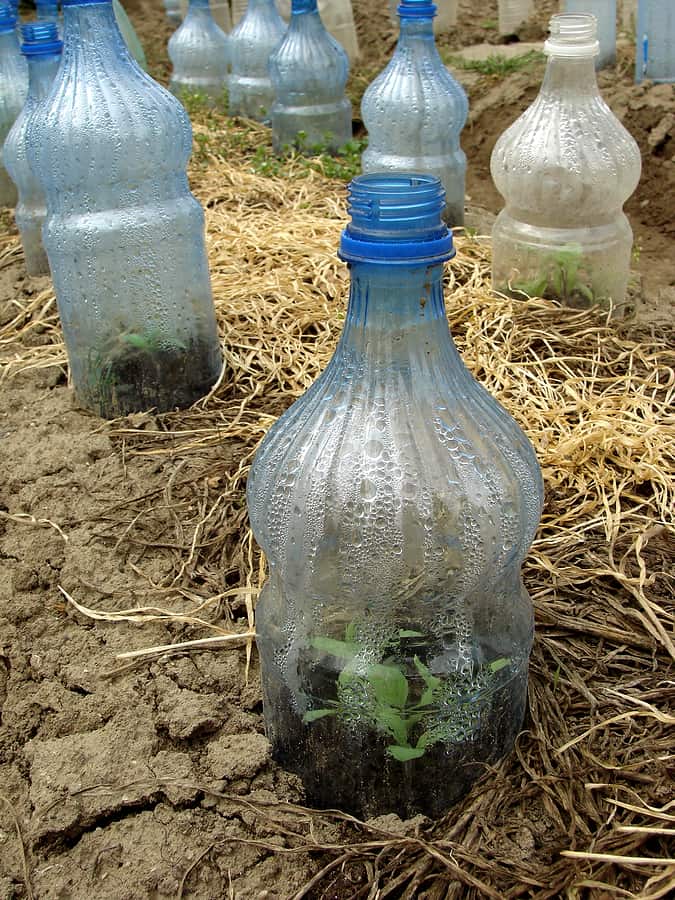
- use low tunnels during cold nights
- water the soil one or two days before a freeze
- harvest mature vegetables before severe frosts
Many hardy vegetables recover quickly from light frost once temperatures rise.
Freeze Damage
Hard freezes are more serious than frost.
Extended periods below freezing can damage plant cells, roots, and growing points.
Symptoms
- collapsed leaves
- mushy tissue
- black stems
- dead growing tips
Prevention
- use double row covers during severe cold
- install plastic low tunnels
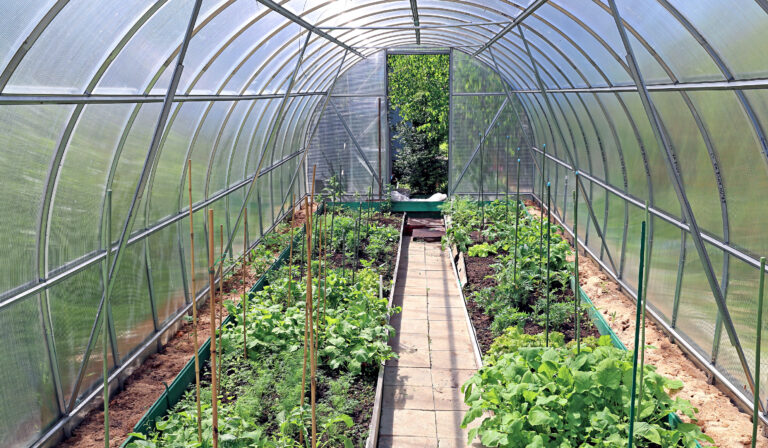
- grow in unheated greenhouses
- mulch root crops heavily
- choose cold-hardy varieties
Established spinach, kale, and mâche often survive temperatures that would kill less hardy vegetables.
Ice and Snow Damage
Ice storms are less common than frost but can damage vegetables by crushing foliage or breaking protective structures.
Heavy snow may collapse tunnels or flatten leafy crops.
Prevention
- brush snow from tunnels promptly
- support plastic covers with sturdy hoops
- remove heavy ice carefully—never strike frozen plants
- inspect greenhouse frames after storms
Fortunately, snow itself often insulates plants beneath it.
Wet Soil
Winter rain creates one of the biggest challenges for vegetable gardens.
Excess water reduces oxygen in the soil and weakens root systems.
Symptoms
- slow growth
- yellow leaves
- wilting despite wet soil
- poor root development
Prevention
- grow in raised beds
- improve soil with compost
- avoid compacted soil
- water only when necessary
- maintain good drainage
Remember:
Cool-season vegetables prefer moist soil—not saturated soil.
Root Rot
Root rot develops when roots remain in oxygen-starved, waterlogged soil.
Common organisms include species of Pythium, Phytophthora, and Rhizoctonia.
Symptoms
- yellow leaves
- stunted growth
- brown or black roots
- plants that pull easily from the soil
Prevention
- improve drainage
- avoid overwatering
- rotate crops
- plant in raised beds
- never allow standing water to remain after storms
Healthy soil biology also helps suppress many root diseases.
Poor Ventilation
Protected structures are wonderful for winter gardening—but only when properly ventilated.
Without airflow:
- humidity rises
- temperatures fluctuate dramatically
- fungal diseases spread rapidly
Prevention
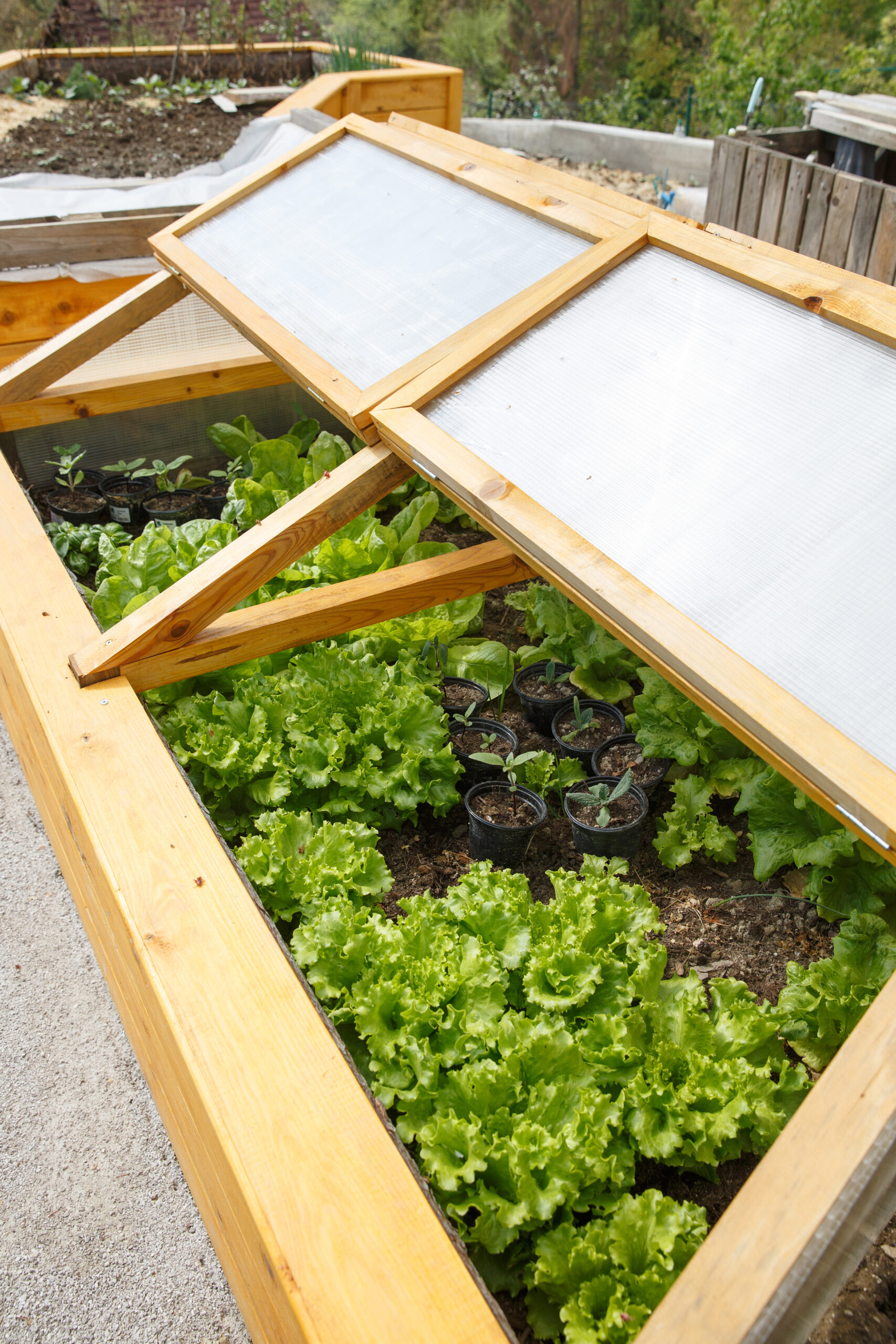
- open tunnels on sunny days
- ventilate greenhouses whenever temperatures exceed about 60–70°F
- install automatic roof vents if possible
- use circulating fans inside greenhouses
- avoid overcrowding plants
Fresh air is just as important as warmth.
Gray Mold (Botrytis)
Gray mold is one of the most common diseases in winter gardens.
It thrives under cool, humid conditions with poor air circulation.
Symptoms
- fuzzy gray growth
- soft, rotting leaves
- stem infections
- flower decay
- rapidly spreading dead tissue
Prevention
- improve ventilation
- remove dead leaves promptly
- avoid overhead watering
- space plants properly
- water early in the day
Early removal of infected leaves often prevents widespread outbreaks.
Slugs and Snails
Slugs thrive during cool, damp weather.
They feed at night and often hide beneath mulch or boards during the day.
Symptoms
- irregular holes in leaves
- slime trails
- damaged seedlings
Prevention
- remove hiding places
- hand-pick after dark
- encourage birds and ground beetles
- use iron phosphate bait if necessary
- water early rather than late in the day
Young lettuce and spinach are especially attractive to slugs.
Rodents
Mice, voles, and other rodents often seek shelter beneath mulch, row covers, and tunnels during winter.
They may feed on roots, stems, and stored vegetables.
Symptoms
- clipped seedlings
- tunnels in mulch
- gnawed roots
- partially eaten carrots or beets
Prevention
- keep weeds under control
- avoid excessive mulch near stems
- harvest mature root crops promptly
- inspect tunnels regularly
- encourage natural predators such as owls and hawks
Hardware cloth beneath raised beds can help deter burrowing rodents in problem areas.
Aphids in Greenhouses
Although outdoor aphid populations often decline during winter, greenhouse conditions allow them to reproduce year-round.
Symptoms
- curled leaves
- sticky honeydew
- clusters of green, black, or gray insects
- distorted new growth
Prevention
- inspect plants weekly
- wash colonies off with water
- encourage beneficial insects when possible
- remove heavily infested leaves
- avoid excessive nitrogen fertilization
Early detection makes aphids easy to control before populations explode.
Cold Injury
Cold injury differs from freeze damage.
Plants may be stressed by repeated exposure to low temperatures without actually freezing.
Symptoms
- slow growth
- yellow leaves
- purple foliage
- reduced vigor
- delayed maturity
Prevention
- plant at the proper time
- maintain healthy soil
- mulch roots
- protect crops during cold snaps
- choose varieties adapted to winter growing
Healthy, established plants tolerate cold far better than young seedlings.
Bolting in Late Winter
As temperatures rise and daylight increases, many cool-season vegetables begin preparing to flower.
This process is called bolting.
Symptoms
- rapid stem elongation
- bitter flavor
- flowering stalks
- declining leaf quality
Prevention
- harvest leafy vegetables regularly
- choose slow-bolting varieties
- succession plant every few weeks
- maintain consistent soil moisture
- harvest before prolonged warm weather arrives
Bolting is a natural part of the plant’s life cycle and cannot be completely prevented, but proper variety selection and timely harvest greatly extend production.
The Best Defense Is Prevention
Most winter vegetable problems can be avoided by following a few simple principles:
- plant cold-hardy crops
- use raised beds with excellent drainage
- improve soil with compost
- avoid overwatering
- ventilate tunnels and greenhouses regularly
- inspect plants every few days
- remove damaged or diseased foliage promptly
- protect crops before—not after—severe weather arrives
Healthy plants are naturally more resistant to pests, diseases, and environmental stress.
Winter Problem Prevention Calendar
| Time | What to Check |
|---|---|
| Weekly | Soil moisture, slugs, aphids, ventilation |
| Before a freeze | Install row covers, water soil if dry, close tunnels |
| After storms | Check drainage, inspect structures, remove damaged leaves |
| Sunny winter days | Open tunnels and greenhouse vents |
| Late winter | Watch for bolting, aphids, and increased watering needs |
A few minutes of observation each week often prevents much larger problems later.
Frequently Asked Questions
What causes most winter vegetable failures?
Poor drainage and excess moisture are more common causes of crop loss than freezing temperatures. Healthy soil with good drainage is the foundation of a successful winter garden.
Why do my greenhouse vegetables develop mold?
Gray mold usually develops when humidity remains high and air circulation is poor. Regular ventilation and removing dead foliage greatly reduce the risk.
Should I water before a freeze?
Yes, if the soil is dry. Moist soil stores more daytime heat than dry soil and releases that heat overnight, helping protect roots. Avoid watering if the soil is already saturated.
Why are my lettuce plants flowering in late winter?
Longer days and warming temperatures trigger bolting. Harvest leaves regularly and grow slow-bolting varieties to extend your harvest.
Final Thoughts
Winter vegetable gardens are remarkably resilient when given the right conditions. Most problems—from frost damage and root rot to slugs and gray mold—are the result of environmental stress that can be minimized with thoughtful planning and routine care. Healthy soil, proper drainage, adequate ventilation, and timely protection during severe weather create an environment where cool-season crops can flourish.
The best winter gardeners aren’t constantly solving problems—they’re preventing them. By checking your garden regularly, responding to changing weather, and understanding how winter conditions affect plant growth, you’ll enjoy healthier vegetables and more dependable harvests throughout the cold season.
Winter Vegetable Gardening Learning Center
Winter Gardening Fundamentals
- Winter Gardening Basics: Understanding the 10-Hour Daylight Rule
- Winter Harvest Calendar: What to Plant and When
- Month-by-Month Winter Garden Care Guide (October Through February)
Garden Design & Season Extension
- How to Build a Winter Vegetable Garden with Raised Beds
- Growing Vegetables Under Plastic Tunnels and Row Covers
- Winter Greenhouse Gardening: What You Need for an Unheated Greenhouse
Crop Selection
Garden Care
- Winter Vegetable Garden Care: Watering, Feeding, Ventilation, and Moisture Management
- Winter Vegetable Problems and How to Prevent Them
Planning & Timing
Winter Garden & Season Extension Learning Hub
Foundation and Planning
- Winter Garden Prep Tips: How to Prepare Your Garden
- Winter Garden Care Tips
- Winter Garden Layout & Bed Design
- Building Soil Health for Winter
- Soil Amendments for Winter Gardening
- Watering Vegetables in Mild Winter Climates (Zones 8-10): How to Keep Beds Productive Without Waterlogging
- Mulching for Winter Gardens
- Using Thermal Mass in Winter Gardening
- Ventilation Techniques for Tunnels and Cold Frames
- Frost Protection Strategies in the Garden
Vegetable Garden Planning and Planting
- Vegetables You Can Grow in Winter: What to Plant, When to Harvest, and How to Protect Your Crops
- When to Plant Spinach for Spring, Fall, and Winter
- When to Plant Rutabaga for Fall and Winter Harvest
- Winter Tunnel Planting Calendar: What to Grow and When for Winter Harvests (Zones 5–8)
- How to Grow Winter Vegetables Under Low Tunnels or Cold Frames (Zones 5–8)
- How to Build a Winter Tunnel and Grow Vegetables All Winter Long
- When to Use Low Tunnels, Cold Frames, and Caterpillar Tunnels in the Vegetable Garden
- Vegetable Garden Cold Frames
- How to Make a Cold Frame
- Cold Frame Buyer’s Guide
- Hoop Tunnel Buyer’s Guide
- Row Cover Buyer’s Guide
- Cloche and Hot Cap Buyer’s Guide
- Plastic Tunnels for Growing Vegetables
- Row Covers Plant Protection
- Cloche to Protect Plants
- Cloches and Hot Caps
Crop Management
- Succession Planting in Winter
- Companion Planting for Winter Crops
- Overwintering Perennials and Herbs
- Harvesting Tips for Winter Vegetables
- Watering and Irrigation in Winter
- Cool-Season Vegetable Varieties
- How to Grow a Fall Vegetable Garden
- Vegetables for Fall Harvest
Pest, Disease, and Stress Management
- Winter Garden Pest Management
- Disease Prevention in Low Light Winter Gardens
- Signs of Plant Stress in Winter
Season Extension and Reference
- Vegetable Garden Season Extension
- First and Last Frost Date and Vegetable Garden Growing Season
- Extending the Season: How To Get More Growing Time
- First and Last Frost Dates and the Garden Growing Season
- USDA Plant Hardiness Zone Map
- Vegetable Garden Plant Hardiness
Overwintering the Fruit Garden
- Preparing Fruit Trees for Winter: Mulching, Pruning, and Protection
- Protecting Young and Newly Planted Fruit Trees During Their First Winter
- Overwintering Brambles: Raspberries, Blackberries, and Loganberries
- How to Identify Summer-Bearing, Ever-Bearing, and Primocane Brambles
- Using Frost Cloths, Row Covers, and Shelters to Protect Fruit Plants
- Winter Care for Strawberry Beds: Mulching, Watering, and Renovation
- Overwintering Blueberries, Cranberries, and Other Small Fruits
- Protecting Citrus Trees in Cold and Mild Zones
- Emergency Freeze Care for Citrus Trees
- Winter Watering and Soil Care for Fruit Trees and Shrubs
- Preventing Winter Damage: Dealing With Snow, Ice, and Rodents in Fruit Gardens
- Saving Fruit Tree Buds and Flowers for Spring: Pruning and Winter Observation
Overwintering the Flower Garden
- How to Protect Perennials Through Winter: Mulching, Cutting Back, and Care
- Overwintering Tender Perennials: Lifting, Storing, and Restarting in Spring
- How to Prepare Flower Beds for Freezing Weather
- Overwintering Annuals: Which Flowers Survive and How to Help Them
- How to Use Frost Cloths, Row Covers, and Cloches to Protect Flower Beds
- Winter Care for Bulbs: Tulips, Daffodils, Hyacinths, and More
- How to Overwinter Dahlias, Cannas, and Gladiolus (Corms, Tubers, and Rhizomes)
- Pruning and Cleaning Up the Flower Garden Before Winter
- How to Save Seeds From Flowers Before Winter Arrives
- How and When to Divide Perennials in Fall for Spring Renewal
Overwintering Shrubs & Trees
- How to Prepare Shrubs and Trees for Winter: A Complete Guide
- How to Protect Young Trees From Frost, Freeze, and Sunscald
- Winter Watering Guide for Shrubs and Trees
- How to Mulch Shrubs and Trees for Winter Protection
- How to Use Tree Wraps, Guards, and Shields for Cold Protection
- Pruning Shrubs and Trees Before Winter: What to Cut and What to Leave
- How to Overwinter Container-Grown Shrubs and Trees
- Protecting Evergreen Shrubs From Winter Burn
- How to Help Newly Planted Shrubs and Trees Survive Their First Winter
- How to Manage Snow and Ice on Shrubs and Trees Without Causing Damage
How to Use This Hub
This hub is designed to be your step-by-step guide to successful winter gardening and season extension. Start with the foundational topics—bed prep, soil building, mulching, and layout—to set your garden up for success before cold weather arrives. Then explore the crop guides, protection strategies, and month-by-month calendars to plan what to plant, when to plant it, and how to keep it thriving through frost, rain, and short days. Each section links to deeper posts so you can follow your curiosity or quickly find the information you need. Whether you’re prepping a fall garden, managing crops through winter, or looking ahead to early spring harvests, use this hub as a practical reference you can return to all season long.
My Experience: Why This Hub Exists
This hub grows out of a lifetime of year-round gardening—first in the mild but unpredictable winters of Sonoma Valley, and earlier in the deep-freeze winters of Iowa’s Zone 5. I’ve spent more than 30 years testing methods that keep vegetables growing through cold nights, short days, and wet soil. Over time, I’ve refined techniques that work in raised beds, mounded beds, and containers, always guided by the NEW method—Narrow bed, Equidistant planting, Wide rows—and by a commitment to simple, regenerative practices. This hub exists to share what I wish I’d known when I started: that with the right planning and protection, a winter garden can be incredibly productive, resilient, and enjoyable. My goal is to help you avoid guesswork, build confidence, and grow food through every season.