How to Plant and Grow Jerusalem Artichoke — Sunchoke

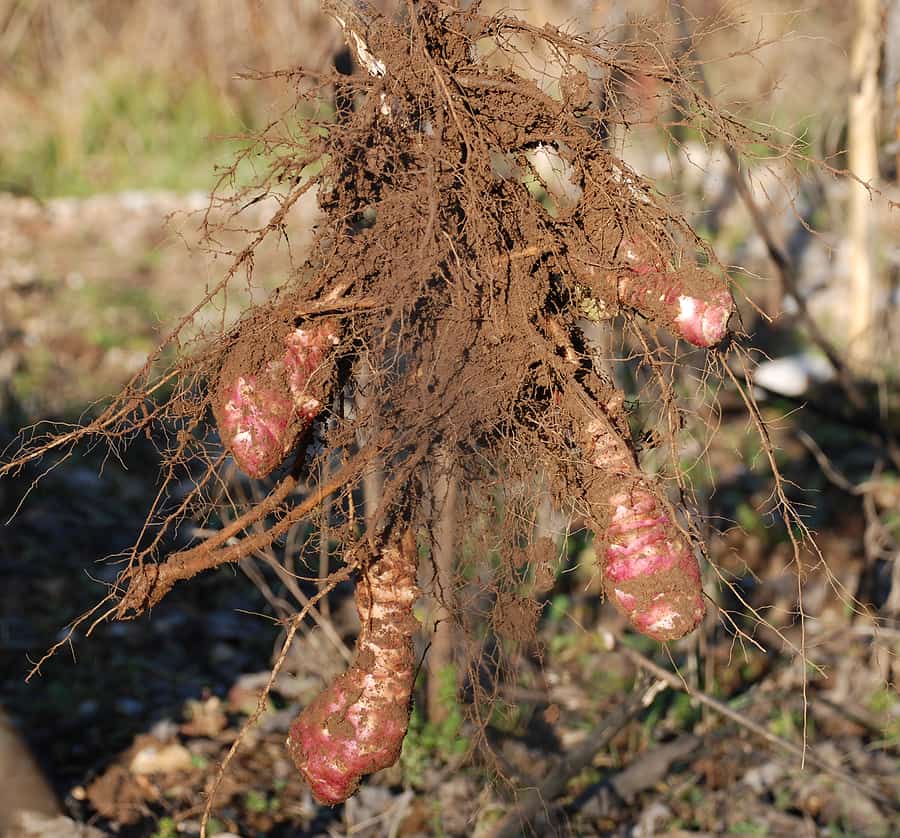
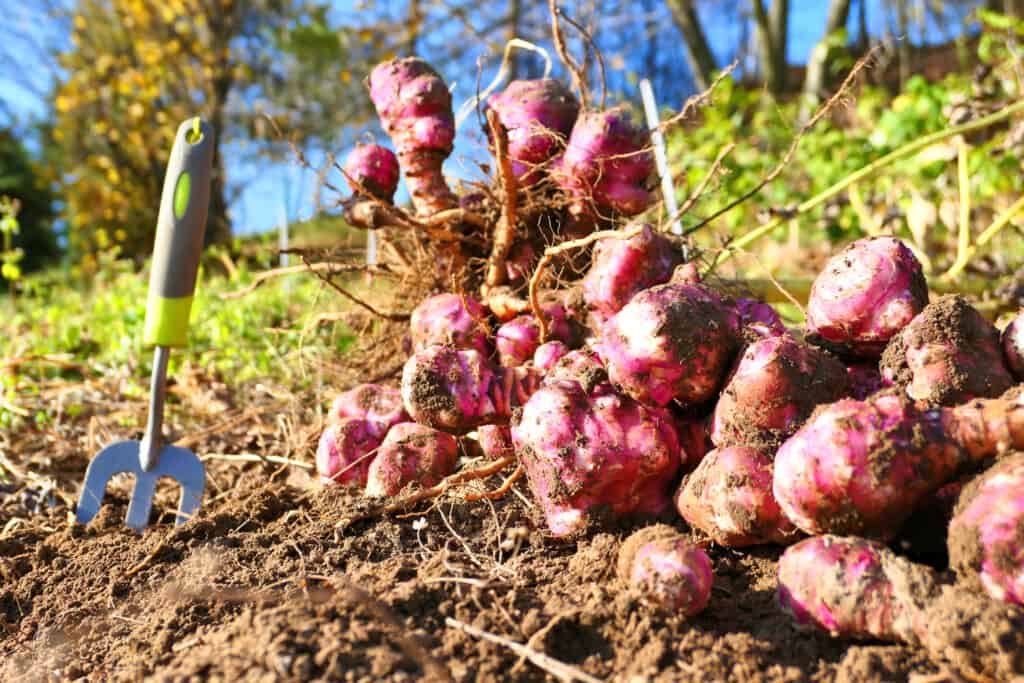
The sunchoke, also called Jerusalem artichoke, is a variety of perennial sunflowers grown for its edible low-starch tuber which looks much like a small potato but tastes like a water chestnut.
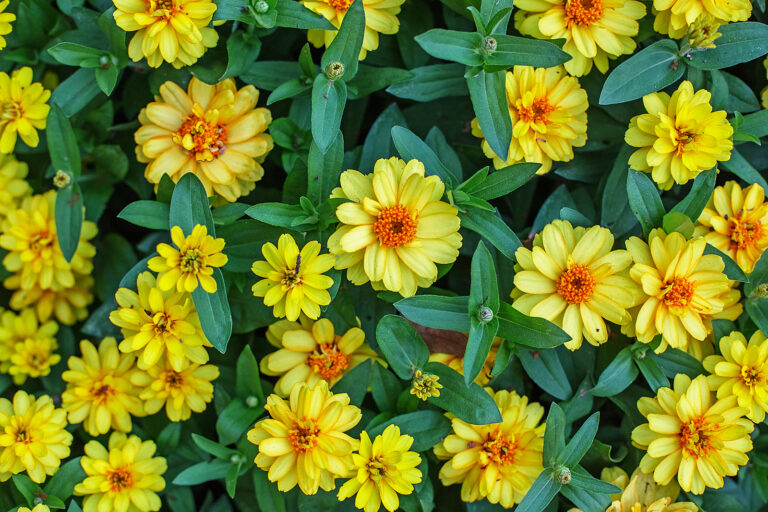
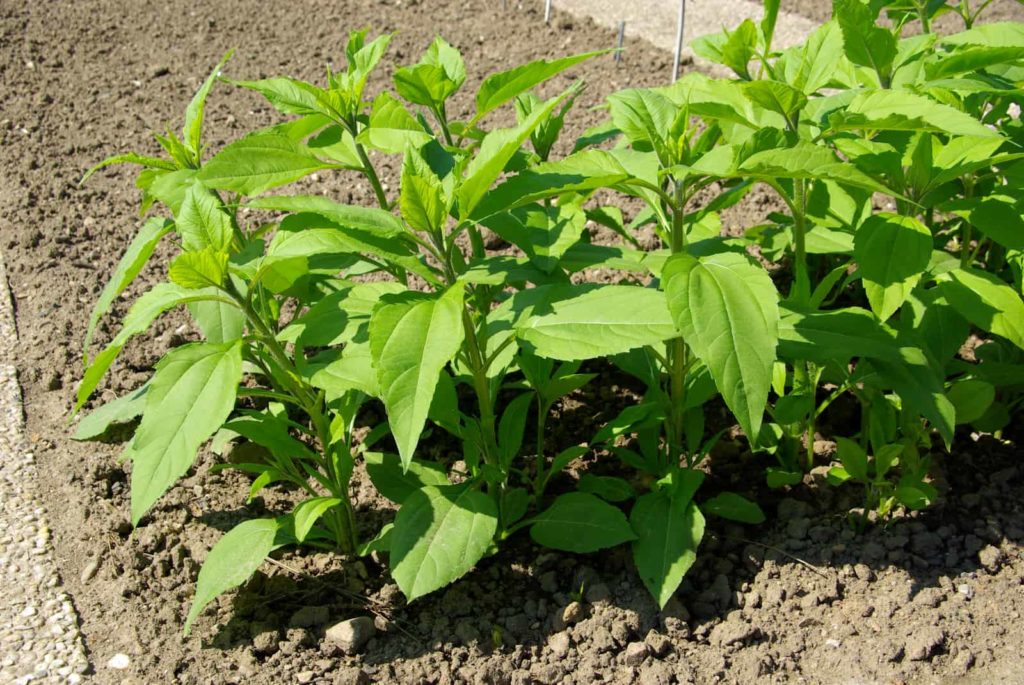
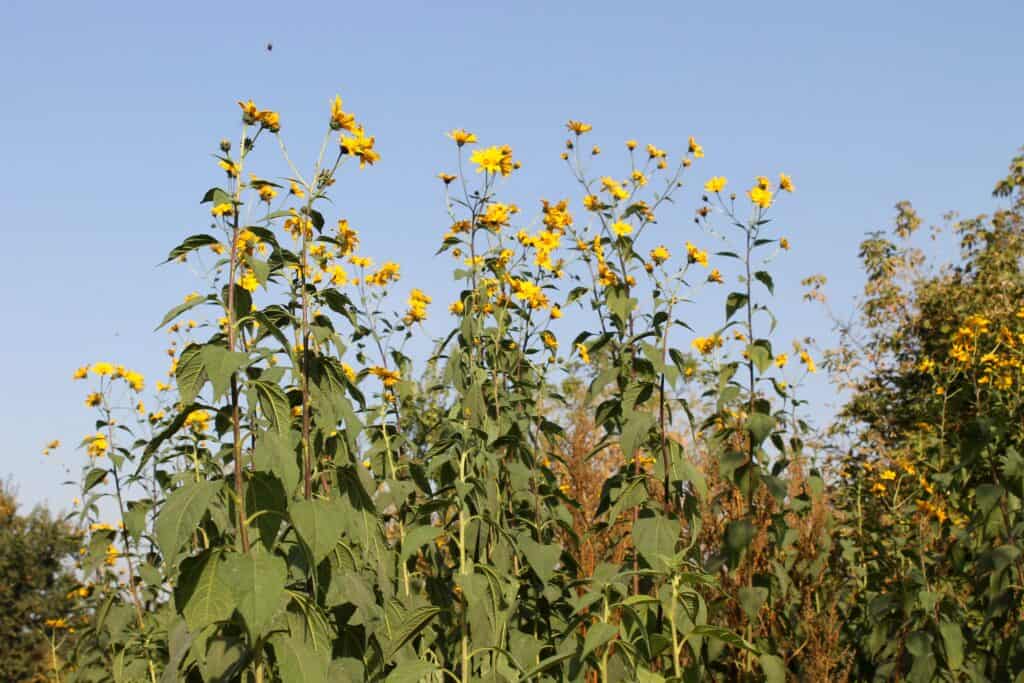
The sunchoke is a hardy perennial that grows from 5 to 10 feet tall. The plant has rough-textured leaves 4 to 8 inches (10-20cm) long and is topped with small yellow flowers 2 to 3 inches (5-7cm) across.
Related articles:
- Five Ways to Cook and Serve Jerusalem Artichoke
- Jerusalem Artichoke Plant Starting Tips
- How to Harvest and Store Jerusalem Artichoke
- How to Plant and Grow Jerusalem Artichoke
The name Jerusalem artichoke is a misnomer: the plant is not related to the artichoke, though the sunchoke’s flavor may be reminiscent of the artichoke. The plant is not from Jerusalem: the name is probably derived from the Italian name for sunflower, girasole, which means turning to the sun.
Know What to Plant This Week
Every week I answer the gardener's most important question: what should I plant now? Get seasonal planting advice free — or go Pro for my full Soil Temperature Garden Report, with soil temperature, moisture, weather trends, and crop-by-crop recommendations.
Here is your complete guide to growing Jerusalem artichokes–sunchokes.
Jerusalem artichoke quick planting tips
- Jerusalem artichoke tubers can be planted in the garden as early as 2 to 3 weeks before the average last frost date in spring.
- They are best planted in soil that has warmed to 50°F (10°C).
- In warm-winter regions, sunchokes can be planted in winter. Sunchokes require 110 to 150 days to reach harvest.
- Yield: Plant 5 to 10 sunchokes for each household member.
Tools for Vegetable Gardeners at Amazon:
- A.M. Leonard Straight Rake with Ash Handle
- All-Steel Nursery Spade with D-Grip Handle
- 4-Tine Spading Digging Fork with D-Handle
- Digital Soil pH Meter Outdoors Greenhouse
- Earthwise Handheld Electric Fertilizer Spreader
Where to plant Jerusalem artichoke
- Plant Jerusalem artichoke in full sun.
- The Jerusalem artichoke prefers loose, well-drained soil but will grow almost anywhere. Add aged compost or sand to planting beds before planting; loose soil will make tuber harvesting easier.
- The Jerusalem artichoke prefers a soil pH of 5.8 to 6.2.
- It is best to plant Jerusalem artichokes in a dedicated bed; once established they will spread rapidly and may require some effort to remove. Tuber spread can be controlled by root barriers.
- The Jerusalem artichoke grows tall; it can be planted densely to form a screen or windbreak.
- Jerusalem artichokes will survive a hard freeze if protected by a layer of soil or mulch.
Jerusalem artichoke planting time
- Jerusalem artichoke tubers can be planted in the garden as early as 2 to 3 weeks before the average last frost date in spring.
- Jerusalem artichokes are best planted in soil that has warmed to 50°F (10°C).
- Jerusalem artichokes grow best in temperatures ranging from 65° to 90°F (18-32°C).
- In warm-winter regions, sunchokes can be planted in winter.
- Jerusalem artichokes require 110 to 150 days to reach harvest.
More at Jerusalem Artichoke Plant Starting Tips.
Planting and spacing Jerusalem artichokes
- Plant Jerusalem artichoke tubers 2 to 6 inches (5-15cm) deep, 12 to 18 inches (30-45cm) apart.
- Space rows 36 inches (91cm) apart.
Container growing Jerusalem artichokes
- Jerusalem artichokes can be grown in containers but will quickly fill a small container.
- Choose a container at least 18 inches across for one plant.
Jerusalem artichoke companion plants
- Grow Jerusalem artichoke with corn, rhubarb, and peanuts.
- Avoid planting Jerusalem artichoke with tomatoes.
Watering and feeding Jerusalem artichokes
- Jerusalem artichokes grow best with an even, regular supply of water but can survive long periods of drought once established.
- Jerusalem artichokes require no extra feeding; they grow best in soil rich in organic matter.
Caring for Jerusalem artichokes
- Jerusalem artichoke tubers grow, divide, and easily spread. To contain sunchokes install wood, plastic, metal, or masonry barriers at least 24 inches (61cm) deep in the soil.
- Avoid deep cultivation near Jerusalem artichokes; they are shallow-rooted and spread to 18 inches (45cm) away from the main stem.
Jerusalem artichoke pests and diseases
- Aphids may attack Jerusalem artichokes. Pinch out infested foliage or hose the aphids off the plants.
- Jerusalem artichoke tubers can rot in wet soil but are generally disease-free. Plant in well-drained soil and quickly remove diseased plants.
Harvesting Jerusalem artichokes
- Jerusalem artichoke tubers will be ready for harvest is 120 to 150 days after planting.
- Jerusalem artichokes are ready for harvest when leaves die back; lift tubers with a spading fork.
- Cut off flower stalks as soon as they appear to encourage tuber development, not seed, production.
- Plants also can be “lodged” once flowers appear; step on stems at soil level and bend them to the side diverting energy to the tubers.
- Jerusalem artichokes harvested after a light frost will be sweeter tasting.
- Tubers left in the ground will regrow the following season.
More at How to Harvest and Store Jerusalem Artichokes.
Storing and preserving Jerusalem artichoke
- Jerusalem artichokes will keep in the refrigerator for 7 to 10 days.
- Set Jerusalem artichokes in a cold moist place and they will keep for 2 to 5 months.
- Sunchokes can be frozen or left in the ground until needed; protect over-wintered sunchokes with a layer of mulch.
Jerusalem artichoke varieties to grow
- ‘Stampede’.
About Jerusalem artichoke
- Common name. Jerusalem artichoke, sunchoke
- Botanical name. Helianthus tuberosus
- Family: Asteraceae
- Origin. North America
Related articles:
How to Plant and Grow Jerusalem Artichokes – Sunchokes
Jerusalem Artichoke – Sunchoke Plant Starting Tips
How to Harvest and Store Jerusalem Artichokes – Sunchokes
Five Ways to Cook and Serve Jerusalem Artichokes – Sunchokes
Garden Planning Books at Amazon:
- Vegetable Garden Almanac & Planner
- Kitchen Garden Grower’s Guide Vegetable Encyclopedia
- Vegetable Garden Grower’s Guide
- Tomato Grower’s Answer Book
More how to grow articles:
Learn how to plant, grow, and harvest your favorite vegetables. Click below for all you need to know.
- Artichoke
- Arugula
- Asparagus
- Beans, Snap
- Beets
- Broad Beans
- Broccoli
- Brussels Sprouts
- Cabbage
- Cantaloupe — Melons
- Cardoon
- Carrots
- Cauliflower
- Celeriac
- Celery
- Chard
- Chayote Squash
- Chickpeas
- Chicory
- Chinese Cabbage
- Collards
- Corn Salad
- Corn, Sweet
- Cresses
- Cucumbers
- Eggplant
- Endive and Escarole
- Fava Beans
- Florence Fennel
- Garbanzo Beans
- Garlic
- Horseradish
- Jerusalem Artichoke
- Kale
- Kohlrabi
- Leeks
- Lettuce
- Lima Beans
- Melons
- Mizuna
- Mustard Greens
- New Zealand Spinach
- Okra
- Onions
- Parsnips
- Peanuts
- Peas
- Peppers
- Potatoes
- Pumpkins
- Radicchio
- Radishes
- Rhubarb
- Rutabaga
- Salsify
- Shallots
- Sorrel
- Southern Peas
- Soybeans
- Spinach
- Squash, Summer
- Squash, Winter
- Sunchokes
- Sweet Potato
- Swiss Chard
- Taro
- Tomatillo
- Tomatoes
- Turnips
- Watermelon
- Zucchini