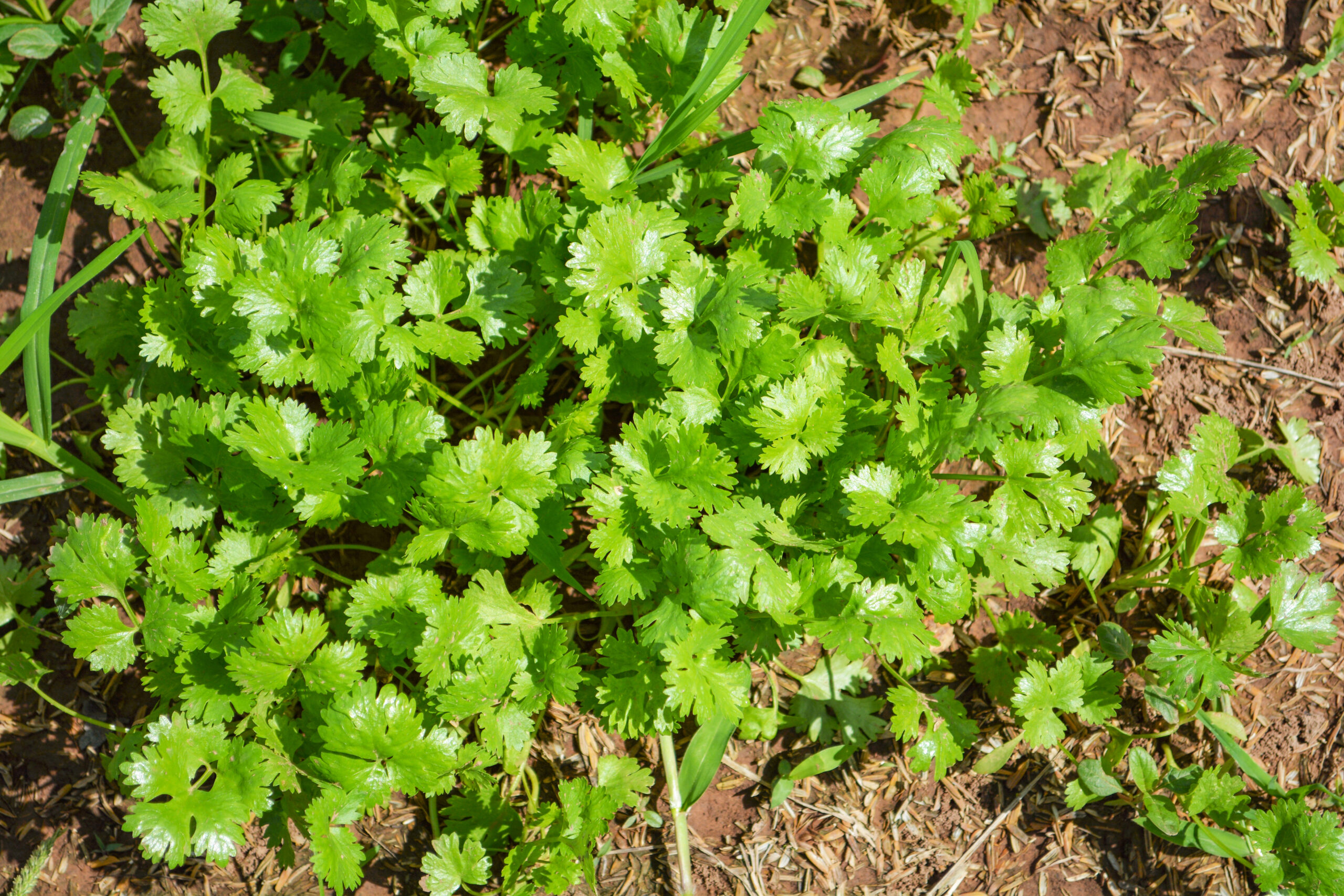
How to Grow Fall Cilantro: Planting Through Harvest

Fall is the best season for growing cilantro. While cilantro is often planted in spring, warm temperatures quickly trigger flowering and seed production. Fall-planted cilantro grows during cooler weather, producing tender leaves for a longer harvest period and allowing gardeners to enjoy fresh herbs well into the cool season.
The secret to growing productive fall cilantro is planting according to soil temperature rather than calendar dates. Cilantro prefers cool growing conditions, and when planted as summer heat fades, plants remain leafy longer before producing flowers.
Cilantro is also a valuable dual-purpose crop. Gardeners can harvest the fresh leaves (known as cilantro) and allow plants to produce seeds (known as coriander), extending the usefulness of a single planting.
This guide explains when to plant fall cilantro, how to use succession planting for continuous harvests, and how to harvest both leaves and seeds.
Know What to Plant This Week
Every week I answer the gardener's most important question: what should I plant now? Get seasonal planting advice free — or go Pro for my full Soil Temperature Garden Report, with soil temperature, moisture, weather trends, and crop-by-crop recommendations.
Best Soil Temperature for Planting Cilantro
Every vegetable and herb has an ideal soil temperature for germination and establishment. Cilantro is a cool-season herb that grows best when seeds are planted into moderate soil temperatures.
Cilantro seeds perform best when planted into moist, cool soil.
- Ideal soil temperature: 55–70°F (13–21°C)
- Minimum soil temperature: about 45°F
- Maximum practical soil temperature: about 75°F
- Expected germination: 7–14 days
When soil temperatures are between 55° and 70°F:
- Seeds germinate reliably.
- Seedlings establish quickly.
- Plants produce more leaves before flowering.
Avoid planting cilantro when soil temperatures remain above 75°F because warm conditions encourage rapid bolting.
Harvest to Table Soil Tip
Cilantro is a crop where soil temperature directly affects harvest length. Warm soil encourages the plant to hurry toward flowering, while cooler fall soil allows more time for leafy growth and repeated harvests.
Why Fall Cilantro Lasts Longer
Many gardeners struggle with cilantro because spring and summer plantings often bolt before producing a large harvest.
Bolting is triggered by:
- Warm temperatures.
- Long days.
- Heat stress.
- Dry soil.
Fall cilantro lasts longer because:
- Cooler temperatures slow flowering.
- Shorter days delay seed production.
- Plants remain leafy for more weeks.
- Leaves develop better flavor.
The ideal growing conditions for cilantro are:
- Day temperatures: 50–70°F
- Night temperatures: 40–55°F
In mild winter climates, fall-planted cilantro can continue producing for months.
Planting Window by Climate
The goal with fall cilantro is to establish plants as temperatures begin to decline.
Begin planting:
4–8 weeks before average first fall frost
Cold Climates (Zones 3–5)
Plant:
July through August
Harvest before severe freezing weather arrives.
Moderate Climates (Zones 6–7)
Plant:
August through September
Succession planting provides a continuous supply.
Mild Climates (Zones 8–10)
Plant:
September through November
Fall and winter are often the best cilantro-growing seasons.
Succession Planting for Continuous Cilantro Harvests
Cilantro grows quickly but has a short harvest window before flowering. Succession planting is the best way to maintain a steady supply.
Plant seeds:
Every 2–3 weeks
Benefits:
- Continuous leaf harvest.
- Younger plants replacing older plants.
- Less risk from heat waves.
- Fresh cilantro throughout fall.
Instead of planting one large crop, sow small amounts regularly.
Choose the Right Cilantro Variety
Most cilantro varieties perform well in fall, but some are slower to bolt.
Good choices include:
Slow-Bolt Cilantro
- Longer leaf harvest.
- Better for warmer climates.
- Delayed flowering.
Santo Cilantro
- Large leaves.
- Good flavor.
- Reliable garden variety.
Calypso Cilantro
- Slow to bolt.
- Good for repeated harvesting.
Vietnamese Coriander (Not True Cilantro)
- Heat tolerant.
- Perennial in mild climates.
- Different flavor profile.
Prepare the Soil
Cilantro prefers fertile, well-drained soil.
Before planting:
- Loosen soil 6–8 inches deep.
- Add finished compost.
- Maintain soil pH between 6.2 and 6.8.
- Remove weeds.
Because cilantro has a taproot, avoid compacted soil.
Planting Cilantro
Cilantro is best grown from seed because it develops a taproot and does not transplant easily.
Sow seeds:
- ¼ to ½ inch deep.
Spacing:
- 1–2 inches apart for baby leaves.
- Thin plants to 4–6 inches apart for larger plants.
Rows:
- 6–12 inches apart.
Keep soil moist until seedlings emerge.
Watering Cilantro
Cilantro prefers consistent moisture.
Provide:
- About 1 inch of water per week.
Water stress can cause:
- Faster bolting.
- Smaller leaves.
- Stronger flavor.
Mulch helps:
- Maintain moisture.
- Keep soil temperatures cooler.
Fertilizing Cilantro
Cilantro is not a heavy feeder.
Before planting:
- Add compost.
During growth:
- Side-dress with compost if plants become pale.
Avoid excessive nitrogen because overly lush growth can reduce flavor intensity.
Common Problems
Bolting
The most common cilantro problem.
Caused by:
- Heat.
- Long days.
- Drought stress.
Solution:
- Plant in fall.
- Succession sow.
- Harvest frequently.
Poor Germination
Caused by:
- Dry soil.
- Planting too deeply.
- Hot soil.
Aphids
Control by:
- Washing plants with water.
- Encouraging beneficial insects.
Slow Growth
Usually caused by:
- Cold soil.
- Poor fertility.
- Lack of moisture.
Harvesting Cilantro Leaves
Cilantro leaves are ready for harvest when plants are:
- 4–6 inches tall.
- Producing several sets of leaves.
Harvest:
- Cut outer leaves first.
- Leave the center growing.
- Harvest before flowering.
For best flavor:
- Harvest in the morning.
- Use fresh leaves soon after picking.
Most fall cilantro can be harvested:
30–45 days after planting
Harvesting Coriander Seeds
If allowed to flower, cilantro produces coriander seeds.
Harvest seeds when:
- Flowers fade.
- Seed heads turn brown.
- Seeds become dry.
Steps:
- Cut seed heads.
- Place in a paper bag.
- Allow seeds to dry.
- Separate seeds from stems.
Store dried coriander seeds in an airtight container.
Growing Tips
- Plant when soil temperatures reach 55–70°F.
- Sow every 2–3 weeks for continuous harvest.
- Keep soil evenly moist.
- Grow in afternoon shade if fall temperatures remain warm.
- Allow some plants to flower for coriander seeds.
- Harvest leaves before flowering for best flavor.
My Experience Growing Fall Cilantro
I’ve grown cilantro in different climates, and fall is when this herb truly becomes easy. During summer, cilantro often feels like a race against the clock—plants emerge, grow briefly, and then bolt. In autumn, cooler soil and shorter days slow the plant’s natural urge to flower. The result is a longer harvest window with more tender leaves. Fall cilantro is a reminder that the right season can do more for a crop than extra fertilizer or special care.
Frequently Asked Questions
What soil temperature is best for planting cilantro?
Cilantro grows best when planted in soil temperatures between 55° and 70°F.
Why does cilantro bolt so quickly?
Cilantro bolts when temperatures rise, days lengthen, or plants experience stress.
Why does fall cilantro last longer?
Cool temperatures slow flowering and allow plants to produce leaves for a longer period.
How often should I plant cilantro for continuous harvest?
Sow cilantro seeds every 2–3 weeks for a steady supply.
How long does cilantro take to grow?
Leaves can usually be harvested about 30–45 days after planting.
Can cilantro survive frost?
Yes. Cilantro tolerates light frosts and often continues growing through cool weather.
Can I grow cilantro for coriander seeds?
Yes. Allow plants to flower and dry seed heads before harvesting coriander seeds.
Can cilantro grow in containers?
Yes. Cilantro grows well in containers at least 6 inches deep.
Fall Garden Planting Calendar
| Stage | Best Conditions |
|---|---|
| Ideal soil temperature for planting | 55–70°F (13–21°C) |
| Planting window | 4–8 weeks before average first fall frost |
| Days to leaf harvest | 30–45 days after planting |
| Succession planting interval | Every 2–3 weeks |
| Best harvest temperatures | Days: 50–70°F (10–21°C) • Nights: 40–55°F (4–13°C) |
| Frost tolerance | Good; tolerates light frosts |
Tip: Fall cilantro succeeds when planted into cooling soil. Warm enough soil produces quick germination, while cool autumn weather keeps plants leafy instead of rushing into flower.
The Soil Temperature Takeaway
After decades of growing herbs and vegetables in different climates, I’ve learned that cilantro is one of the clearest examples of seasonal gardening. The problem is rarely the plant—it is often the timing. Cilantro wants cool soil, cool air, and steady moisture. By planting when soil temperatures fall into the 55–70°F range and using succession planting, gardeners can turn a short-lived summer herb into a reliable fall and winter crop.
Plant by soil temperature. Harvest by air temperature.
Continue Growing Your Fall Garden
This article is part of the Harvest to Table Fall Planting Through Harvest Series, a collection of crop-by-crop guides that show you the best soil temperature for planting, the ideal planting window by climate, and the temperatures that produce the highest-quality harvests. If you’re planning an entire fall vegetable garden, start with The Complete Guide to Fall Vegetable Gardening: Planning, Planting, Growing, and Harvesting, then explore the crop guides below for detailed planting and growing advice.
Browse the Series
🥬 Leafy Greens
🥕 Root Crops
🥦 Brassicas
🧅 Alliums
🌱 Legumes
🌿 Herbs