How to Grow Fall Parsley: Planting Through Harvest

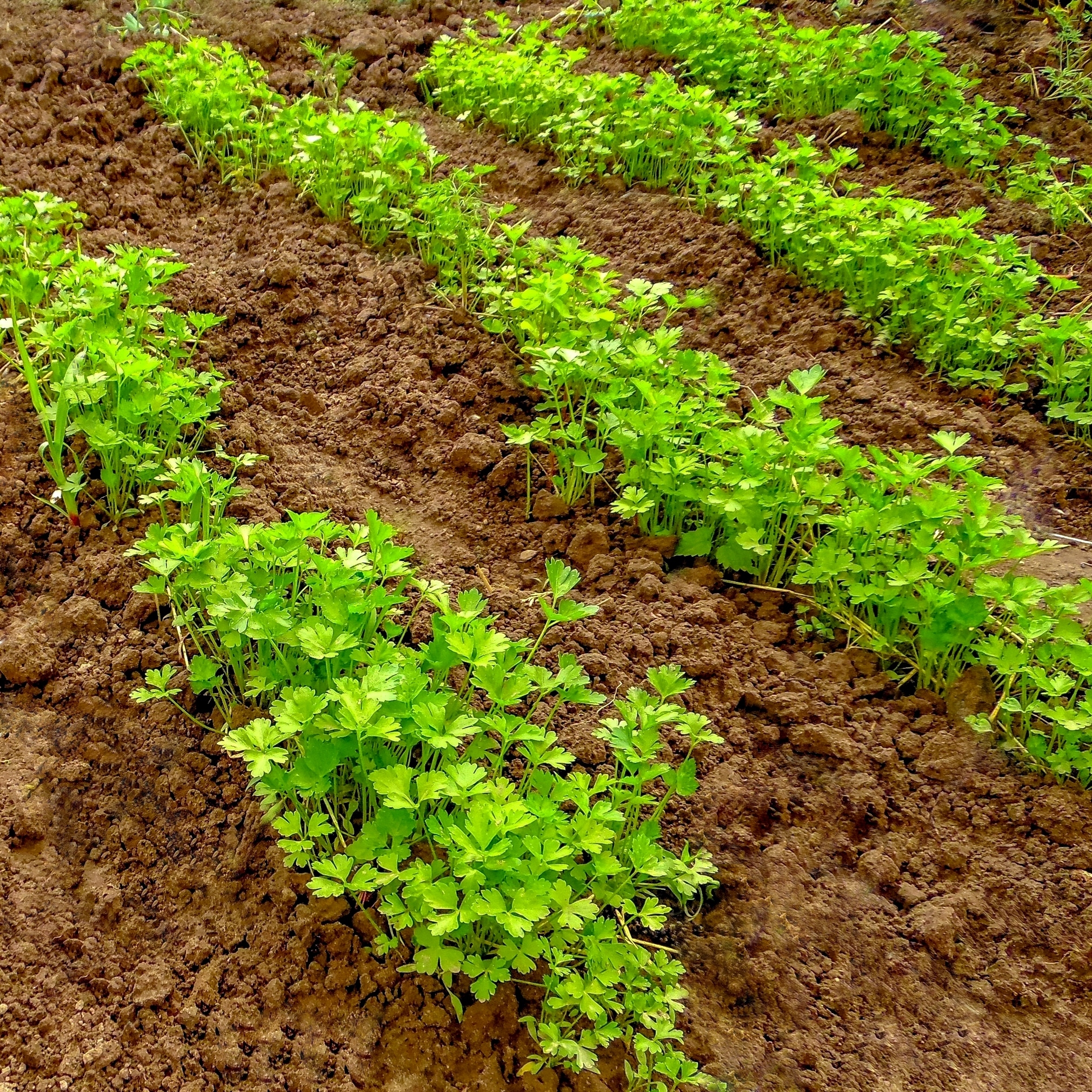
Fall is one of the best seasons for growing parsley. While parsley can be planted in spring, autumn plantings often produce the healthiest and most productive plants because cooler temperatures encourage steady leaf growth and improve flavor.
The secret to growing successful fall parsley is planting according to soil temperature rather than calendar dates. Parsley is slow to germinate, but once established it is remarkably hardy and can provide fresh leaves through fall, winter, and early spring in many climates.
Parsley is also a long-lasting garden herb. Unlike many annual herbs that decline after summer, parsley can remain productive through cold weather because it tolerates frost and continues producing whenever temperatures rise above freezing.
This guide explains when to plant fall parsley, the differences between flat-leaf and curly parsley, how to overcome slow germination, and how to harvest parsley through winter.
Know What to Plant This Week
Every week I answer the gardener's most important question: what should I plant now? Get seasonal planting advice free — or go Pro for my full Soil Temperature Garden Report, with soil temperature, moisture, weather trends, and crop-by-crop recommendations.
Best Soil Temperature for Planting Parsley
Every crop has an ideal soil temperature range for successful germination and establishment. Parsley is a cool-season herb that prefers moderate soil temperatures.
Parsley seeds perform best when planted into cool, moist soil.
- Ideal soil temperature: 50–70°F (10–21°C)
- Minimum soil temperature: about 45°F
- Maximum practical soil temperature: about 75°F
- Expected germination: 14–30 days
Parsley is known for slow germination because seeds contain natural compounds that delay sprouting.
When soil temperatures are between 50° and 70°F:
- Seeds germinate more reliably.
- Seedlings establish before cold weather.
- Plants develop strong roots.
- Leaf production continues into winter.
Harvest to Table Soil Tip
Parsley rewards patience. Soil temperature determines how quickly seeds emerge, but cool air temperatures determine how long plants remain productive. Fall-planted parsley often becomes one of the most dependable winter herbs in the garden.
Why Fall Parsley Performs So Well
Parsley is a biennial plant that naturally prefers cool conditions.
Fall planting offers several advantages:
- Cooler temperatures slow stress.
- Plants develop stronger roots before winter.
- Leaves become more flavorful.
- Bolting is delayed.
- Harvest continues longer.
Parsley grows best when:
- Day temperatures are 50–70°F
- Night temperatures are 40–55°F
Unlike warm-season herbs such as basil, parsley thrives as temperatures decline.
Planting Window by Climate
The goal with fall parsley is to establish plants before the coldest weather arrives.
Plant:
8–10 weeks before your average first hard frost
Cold Climates (Zones 3–5)
Plant:
July through August
Young plants should be established before freezing weather.
Moderate Climates (Zones 6–7)
Plant:
August through September
This provides strong fall growth and winter harvests.
Mild Climates (Zones 8–10)
Plant:
September through November
Parsley can often grow continuously through winter.
Flat-Leaf vs Curly Parsley
Both parsley types grow well in fall gardens, but they have different characteristics.
| Type | Characteristics | Best Uses |
|---|---|---|
| Flat-leaf (Italian parsley) | Strong flavor, tender leaves, easier to chop | Cooking, sauces, salads |
| Curly parsley | Ruffled leaves, milder flavor, decorative appearance | Garnishes, borders, containers |
Flat-Leaf Parsley
Also called Italian parsley.
Advantages:
- Stronger flavor.
- Easier to harvest.
- Better texture for cooking.
- More widely used by chefs.
Popular varieties:
- Italian Giant
- Gigante d’Italia
- Forest Green
Curly Parsley
Advantages:
- Attractive foliage.
- Compact growth.
- Good container plant.
- Holds shape well.
Popular varieties:
- Moss Curled
- Extra Curled Dwarf
For the kitchen garden, many gardeners prefer flat-leaf parsley because of its flavor and ease of use.
Overcoming Slow Germination
Parsley is famous for testing a gardener’s patience.
Seeds may take:
2–4 weeks to emerge
Improve germination by:
- Soaking seeds overnight before planting.
- Keeping soil consistently moist.
- Planting shallowly.
- Avoiding crusted soil surfaces.
Do not allow the seedbed to dry during germination.
A common mistake is assuming parsley seeds failed when they simply need more time.
Prepare the Soil
Parsley grows best in fertile, well-drained soil.
Before planting:
- Loosen soil 8–10 inches deep.
- Add compost.
- Maintain soil pH between 6.0 and 7.0.
- Remove weeds.
Because parsley develops a long taproot, loose soil encourages stronger growth.
Planting Parsley
Parsley is best grown from seed.
Sow seeds:
- ¼ inch deep.
Spacing:
- 2 inches apart initially.
Thin plants to:
- 6–8 inches apart.
Rows:
- 12 inches apart.
For containers:
- Use pots at least 8 inches deep.
Keep soil evenly moist until seedlings emerge.
Watering Parsley
Parsley prefers consistent moisture.
Provide:
- About 1 inch of water per week.
Dry soil can cause:
- Slow growth.
- Tough leaves.
- Early flowering.
Mulching helps:
- Maintain moisture.
- Moderate soil temperature.
- Protect roots.
Fertilizing Parsley
Parsley is a moderate feeder.
Before planting:
- Add compost.
During growth:
- Side-dress with compost.
- Apply a balanced organic fertilizer if growth slows.
Avoid excessive nitrogen because overly soft growth can reduce flavor.
Winter Tolerance
Parsley is one of the most cold-tolerant culinary herbs.
Established plants tolerate:
- Light frosts.
- Temperatures near freezing.
- Short periods of colder weather.
Protect plants during severe freezes with:
- Row covers.
- Mulch.
- Cold frames.
In mild climates, parsley can remain productive all winter.
Winter Harvesting
One of the greatest advantages of fall parsley is winter harvest.
Harvest:
- Outer leaves first.
- Leave the center growing.
Best harvest practices:
- Pick leaves in the morning.
- Harvest regularly to encourage new growth.
- Protect plants during extreme cold.
Parsley leaves may become slightly sweeter after frost because cold temperatures encourage the plant to convert stored starches into sugars.
In mild climates, fall-planted parsley can provide fresh leaves for many months.
Common Problems
Slow Germination
Usually caused by:
- Dry soil.
- Impatient gardeners.
- Planting too deeply.
Yellow Leaves
Possible causes:
- Nutrient deficiency.
- Overwatering.
- Poor drainage.
Aphids
Control with:
- Strong sprays of water.
- Beneficial insects.
- Insecticidal soap if needed.
Bolting
Parsley may flower after winter as temperatures rise.
Harvest heavily before flowering begins.
Growing Tips
- Plant when soil temperatures reach 50–70°F.
- Expect slow germination.
- Keep soil moist until seedlings emerge.
- Grow both flat-leaf and curly varieties.
- Harvest outer leaves continuously.
- Protect plants during extreme freezes.
- Use fall planting for winter herb harvests.
My Experience Growing Fall Parsley
I’ve grown parsley in different climates, and fall is when this herb becomes one of the most dependable plants in the garden. The challenge with parsley is patience—the seeds take their time, but once established, plants reward the gardener with months of harvest. In summer heat, parsley can struggle, but autumn conditions allow it to grow steadily and develop rich flavor. A well-timed fall planting can provide fresh herbs long after many summer crops have disappeared.
Frequently Asked Questions
What soil temperature is best for planting parsley?
Parsley grows best when planted in soil temperatures between 50° and 70°F.
Why does parsley take so long to germinate?
Parsley seeds naturally germinate slowly and may take 14–30 days to emerge.
Which is better: flat-leaf or curly parsley?
Flat-leaf parsley has stronger flavor and is generally preferred for cooking. Curly parsley is attractive and useful for garnishes.
Can parsley survive winter?
Yes. Established parsley tolerates frost and can often be harvested throughout winter.
How long does parsley take to grow?
Parsley usually takes 70–90 days from planting to a full harvest, although leaves can be harvested earlier.
Can parsley be grown in containers?
Yes. Parsley grows well in containers at least 8 inches deep.
How do I keep parsley growing longer?
Harvest outer leaves regularly and protect plants during severe freezes.
Does parsley come back every year?
Parsley is a biennial. It produces leaves the first year and flowers the second year.
Fall Garden Planting Calendar
| Stage | Best Conditions |
| Ideal soil temperature for planting | 50–70°F (10–21°C) |
| Planting window | 8–10 weeks before average first hard frost |
| Days to germination | 14–30 days |
| Days to harvest | 70–90 days for mature plants |
| Best harvest temperatures | Days: 50–70°F (10–21°C) • Nights: 40–55°F (4–13°C) |
| Winter tolerance | Excellent; tolerates frost and cool weather |
Tip: Parsley takes patience at the beginning but rewards gardeners with months of harvest. Plant when soil temperatures reach 50–70°F, keep the seedbed moist, and allow cool weather to extend the harvest season.
The Soil Temperature Takeaway
After decades of growing herbs and vegetables in different climates, I’ve learned that parsley is a lesson in patience and timing. The slow germination can make gardeners think something went wrong, but once established, parsley is remarkably resilient. Fall planting gives parsley the conditions it prefers: moderate soil temperatures for establishment and cool air temperatures for steady growth. By planting according to soil temperature rather than the calendar, gardeners can enjoy fresh parsley through the coldest months of the year.
Plant by soil temperature. Harvest by air temperature.
Continue Growing Your Fall Garden
This article is part of the Harvest to Table Fall Planting Through Harvest Series, a collection of crop-by-crop guides that show you the best soil temperature for planting, the ideal planting window by climate, and the temperatures that produce the highest-quality harvests. If you’re planning an entire fall vegetable garden, start with The Complete Guide to Fall Vegetable Gardening: Planning, Planting, Growing, and Harvesting, then explore the crop guides below for detailed planting and growing advice.
Browse the Series
🥬 Leafy Greens
🥕 Root Crops
🥦 Brassicas
🧅 Alliums
🌱 Legumes
🌿 Herbs