How to Grow Fall Leeks: Planting Through Harvest

Fall is an important season for growing leeks because this long-season vegetable needs months to develop thick, tender stalks. Unlike fast-growing cool-season crops, leeks are planted well before harvest and continue gaining size as temperatures cool.
The secret to growing successful leeks is understanding that they are a long-term garden investment. Seeds are started months before planting, young plants are transplanted into the garden during the growing season, and harvest often extends through fall and winter.
Leeks are among the most cold-tolerant vegetables in the garden. Their ability to withstand freezing temperatures makes them one of the best crops for extending the harvest season.
This guide explains when to plant fall leeks, how to time transplants, how hilling creates tender white stems, and how to harvest leeks through winter.
Know What to Plant This Week
Every week I answer the gardener's most important question: what should I plant now? Get seasonal planting advice free — or go Pro for my full Soil Temperature Garden Report, with soil temperature, moisture, weather trends, and crop-by-crop recommendations.
Best Soil Temperature for Planting Leeks
Every vegetable has an ideal soil temperature range for successful establishment. Leeks are a cool-season crop that can tolerate a wide range of temperatures, but they establish best in moderate soil conditions.
Leek seeds perform best when planted into cool, moist soil.
- Ideal soil temperature for germination: 55–70°F (13–21°C)
- Minimum soil temperature: about 45°F
- Expected germination: 10–20 days
When soil temperatures are between 55° and 70°F:
- Seeds germinate reliably.
- Seedlings develop strong roots.
- Transplants establish more quickly.
- Plants prepare for long-term growth.
Harvest to Table Soil Tip
Leeks are planted in moderate soil temperatures but harvested during cool and cold weather. Soil temperature helps establish the crop, while seasonal air temperatures determine the pace of growth and winter harvest quality.
The Long Growing Season of Leeks
Leeks are one of the longest-growing vegetables in the garden.
From seed to harvest:
120–180 days
Some varieties require even longer.
Their long growing season includes:
- Seed starting.
- Seedling development.
- Transplanting.
- Bulking up through summer and fall.
- Winter harvesting.
Because leeks grow slowly, gardeners should plan them well ahead of harvest.
Unlike lettuce or radishes, leeks are not a crop to plant at the last minute for a fall harvest.
Planting Window by Climate
The timing of leeks depends on whether you are growing for fall harvest, winter harvest, or overwintering.
Cold Climates (Zones 3–5)
Start seeds:
January through March
Transplant:
May through June
Harvest:
September through winter
Moderate Climates (Zones 6–7)
Start seeds:
January through March
Transplant:
April through May
Harvest:
Fall through winter
Mild Climates (Zones 8–10)
Start seeds:
Late winter through spring
Transplant:
Spring through early summer
Harvest:
Fall through winter and early spring
In mild climates, leeks are especially valuable because they can remain in the garden for extended harvest.
Transplant Timing for Leeks
Most gardeners grow leeks from transplants rather than direct sowing because the crop requires a long growing season.
Transplant when seedlings are:
- About 6–10 inches tall.
- Pencil thickness or slightly smaller.
- Strong enough to handle outdoor conditions.
Typical transplant timing:
8–12 weeks after sowing seeds
Before transplanting:
- Harden seedlings for several days.
- Trim tops slightly if plants are tall.
- Water thoroughly.
Leeks tolerate transplanting well and actually benefit from being planted deeply.
How to Plant Leeks
Planting depth affects the final harvest.
Traditional method:
- Make a hole 4–6 inches deep.
- Drop the leek seedling into the hole.
- Do not fill soil tightly around the stem.
- Water to settle soil around roots.
Spacing:
- 4–6 inches apart.
Rows:
- 12–18 inches apart.
For larger leeks:
- Give plants more space.
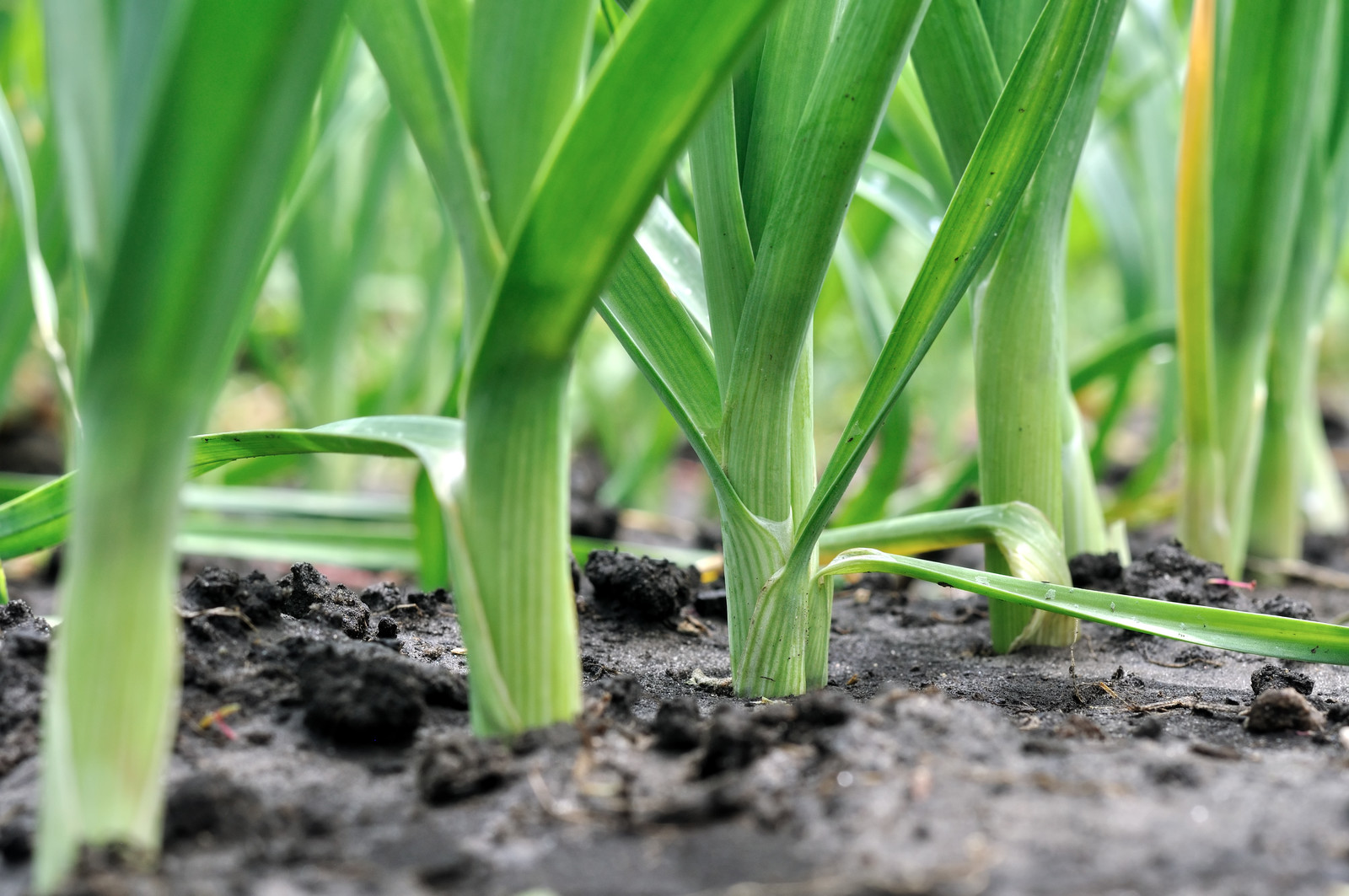
Hilling for White Tender Stems
The edible portion of a leek is the tender white and light green stem.
Hilling increases the length of the white stem.
As plants grow:
- Pull soil around the base.
- Add compost or mulch.
- Cover lower stems gradually.
Benefits of hilling:
- Produces longer white stems.
- Keeps stems tender.
- Protects plants from cold.
- Reduces exposure to sunlight.
Avoid piling soil into the center of leaves because trapped soil can be difficult to remove at harvest.
Leek Growing Tip
The larger the hill around the leek, the longer the blanched white stem. Begin hilling when plants are established and continue gradually through the growing season.
Winter Harvest and Cold Tolerance
Leeks are among the best vegetables for winter harvesting.
Established plants tolerate:
- Temperatures into the teens°F.
- Repeated frosts.
- Snow cover in many climates.
Cold weather can actually improve flavor because freezing temperatures encourage the plant to convert stored starches into sugars.
For winter harvest:
- Mulch heavily in cold climates.
- Harvest the largest plants first.
- Leave smaller plants to continue growing.
In mild climates, leeks may remain harvestable for months.
Watering Leeks
Leeks require consistent moisture throughout their long growing season.
Provide:
- About 1 inch of water per week.
Critical periods:
- After transplanting.
- During summer growth.
- During bulb enlargement.
Dry conditions can result in:
- Thin stems.
- Tough texture.
- Slower growth.
Mulch helps:
- Maintain moisture.
- Suppress weeds.
- Moderate soil temperature.
Fertilizing Leeks
Leeks are heavy feeders compared with many cool-season crops.
Before planting:
- Add compost.
- Incorporate aged manure if available.
During growth:
- Side-dress with compost.
- Apply nitrogen fertilizer if growth is pale or slow.
Avoid excessive nitrogen late in the season because it may delay maturity.
Common Problems
Thin Stems
Caused by:
- Crowded planting.
- Poor fertility.
- Short growing season.
Solution:
- Plant early.
- Space properly.
- Provide fertile soil.
Leek Moth
Signs:
- Damaged leaves.
- Tunnels in foliage.
Control:
- Use row covers.
- Remove damaged leaves.
Poor Blanching
Caused by:
- Insufficient hilling.
- Shallow planting.
Harvesting Leeks
Leeks can be harvested at different sizes.
Young leeks:
- Tender.
- Mild flavor.
- Good for quick cooking.
Mature leeks:
- Thick stems.
- Stronger flavor.
- Better storage.
Harvest:
- Loosen soil with a fork.
- Lift gently.
- Remove damaged outer leaves.
Best harvest period:
Fall through winter
Growing Tips
- Plan early because leeks need a long growing season.
- Transplant seedlings rather than waiting to direct sow.
- Hill soil around stems for longer white sections.
- Keep soil consistently moist.
- Mulch for winter protection.
- Harvest gradually through cold weather.
My Experience Growing Fall Leeks
I’ve grown leeks in different climates, and they are one of the crops that teach gardeners the value of patience. They do not provide instant gratification like radishes or lettuce, but the reward comes months later when fresh vegetables are available in the garden during the coldest part of the year. The key to success is planning ahead—leeks need time to establish, but once mature they are among the most dependable winter crops.
Frequently Asked Questions
What soil temperature is best for planting leeks?
Leeks germinate best when soil temperatures are between 55° and 70°F.
How long do leeks take to grow?
Leeks usually require 120–180 days from seed to harvest.
When should leeks be transplanted?
Transplant leeks when seedlings are 6–10 inches tall and about pencil thickness.
Why do gardeners hill leeks?
Hilling covers the lower stems, creating longer, tender white sections.
Can leeks survive winter?
Yes. Established leeks tolerate freezing temperatures and can often be harvested throughout winter.
Are leeks better after frost?
Yes. Cold temperatures can improve flavor by increasing natural sweetness.
Can leeks be grown from seed?
Yes, but because they grow slowly, most gardeners start seeds indoors and transplant seedlings.
When should I harvest winter leeks?
Harvest when plants reach desired size, usually from fall through winter.
Fall Garden Planting Calendar
| Stage | Best Conditions |
|---|---|
| Ideal soil temperature for germination | 55–70°F (13–21°C) |
| Growing season | 120–180 days |
| Transplant timing | 8–12 weeks after sowing seeds |
| Best transplant size | 6–10 inches tall; pencil thickness |
| Harvest season | Fall through winter |
| Cold tolerance | Excellent; tolerates temperatures into the teens°F when established |
Tip: Leeks are a crop of patience. Plant early, transplant at the right size, and use hilling to create tender white stems that can be harvested throughout fall and winter.
The Soil Temperature Takeaway
After decades of growing vegetables in different climates, I’ve learned that long-season crops like leeks reward gardeners who plan ahead. Soil temperature determines when seedlings establish and transplants succeed, but patience determines the final harvest. Leeks grow quietly through the seasons, becoming sweeter and more tender as temperatures cool. By planting with the seasons rather than rushing the calendar, gardeners can harvest fresh vegetables even in the heart of winter.
Plant by soil temperature. Harvest by air temperature.
Continue Growing Your Fall Garden
This article is part of the Harvest to Table Fall Planting Through Harvest Series, a collection of crop-by-crop guides that show you the best soil temperature for planting, the ideal planting window by climate, and the temperatures that produce the highest-quality harvests. If you’re planning an entire fall vegetable garden, start with The Complete Guide to Fall Vegetable Gardening: Planning, Planting, Growing, and Harvesting, then explore the crop guides below for detailed planting and growing advice.
Browse the Series
🥬 Leafy Greens
🥕 Root Crops
🥦 Brassicas
🧅 Alliums
🌱 Legumes
🌿 Herbs