How to Grow Fall Arugula: Planting Through Harvest

Fall is one of the best seasons for growing arugula. While arugula can be grown throughout the year in mild climates, autumn plantings produce the sweetest, most tender leaves. Warm soil encourages rapid germination and strong early growth, while cool temperatures create the mild peppery flavor that makes arugula a favorite salad green.
The secret to growing excellent fall arugula is planting according to soil temperature rather than calendar dates. Arugula grows quickly, but heat stress can cause leaves to become overly spicy and plants to bolt. By establishing plants as summer heat declines, gardeners can enjoy continuous harvests of tender greens well into fall and winter.
This guide explains when to plant, how to grow healthy arugula, and how to harvest leaves at peak flavor.
Best Soil Temperature for Planting
Every vegetable has an ideal soil temperature for germination. Planting within that range produces faster emergence, stronger seedlings, and more dependable harvests.
Know What to Plant This Week
Every week I answer the gardener's most important question: what should I plant now? Get seasonal planting advice free — or go Pro for my full Soil Temperature Garden Report, with soil temperature, moisture, weather trends, and crop-by-crop recommendations.
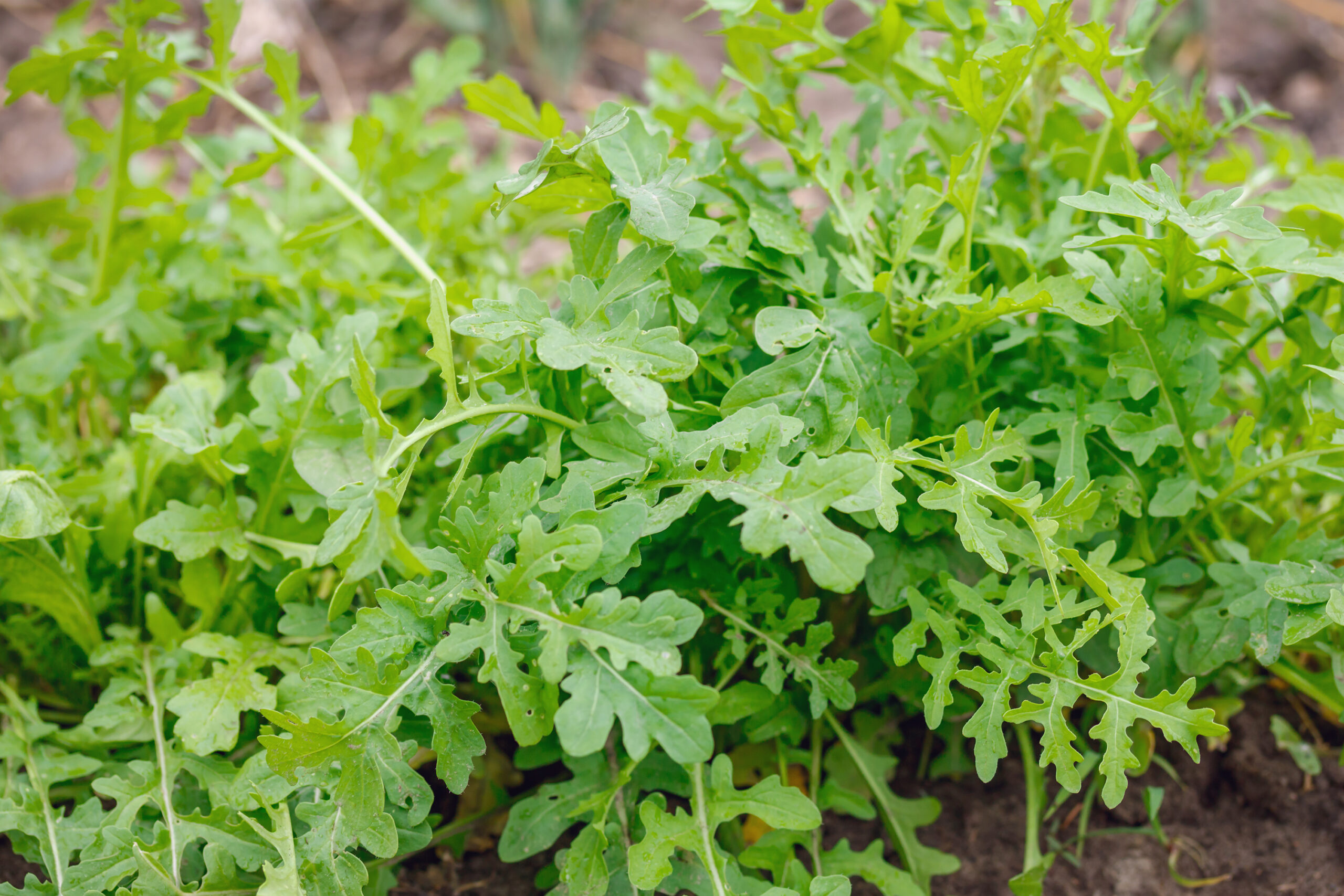
Arugula is a cool-season member of the mustard family (Brassicaceae) that germinates quickly and thrives in cool autumn conditions.
- Ideal soil temperature: 50–70°F (10–21°C)
- Minimum soil temperature: about 40°F
- Maximum practical soil temperature: about 80°F
- Expected germination: 3–7 days
Arugula can germinate in cooler soil than many vegetables, making it one of the best choices for extending the fall growing season.
If planting while soil is still warm:
- Water the seedbed before sowing.
- Provide temporary shade.
- Keep the soil surface moist.
- Sow small amounts frequently.
Projected harvest temperatures
Arugula produces the best flavor when daytime temperatures range between 45° and 65°F (7–18°C) and nighttime temperatures fall between 35° and 50°F (2–10°C).
Cool weather creates:
- Tender leaves
- Balanced peppery flavor
- Slower bolting
Hot weather often causes:
- Strong bitterness
- Tough leaves
- Flowering
Harvest to Table Soil Tip
Soil temperature determines how quickly seeds germinate and roots establish. Air temperature determines the quality of the harvest. That’s why successful fall gardening starts by planting into warm soil and finishes with crops maturing in cool autumn weather.
When to Plant Fall Arugula
Because arugula matures quickly, it is one of the best vegetables for succession planting.
Begin sowing 4 to 8 weeks before your average first fall frost.
For continuous harvests, sow seeds every 10 to 14 days.
General planting windows:
- Northern gardens: July through September
- Mid-latitude gardens: August through October
- Mild winter climates: September through November
In mild climates, fall-planted arugula can continue producing through winter.
Choose the Right Variety
Most arugula varieties perform well in fall gardens.
Excellent choices include:
Standard Arugula
- Astro
- Sylvetta
- Rocket
- Rustic
Wild Arugula
- Diplotaxis tenuifolia varieties
Wild arugula grows more slowly but often produces a stronger flavor and longer harvest season.
Prepare the Soil
Arugula grows best in fertile, moisture-retentive soil.
Before planting:
- Loosen soil 6 to 8 inches deep.
- Add finished compost.
- Maintain soil pH between 6.0 and 7.0.
- Remove weeds before sowing.
Because arugula grows quickly, fertile soil produces the most tender leaves.
Planting
Sow seeds:
- ¼ inch deep
- 1 inch apart
Thin seedlings to:
- 3 to 6 inches apart for full-size plants.
For baby greens:
- Plants can be grown closer together and harvested young.
Space rows:
- 6 to 12 inches apart.
Succession sowing is the best strategy for a continuous harvest.
Water Consistently
Arugula has shallow roots and requires steady moisture.
Provide:
- About 1 inch of water per week
Uneven moisture can cause:
- Bitter flavor
- Tough leaves
- Slow growth
Mulch helps maintain consistent soil moisture.
Fertilizing
Arugula is a fast-growing leafy green that benefits from fertile soil.
Before planting:
- Add compost.
During growth:
- Side-dress with compost or a mild nitrogen fertilizer if leaves become pale.
Avoid excessive nitrogen, which can create overly soft growth.
Common Problems
Bolting
The most common problem with arugula.
Caused by:
- Hot weather
- Long days
- Drought stress
Fall planting greatly reduces bolting.
Flea Beetles
Protect young seedlings with floating row covers.
Aphids
Wash plants with water or use insecticidal soap.
Slow Growth
Usually caused by:
- Cold soil
- Poor fertility
- Lack of moisture
Harvest
Arugula is one of the fastest vegetables to harvest.
Typical maturity:
- Baby leaves: 20–30 days
- Mature leaves: 40–50 days
Harvest:
- Cut outer leaves for continued production.
- Harvest entire plants when young and tender.
- Pick before flowering for best flavor.
Morning harvests provide the crispest leaves.
Growing Tips
- Sow every 10 to 14 days.
- Harvest young for mild flavor.
- Keep soil consistently moist.
- Protect seedlings from flea beetles.
- Grow under row covers for extended fall and winter harvests.
- Let cool weather improve flavor.
My Experience Growing Fall Arugula
I’ve grown arugula in gardens across different climates, and fall is when this crop truly shines. During summer, arugula can quickly become sharp and bitter, but autumn temperatures transform it into a tender, flavorful green. The key is establishing plants while soil temperatures still support quick germination, then allowing cool weather to slow growth naturally. A well-timed fall planting can provide fresh salad greens long after summer crops have finished.
Frequently Asked Questions
What soil temperature is best for planting arugula?
Arugula germinates best when soil temperatures range between 50° and 70°F.
How long does arugula take to grow?
Baby arugula can be harvested in about 20 to 30 days, while mature leaves take 40 to 50 days.
Does arugula tolerate frost?
Yes. Arugula tolerates light frosts, and cool temperatures often improve flavor.
Why is my arugula bitter?
Heat, drought stress, and delayed harvest commonly increase bitterness.
How often should arugula be watered?
Keep soil consistently moist with about 1 inch of water per week.
Can I grow arugula in containers?
Yes. Arugula grows well in containers at least 6 inches deep.
Can I harvest arugula more than once?
Yes. Harvest outer leaves and allow the center to continue producing.
Why did my arugula flower?
High temperatures, long days, and plant stress can trigger bolting.
Fall Garden Planting Calendar
| Stage | Best Conditions |
|---|---|
| Ideal soil temperature for sowing | 50–70°F (10–21°C) |
| Planting window | 4–8 weeks before your average first fall frost |
| Days to maturity | 20–30 days for baby leaves; 40–50 days for mature leaves |
| Best harvest temperatures | Days: 45–65°F (7–18°C) • Nights: 35–50°F (2–10°C) |
| Frost tolerance | Good. Light frost improves flavor; prolonged freezes can damage leaves. |
Tip: Arugula germinates quickly in cool soil and improves as autumn temperatures decline. Plant while soil is warm enough for rapid growth, then let cool weather create sweeter, more tender leaves.
The Soil Temperature Takeaway
After decades of growing vegetables in different climates, I’ve learned that arugula is one of the clearest examples of how season affects flavor. Warm soil gives seeds a quick start, but cool autumn temperatures create the tender leaves and balanced peppery flavor gardeners want. The best arugula is not rushed—it is planted at the right soil temperature and harvested during the cool conditions that naturally improve quality. Rather than relying on planting dates alone, use soil temperature to know when to plant and air temperature to know when your arugula will reach its finest eating quality.
Plant by soil temperature. Harvest by air temperature.
Continue Growing Your Fall Garden
This article is part of the Harvest to Table Fall Planting Through Harvest Series, a collection of crop-by-crop guides that show you the best soil temperature for planting, the ideal planting window by climate, and the temperatures that produce the highest-quality harvests. If you’re planning an entire fall vegetable garden, start with The Complete Guide to Fall Vegetable Gardening: Planning, Planting, Growing, and Harvesting, then explore the crop guides below for detailed planting and growing advice.
Browse the Series
🥬 Leafy Greens
🥕 Root Crops
🥦 Brassicas
🧅 Alliums
🌱 Legumes
🌿 Herbs