How to Successfully Start Fall Vegetables During Summer Heat

One of the biggest challenges in vegetable gardening is starting cool-season crops while summer is still in full swing.
It can seem contradictory: you’re sowing seeds for broccoli, spinach, lettuce, and carrots while tomatoes are ripening, peppers are coloring, and afternoon temperatures still reach the upper 80s or even the 90s. Yet this overlap is exactly what makes a productive fall garden possible. Waiting for cooler weather often means waiting too long.
After decades of growing vegetables in climates ranging from Iowa and Massachusetts to Northern California, I’ve learned that success depends less on the calendar than on managing the environment around young plants. By cooling the soil, conserving moisture, and protecting seedlings from intense sun, you can establish vigorous fall crops even during the hottest weeks of late summer.
Here’s how to give cool-season vegetables the best possible start.
Know What to Plant This Week
Every week I answer the gardener's most important question: what should I plant now? Get seasonal planting advice free — or go Pro for my full Soil Temperature Garden Report, with soil temperature, moisture, weather trends, and crop-by-crop recommendations.
Why Summer Heat Makes Fall Planting Difficult
Most fall vegetables are naturally adapted to cool weather. Their seeds germinate best in moderate soil temperatures, and young seedlings grow most vigorously when daytime temperatures are mild and nights begin to cool.
Late-summer gardens present several obstacles:
- Hot soil slows or prevents germination.
- Intense afternoon sun dries seedbeds quickly.
- Warm nights reduce plant recovery.
- Frequent irrigation can form a hard soil crust.
- Young seedlings wilt easily before their roots become established.
Fortunately, each of these challenges has a practical solution.
Cool the Soil Before You Plant
The temperature of the soil is often more important than the air temperature.
Many cool-season vegetables—including lettuce, spinach, and some Asian greens—germinate best when soil temperatures are between 60°F and 75°F. When the soil remains above about 80°F, germination may be slow, uneven, or poor.
Several days before planting:
- Water the bed deeply to lower soil temperature.
- Lightly cultivate the surface to break any crust.
- Avoid planting during the hottest part of the day.
- Measure soil temperature with a soil thermometer inserted about 4 inches deep.
If possible, sow seeds in the evening or early morning, when the soil has cooled overnight.
In my own garden, I pay more attention to soil temperature than the date on the calendar. A few degrees can make a remarkable difference in germination.
Use Shade Cloth to Protect Young Seedlings
Temporary shade is one of the most effective tools for establishing fall vegetables.
A 30% to 40% shade cloth reduces afternoon heat while allowing enough sunlight for healthy growth.
Shade cloth helps by:
- Lowering soil temperatures
- Reducing moisture loss
- Preventing seedbeds from overheating
- Protecting tender seedlings from sunscald
- Reducing transplant stress
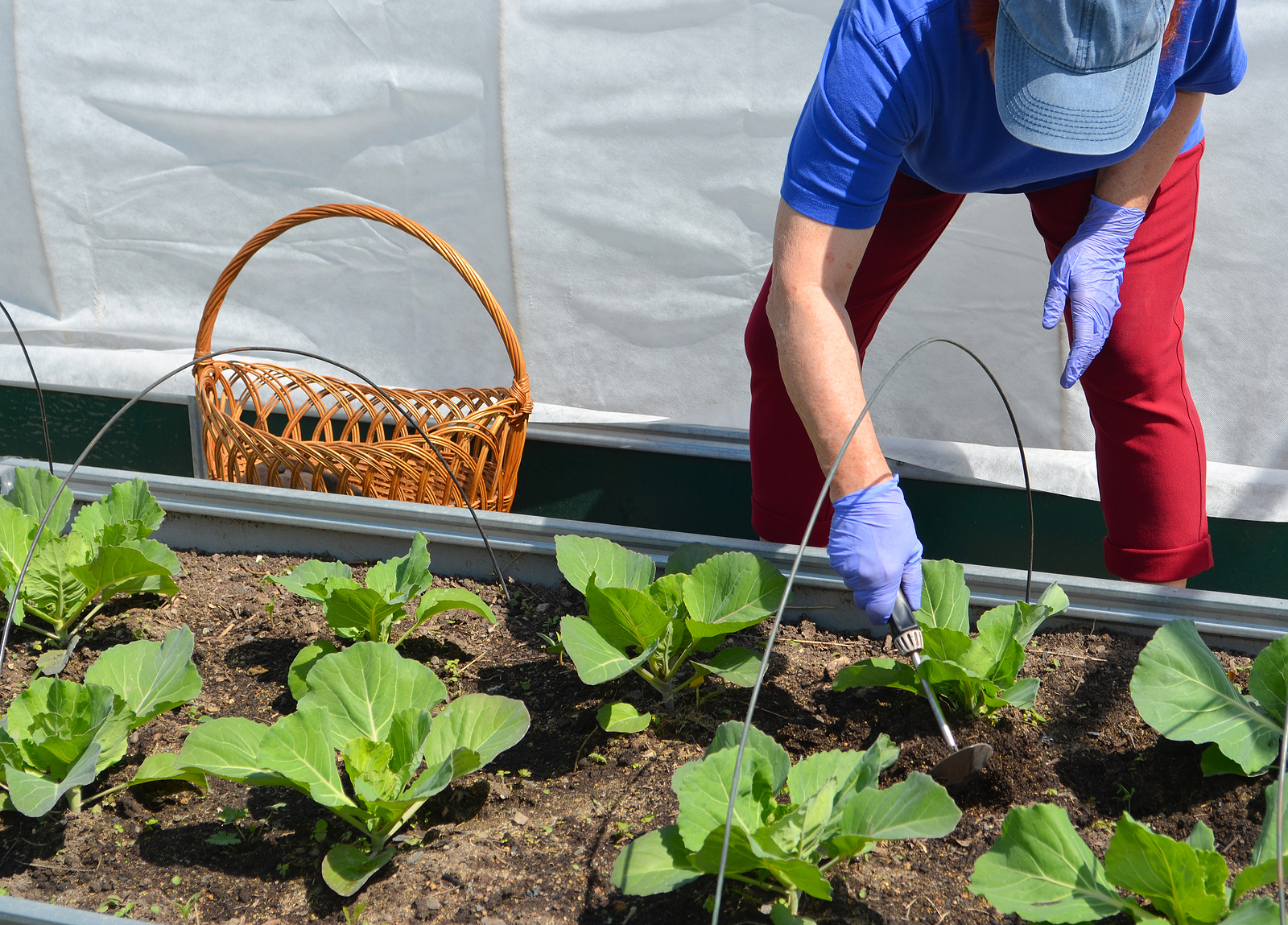
Support the cloth above the crop using hoops or stakes so air circulates freely. Once seedlings are well established or daytime temperatures begin to moderate, gradually remove the shade.
Irrigate for Consistent Moisture
Seeds cannot germinate if they repeatedly dry out.
During hot weather, the goal is to keep the seed zone consistently moist—not saturated.
For direct-seeded crops:
- Water thoroughly before planting.
- Keep the top inch of soil evenly moist until seedlings emerge.
- Irrigate lightly whenever the surface begins to dry.
After seedlings are established:
- Water deeply but less frequently.
- Encourage roots to grow downward.
- Avoid frequent shallow watering that produces weak root systems.
Drip irrigation or soaker hoses are especially valuable because they deliver water directly to the soil while keeping foliage dry.
Help Seeds Germinate Evenly
Good germination begins with careful planting.
Plant seeds at the recommended depth—generally about two to three times the seed’s diameter.
Firm the soil gently over the seed to ensure good contact without compacting the soil.
Some gardeners presoak larger seeds such as beets before planting to speed germination. Others lightly cover seed rows with burlap, boards, or damp newspaper for a few days to reduce evaporation until sprouts appear. Remove these coverings immediately once seedlings emerge.
Small improvements during germination often lead to much stronger stands of vegetables.
Apply Mulch After Seedlings Emerge
Mulch is one of the best tools for managing late-summer conditions.
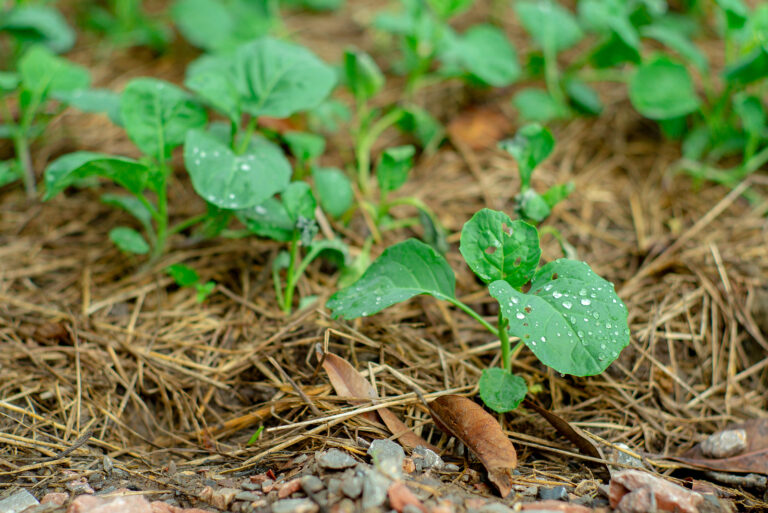
Wait until seedlings are several inches tall before applying mulch around them.
Organic mulches help:
- Moderate soil temperatures
- Reduce evaporation
- Suppress weeds
- Minimize soil crusting
- Improve soil structure as they decompose
I prefer clean straw, shredded leaves, compost, or untreated grass clippings applied in a thin layer around plants.
Avoid burying tiny seedlings beneath heavy mulch.
Transplant Whenever Practical
Some cool-season vegetables establish more reliably as transplants than from direct sowing during hot weather.
Excellent candidates include:
- Broccoli
- Cabbage
- Cauliflower
- Brussels sprouts
- Kale
- Collards
When transplanting:
- Plant in the evening or on a cloudy day.
- Water seedlings thoroughly before planting.
- Water immediately after transplanting.
- Provide temporary shade for several days if temperatures remain high.
Starting transplants in a protected location allows you to avoid the most difficult germination conditions while giving plants a healthy head start.
Take Advantage of Cooler Microclimates
Every garden has slightly cooler locations.
Look for planting areas that receive:
- Morning sun and afternoon shade
- Shade from taller crops
- Protection from hot afternoon winds
- Better soil moisture retention
I often sow lettuce and spinach on the east side of taller tomato plants or corn before those summer crops are removed. The temporary shade creates a more favorable environment until cooler weather arrives.
Watch the Weather
Late summer weather often changes quickly.
A forecast of several cooler days, cloudy weather, or light rain provides an excellent opportunity to sow seeds or set out transplants.
Rather than planting on a fixed calendar date, I often wait a few days for favorable conditions. The result is usually faster germination and healthier seedlings.
Patience Pays Off
Starting a fall garden during summer heat requires more attention than planting in spring, but the rewards are well worth the effort.
By cooling the soil, using shade cloth, maintaining even moisture, applying mulch, and choosing the right planting methods, you can establish strong cool-season vegetables while summer crops are still producing.
Those early efforts position your garden for one of the year’s most productive harvest seasons. As temperatures moderate and nights become cooler, fall vegetables often grow rapidly, producing crisp greens, sweet roots, and flavorful brassicas that many gardeners consider the finest harvests of the entire year.
Summer-to-Fall Planting Checklist
Before sowing or transplanting fall vegetables during hot weather, remember to:
- Check soil temperature before planting.
- Water beds thoroughly to cool the soil.
- Sow seeds in the evening or early morning.
- Install shade cloth over seedbeds and transplants.
- Keep the seed zone consistently moist until germination.
- Mulch after seedlings become established.
- Transplant brassicas during cooler parts of the day.
- Take advantage of temporary shade from existing summer crops.
- Watch the weather and plant ahead of cooler conditions.
A little extra care during establishment leads to healthier plants, better yields, and a fall garden that keeps producing long after summer has ended.
This article is part of my fall gardening series—see The Complete Guide to Fall Vegetable Gardening: Planning, Planting, Growing, and Harvesting for the full seasonal framework.
Further Reading
- The Best Vegetables to Grow in a Fall Garden
Start here to choose the right crops. - When to Plant Fall Vegetables: Soil Temperature, First Frost Dates, and Nature’s Signals
Learn how to determine the ideal planting time using three reliable seasonal indicators. - The Harvest to Table Soil Temperature Guide for Fall Vegetables
Learn which soil temperatures signal it’s time to plant each crop. - Fall Vegetable Planting Calendar by USDA Zone
Translate soil temperatures into planting dates for your region. - How to Transition Your Vegetable Garden from Summer to Fall
Prepare beds, remove spent crops, and get the garden ready. - How to Successfully Start Fall Vegetables During Summer Heat
Overcome the biggest challenge of fall gardening—getting seeds and transplants established in hot weather. - The Best Fall Vegetable Varieties for Reliable Harvests
Choose varieties that mature quickly and tolerate cooler weather. - How to Care for Fall Vegetable Crops
Keep plants growing through autumn with proper watering, feeding, and frost protection. - When and How to Harvest Fall Vegetables
Know when crops reach peak flavor and quality. - What to Do in the Vegetable Garden Each Month: July Through November
Use this month-by-month guide as your seasonal checklist from planting through harvest.