How to Transition Your Vegetable Garden from Summer to Fall

The transition from summer to fall is one of the busiest—and most rewarding—times in the vegetable garden.
While tomatoes, peppers, cucumbers, and squash may still be producing, it’s already time to prepare for broccoli, carrots, lettuce, spinach, kale, and other cool-season crops. Successful gardeners don’t wait until summer crops are finished before thinking about fall. They overlap seasons by removing declining plants, improving the soil, and planting new crops while the weather is still warm.
Over the years, I’ve found that the most productive vegetable gardens are never empty. As one crop begins to fade, another is already taking its place. This continuous approach—using relay planting and succession planting—keeps the garden productive from spring through winter.
Here’s how to make a smooth transition from your summer garden to a thriving fall garden.
Know What to Plant This Week
Every week I answer the gardener's most important question: what should I plant now? Get seasonal planting advice free — or go Pro for my full Soil Temperature Garden Report, with soil temperature, moisture, weather trends, and crop-by-crop recommendations.
Evaluate Your Summer Garden
Before planting anything new, walk through your garden and assess every bed.
Ask yourself:
- Which crops are still productive?
- Which plants have passed their peak?
- Which beds will become available first?
- Where is there open space for new plantings?
Not every summer crop needs to come out immediately. Healthy tomatoes, peppers, eggplants, and pole beans may continue producing for weeks. On the other hand, cucumbers, zucchini, bush beans, lettuce, and bolting herbs often decline by late summer and are good candidates for replacement.
Removing tired plants promptly reduces disease pressure, improves air circulation, and frees valuable growing space.
Remove Crops That Have Finished Producing
Once a crop is no longer producing well, remove it rather than allowing it to occupy valuable space.
Pull plants that are:
- Severely diseased
- Infested with insects
- No longer flowering or setting fruit
- Past their productive life
Healthy, disease-free plants can be chopped into small pieces and added to the compost pile. Plants affected by fungal diseases, bacterial diseases, or viruses should be discarded rather than composted unless your compost pile consistently reaches temperatures high enough to destroy pathogens.
As you remove crops, also remove weeds, old mulch that has broken down excessively, and fallen fruit that may attract pests.
Practice Relay Planting
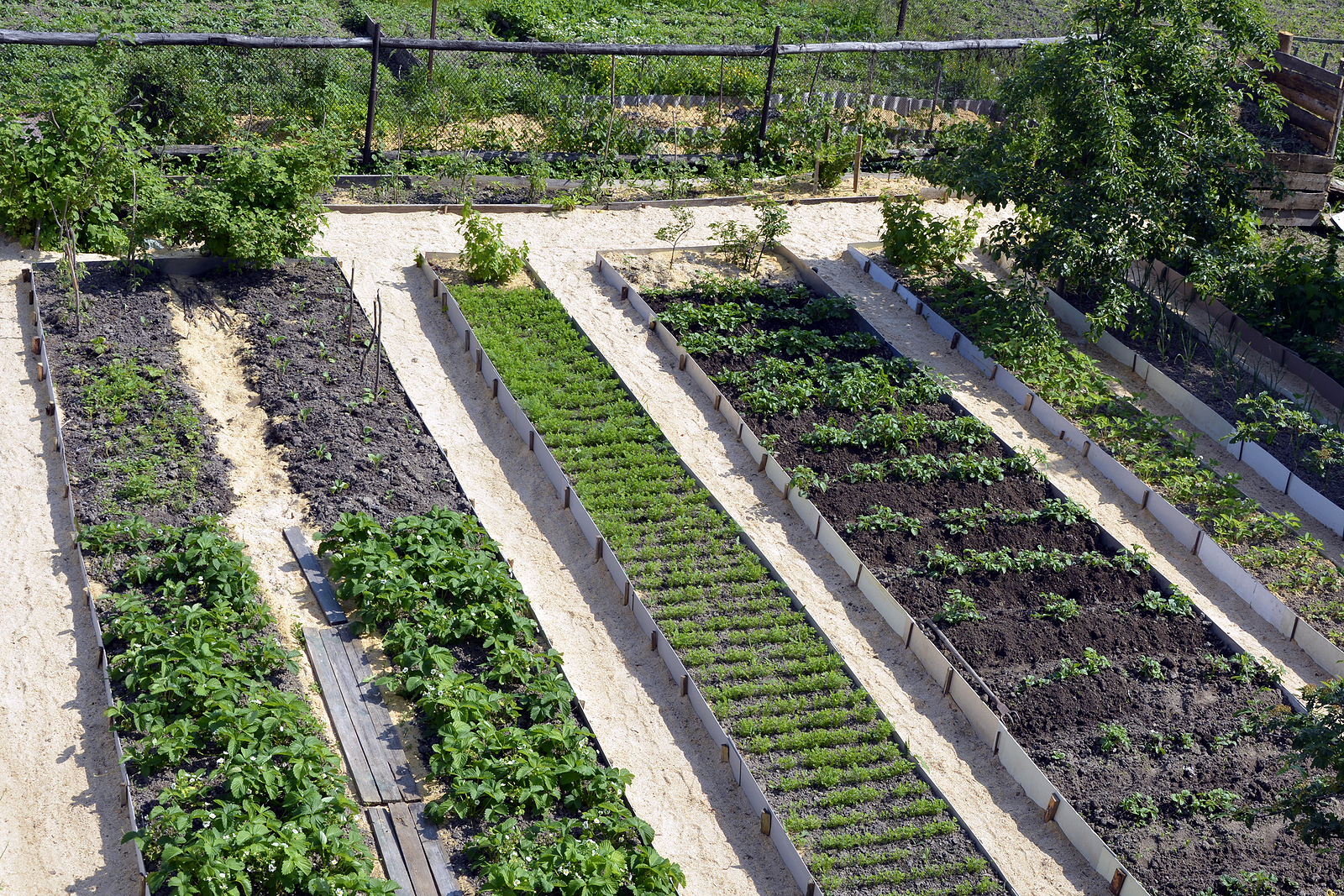
One of the best ways to maximize harvests is through relay planting.
Relay planting means sowing or transplanting the next crop before the current crop has finished.
For example:
- Sow carrots between rows of tomatoes several weeks before the tomatoes are removed.
- Transplant broccoli alongside peppers that are nearing the end of production.
- Start lettuce beneath trellised cucumbers where afternoon shade keeps the soil cooler.
- Seed spinach where sweet corn will soon be harvested.
I’ve used relay planting for years because it eliminates the downtime between crops. As soon as one crop comes out, the next is already established and ready to grow.
Keep the Harvest Going with Succession Planting
Succession planting extends your harvest over many weeks instead of producing one large harvest all at once.
Rather than sowing an entire packet of lettuce or radishes on one day, plant smaller amounts every one to three weeks.
Excellent crops for succession planting include:
- Lettuce
- Spinach
- Radishes
- Carrots
- Beets
- Arugula
- Asian greens
- Cilantro
These repeated sowings provide a continuous supply of fresh vegetables throughout autumn.
Prepare Garden Beds Before Replanting
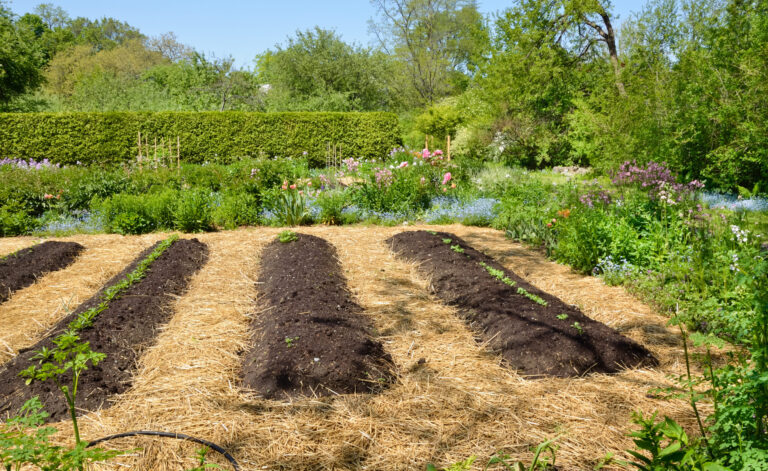
After removing old crops, spend a little time preparing the soil.
Begin by loosening the top several inches of soil if it has become compacted from irrigation or foot traffic.
Remove old roots and large plant debris.
Check your irrigation lines to be sure emitters are working properly and haven’t become clogged during the busy summer season.
Finally, smooth the soil surface so seeds and transplants have good contact with evenly prepared ground.
Healthy soil is one of the greatest advantages you can give fall vegetables.
Add Compost to Rebuild the Soil
Summer vegetables are heavy feeders. By late summer, they’ve removed significant amounts of nutrients from the soil.
Before planting fall crops, spread 1 to 2 inches of finished compost over each bed and gently incorporate it into the top few inches of soil.
Compost improves:
- Soil structure
- Water-holding capacity
- Drainage
- Microbial activity
- Nutrient availability
In my own garden, compost is the foundation of every seasonal transition. It replenishes the soil after months of production and creates an ideal seedbed for cool-season vegetables.
Fertilize for Steady Fall Growth
Most fall vegetables benefit from moderate fertility rather than heavy feeding.
Before planting, apply a balanced organic vegetable fertilizer according to the label directions.
Leafy vegetables appreciate adequate nitrogen for vigorous growth, while root crops generally perform best when excessive nitrogen is avoided.
Once crops begin growing, side-dress long-season vegetables such as broccoli, cabbage, and cauliflower about three to four weeks after planting.
Healthy soil enriched with compost often reduces the need for frequent fertilizer applications.
Adjust Irrigation for the Changing Season
One of the biggest mistakes gardeners make is watering fall crops the same way they watered tomatoes in midsummer.
Newly seeded beds require frequent, light irrigation until seeds germinate.
Once plants become established:
- Water deeply rather than frequently.
- Reduce irrigation as temperatures cool.
- Allow the soil surface to dry slightly between waterings.
- Monitor soil moisture rather than watering by the calendar.
As nights become cooler and evaporation slows, vegetable gardens generally require less water than they did during peak summer heat.
Using a soil moisture meter—or simply checking moisture several inches below the surface—can help prevent both overwatering and underwatering.
Don’t Forget Soil Temperature
Although air temperatures begin cooling in late summer, soil often remains surprisingly warm.
Many cool-season vegetables germinate best when soil temperatures are between 60°F and 75°F.
If the soil is still hot:
- Water the planting bed before sowing.
- Apply a light organic mulch after seedlings emerge.
- Use temporary shade cloth over seedbeds.
- Sow seeds in the evening when soil temperatures are lower.
Monitoring soil temperature provides a much better guide than the calendar alone.
A Smooth Transition Means More Harvests
The best fall gardens don’t begin after summer ends—they begin while summer is still producing.
By removing declining crops promptly, practicing relay and succession planting, rebuilding the soil with compost, adjusting fertilizer and irrigation, and paying attention to soil temperature, you can harvest fresh vegetables continuously from summer into fall and often well into winter.
Every season overlaps the next. Learning to manage those transitions is one of the skills that separates experienced vegetable gardeners from beginners.
Fall Garden Transition Checklist
Before planting your fall garden, make sure you’ve completed these steps:
- Remove declining or diseased summer crops.
- Leave healthy, productive crops in place until they finish.
- Practice relay planting where space allows.
- Plan succession sowings for continuous harvests.
- Remove weeds and plant debris.
- Loosen compacted soil.
- Add 1 to 2 inches of finished compost.
- Apply a balanced organic fertilizer if needed.
- Check and repair irrigation lines.
- Monitor soil temperature before sowing seeds.
- Adjust watering as temperatures begin to cool.
A thoughtful transition now lays the groundwork for months of productive harvests during one of the most enjoyable seasons in the vegetable garden.
This article is part of my fall gardening series—see The Complete Guide to Fall Vegetable Gardening: Planning, Planting, Growing, and Harvesting for the full seasonal framework.
Further Reading
- The Best Vegetables to Grow in a Fall Garden
Start here to choose the right crops. - When to Plant Fall Vegetables: Soil Temperature, First Frost Dates, and Nature’s Signals
Learn how to determine the ideal planting time using three reliable seasonal indicators. - The Harvest to Table Soil Temperature Guide for Fall Vegetables
Learn which soil temperatures signal it’s time to plant each crop. - Fall Vegetable Planting Calendar by USDA Zone
Translate soil temperatures into planting dates for your region. - How to Transition Your Vegetable Garden from Summer to Fall
Prepare beds, remove spent crops, and get the garden ready. - How to Successfully Start Fall Vegetables During Summer Heat
Overcome the biggest challenge of fall gardening—getting seeds and transplants established in hot weather. - The Best Fall Vegetable Varieties for Reliable Harvests
Choose varieties that mature quickly and tolerate cooler weather. - How to Care for Fall Vegetable Crops
Keep plants growing through autumn with proper watering, feeding, and frost protection. - When and How to Harvest Fall Vegetables
Know when crops reach peak flavor and quality. - What to Do in the Vegetable Garden Each Month: July Through November
Use this month-by-month guide as your seasonal checklist from planting through harvest.