When and How to Harvest Fall Vegetables

One of the greatest rewards of a fall vegetable garden is harvest season. Cool days and chilly nights transform many vegetables, producing sweeter carrots, crisper lettuce, richer-flavored broccoli, and kale that becomes noticeably more tender after a light frost.
Knowing when to harvest is just as important as knowing how to harvest. Pick too early, and vegetables may not have developed their best flavor or size. Wait too long, and they may become tough, woody, or damaged by severe cold. Fortunately, most fall vegetables provide clear signals when they’re ready.
After growing vegetables for decades in climates ranging from Iowa and Massachusetts to Northern California, I’ve learned that autumn is often the most forgiving harvest season. Unlike summer vegetables, which can quickly become overripe in hot weather, many fall crops remain in excellent condition for weeks, allowing gardeners to harvest as needed rather than all at once.
Here’s how to harvest fall vegetables for the best flavor, longest storage, and an extended gardening season.
Know What to Plant This Week
Every week I answer the gardener's most important question: what should I plant now? Get seasonal planting advice free — or go Pro for my full Soil Temperature Garden Report, with soil temperature, moisture, weather trends, and crop-by-crop recommendations.
Let Frost Improve Flavor
Many gardeners worry about frost, but light frosts actually improve the quality of numerous cool-season vegetables.
As temperatures approach freezing, many plants respond by converting stored starches into sugars. This natural process acts like antifreeze inside plant cells and produces noticeably sweeter vegetables.
Crops that often improve after light frost include:
- Carrots
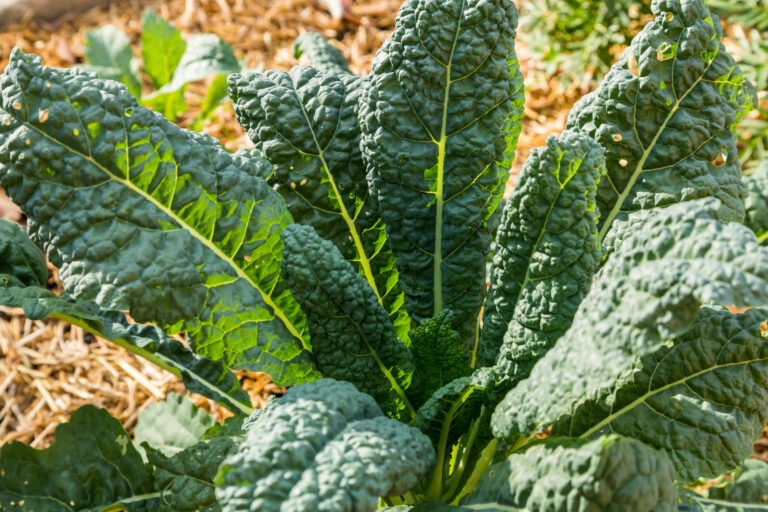
- Kale
- Brussels sprouts
- Parsnips
- Collards
- Spinach
- Turnips
I’ve found that the first few light frosts often produce the finest harvests of the year. Kale becomes sweeter, carrots develop remarkable flavor, and Brussels sprouts lose much of the bitterness they sometimes have during warmer weather.
A hard freeze, however, is different. Temperatures well below freezing can damage tender crops and eventually injure even hardy vegetables if protection isn’t provided.
Harvest at Peak Maturity
Each vegetable has an ideal harvest stage.
Rather than harvesting strictly by the calendar, observe the plants themselves.
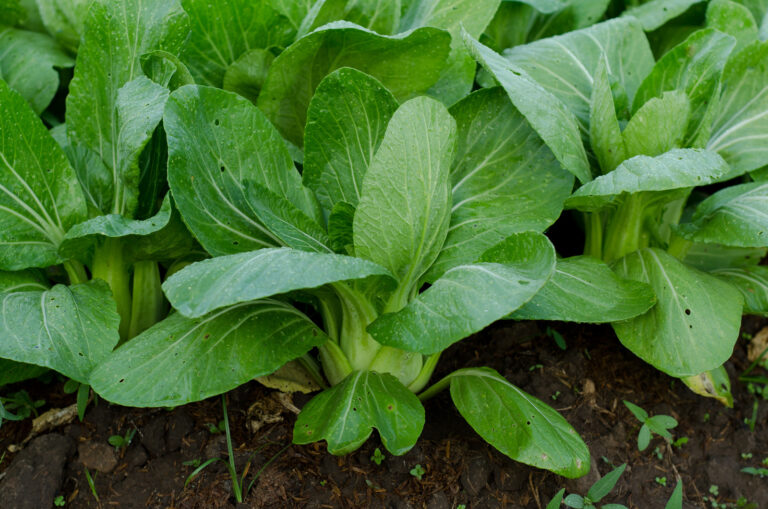
Leafy greens
Harvest lettuce, spinach, arugula, and mustard greens while leaves are young and tender.
Cut outer leaves first, allowing the center of the plant to continue producing.
Broccoli
Harvest the main head while flower buds remain tight and dark green.
If yellow flowers begin opening, quality declines rapidly.
After cutting the main head, many varieties produce smaller side shoots for several weeks.
Cauliflower
Harvest heads when they are compact, firm, and before florets begin separating.
Cabbage
Heads should feel firm when gently squeezed.
Harvest before repeated hard freezes split mature heads.
Brussels sprouts
Harvest from the bottom of the stalk upward as sprouts become firm and about 1 to 2 inches in diameter.
Root vegetables
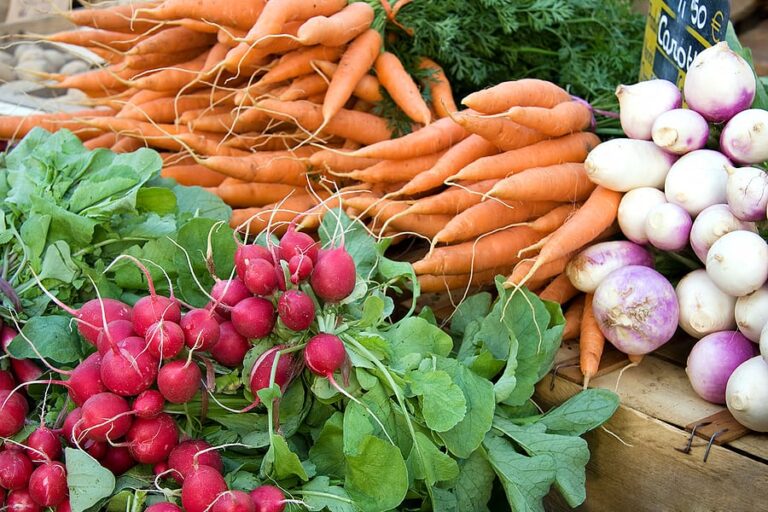
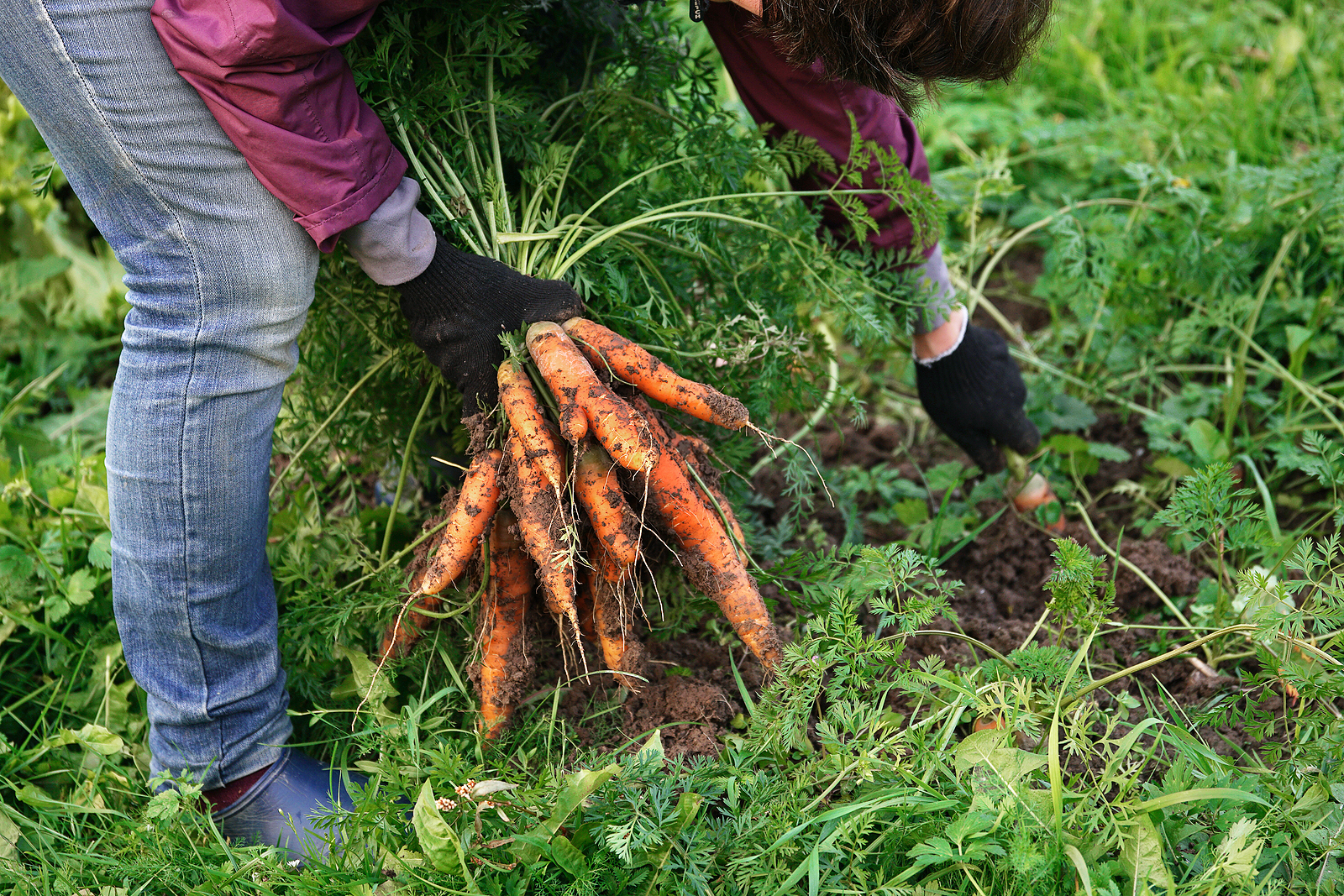
Carrots, beets, turnips, radishes, and rutabagas are usually harvested once they reach usable size.
Many can safely remain in the soil until needed.
Harvest Frequently
Regular harvesting encourages continued production.
Leafy vegetables respond especially well to frequent picking.
Harvest:
- Lettuce every few days.
- Spinach by removing outer leaves.
- Kale continuously from the bottom upward.
- Broccoli side shoots as they mature.
Frequent harvests keep plants productive while ensuring vegetables remain tender and flavorful.
Harvest During the Coolest Part of the Day
Morning is usually the best time to harvest.
Vegetables harvested after a cool night contain more moisture, remain crisp longer, and store better than those harvested during warm afternoons.
If morning isn’t possible, harvest during the evening after temperatures begin cooling.
Avoid harvesting immediately after heavy rain whenever possible, since excess surface moisture can shorten storage life.
Handle Vegetables Gently
Careful handling helps preserve quality.
Use clean pruners, scissors, or a sharp knife for crops such as broccoli, cabbage, and kale.
Avoid pulling or twisting vegetables unnecessarily, which can damage both the harvested crop and the remaining plant.
Handle leafy vegetables gently to prevent bruising.
Place harvested vegetables in the shade immediately and cool them as soon as practical.
Store Each Crop Properly
Proper storage allows many fall vegetables to remain fresh for weeks or even months.
Leafy greens
- Refrigerate immediately.
- Store in perforated plastic bags.
- Keep slightly moist but not wet.
Root vegetables
Remove leafy tops from carrots, beets, and turnips before storage.
Store roots in high humidity at cool temperatures.
Many root crops remain in excellent condition for several months.
Brassicas
Broccoli and cauliflower store best under refrigeration and should be used within one to two weeks.
Cabbage stores much longer when kept cool and humid.
Garlic and onions
Allow bulbs to cure thoroughly in a dry, well-ventilated location before long-term storage.
Properly cured bulbs may keep for several months.
Leave Hardy Crops in the Garden
One of the pleasures of fall gardening is using the garden as a natural refrigerator.
Many vegetables tolerate repeated frosts and can remain outdoors for extended harvests.
Excellent candidates include:
- Carrots
- Parsnips
- Kale
- Leeks
- Brussels sprouts
- Collards
- Spinach
- Mâche
Harvest these vegetables as needed throughout autumn and, in many climates, well into winter.
Extend the Harvest Season
Season extension doesn’t require an elaborate greenhouse.
Simple protection often keeps vegetables growing for several additional weeks—or even months.
Useful season-extension methods include:
Floating row covers
Protect against light frosts while allowing sunlight, air, and rain to reach plants.
Low tunnels
Hoops covered with row-cover fabric or greenhouse plastic create a warmer microclimate.
Cold frames
Ideal for leafy greens throughout late fall and winter.
Mulch
A thick layer of straw or shredded leaves helps insulate root crops left in the ground.
In my Northern California garden, floating row covers often provide enough protection to harvest lettuce, spinach, broccoli, and carrots well into winter. In colder climates, combining row covers with low tunnels or cold frames can significantly extend the harvest season.
Know When Winter Wins
Eventually, every growing season ends.
Repeated hard freezes, frozen soil, or prolonged snow cover signal it’s time to harvest remaining tender vegetables.
Before severe weather arrives:
- Harvest mature cabbage.
- Pick remaining broccoli heads.
- Dig beets if prolonged freezing is expected.
- Lift carrots if the ground is likely to freeze solid.
- Cure onions and garlic if they have matured.
Hardy crops protected with mulch or row covers can often remain outdoors considerably longer.
Enjoy the Rewards of Fall Gardening
Autumn rewards patient gardeners.
Cool weather slows plant growth but greatly improves flavor, allowing many vegetables to remain at peak quality for an extended period. By harvesting at the proper stage, handling crops carefully, storing them correctly, and protecting them from severe weather, you can enjoy fresh vegetables long after summer gardens have faded.
One lesson I’ve learned over many years of gardening is that fall harvests rarely need to be rushed. Unlike summer tomatoes or zucchini, many cool-season vegetables patiently wait in the garden until you’re ready to enjoy them. That’s one of the reasons autumn remains my favorite harvest season.
Fall Harvest Checklist
Use this checklist as harvest season begins:
- Harvest vegetables at peak maturity, not simply by date.
- Allow light frosts to improve flavor whenever appropriate.
- Harvest leafy greens regularly.
- Pick vegetables during the cool morning hours.
- Handle crops gently to avoid bruising.
- Store each vegetable under proper conditions.
- Leave hardy crops in the garden when weather allows.
- Use row covers, low tunnels, or mulch to extend harvests.
- Harvest tender vegetables before prolonged hard freezes.
With thoughtful timing and a little protection from the weather, your fall garden can continue supplying fresh vegetables for weeks—or even months—after the first frost arrives.
This article is part of my fall gardening series—see The Complete Guide to Fall Vegetable Gardening: Planning, Planting, Growing, and Harvesting for the full seasonal framework.
Further Reading
- The Best Vegetables to Grow in a Fall Garden
Start here to choose the right crops. - When to Plant Fall Vegetables: Soil Temperature, First Frost Dates, and Nature’s Signals
Learn how to determine the ideal planting time using three reliable seasonal indicators. - The Harvest to Table Soil Temperature Guide for Fall Vegetables
Learn which soil temperatures signal it’s time to plant each crop. - Fall Vegetable Planting Calendar by USDA Zone
Translate soil temperatures into planting dates for your region. - How to Transition Your Vegetable Garden from Summer to Fall
Prepare beds, remove spent crops, and get the garden ready. - How to Successfully Start Fall Vegetables During Summer Heat
Overcome the biggest challenge of fall gardening—getting seeds and transplants established in hot weather. - The Best Fall Vegetable Varieties for Reliable Harvests
Choose varieties that mature quickly and tolerate cooler weather. - How to Care for Fall Vegetable Crops
Keep plants growing through autumn with proper watering, feeding, and frost protection. - When and How to Harvest Fall Vegetables
Know when crops reach peak flavor and quality. - What to Do in the Vegetable Garden Each Month: July Through November
Use this month-by-month guide as your seasonal checklist from planting through harvest.