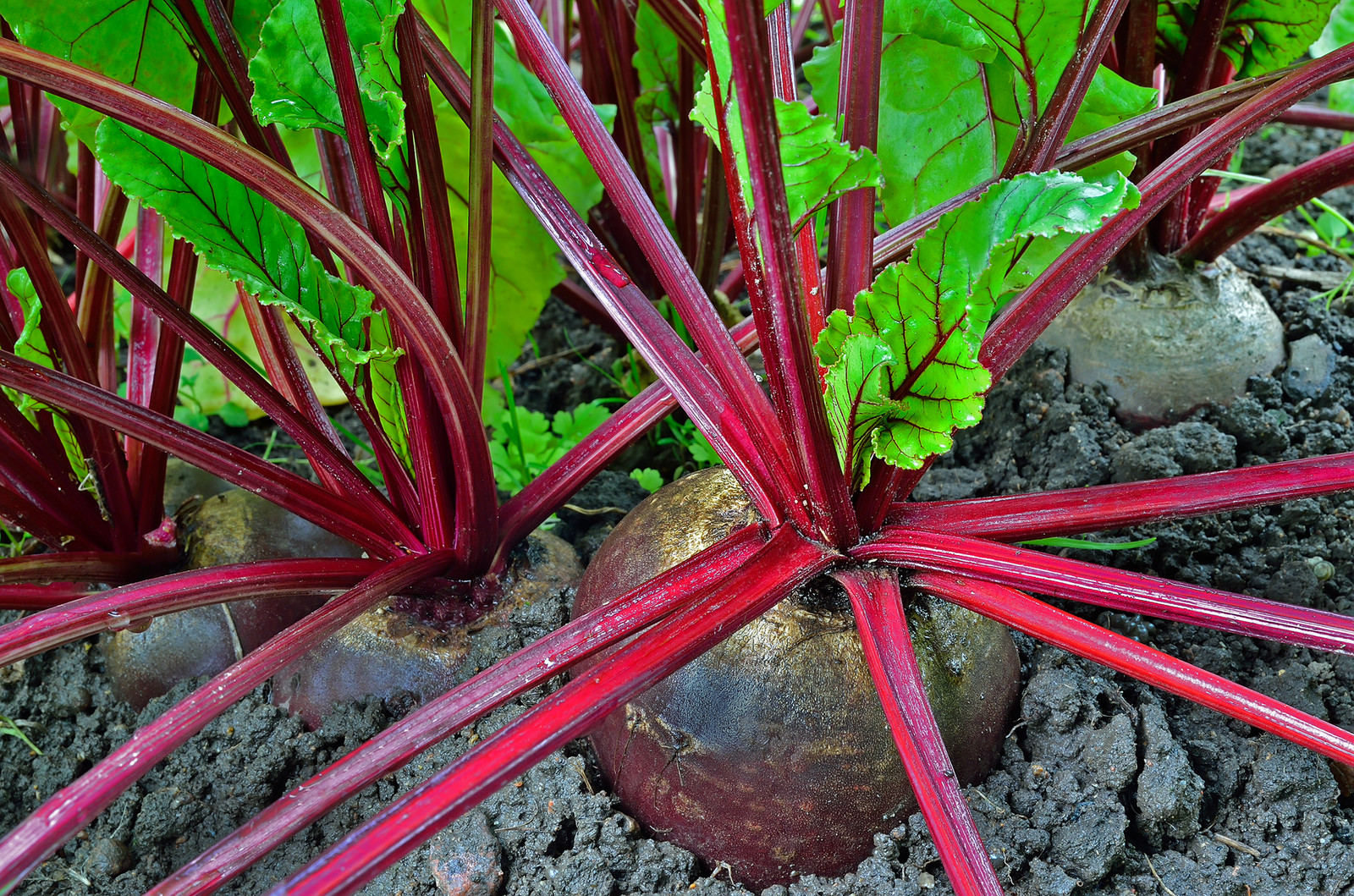
How to Grow Fall Beets: Planting Through Harvest

Fall is one of the best seasons for growing beets. Warm late-summer soil encourages rapid germination, while cool autumn weather produces tender roots with exceptional sweetness and vibrant color. Unlike spring crops that often mature as temperatures rise, fall beets develop slowly in cooling weather, improving both flavor and texture.
The secret to growing outstanding beets is planting according to soil temperature rather than calendar dates. Warm soil gives seedlings a quick start, while cool autumn air encourages roots to enlarge and store natural sugars. This guide explains when to plant, how to grow healthy beets, and when to harvest for the sweetest roots.
Best Soil Temperature for Planting
Every vegetable has an ideal soil temperature for germination. Planting within that range produces faster emergence, stronger seedlings, and more dependable harvests.
Beet seeds germinate readily in warm soil but develop their finest roots during cool weather.
Know What to Plant This Week
Every week I answer the gardener's most important question: what should I plant now? Get seasonal planting advice free — or go Pro for my full Soil Temperature Garden Report, with soil temperature, moisture, weather trends, and crop-by-crop recommendations.
- Ideal soil temperature: 60–75°F (16–24°C)
- Minimum soil temperature: about 45°F
- Maximum practical soil temperature: about 85°F
- Expected germination: 5–10 days
Late-summer soil temperatures usually provide excellent conditions for establishing fall beets. Keep the seedbed evenly moist until seedlings emerge.
Projected harvest temperatures
Beets produce their sweetest, most tender roots when daytime temperatures range between 55° and 70°F (13–21°C) and nighttime temperatures fall between 40° and 50°F (4–10°C).
Light frosts improve sweetness without harming mature roots.
When to Plant Fall Beets
For a fall harvest, sow beet seeds 8 to 10 weeks before your average first fall frost.
Make additional sowings every two to three weeks for a continuous harvest through autumn.
General planting windows:
- Northern gardens: late July through August
- Mid-latitude gardens: August through early September
- Mild winter climates: September through October
Choose the Right Variety
Most beet varieties perform exceptionally well in fall gardens.
Excellent choices include:
Round Beets
- Detroit Dark Red
- Red Ace
- Merlin
- Boro
Golden Beets
- Golden Boy
- Boldor
Striped Beets
- Chioggia
Long Beets
- Cylindra
For dependable harvests and excellent storage, Detroit Dark Red remains one of the finest choices.
Prepare the Soil
Beets prefer loose, fertile, well-drained soil.
Before planting:
- Loosen soil 10 to 12 inches deep.
- Incorporate finished compost.
- Remove rocks and large clods.
- Maintain a soil pH between 6.0 and 7.5.
Avoid excessive nitrogen, which encourages leafy tops instead of root growth.
Planting
Sow seed:
- ½ inch deep
- 1 inch apart
Thin seedlings to:
- 3 to 4 inches apart
Space rows:
- 12 to 18 inches apart
Remember that each beet “seed” actually contains several seeds, making thinning essential.
Water Consistently
Provide approximately 1 inch of water each week.
Maintain consistent soil moisture throughout root development.
Mulch helps conserve moisture and reduces soil temperature fluctuations.
Fertilizing
If compost was added before planting, additional fertilizer is often unnecessary.
If needed, use a balanced organic fertilizer low in nitrogen.
Common Problems
Poor Germination
Usually caused by:
- Dry soil
- Deep planting
- Soil crusting
Small Roots
Often result from overcrowding or delayed thinning.
Hairy Roots
Usually caused by excess nitrogen.
Leaf Spot
Promote good air circulation and avoid overhead watering whenever possible.
Leaf Miners
Remove affected leaves promptly if infestations develop.
Harvest
Most beet varieties mature 50 to 70 days after sowing.
Harvest roots when they measure:
- 1½ to 3 inches across for the best eating quality.
Harvest beet greens while young and tender for salads or cooking.
Leave beets in the ground through several light frosts for improved sweetness.
Growing Tips
- Thin seedlings early.
- Keep soil evenly moist.
- Harvest roots before they become oversized.
- Use young leaves in salads.
- Grow successive crops every few weeks.
My Experience Growing Fall Beets
I’ve found beets to be one of the most dependable fall vegetables no matter where I’ve gardened—from Iowa to California. The combination of warm soil for germination and cool weather during root development consistently produces sweeter, smoother roots than spring crops. Rather than planting by the calendar, I monitor soil temperatures to ensure quick germination, then let the cool days of autumn finish the crop naturally.
Frequently Asked Questions
What soil temperature is best for planting beets?
Beets germinate best when soil temperatures range between 60° and 75°F.
Do beets become sweeter after frost?
Yes. Cool weather and light frosts encourage roots to store more natural sugars.
How often should beets be watered?
Provide about 1 inch of water each week while keeping soil consistently moist.
Why are my beet roots small?
Crowded plants, delayed thinning, poor soil, or inconsistent watering commonly limit root size.
Can I eat beet greens?
Yes. Young beet greens are highly nutritious and excellent fresh or cooked.
Should I thin beet seedlings?
Yes. Each seed cluster usually produces several seedlings, making thinning essential for proper root development.
Can beets survive frost?
Yes. Mature beets tolerate light frosts well and often improve in flavor afterward.
Can beets grow in containers?
Yes. Use containers at least 10 to 12 inches deep filled with loose, fertile potting mix.
Fall Garden Planting Calendar
| Stage | Best Conditions |
|---|---|
| Ideal soil temperature for sowing | 60–75°F (16–24°C) |
| Planting window | 8–10 weeks before your average first fall frost |
| Days to maturity | 50–70 days |
| Best harvest temperatures | Days: 55–70°F (13–21°C) • Nights: 40–50°F (4–10°C) |
| Frost tolerance | Light frosts improve sweetness; mature roots tolerate temperatures into the upper 20s°F with mulch |
Tip: Beets germinate quickly in warm soil, but the finest roots develop as autumn temperatures cool. Give plants a strong start while the soil is warm, then let cool weather naturally improve sweetness and texture.
The Soil Temperature Takeaway
One lesson I’ve learned after decades of growing beets is that the sweetest harvests begin with warm soil. Late-summer warmth encourages quick, uniform germination and vigorous early growth, giving plants time to establish before cool weather arrives. As autumn temperatures gradually fall, beet roots enlarge steadily while storing more natural sugars, producing exceptional flavor and tenderness. Rather than relying on planting dates alone, use soil temperature to know when to plant and air temperature to know when your beets will reach their finest eating quality.
Plant by soil temperature. Harvest by air temperature.
Continue Growing Your Fall Garden
This article is part of the Harvest to Table Fall Planting Through Harvest Series, a collection of crop-by-crop guides that show you the best soil temperature for planting, the ideal planting window by climate, and the temperatures that produce the highest-quality harvests. If you’re planning an entire fall vegetable garden, start with The Complete Guide to Fall Vegetable Gardening: Planning, Planting, Growing, and Harvesting, then explore the crop guides below for detailed planting and growing advice.
Browse the Series
🥬 Leafy Greens
🥕 Root Crops
🥦 Brassicas
🧅 Alliums
🌱 Legumes
🌿 Herbs