How to Grow Fall Peas: Planting Through Harvest

all is an excellent time to plant peas for a cool-season harvest. While peas are often considered a spring crop, fall planting can produce some of the sweetest, most tender peas of the year. Warm summer soil gives seeds a strong start, while cool autumn temperatures create ideal conditions for flowering and pod development.
The secret to growing successful fall peas is planting according to soil temperature rather than calendar dates. Peas dislike heat, and plants that mature during cool weather produce sweeter pods and more reliable harvests.
Fall peas are especially valuable because they can extend the vegetable garden season after summer crops decline. With proper timing, gardeners can harvest fresh snap peas, snow peas, or shelling peas well into autumn and, in mild climates, into winter.
This guide explains when to plant fall peas, how to choose varieties, how to provide support, and when to harvest pods at peak flavor.
Know What to Plant This Week
Every week I answer the gardener's most important question: what should I plant now? Get seasonal planting advice free — or go Pro for my full Soil Temperature Garden Report, with soil temperature, moisture, weather trends, and crop-by-crop recommendations.
Best Soil Temperature for Planting Peas
Every vegetable has an ideal soil temperature for germination and establishment. Peas are one of the earliest vegetables that can be planted because seeds tolerate cool soil.
Pea seeds perform best when planted into cool, moist soil.
- Ideal soil temperature: 40–60°F (4–16°C)
- Minimum soil temperature: about 40°F
- Maximum practical soil temperature: about 70°F
- Expected germination: 7–14 days
When soil temperatures are between 40° and 60°F:
- Seeds germinate reliably.
- Roots establish quickly.
- Plants grow steadily.
- Flowering occurs during favorable cool weather.
Avoid planting fall peas while soil remains above 70°F because:
- Germination slows.
- Seedlings may become stressed.
- Plants may mature during heat.
Harvest to Table Soil Tip
Peas are planted in cooling soil but harvested during warming autumn weather. Soil temperature determines germination, while air temperature determines sweetness, pod quality, and productivity.
Planting Window by Climate
The goal with fall peas is to plant early enough for plants to flower and set pods before freezing weather arrives.
Plant:
8–10 weeks before your average first fall frost
Cold Climates (Zones 3–5)
Plant:
July through August
Goals:
- Establish plants before cold weather.
- Provide shade if late summer temperatures remain high.
- Use early varieties.
Moderate Climates (Zones 6–7)
Plant:
August through September
This is often the best fall pea planting window.
Mild Climates (Zones 8–10)
Plant:
September through November
In mild winter climates, fall peas can produce through winter and into early spring.
Choose the Right Type of Fall Pea
Peas are generally divided into three groups.
Snow Peas
Snow peas are harvested when pods are flat and immature.
Best for:
- Stir-fries.
- Fresh eating.
- Long harvest windows.
Popular varieties:
- Oregon Giant
- Avalanche
- Mammoth Melting Sugar
Snap Peas
Snap peas combine sweet pods with full-size peas inside.
Best for:
- Fresh eating.
- Continuous harvesting.
Popular varieties:
- Sugar Ann
- Sugar Snap
- Super Sugar Snap
Shelling Peas
Shelling peas are grown for the sweet peas inside the pod.
Popular varieties:
- Green Arrow
- Lincoln
- Progress #9
For fall planting, choose varieties described as:
- Early.
- Cold tolerant.
- Short-season.
Prepare the Soil
Peas grow best in fertile, well-drained soil.
Before planting:
- Loosen soil 8–10 inches deep.
- Add compost.
- Maintain soil pH between 6.0 and 7.5.
- Avoid excessive nitrogen fertilizer.
Like other legumes, peas form partnerships with rhizobia bacteria that help supply nitrogen.
Nitrogen Fixation and Soil Benefits
Peas are members of the legume family and improve soil through nitrogen fixation.
Beneficial bacteria on pea roots convert atmospheric nitrogen into plant-available forms.
Benefits include:
- Improved soil fertility.
- Reduced fertilizer needs.
- Healthier soil biology.
After harvest:
- Leave roots in the soil.
- Compost or chop remaining plant material.
Peas are both a food crop and a soil-building crop.
Planting Fall Peas
Sow seeds:
- 1 inch deep.
Spacing:
- 1–2 inches apart.
Rows:
- 18–24 inches apart.
For best germination:
- Keep soil evenly moist.
- Avoid planting into dry soil.
Pea seeds can rot in waterlogged conditions, so drainage is important.
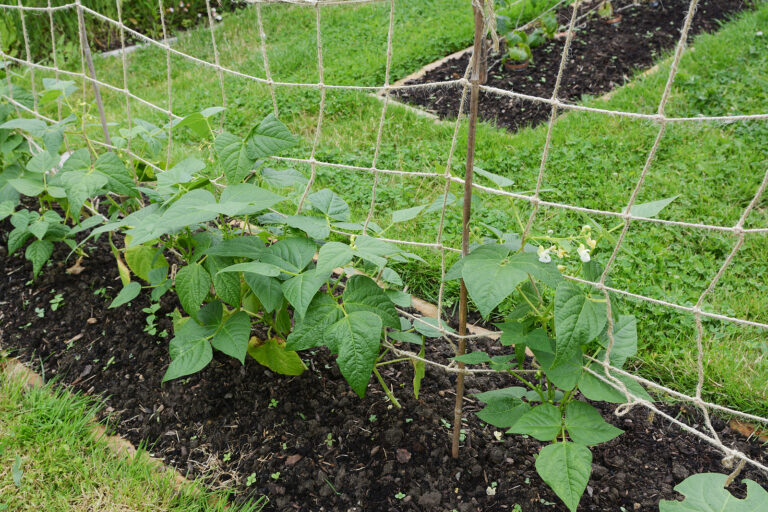
Trellising and Support
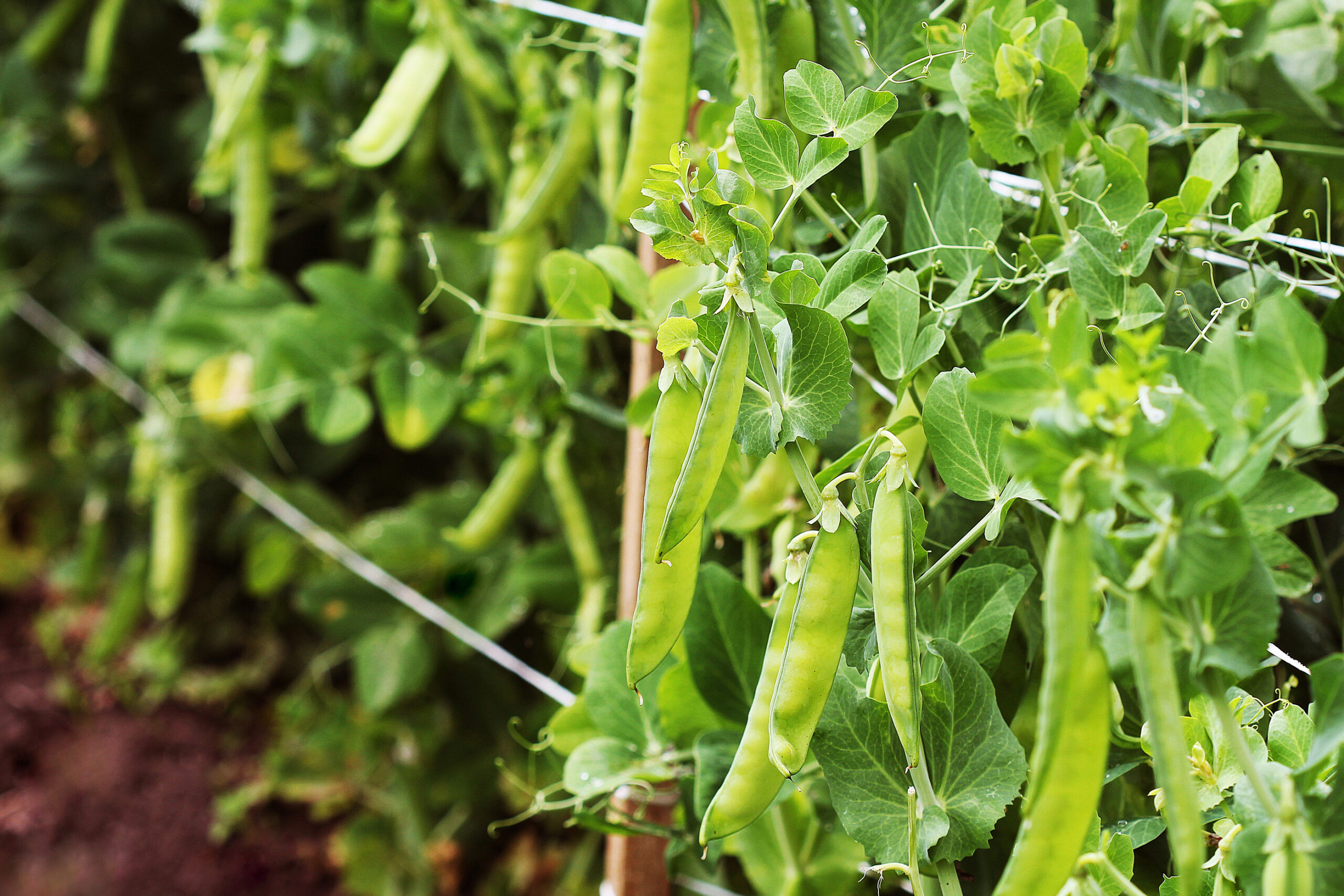
Most peas benefit from support.
Provide trellising for:
- Tall shelling peas.
- Snap peas.
- Snow peas.
Support options:
- String trellis.
- Chicken wire.
- Netting.
- Twig supports.
Benefits:
- Better airflow.
- Easier harvesting.
- Cleaner pods.
- Reduced disease.
Bush or dwarf varieties may need little or no support.
Watering Peas
Peas need consistent moisture, especially during flowering and pod formation.
Provide:
- About 1 inch of water per week.
Critical periods:
- Germination.
- Flowering.
- Pod filling.
Water stress can cause:
- Small pods.
- Tough peas.
- Reduced harvest.
Fertilizing Peas
Peas generally require little fertilizer.
Before planting:
- Add compost.
Avoid excessive nitrogen because it encourages:
- Leaf growth.
- Fewer flowers.
- Reduced pod production.
Healthy pea plants usually produce their own nitrogen with help from root bacteria.
Winter Tolerance
Peas are among the most cold-tolerant garden vegetables.
Established plants can tolerate:
- Temperatures into the 20s°F.
- Light frosts.
- Cool autumn weather.
Protect plants during severe freezes with:
- Row covers.
- Straw mulch.
- Cold frames.
In mild climates, fall peas can continue producing through winter.
Common Problems
Poor Germination
Caused by:
- Hot soil.
- Dry soil.
- Poor seed quality.
Powdery Mildew
Encouraged by:
- Poor airflow.
- Crowded plants.
Improve conditions with proper spacing.
Aphids
Control by:
- Encouraging beneficial insects.
- Washing plants with water.
Heat Stress
Symptoms:
- Poor flowering.
- Small pods.
- Bitter flavor.
Fall planting reduces this problem.
Harvesting Fall Peas
Harvest timing depends on the type of pea.
Snow Peas
Harvest when:
- Pods are flat.
- Seeds are barely visible.
Snap Peas
Harvest when:
- Pods are plump but still tender.
Shelling Peas
Harvest when:
- Pods are filled.
- Peas are sweet and tender.
For the best flavor:
- Harvest frequently.
- Pick in the morning.
- Eat soon after harvesting.
Most fall peas mature in:
60–70 days after planting, depending on variety and climate.
Growing Tips
- Plant when soil temperatures fall to 40–60°F.
- Choose early varieties for fall crops.
- Provide trellising before vines become tangled.
- Keep soil evenly moist.
- Harvest often to encourage production.
- Protect plants from extreme cold.
My Experience Growing Fall Peas
I’ve grown peas in different climates, and fall peas remain one of the most rewarding cool-season crops. The biggest challenge is timing: plant too early and summer heat limits growth; plant too late and cold weather arrives before pods develop. When planted as soil temperatures cool, peas establish quickly and mature during the conditions they prefer. Cool autumn weather produces the sweet, crisp pods that make peas one of the highlights of the fall garden.
Frequently Asked Questions
What soil temperature is best for planting peas?
Peas germinate best when soil temperatures range between 40° and 60°F.
When should I plant fall peas?
Plant fall peas about 8 to 10 weeks before your average first fall frost.
Do peas tolerate frost?
Yes. Established pea plants tolerate light frosts and temperatures into the 20s°F.
Which peas are best for fall planting?
Snap peas, snow peas, and early shelling peas all perform well when planted in fall.
Do peas improve soil?
Yes. Peas fix nitrogen through a relationship with rhizobia bacteria and improve soil fertility.
How long do fall peas take to grow?
Most varieties mature in about 60 to 70 days.
Do fall peas need a trellis?
Most tall varieties benefit from support, although dwarf varieties may not require one.
When should I harvest peas?
Harvest when pods are young, tender, and sweet. Frequent harvesting increases production.
Fall Garden Planting Calendar
| Stage | Best Conditions |
|---|---|
| Ideal soil temperature for planting | 40–60°F (4–16°C) |
| Planting window | 8–10 weeks before average first fall frost |
| Days to harvest | 60–70 days depending on variety |
| Best harvest temperatures | Days: 55–70°F (13–21°C) • Nights: 40–55°F (4–13°C) |
| Cold tolerance | Good. Established plants tolerate light frosts and temperatures into the 20s°F. |
Tip: Peas grow best when planted into cool soil and harvested during cool weather. Time planting by soil temperature so plants mature when autumn conditions create the sweetest pods.
The Soil Temperature Takeaway
After decades of growing vegetables in different climates, I’ve learned that peas reward gardeners who understand seasonal timing. Cool soil allows seeds to establish, cool air encourages flowering, and moderate temperatures create the sweetest harvests. Fall peas are not simply a spring crop planted late—they are a distinct cool-season opportunity that can extend the garden harvest well beyond summer.
Plant by soil temperature. Harvest by air temperature.
Continue Growing Your Fall Garden
This article is part of the Harvest to Table Fall Planting Through Harvest Series, a collection of crop-by-crop guides that show you the best soil temperature for planting, the ideal planting window by climate, and the temperatures that produce the highest-quality harvests. If you’re planning an entire fall vegetable garden, start with The Complete Guide to Fall Vegetable Gardening: Planning, Planting, Growing, and Harvesting, then explore the crop guides below for detailed planting and growing advice.
Browse the Series
🥬 Leafy Greens
🥕 Root Crops
🥦 Brassicas
🧅 Alliums
🌱 Legumes
🌿 Herbs