How to Grow Fall Onions From Sets: Planting Through Harve

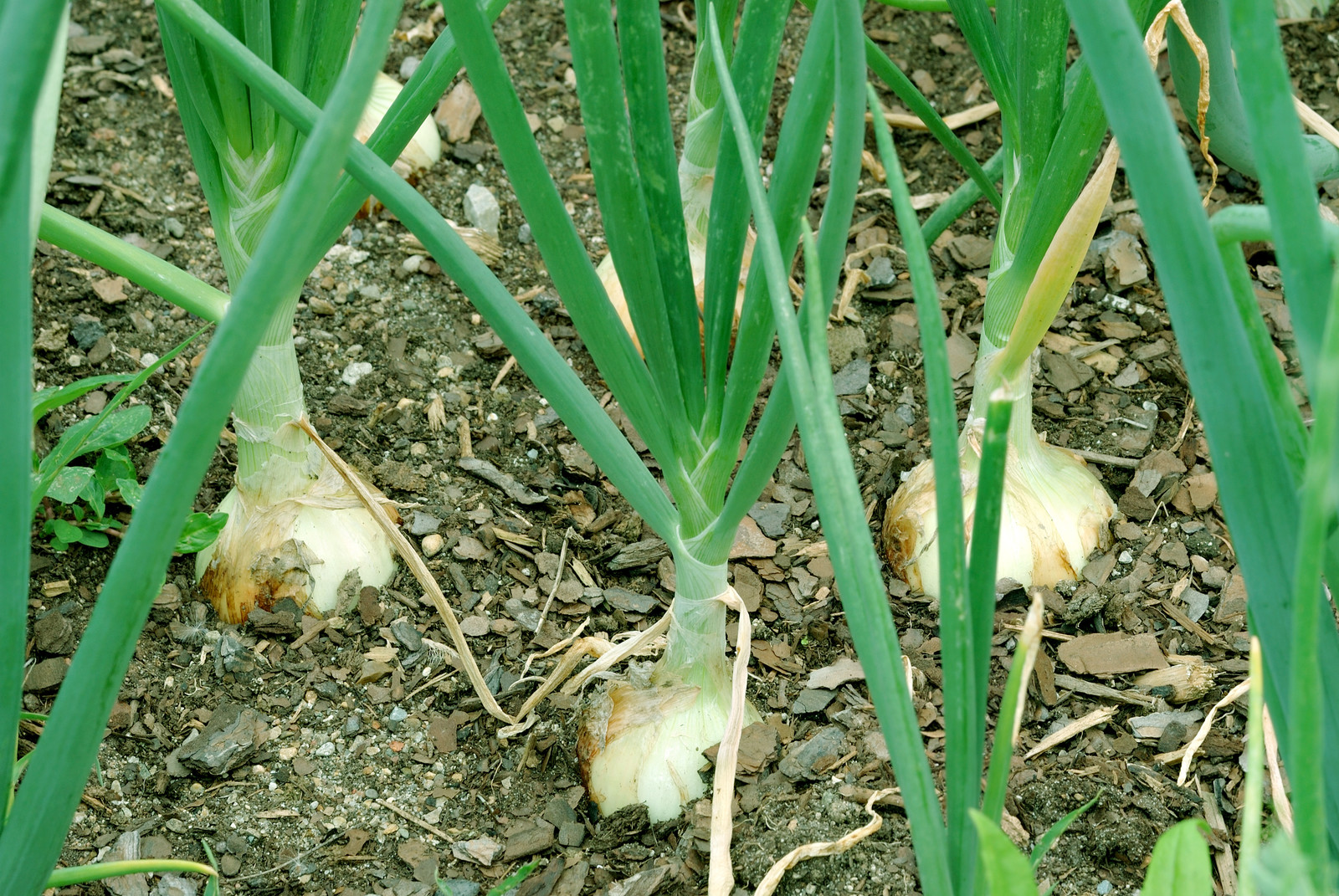
Fall planting onions from sets is a valuable technique for extending the garden season and producing an early summer harvest. Unlike spring-planted onions that begin growth after winter, fall-planted onions establish roots in cool autumn soil, survive winter, and resume growth as temperatures rise.
The secret to successful fall onions is choosing the right variety and planting at the right time. Onion sets need enough warm soil to establish roots before cold weather arrives, but they should not be planted so early that they produce excessive top growth before winter.
Fall onions are especially productive in mild and moderate climates where winters are cool but not severe. With proper timing, gardeners can harvest large bulbs earlier than spring-planted onions.
This guide explains when to plant fall onion sets, how to choose varieties, how to protect overwintering onions, and when to harvest mature bulbs.
Know What to Plant This Week
Every week I answer the gardener's most important question: what should I plant now? Get seasonal planting advice free — or go Pro for my full Soil Temperature Garden Report, with soil temperature, moisture, weather trends, and crop-by-crop recommendations.
Best Soil Temperature for Planting Onion Sets
Every crop has an ideal soil temperature range for successful establishment. Onion sets are planted differently from onion seeds because they already contain a small developing bulb.
Onion sets perform best when planted into cool, workable soil.
- Ideal soil temperature: 50–60°F (10–16°C)
- Minimum soil temperature: about 45°F
- Maximum practical soil temperature: about 70°F
- Root establishment period: 3–6 weeks before winter dormancy
When soil temperatures are between 50° and 60°F:
- Roots establish quickly.
- Plants prepare for winter.
- Tops remain manageable.
- Bulbs resume growth in spring.
Avoid planting when soil is still warm above 70°F because plants may produce excessive foliage or bolt later.
Harvest to Table Soil Tip
Fall onions are planted in cool soil but harvested during warm weather. Soil temperature determines fall establishment, winter temperatures determine survival, and spring warmth drives bulb growth.
Planting Window by Climate
The goal with fall onions is to establish a healthy root system before winter while avoiding excessive fall growth.
Plant:
4–8 weeks before the ground freezes
Cold Climates (Zones 3–5)
Fall onion sets are challenging because severe cold can damage bulbs.
Plant:
September
Use:
- Winter-hardy varieties.
- Heavy mulch protection.
Many gardeners in these climates prefer spring planting.
Moderate Climates (Zones 6–7)
Plant:
September through October
Fall onions can overwinter successfully with protection.
Mild Climates (Zones 8–10)
Plant:
October through December
This is the ideal region for overwintering onions.
In mild winter climates, onions grow slowly through winter and produce large bulbs in late spring or early summer.
Choosing Onion Sets for Fall Planting
Not all onion varieties perform equally well when planted in fall.
Choose:
- Short-day onions for southern regions.
- Intermediate-day onions for many transition areas.
- Winter-hardy varieties for colder climates.
Good fall onion choices include:
Yellow Onions
- Strong flavor.
- Good storage.
- Reliable garden variety.
White Onions
- Mild flavor.
- Excellent fresh eating.
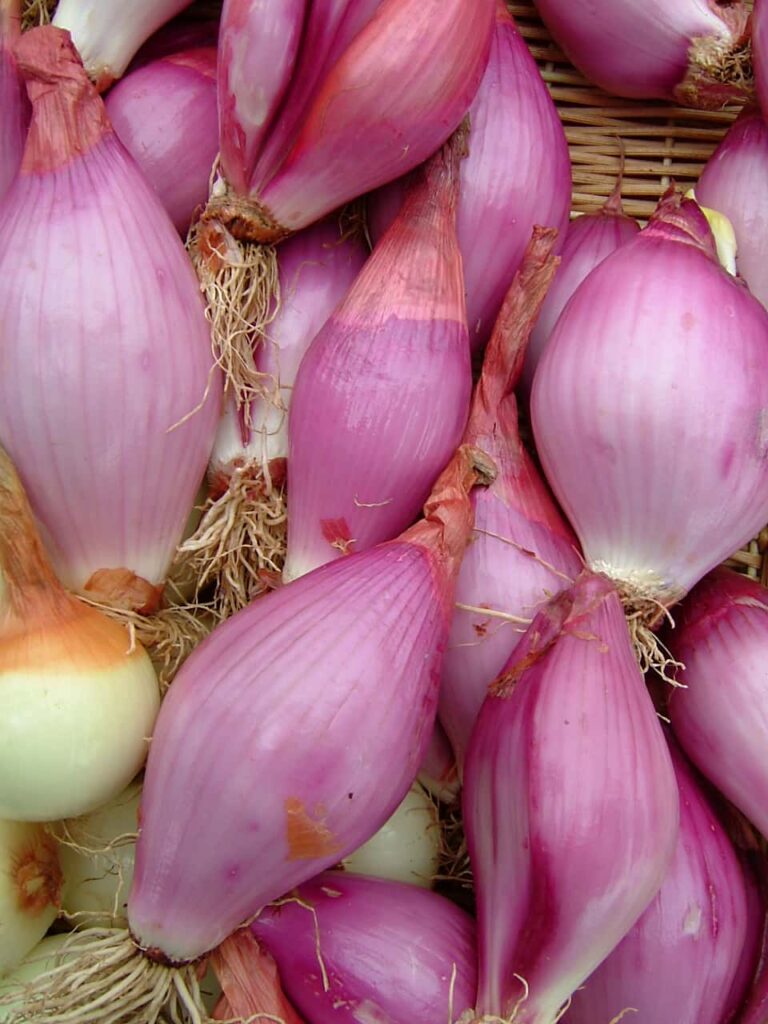
Red Onions
- Attractive color.
- Good for salads and cooking.
Look for sets labeled:
- Fall planting.
- Overwintering.
- Winter onions.
Short-Day, Intermediate-Day, and Long-Day Onions
Day length affects when onions form bulbs.
Short-Day Onions
Need:
10–12 hours of daylight
Best for:
- Southern climates.
- Mild winters.
Intermediate-Day Onions
Need:
12–14 hours of daylight
Best for:
- Middle latitudes.
Long-Day Onions
Need:
14–16 hours of daylight
Best for:
- Northern climates.
Choosing the correct day-length variety is essential for bulb formation.
Preparing the Soil
Onions grow best in loose, fertile, well-drained soil.
Before planting:
- Loosen soil 8–12 inches deep.
- Add compost.
- Maintain soil pH between 6.0 and 7.0.
- Remove rocks and debris.
Good soil preparation helps onions develop large bulbs.
Planting Onion Sets
Plant sets with:
- Pointed end upward.
- Roots downward.
Depth:
- 1–2 inches deep.
Spacing:
- 4–6 inches apart for large bulbs.
- 2–3 inches apart for green onions.
Rows:
- 12 inches apart.
Do not bury sets too deeply because deep planting can restrict bulb expansion.
Mulching Fall Onions
Mulch is especially important for overwintering onions.
Apply:
- 2–4 inches of straw, chopped leaves, or compost.
Benefits:
- Protects roots from temperature swings.
- Reduces frost heaving.
- Conserves moisture.
- Suppresses weeds.
In cold climates, heavier mulch may be needed.
Winter Tolerance
Onion sets can tolerate cool temperatures once established.
Established plants can survive:
- Light freezes.
- Temperatures into the 20s°F.
- Cool winter conditions.
In mild climates:
- Plants continue slow growth through winter.
In colder climates:
- Mulch protection is essential.
Severe freezing and repeated freeze-thaw cycles can damage exposed bulbs.
Watering Fall Onions
Onions have shallow roots and require consistent moisture.
Provide:
- About 1 inch of water per week.
Critical periods:
- Fall establishment.
- Spring bulb enlargement.
Dry soil can result in:
- Small bulbs.
- Poor growth.
Reduce watering:
- As bulbs mature.
Fertilizing Onions
Onions are heavy feeders, especially for nitrogen during early growth.
Before planting:
- Add compost.
During growth:
- Side-dress with compost or balanced fertilizer.
Important:
- Provide nitrogen during leaf growth.
- Reduce nitrogen once bulbs begin forming.
Large leaves generally produce larger bulbs.
Common Problems
Small Bulbs
Caused by:
- Wrong variety.
- Poor fertility.
- Late planting.
- Crowded spacing.
Bolting
Caused by:
- Cold stress followed by warm weather.
- Planting oversized sets.
- Wrong variety.
Bolted onions produce flower stalks and store poorly.
Rot
Caused by:
- Poor drainage.
- Excess moisture.
Harvesting Fall-Planted Onions
Fall onions are usually harvested:
Late spring through early summer
Signs of maturity:
- Tops begin falling over.
- Leaves turn yellow and brown.
- Bulbs have developed dry outer skins.
Harvest:
- Loosen soil.
- Lift bulbs gently.
- Allow bulbs to dry before storage.
For fresh onions:
- Harvest anytime bulbs reach useful size.
For storage onions:
- Wait until bulbs are fully mature.
Curing Onions for Storage
After harvest:
- Leave bulbs in a dry, shaded location.
- Allow tops to dry completely.
- Cure for 2–3 weeks.
Proper curing:
- Tightens outer skins.
- Reduces rot.
- Extends storage life.
Store:
- In a cool, dry, well-ventilated place.
Growing Tips
- Plant sets when soil temperatures reach 50–60°F.
- Choose varieties suited to your latitude.
- Do not plant too early.
- Mulch overwintering onions.
- Keep weeds away from shallow roots.
- Harvest green onions anytime.
- Allow storage onions to fully mature before harvest.
My Experience Growing Fall Onions From Sets
I’ve grown onions in different climates, and one lesson stands out: onions reward gardeners who match the variety and planting time to the climate. Fall planting works especially well where winters are moderate because plants establish roots before dormancy and then resume growth early in spring. The biggest mistake is treating all onions the same—successful onion growing depends on choosing the right type and planting when soil conditions are favorable.
Frequently Asked Questions
What soil temperature is best for planting fall onion sets?
Onion sets grow best when planted in soil temperatures between 50° and 60°F.
Can onion sets be planted in fall?
Yes. Fall planting works especially well in mild and moderate climates where onions can overwinter.
When should I plant fall onion sets?
Plant 4–8 weeks before the ground freezes so roots can establish before winter.
Do fall onions survive winter?
Yes, established onions tolerate cool weather and light freezes. Protection may be needed in cold climates.
What type of onions should I plant in fall?
Choose winter-hardy or overwintering varieties suited to your climate.
How long do fall onions take to grow?
Fall-planted onions usually mature in late spring or early summer, about 7–9 months after planting.
Why do onions bolt?
Bolting is usually caused by temperature stress, oversized sets, or planting the wrong variety.
Can I harvest fall onions as green onions?
Yes. Young onions can be harvested at any stage before bulb maturity.
Fall Garden Planting Calendar
| Stage | Best Conditions |
|---|---|
| Ideal soil temperature for planting sets | 50–60°F (10–16°C) |
| Planting window | 4–8 weeks before ground freezes |
| Root establishment period | 3–6 weeks before dormancy |
| Winter tolerance | Good once established; protect from severe freezes |
| Harvest season | Late spring through early summer |
| Best harvest temperatures | Dry weather with warm temperatures for curing |
Tip: Fall onions succeed when planted into cool soil that allows roots to establish before winter. Choose the right variety for your climate, protect plants with mulch, and allow spring growth to produce large bulbs.
The Soil Temperature Takeaway
After decades of growing vegetables in different climates, I’ve learned that onions are a crop where timing and variety selection matter as much as care. Fall planting gives onions a head start by allowing roots to establish before winter. When planted at the right soil temperature and matched to the correct day-length variety, onions can provide some of the largest and earliest bulbs of the garden year.
Plant by soil temperature. Harvest by air temperature.
Continue Growing Your Fall Garden
This article is part of the Harvest to Table Fall Planting Through Harvest Series, a collection of crop-by-crop guides that show you the best soil temperature for planting, the ideal planting window by climate, and the temperatures that produce the highest-quality harvests. If you’re planning an entire fall vegetable garden, start with The Complete Guide to Fall Vegetable Gardening: Planning, Planting, Growing, and Harvesting, then explore the crop guides below for detailed planting and growing advice.
Browse the Series
🥬 Leafy Greens
🥕 Root Crops
🥦 Brassicas
🧅 Alliums
🌱 Legumes
🌿 Herbs