How to Grow Fall Fava Beans: Planting Through Harvest

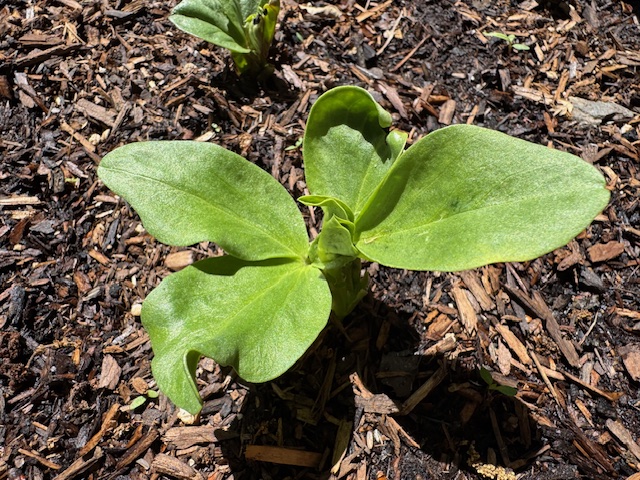
Fall is one of the best seasons for planting fava beans. Unlike many vegetables that are planted and harvested within a single season, fall-planted fava beans establish during cool weather, grow through winter, and produce one of the earliest spring harvests.
Fava beans are valuable for more than their edible pods. They are also one of the best winter cover crops for the home garden because they capture nitrogen from the atmosphere and add organic matter when incorporated into the soil.
The secret to successful fall fava beans is planting according to soil temperature rather than calendar dates. Seeds need warm enough soil to germinate and establish strong roots, but plants thrive during cool weather and can tolerate winter conditions that would damage many other vegetables.
This guide explains when to plant fall fava beans, how they improve soil health, and how to harvest tender young beans.
Know What to Plant This Week
Every week I answer the gardener's most important question: what should I plant now? Get seasonal planting advice free — or go Pro for my full Soil Temperature Garden Report, with soil temperature, moisture, weather trends, and crop-by-crop recommendations.
Best Soil Temperature for Planting Fava Beans
Every vegetable has an ideal soil temperature for germination and establishment. Fava beans are a cool-season legume that prefers to begin growth as summer temperatures decline.
Fava bean seeds perform best when planted into cool, moist soil.
- Ideal soil temperature: 55–65°F (13–18°C)
- Minimum soil temperature: about 40°F
- Maximum practical soil temperature: about 75°F
- Expected germination: 7–14 days
When soil temperatures are between 55° and 65°F:
- Seeds germinate reliably.
- Roots establish before winter.
- Plants develop strong crowns.
- Spring growth begins quickly.
Avoid planting while soil is still hot because warm conditions can reduce germination and stress young seedlings.
Harvest to Table Soil Tip
Fava beans are planted in cooling soil but harvested during warming spring weather. Fall soil temperatures determine establishment, winter temperatures determine survival, and spring temperatures determine flowering and bean production.
Planting Window by Climate
The goal with fall fava beans is to establish healthy plants before the coldest weather arrives.
Plant:
6–10 weeks before your average first hard frost
Cold Climates (Zones 3–5)
Plant:
August through September
Goals:
- Establish seedlings before winter.
- Protect young plants with mulch.
- Choose cold-hardy varieties.
Moderate Climates (Zones 6–7)
Plant:
September through October
This is often the ideal planting window.
Mild Climates (Zones 8–10)
Plant:
October through December
Fava beans perform exceptionally well in mild winter regions because plants grow slowly through winter and produce early spring harvests.
In Mediterranean climates, fall-planted favas are often one of the most productive crops in the winter garden.
Nitrogen Fixation: Why Fava Beans Improve Soil
Fava beans belong to the legume family, which forms a partnership with beneficial soil bacteria called rhizobia.
These bacteria live in nodules on the roots and convert atmospheric nitrogen into forms plants can use.
Benefits include:
- Increased soil nitrogen availability.
- Improved soil fertility.
- Reduced need for nitrogen fertilizer.
- Better soil biology.
For best nitrogen fixation:
- Use fresh seed inoculated with the correct rhizobia bacteria if favas have not been grown in the area before.
- Allow roots to remain in the soil after harvest.
- Chop leaves and stems into the soil after the crop finishes.
Fava beans are not just a vegetable crop—they are a soil-building crop.
Fava Beans as a Winter Cover Crop
Fava beans are one of the best edible cover crops for the home garden.
Benefits:
Adds Nitrogen
Root nodules store nitrogen that becomes available after plant residues decompose.
Protects Soil
Winter growth helps:
- Reduce erosion.
- Prevent nutrient loss.
- Protect soil structure.
Adds Organic Matter
When chopped and incorporated, fava bean residues feed soil microorganisms.
Supports Garden Rotation
Fava beans are excellent before:
- Tomatoes
- Peppers
- Corn
- Squash
because these heavy-feeding crops benefit from improved soil fertility.
Cover Crop Tip
For maximum soil improvement, allow fava beans to grow until flowering, then cut plants at soil level before seeds fully develop. Leave roots in the soil to decompose naturally.
Winter Tolerance
Fava beans are among the most cold-tolerant edible legumes.
Established plants can tolerate:
- Temperatures into the low 20s°F.
- Light snow.
- Repeated freeze-thaw cycles.
Young seedlings are more vulnerable, so early establishment is important.
Protect plants with:
- Straw mulch.
- Row covers.
- Wind protection.
In mild climates, fava beans often grow continuously through winter.
Choose the Right Variety
Several types of fava beans perform well in fall gardens.
Common varieties include:
Broad Windsor
- Classic large-seeded variety.
- Excellent flavor.
- Good for fresh eating.
Aquadulce Claudia
- One of the best fall planting varieties.
- Cold tolerant.
- Early spring production.
Sweet Lorane
- Productive.
- Good fresh eating quality.
Extra Precoce Violetto
- Early variety.
- Purple seeds.
For winter gardens, choose varieties described as:
- Early.
- Cold hardy.
- Fall planted.
Prepare the Soil
Fava beans prefer fertile, well-drained soil.
Before planting:
- Loosen soil 8–12 inches deep.
- Add compost.
- Maintain soil pH between 6.0 and 7.5.
- Avoid excessive nitrogen fertilizer.
Because favas fix their own nitrogen, heavy nitrogen feeding is unnecessary.
Planting
Sow seeds:
- 1–2 inches deep.
Spacing:
- 4–6 inches apart.
Rows:
- 18–24 inches apart.
For cover cropping:
- Broadcast seeds and lightly rake into soil.
Keep soil moist until seedlings emerge.
Watering Fava Beans
Fava beans need consistent moisture during establishment.
Provide:
- About 1 inch of water per week.
Critical periods:
- Germination.
- Flowering.
- Pod development.
Avoid waterlogged soil because poor drainage can cause root problems.
Fertilizing
Fava beans usually require little fertilizer.
Before planting:
- Add compost.
Avoid high nitrogen fertilizers because they encourage leafy growth instead of strong root partnerships.
A phosphorus-rich soil can support healthy flowering and pod development.
Common Problems
Aphids
Fava beans are especially attractive to black bean aphids.
Control:
- Encourage beneficial insects.
- Spray strong water streams.
- Remove heavily infested tips.
Chocolate Spot
A fungal disease encouraged by:
- Wet weather.
- Poor airflow.
Improve conditions by:
- Proper spacing.
- Avoiding overhead irrigation.
Poor Growth
Often caused by:
- Planting in hot soil.
- Poor drainage.
- Late establishment.
Harvesting Young Fava Beans
Fava beans can be harvested at several stages.
For the most tender beans:
Harvest pods when:
- Pods are 4–8 inches long.
- Seeds are small and pale green.
- Beans have not yet developed thick skins.
Young fava beans can be eaten:
- Pod and all when very immature.
- Shelled and cooked when seeds enlarge.
For fresh eating:
- Begin harvest about 80–120 days after fall planting, depending on climate.
For dried beans:
- Allow pods to mature fully on the plant.
Growing Tips
- Plant when soil cools to 55–65°F.
- Use inoculated seed if needed.
- Grow as both a vegetable and cover crop.
- Leave roots in the soil after harvest.
- Protect young plants from severe freezes.
- Harvest young beans for the best texture.
My Experience Growing Fall Fava Beans
I’ve grown fava beans in different climates, and they remain one of the most rewarding fall crops because they serve two purposes at once: they provide an early spring harvest and improve the garden soil. Unlike many vegetables that simply take nutrients from the soil, favas contribute to the garden ecosystem through nitrogen fixation and organic matter production. The key is planting at the right soil temperature so plants establish before winter arrives. Once established, they are remarkably resilient and often become one of the easiest crops in the cool-season garden.
Frequently Asked Questions
What soil temperature is best for planting fava beans?
Fava beans grow best when planted in soil temperatures between 55° and 65°F.
Are fava beans a good cover crop?
Yes. Fava beans are excellent winter cover crops because they fix nitrogen and add organic matter to soil.
Do fava beans need fertilizer?
Usually not. As legumes, they form a relationship with rhizobia bacteria that allows them to fix nitrogen.
How cold can fava beans tolerate?
Established plants can tolerate temperatures in the low 20s°F.
When should I harvest young fava beans?
Harvest young pods when they are 4–8 inches long and seeds are still small and tender.
How long do fall-planted fava beans take to grow?
Most fall plantings mature in about 80–120 days depending on climate.
Should I remove fava bean roots after harvest?
No. Leave roots in the soil so nitrogen-rich root nodules can decompose naturally.
Can fava beans grow in containers?
Yes, but use large containers at least 12 inches deep.
Fall Garden Planting Calendar
| Stage | Best Conditions |
|---|---|
| Ideal soil temperature for planting | 55–65°F (13–18°C) |
| Planting window | 6–10 weeks before average first hard frost |
| Days to harvest young beans | 80–120 days after fall planting |
| Winter tolerance | Good; established plants tolerate temperatures into the low 20s°F |
| Best harvest temperatures | Days: 55–70°F (13–21°C) • Nights: 40–55°F (4–13°C) |
Tip: Plant fava beans when soil temperatures cool into the 55–65°F range. Warm enough soil creates strong roots, while winter cold allows plants to rest before producing an early spring harvest.
The Soil Temperature Takeaway
After decades of growing vegetables in different climates, I’ve found fava beans are one of the best examples of how a garden can work with the seasons. Fall planting gives plants time to establish roots, winter provides the cool conditions they prefer, and spring brings rapid growth and harvest. At the same time, fava beans improve the soil by fixing nitrogen and adding organic matter. Rather than viewing them only as a vegetable, think of them as a partnership between the gardener, the crop, and the soil.
Plant by soil temperature. Harvest by air temperature.
Continue Growing Your Fall Garden
This article is part of the Harvest to Table Fall Planting Through Harvest Series, a collection of crop-by-crop guides that show you the best soil temperature for planting, the ideal planting window by climate, and the temperatures that produce the highest-quality harvests. If you’re planning an entire fall vegetable garden, start with The Complete Guide to Fall Vegetable Gardening: Planning, Planting, Growing, and Harvesting, then explore the crop guides below for detailed planting and growing advice.
Browse the Series
🥬 Leafy Greens
🥕 Root Crops
🥦 Brassicas
🧅 Alliums
🌱 Legumes
🌿 Herbs