Why Pepper Plants Stop Flowering in Summer Heat

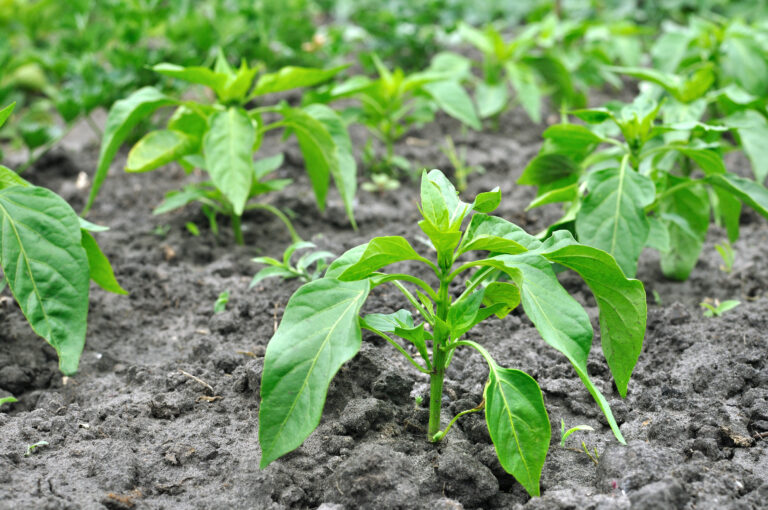
Few things are more frustrating in the summer vegetable garden than watching healthy pepper plants grow large and green—but stop producing flowers. The plants may look vigorous, with plenty of leaves and strong stems, yet the pepper harvest slows or disappears.
In many cases, the problem is not a lack of effort from the gardener. Pepper plants are warm-season crops, but extreme summer heat can interrupt flowering and fruit production.
After growing peppers in gardens across Iowa, eastern Massachusetts, and Northern California, I’ve seen how different climates affect pepper production. A hot, humid summer in Iowa, a short growing season in Massachusetts, and prolonged dry heat in California can all create conditions where pepper plants pause flowering.
The good news is that heat-related flower loss is usually temporary. By understanding what peppers need during hot weather, you can help plants recover and continue producing well into late summer and fall.
Know What to Plant This Week
Every week I answer the gardener's most important question: what should I plant now? Get seasonal planting advice free — or go Pro for my full Soil Temperature Garden Report, with soil temperature, moisture, weather trends, and crop-by-crop recommendations.
Why Pepper Plants Stop Flowering in Summer Heat
Pepper plants respond to environmental stress by slowing down reproduction.
When temperatures become too high, plants may reduce flower production because survival takes priority over creating new fruit.
Common causes of summer flower loss include:
- Daytime temperatures above 90°F (32°C)
- Warm nights above 75°F (24°C)
- Drought stress
- Inconsistent watering
- Excess nitrogen
- Poor pollination
- Root stress
- Lack of nutrients
A pepper plant may remain green and healthy-looking while quietly reducing flower production.
How Heat Affects Pepper Flower Production
Pepper flowers are sensitive to temperature extremes.
Peppers generally set flowers and fruit best when:
- Day temperatures are about 70–85°F (21–29°C)
- Night temperatures are about 60–70°F (16–21°C)
When temperatures climb higher:
- Flowers may drop before opening.
- Buds may fail to develop.
- Pollen may become less viable.
- Fruit set decreases.
During a prolonged heat wave, pepper plants often enter a temporary production slowdown.
High Night Temperatures Can Be the Biggest Problem
Many gardeners focus only on daytime temperatures, but warm nights can have an even greater impact.
When nighttime temperatures remain above 75°F (24°C):
- Plants may not recover from daytime heat.
- Pollen quality can decline.
- Flower development can slow.
This is why peppers may stop producing during midsummer heat even when daytime temperatures seem manageable.
Water Stress Can Cause Pepper Flowers to Drop
During hot weather, pepper plants lose water quickly.
When roots cannot supply enough moisture, plants may respond by dropping flowers.
Signs of water stress include:
- Wilting leaves
- Dropped flowers
- Small fruit
- Leaf curling
- Slow growth
The solution is not simply watering more often—it is maintaining consistent soil moisture.
During heat waves:
- Check soil moisture regularly.
- Water deeply.
- Mulch around plants.
- Avoid letting plants repeatedly dry out.
Overwatering Can Also Reduce Flowering
Too much water can create problems similar to drought stress.
Overwatering can cause:
- Weak roots
- Reduced nutrient uptake
- Yellowing leaves
- Poor flowering
Pepper roots need both moisture and oxygen.
The goal is evenly moist soil—not saturated soil.
Too Much Nitrogen Can Create Big Plants With Few Flowers
One of the most common reasons pepper plants stop flowering is excess nitrogen.
High nitrogen encourages:
- Large leaves
- Rapid green growth
- Fewer flowers
- Delayed fruit production
A pepper plant does not need to be huge to produce a large harvest.
Once plants begin flowering, focus on balanced nutrition that supports blooms and fruit rather than excessive leafy growth.
Poor Pollination During Hot Weather
Peppers are self-pollinating, but heat can interfere with the process.
Extreme temperatures can reduce:
- Pollen quality
- Flower fertility
- Fruit set
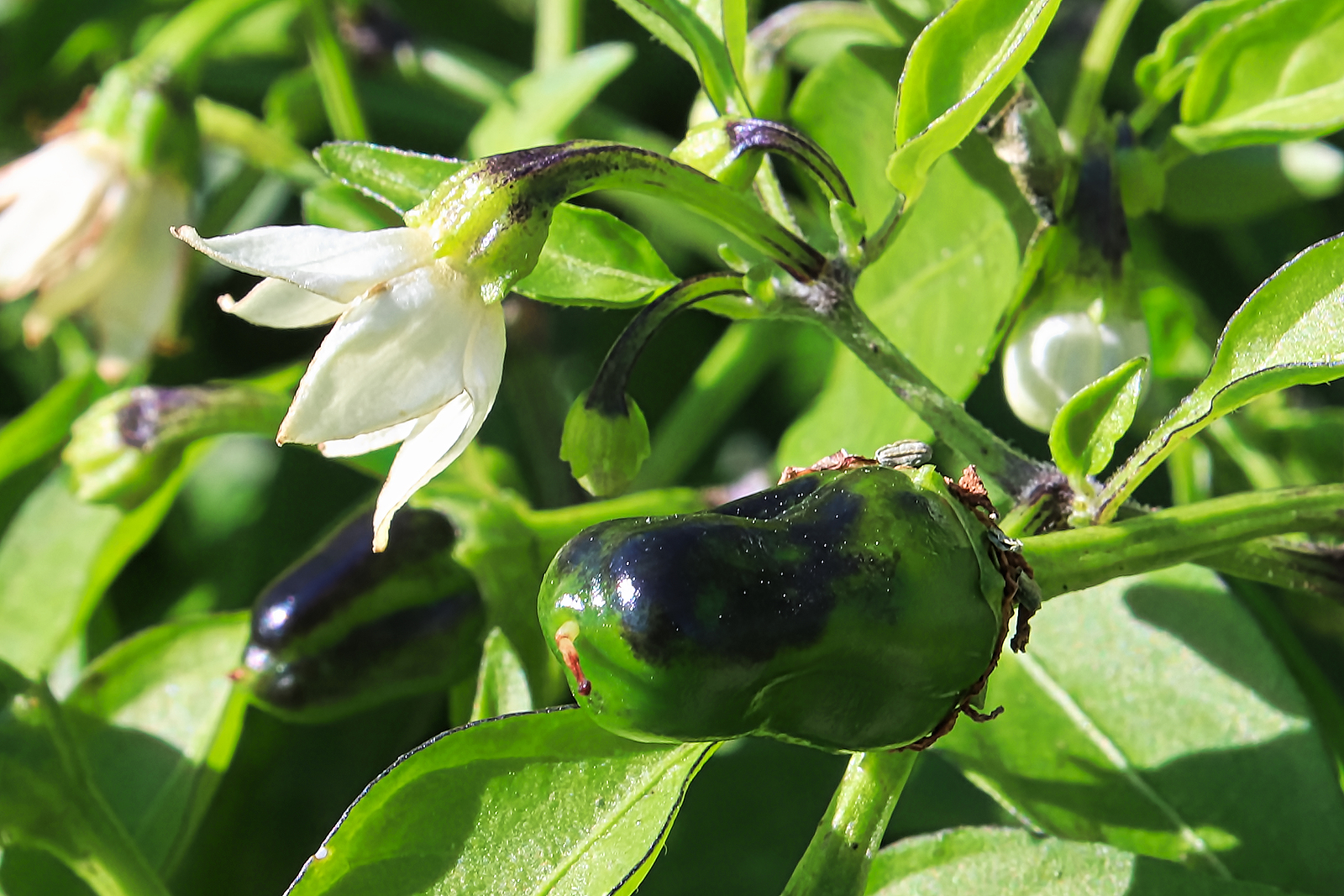
You may see flowers appear normal but fall without producing peppers.
To improve pollination:
- Gently shake plants to release pollen.
- Encourage pollinators with nearby flowers.
- Avoid spraying pesticides when pollinators are active.
Should You Shade Pepper Plants During a Heat Wave?
In extremely hot climates, temporary afternoon shade can help.
Shade cloth or strategic placement can reduce heat stress during the hottest part of the day.
This is especially useful when:
- Temperatures exceed 95°F (35°C)
- Plants receive intense afternoon sun
- Flowers are dropping
Do not provide too much shade. Peppers still need sunlight to produce energy.
Mulch Helps Peppers Continue Flowering
Mulch is one of the best tools for protecting pepper plants during summer heat.
A 2- to 4-inch layer of organic mulch helps:
- Keep roots cooler
- Reduce evaporation
- Maintain steady moisture
- Reduce plant stress
Good mulch choices include:
- Straw
- Compost
- Shredded leaves
- Grass clippings
In my California garden, mulch is essential for keeping peppers productive through long, hot summers.
Should You Prune Pepper Plants in Summer?
Light pruning can improve airflow, but heavy pruning during heat is usually a mistake.
Remove:
- Yellow leaves
- Diseased foliage
- Damaged branches
- Leaves touching soil
Avoid removing too much healthy foliage.
Pepper leaves protect fruit and flowers from intense sunlight.
How to Encourage Pepper Plants to Flower Again
Once temperatures moderate, pepper plants often resume production.
To encourage recovery:
Maintain Consistent Watering
Avoid drought cycles.
Feed Lightly
Use compost or a balanced fertilizer if plants show signs of nutrient deficiency.
Harvest Regularly
Removing mature peppers encourages continued flowering.
Protect Roots
Use mulch and avoid disturbing the root zone.
Be Patient
Pepper plants often need time to recover after heat stress.
My Pepper Growing Experience
Growing peppers in Iowa, Massachusetts, and California has shown me that summer flower loss is often a weather problem rather than a gardening failure.
In Iowa, heat and humidity could interrupt flowering during midsummer. In Massachusetts, the challenge was getting enough warm days for peppers to recover and finish their crop. In California, the long growing season allows peppers to produce heavily, but extreme heat requires careful irrigation and root protection.
Over the years, I’ve learned that the best pepper plants are not pushed harder—they are supported better. Consistent moisture, healthy soil, and patience usually bring plants back into production.
Frequently Asked Questions
Why are my pepper plants flowering but not producing peppers?
The most common causes are excessive heat, poor pollination, inconsistent watering, and nutrient imbalance.
What temperature is too hot for pepper plants?
Pepper plants begin struggling when daytime temperatures consistently rise above 90°F (32°C), especially when nights remain warm.
Will pepper plants start flowering again after a heat wave?
Yes. Healthy plants often resume flowering and fruit production once temperatures return to a more favorable range.
Should I water peppers more when they stop flowering?
Check soil moisture first. Heat stress and drought can reduce flowering, but overwatering can also cause problems.
Should I fertilize pepper plants that are not flowering?
Avoid high-nitrogen fertilizer. Use balanced nutrients or compost to support flowering and fruit development.
Should I remove pepper flowers during extreme heat?
No. Allow flowers to remain unless the plant is young and you are encouraging stronger early growth.
Can shade help pepper plants during a heat wave?
Yes. Temporary afternoon shade can reduce heat stress during extreme temperatures while still allowing enough sunlight for growth.
How can I get more peppers from plants that stopped producing?
Maintain consistent watering, harvest regularly, reduce heat stress, and support plants with balanced nutrition.
The Bottom Line
When pepper plants stop flowering in summer heat, they are usually responding to stress rather than failing. Extreme temperatures, inconsistent moisture, and nutrient problems can all interrupt flower production.
The best way to restore flowering is to create stable growing conditions: keep roots cool, maintain steady moisture, avoid excessive nitrogen, and give plants time to recover.
After decades of growing peppers in different climates, I’ve found that patience is often the most important ingredient. Healthy pepper plants are remarkably resilient—and when conditions improve, they can reward you with a fresh flush of flowers and fruit before fall.