How to Grow Fall Garlic: Planting Through Harvest

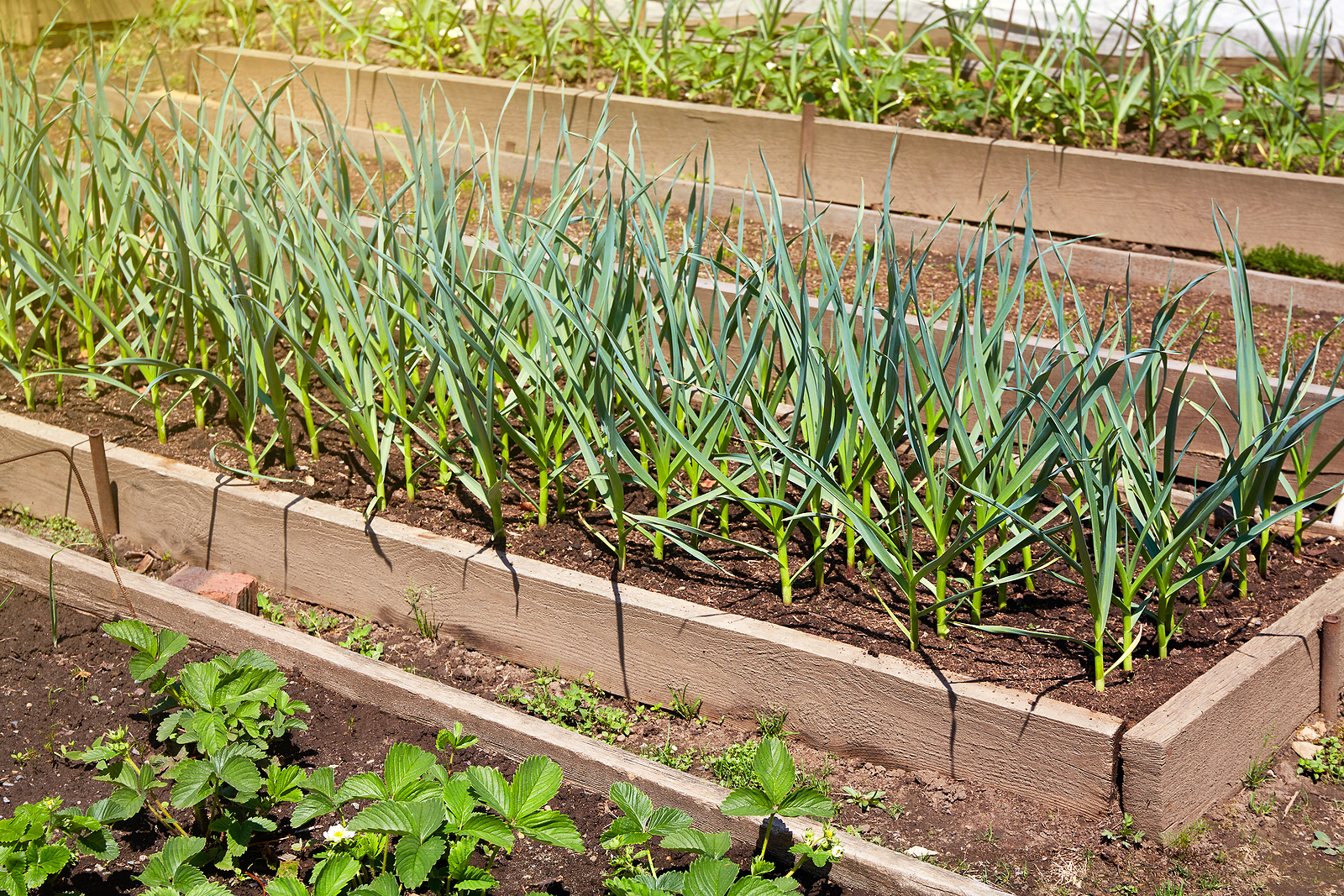
Fall is the ideal season for planting garlic. Unlike many vegetables that are planted and harvested within one growing season, garlic requires a long period of development that begins in autumn and continues through spring and summer.
The secret to growing large, flavorful garlic bulbs is planting at the right time. Garlic cloves need warm enough soil to develop roots before winter, followed by a period of cold weather that triggers bulb formation. Plant too early and cloves may produce excessive top growth; plant too late and roots may not establish before freezing weather arrives.
The key is understanding soil temperature rather than calendar dates. When soil temperatures reach the ideal range, garlic can establish a strong root system while preparing for the winter chilling it needs.
This guide explains when to plant fall garlic, how to choose varieties, and how to grow garlic from cloves to harvest.
Know What to Plant This Week
Every week I answer the gardener's most important question: what should I plant now? Get seasonal planting advice free — or go Pro for my full Soil Temperature Garden Report, with soil temperature, moisture, weather trends, and crop-by-crop recommendations.
Best Soil Temperature for Planting Garlic Cloves
Every vegetable has an ideal soil temperature for successful establishment. Garlic is different from most garden crops because it is planted in fall, grows through winter, and forms bulbs the following year.
Garlic cloves perform best when planted into cool, but not cold, soil.
- Ideal soil temperature for planting cloves: 50–60°F (10–16°C)
- Minimum soil temperature: about 40°F
- Maximum practical soil temperature: about 70°F
- Root establishment period: approximately 4–8 weeks before hard freezing
When soil temperatures are between 50° and 60°F:
- Roots develop quickly.
- Cloves establish before winter.
- Top growth remains moderate.
- Plants enter dormancy naturally.
Avoid planting when soil is still warm above 70°F because cloves may produce excessive foliage before winter.
Avoid waiting until soil temperatures fall below 40°F because root development slows significantly.
Harvest to Table Soil Tip
Garlic is planted in warm soil but harvested in warm air. Fall soil temperatures determine whether cloves establish successfully, while winter chilling determines bulb formation and summer temperatures determine harvest quality.
Garlic Planting Window by Climate
The best planting date depends on your climate, not a specific calendar day.
The goal is to plant about 4–8 weeks before the ground freezes or before consistently cold winter weather arrives.
Cold Climates (Zones 3–5)
Plant:
September through October
Goals:
- Establish roots before winter.
- Mulch heavily before deep freezes.
- Protect cloves from repeated freeze-thaw cycles.
Moderate Climates (Zones 6–7)
Plant:
October through November
This is often the ideal garlic planting window.
Mild Climates (Zones 8–10)
Plant:
October through December
In mild winter areas, garlic is often planted later because cloves need exposure to winter temperatures without excessive early growth.
For mild climates such as coastal California, garlic planting often begins when soil temperatures drop into the 50–60°F range.
Vernalization: Why Garlic Needs Winter Cold
Garlic requires a period of cold exposure called vernalization to form large bulbs.
Vernalization triggers the plant’s transition from vegetative growth to bulb development.
Most garlic varieties need:
- About 6–12 weeks of temperatures between 32° and 50°F
- Exposure to cold soil or winter weather
Without adequate chilling:
- Bulbs may remain small.
- Cloves may not separate properly.
- Plants may produce excessive foliage without forming large bulbs.
Gardeners in mild winter climates may need to:
- Plant later in the season.
- Choose varieties suited to warmer climates.
- Provide artificial chilling if necessary.
Hardneck vs Softneck Garlic
Choosing the right garlic type is important because varieties differ in cold tolerance, storage ability, and flavor.
| Type | Characteristics | Best Climate | Storage |
|---|---|---|---|
| Hardneck Garlic | Produces a flower stalk (scape); large cloves; strong flavor | Colder climates | 3–6 months |
| Softneck Garlic | No flower stalk; more cloves; excellent storage | Mild climates | 6–12 months |
| Elephant Garlic | Large mild cloves; actually a leek relative | Mild climates | Several months |
Hardneck Garlic
Hardneck varieties are favored by many gardeners for their flavor and large cloves.
Advantages:
- Easier to peel.
- Produces edible scapes.
- Strong flavor.
- Excellent cold tolerance.
Examples:
- Rocambole
- Purple Stripe
- Porcelain
Best suited for:
- Zones 3–7
- Colder winter climates
Softneck Garlic
Softneck garlic is the traditional storage garlic found in many grocery stores.
Advantages:
- Stores longer.
- Produces more cloves per bulb.
- Handles mild climates well.
- Can be braided.
Examples:
- Artichoke
- Silverskin
Best suited for:
- Zones 5–10
- Mild winter climates
How to Plant Garlic Cloves
Plant individual cloves from healthy garlic bulbs.
Before planting:
- Separate cloves shortly before planting.
- Keep the papery skin intact.
- Select the largest cloves for the largest bulbs.
Plant:
- Pointed end up.
- Flat root plate down.
Depth:
- 2–3 inches deep.
Spacing:
- 4–6 inches apart.
Rows:
- 12 inches apart.
Cover with soil and water thoroughly.
Mulching Fall Garlic
Mulch protects garlic through winter and helps regulate soil temperature.
Good mulch choices:
- Straw
- Chopped leaves
- Compost
Apply:
- 3–6 inches after planting.
Mulch helps:
- Reduce temperature swings.
- Prevent frost heaving.
- Suppress weeds.
- Maintain soil moisture.
Remove or thin mulch in spring if growth is restricted.
Watering Garlic
Garlic needs consistent moisture during growth but dislikes wet soil.
Fall and winter:
- Keep soil lightly moist after planting.
Spring:
- Water regularly as bulbs develop.
Reduce watering:
- 2–3 weeks before harvest.
Excess moisture late in the season can reduce storage quality.
Fertilizing Garlic
Garlic is a moderate feeder.
Before planting:
- Add compost.
- Incorporate balanced organic fertilizer if needed.
Spring:
- Side-dress with nitrogen when growth resumes.
Stop nitrogen applications:
- After bulb formation begins.
Too much late nitrogen can delay maturity.
Common Garlic Problems
Small Bulbs
Caused by:
- Small planting cloves.
- Poor soil fertility.
- Inadequate winter chilling.
- Late planting.
Yellow Leaves
Possible causes:
- Nutrient deficiency.
- Water stress.
- Natural maturity.
Rotting Cloves
Usually caused by:
- Poor drainage.
- Excess moisture.
- Planting diseased cloves.
Weeds
Garlic competes poorly with weeds.
Maintain weed-free beds throughout the growing season.
Harvest
Garlic is harvested when bulbs mature in summer.
Signs of readiness:
- Lower leaves turn brown.
- About half the leaves remain green.
- Bulbs have developed firm wrappers.
Typical harvest:
- Hardneck: June–July
- Softneck: June–August
Dig bulbs carefully rather than pulling.
Curing Garlic
Proper curing improves storage life.
After harvest:
- Brush off excess soil.
- Do not wash bulbs.
- Hang or place in a dry, shaded, well-ventilated area.
- Cure for 2–4 weeks.
After curing:
- Trim roots.
- Cut tops or braid softneck varieties.
- Store in a cool, dry place.
My Experience Growing Fall Garlic
I’ve grown garlic in different climates, and the most important lesson is that garlic success begins months before harvest. The planting date is not about the calendar—it is about soil conditions. Garlic needs enough warmth in fall to establish roots, followed by enough winter cold to trigger bulb formation. When planted at the right soil temperature and given a full growing season, garlic becomes one of the most rewarding crops in the garden.
Frequently Asked Questions
What soil temperature is best for planting garlic?
Garlic cloves grow best when planted into soil temperatures between 50° and 60°F.
When should garlic be planted in fall?
Plant garlic 4 to 8 weeks before the ground freezes or before consistently cold winter weather arrives.
Does garlic need frost to grow?
Garlic does not need frost itself, but most varieties need a period of cold exposure called vernalization to form bulbs.
How long does garlic take to grow?
Fall-planted garlic usually requires 8 to 9 months from planting to harvest.
What is the difference between hardneck and softneck garlic?
Hardneck garlic produces a flower stalk and performs best in colder climates. Softneck garlic stores longer and is better suited to mild climates.
Can garlic be planted from grocery store bulbs?
It is better to plant certified garlic because grocery garlic may not be adapted to your climate and may carry diseases.
Should garlic be watered in winter?
In most climates, rainfall provides enough moisture. Water only if soil becomes unusually dry.
Can garlic grow in containers?
Yes. Use containers at least 8 inches deep with fertile, well-drained soil.
Fall Garden Planting Calendar
| Stage | Best Conditions |
| Ideal soil temperature for planting cloves | 50–60°F (10–16°C) |
| Planting window | 4–8 weeks before ground freezes |
| Root establishment period | 4–8 weeks before winter dormancy |
| Cold requirement | 6–12 weeks between 32–50°F for vernalization |
| Harvest timing | June–August depending on climate and variety |
| Best harvest conditions | Dry weather with warm temperatures for curing |
Tip: Garlic success begins in fall. Plant when soil temperatures cool to 50–60°F, allow cloves to establish roots before winter, then let cold temperatures trigger the bulb formation needed for a summer harvest.
The Soil Temperature Takeaway
After decades of growing vegetables in different climates, I’ve learned that garlic rewards gardeners who understand timing. The largest bulbs are not produced by simply planting on a certain date—they come from planting when soil conditions are right. Fall warmth establishes the crop, winter cold triggers bulb formation, and summer warmth completes the harvest. Rather than relying only on planting dates, use soil temperature to know when to plant and seasonal temperatures to guide garlic from cloves to mature bulbs.
Plant by soil temperature. Harvest by air temperature.
Continue Growing Your Fall Garden
This article is part of the Harvest to Table Fall Planting Through Harvest Series, a collection of crop-by-crop guides that show you the best soil temperature for planting, the ideal planting window by climate, and the temperatures that produce the highest-quality harvests. If you’re planning an entire fall vegetable garden, start with The Complete Guide to Fall Vegetable Gardening: Planning, Planting, Growing, and Harvesting, then explore the crop guides below for detailed planting and growing advice.
Browse the Series
🥬 Leafy Greens
🥕 Root Crops
🥦 Brassicas
🧅 Alliums
🌱 Legumes
🌿 Herbs