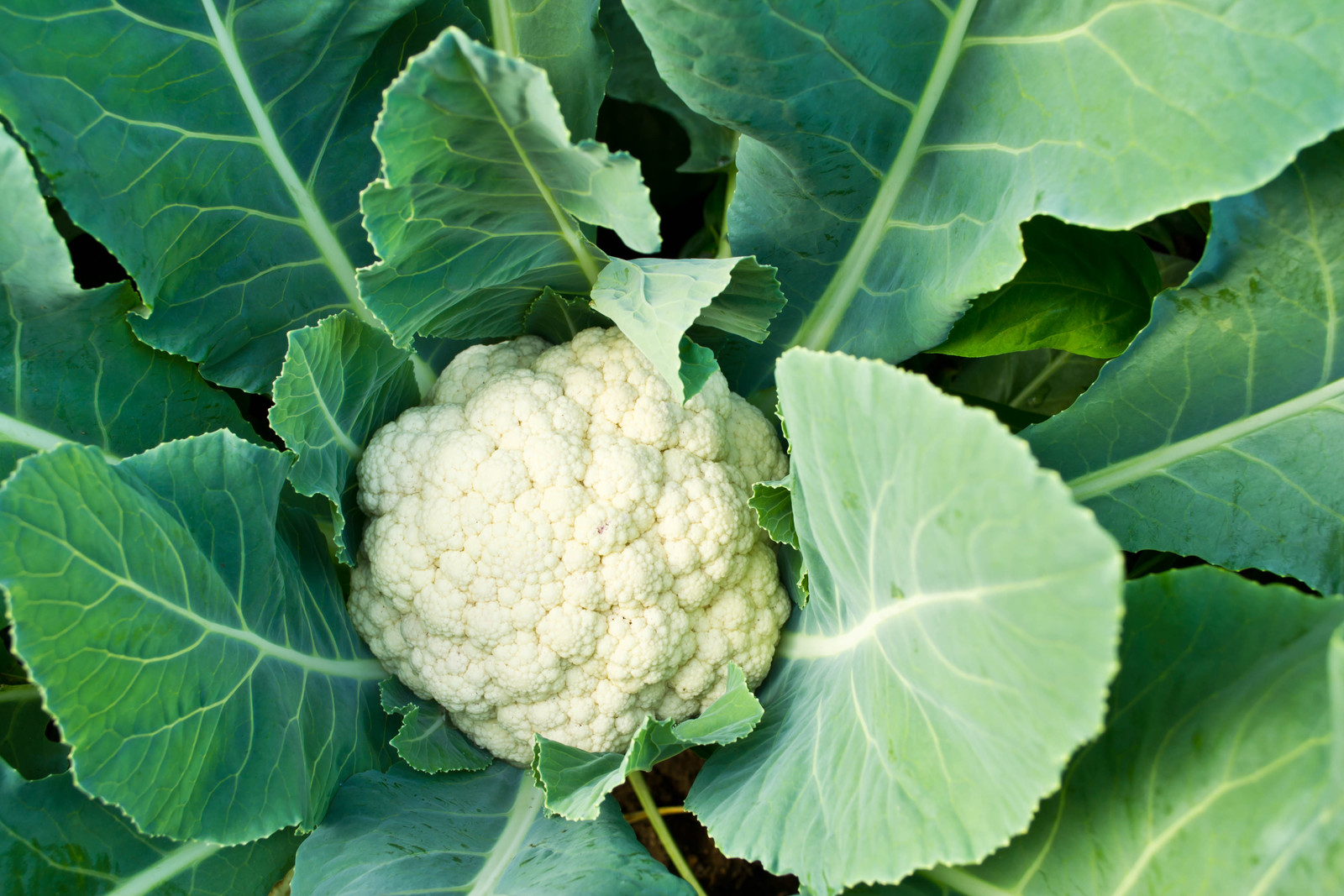
How to Grow Fall Cauliflower: Planting Through Harvest

Fall is the ideal season for growing cauliflower. While cauliflower can be challenging in spring, fall plantings often produce larger, sweeter, and more reliable heads because plants mature as temperatures cool. Warm soil helps young plants establish quickly, while cool autumn weather encourages tight, dense heads with excellent flavor.
The secret to growing outstanding fall cauliflower is planting according to soil temperature rather than calendar dates. The crop needs warmth early in its life cycle to develop a strong root system and healthy leaves, but it needs cool weather when the head begins forming. This guide explains when to plant, how to grow vigorous plants, and how to harvest cauliflower at peak quality.
Best Soil Temperature for Planting
Every vegetable has an ideal soil temperature for germination. Planting within that range produces faster emergence, stronger seedlings, and more dependable harvests.
Cauliflower is a cool-season crop that benefits from warm soil during establishment and cool air during head development.
Know What to Plant This Week
Every week I answer the gardener's most important question: what should I plant now? Get seasonal planting advice free — or go Pro for my full Soil Temperature Garden Report, with soil temperature, moisture, weather trends, and crop-by-crop recommendations.
- Ideal soil temperature: 60–75°F (16–24°C)
- Minimum soil temperature: about 50°F
- Maximum practical soil temperature: about 85°F
- Expected germination: 5–10 days
For fall cauliflower, the goal is to start plants while summer soil is still warm enough for rapid root development, allowing heads to form as autumn temperatures decline.
If planting during hot weather:
- Provide temporary shade for young transplants.
- Keep soil evenly moist.
- Mulch around plants to moderate soil temperatures.
Projected harvest temperatures
Cauliflower forms the best heads when daytime temperatures range between 55° and 70°F (13–21°C) and nighttime temperatures fall between 45° and 55°F (7–13°C).
Extended heat can cause:
- Loose heads
- Bitter flavor
- Premature flowering
Light frosts usually do not damage mature cauliflower and may improve flavor.
Harvest to Table Soil Tip
Soil temperature determines how quickly seeds germinate and roots establish. Air temperature determines the quality of the harvest. That’s why successful fall gardening starts by planting into warm soil and finishes with crops maturing in cool autumn weather.
When to Plant Fall Cauliflower
Cauliflower requires a long growing season, so timing is critical.
Start seeds or set out transplants 10 to 12 weeks before your average first fall frost.
For many gardeners, transplanting is the easiest and most reliable method because cauliflower needs a long period of steady growth before forming heads.
General planting windows:
- Northern gardens: June through July
- Mid-latitude gardens: July through August
- Mild winter climates: August through September
Choose the Right Variety
Fall cauliflower varieties should mature during cool weather.
Excellent choices include:
White Cauliflower
- Snow Crown
- Amazing
- Fremont
Colored Varieties
- Cheddar
- Graffiti
- Purple Cape
Self-Blanching Types
- Early Snowball
- Snowball Y Improved
Choose varieties based on days to maturity and your expected fall temperatures.
Prepare the Soil
Cauliflower is a heavy feeder and requires fertile soil.
Before planting:
- Loosen soil 10 to 12 inches deep.
- Incorporate several inches of compost.
- Add a balanced organic fertilizer if needed.
- Maintain soil pH between 6.0 and 7.5.
Cauliflower grows best in soil that holds moisture but drains well.
Planting
Start seeds indoors:
- 4 to 6 weeks before transplanting
Or transplant seedlings when they have:
- 4 to 6 true leaves
Spacing:
- 18 to 24 inches apart
Rows:
- 24 to 36 inches apart
Firm soil gently around transplants and water thoroughly.
Water Consistently
Cauliflower requires consistent moisture throughout growth.
Provide:
- About 1 to 1½ inches of water per week
Uneven watering can cause:
- Small heads
- Poor curd development
- Loose texture
Mulch helps maintain even moisture and cooler root temperatures.
Fertilizing
Cauliflower needs regular nutrition to produce large heads.
Recommended approach:
- Add compost before planting.
- Side-dress with nitrogen-rich organic fertilizer about 3 to 4 weeks after transplanting.
- Avoid excessive nitrogen late in growth, which can delay head formation.
Common Problems
No Head Formation
Often caused by:
- Heat stress
- Poor nutrition
- Plant stress during early growth
Loose or Ricey Heads
Usually caused by:
- Warm temperatures during head formation
- Rapid growth fluctuations
Yellow Heads
Often caused by sunlight exposure.
Blanch white varieties by tying outer leaves over the head.
Cabbage Worms
Inspect leaves regularly and use row covers or Bacillus thuringiensis (Bt) if needed.
Aphids
Wash plants with water or use insecticidal soap.
Harvest
Most cauliflower varieties mature 55 to 100 days after transplanting, depending on variety.
Harvest when:
- Heads are firm.
- Curds are tight.
- Heads are 6 to 8 inches across.
Cut the head with several surrounding leaves attached to protect it.
Harvest promptly once mature because cauliflower quality declines if left too long.
Growing Tips
- Start early enough for heads to mature in cool weather.
- Maintain consistent moisture.
- Feed plants throughout growth.
- Protect heads from sunlight.
- Harvest before curds loosen.
- Grow several varieties with different maturity dates.
My Experience Growing Fall Cauliflower
I’ve grown cauliflower in climates ranging from cold Midwestern gardens to mild Northern California conditions, and fall remains the most dependable season for this crop. The key is understanding the balance between warm soil and cool air. Young plants need warmth to build a strong foundation, but the best heads develop when autumn temperatures arrive. By watching soil temperatures and planning backward from the first frost date, cauliflower becomes far more predictable and rewarding.
Frequently Asked Questions
What soil temperature is best for planting cauliflower?
Cauliflower grows best when planted into soil temperatures between 60° and 75°F.
Why does my cauliflower grow leaves but no head?
Heat stress, poor nutrition, and interrupted growth during early development can prevent proper head formation.
What temperature is best for cauliflower heads?
Cauliflower forms the best heads when daytime temperatures remain between 55° and 70°F.
Does cauliflower tolerate frost?
Yes. Light frosts are usually tolerated and may improve flavor, but hard freezes can damage developing heads.
How long does cauliflower take to grow?
Depending on the variety, cauliflower usually requires 55 to 100 days after transplanting.
Should I blanch cauliflower?
White cauliflower varieties benefit from blanching by covering the developing head with leaves to protect it from sunlight.
How often should cauliflower be watered?
Provide about 1 to 1½ inches of water per week and keep soil consistently moist.
Can cauliflower grow in containers?
Yes, but containers should be large—at least 12 inches deep and wide—to support the plant’s extensive root system.
Fall Garden Planting Calendar
| Stage | Best Conditions |
|---|---|
| Ideal soil temperature for sowing | 60–75°F (16–24°C) |
| Planting window | 10–12 weeks before your average first fall frost |
| Days to maturity | 55–100 days after transplanting |
| Best harvest temperatures | Days: 55–70°F (13–21°C) • Nights: 45–55°F (7–13°C) |
| Frost tolerance | Light frosts are tolerated; prolonged hard freezes can damage heads. |
Tip: Cauliflower needs warm soil early for strong growth, but cool autumn weather for the best heads. Plant while the soil is warm enough to establish vigorous plants, then let cool temperatures finish the crop.
The Soil Temperature Takeaway
After decades of growing vegetables in different climates, I’ve learned that cauliflower rewards gardeners who understand timing. Warm soil gives young plants the strong root system and leafy growth needed to support head formation. Cool autumn temperatures then create the dense, sweet heads that make cauliflower worth growing. The goal is not simply to plant early or late—it is to plant when the soil is ready and harvest when the air is right. Rather than relying on planting dates alone, use soil temperature to know when to plant and air temperature to know when your cauliflower will produce its highest-quality harvest.
Plant by soil temperature. Harvest by air temperature.
Continue Growing Your Fall Garden
This article is part of the Harvest to Table Fall Planting Through Harvest Series, a collection of crop-by-crop guides that show you the best soil temperature for planting, the ideal planting window by climate, and the temperatures that produce the highest-quality harvests. If you’re planning an entire fall vegetable garden, start with The Complete Guide to Fall Vegetable Gardening: Planning, Planting, Growing, and Harvesting, then explore the crop guides below for detailed planting and growing advice.
Browse the Series
🥬 Leafy Greens
🥕 Root Crops
🥦 Brassicas
🧅 Alliums
🌱 Legumes
🌿 Herbs