How to Grow Fall Cabbage: Planting Through Harvest

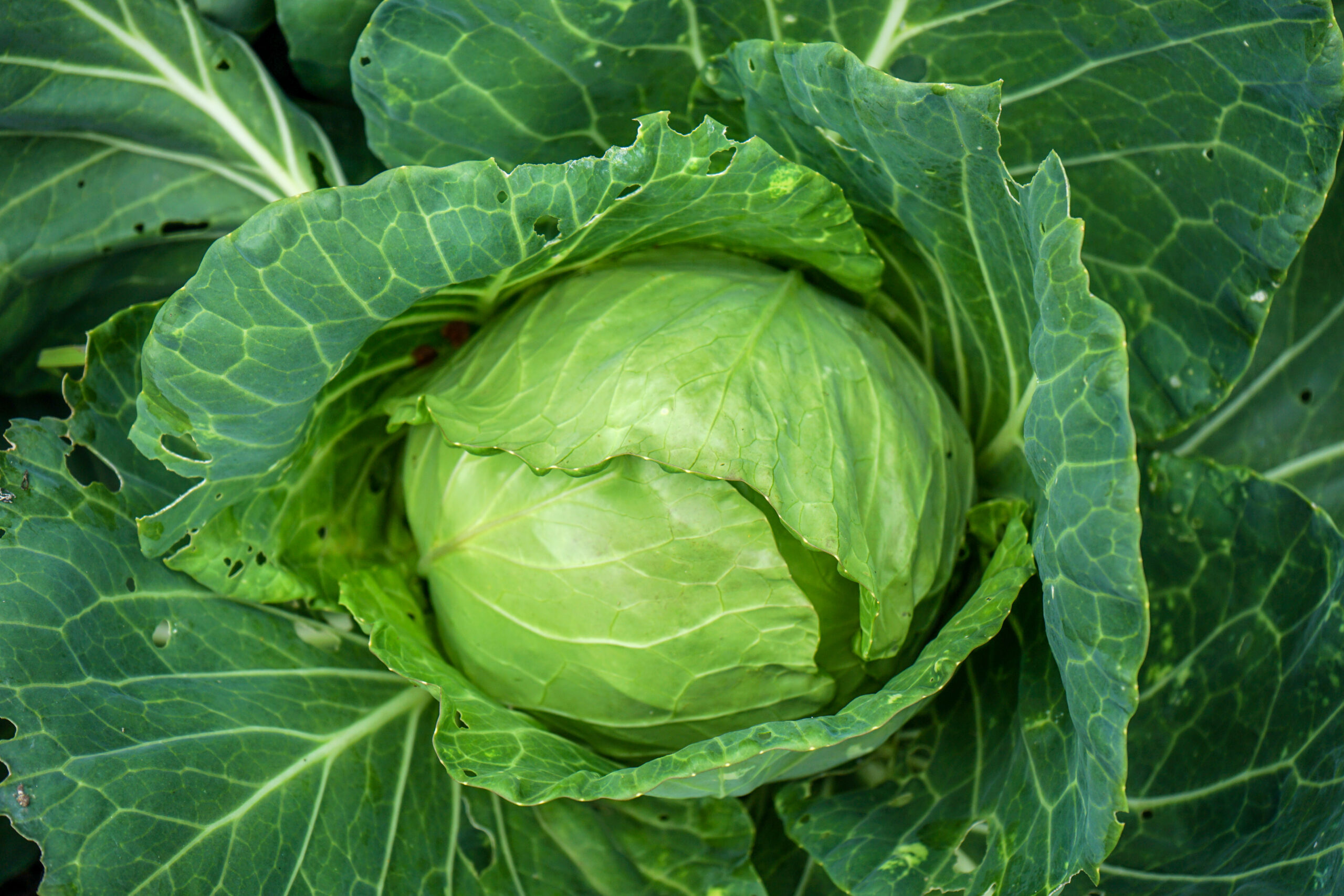
Fall is the ideal season to grow cabbage. As summer heat fades and temperatures cool, cabbage develops dense, flavorful heads without the bolting and bitterness that can plague spring crops. Cool weather also enhances sweetness, making fall cabbage one of the finest vegetables for fresh eating, slaws, soups, and long-term storage.
The key to growing excellent fall cabbage is planting according to soil temperature rather than calendar dates. Warm soil encourages rapid seed germination and transplant establishment, while cool autumn weather allows heads to mature slowly and firmly. This guide explains when to plant, how to care for your crop, and when to harvest for the highest quality.
Best Soil Temperature for Planting
Cabbage seeds germinate quickly in warm soil but produce their best heads during cool weather.
- Ideal soil temperature for germination: 65–80°F (18–27°C)
- Minimum soil temperature: about 45°F
- Maximum practical soil temperature: about 85°F
- Expected germination: 5–10 days
Late summer soil temperatures are usually ideal for starting fall cabbage. During periods of intense heat, keep the seedbed consistently moist and provide temporary afternoon shade for young seedlings if necessary.
Know What to Plant This Week
Every week I answer the gardener's most important question: what should I plant now? Get seasonal planting advice free — or go Pro for my full Soil Temperature Garden Report, with soil temperature, moisture, weather trends, and crop-by-crop recommendations.
Projected harvest temperatures
Cabbage develops the firmest, sweetest heads when daytime temperatures remain between 55° and 70°F (13–21°C) and nighttime temperatures fall between 40° and 55°F (4–13°C).
Several light frosts improve flavor by increasing natural sugars without harming mature plants.
When to Plant Fall Cabbage
Plan to sow seed or transplant 10 to 14 weeks before your average first fall frost, depending on the variety.
General planting windows include:
- Northern gardens: late June through July
- Mid-latitude gardens: July through early August
- Mild winter climates: August through September
Many gardeners start seed indoors or in a protected nursery bed during midsummer and transplant vigorous seedlings four to six weeks later.
Choose the Right Variety
Choose varieties that mature within your growing season.
Excellent fall varieties include:
- Copenhagen Market
- Bravo
- Stonehead
- Ruby Ball
- Red Express
- Gonzales
- Deadon (Savoy)
- Savoy Ace
- January King
- Storage No. 4
Storage cabbages generally require the longest growing season but reward gardeners with exceptional keeping quality.
Prepare the Soil
Cabbage grows best in fertile, moisture-retentive soil rich in organic matter.
Before planting:
- Loosen soil 10 to 12 inches deep.
- Incorporate several inches of finished compost.
- Remove perennial weeds.
- Maintain a soil pH between 6.5 and 7.0.
- Apply a balanced organic vegetable fertilizer before planting if needed.
Rich soil encourages steady leaf production and dense heads.
Planting
Sow seeds:
- ½ inch deep
- 2 inches apart
Transplant seedlings when they develop four to six true leaves.
Space plants:
- 18 to 24 inches apart
- Rows 24 to 36 inches apart
Water thoroughly after transplanting to settle the soil around the roots.
Water Consistently
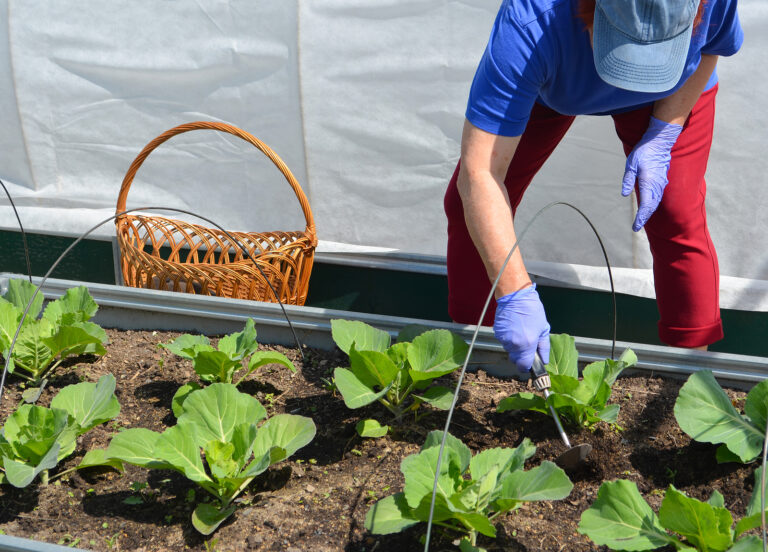
Cabbage requires consistent soil moisture from transplanting through harvest.
Provide approximately 1 to 1½ inches of water each week.
Avoid allowing plants to dry out between irrigations, especially while heads are forming.
Mulch helps maintain even soil moisture and reduces soil temperature fluctuations.
Fertilizing
Because cabbage is a heavy feeder, side-dress with a nitrogen-rich organic fertilizer about three weeks after transplanting.
Avoid excessive nitrogen once heads begin to firm.
Common Problems
Loose Heads
Usually caused by high temperatures or inadequate fertility during head formation.
Split Heads
Often result from heavy rainfall or excessive irrigation after heads have matured.
Harvest mature heads promptly.
Cabbage Worms
Inspect leaves regularly and remove caterpillars by hand or apply Bacillus thuringiensis (Bt) when necessary.
Aphids
Control infestations with a strong spray of water or insecticidal soap.
Black Rot
Reduce disease by rotating crops, avoiding overhead irrigation, and purchasing disease-free seed or transplants.
Harvest
Most fall cabbage matures 70 to 100 days after sowing, depending on the variety.
Harvest when:
- Heads are firm.
- The head reaches full size for the variety.
- Outer wrapper leaves remain healthy.
Cut the head at the base with a sharp knife.
If you leave the stump in the garden, many varieties produce several small secondary heads that can be harvested later.
Growing Tips
- Grow cabbage for fall whenever possible.
- Keep plants growing steadily with consistent moisture.
- Feed early for vigorous leaf growth.
- Harvest promptly once heads become firm.
- Protect young plants from cabbage worms during late summer.
My Experience Growing Fall Cabbage
After growing cabbage in Iowa, Massachusetts, Florida, and Northern California, I’ve found that fall crops almost always outperform spring plantings. Warm summer soil establishes vigorous plants, while shortening days and cool nights produce dense, crisp heads with excellent flavor. I rely on soil temperature to decide when to sow and transplant rather than planting strictly by the calendar, and that approach has consistently resulted in healthier plants and more dependable harvests.
Frequently Asked Questions
What soil temperature is best for planting cabbage?
Seeds germinate best when soil temperatures range between 65° and 80°F.
Does cabbage tolerate frost?
Yes. Mature cabbage tolerates light frosts, which often improve sweetness and flavor.
Why are my cabbage heads loose?
Loose heads usually result from excessive heat, uneven watering, or insufficient fertility during head formation.
Can cabbage survive freezing temperatures?
Most mature plants tolerate temperatures into the upper 20s°F without significant damage, especially after they have hardened off.
How often should cabbage be watered?
Provide about 1 to 1½ inches of water weekly, keeping soil consistently moist but never waterlogged.
Can cabbage be grown in containers?
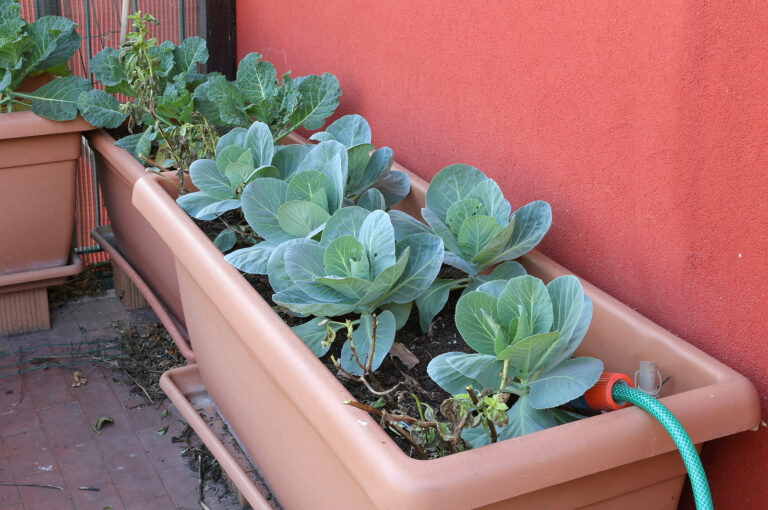
Yes. Grow one plant per container at least 12 to 18 inches wide and equally deep using fertile potting mix.
Why did my cabbage split?
Heads commonly split after heavy rain or overwatering once they have reached maturity. Harvest mature heads promptly.
Can I harvest smaller cabbage heads?
Yes. Baby cabbage heads are tender and can be harvested well before reaching full size.
Fall Garden Planting Calendar
| Stage | Best Conditions |
|---|---|
| Ideal soil temperature for sowing | 65–80°F (18–27°C) |
| Planting window | 10–14 weeks before your average first fall frost |
| Days to maturity | 70–100 days |
| Best harvest temperatures | Days 55–70°F • Nights 40–55°F |
| Frost tolerance | Mature plants tolerate light frosts and become sweeter after cool weather |
Tip: Soil temperatures tell you when to plant. Air temperatures determine the quality of your harvest. Warm soil gets cabbage growing quickly, while cool autumn weather produces firm, sweet heads.
The Soil Temperature Takeaway
One lesson I’ve learned after decades of growing vegetables is that the soil tells you far more than the calendar. Warm late-summer soil gives cabbage the fast start it needs to develop a deep root system and abundant leaves. As autumn temperatures gradually cool, plants shift their energy into forming dense, flavorful heads. By planting according to soil temperature instead of dates alone, you’ll enjoy more reliable harvests and better-tasting cabbage year after year.
Continue Growing Your Fall Garden
This article is part of the Harvest to Table Fall Planting Through Harvest Series, a collection of crop-by-crop guides that show you the best soil temperature for planting, the ideal planting window by climate, and the temperatures that produce the highest-quality harvests. If you’re planning an entire fall vegetable garden, start with The Complete Guide to Fall Vegetable Gardening: Planning, Planting, Growing, and Harvesting, then explore the crop guides below for detailed planting and growing advice.
Browse the Series
🥬 Leafy Greens
🥕 Root Crops
🥦 Brassicas
🧅 Alliums
🌱 Legumes
🌿 Herbs