How to Grow Fall Carrots: Planting Through Harvest

Growing carrots for a fall harvest is often easier than growing them in spring. Warm summer soil speeds germination, weeds are less aggressive later in the season, and the roots mature as days become cooler. As temperatures decline, carrots convert starches into sugars, producing sweeter, crisper roots than many spring crops.
The key is planting at the right soil temperature—not simply by the calendar. Soil temperature determines how quickly seeds germinate, how evenly seedlings emerge, and how rapidly roots develop. Throughout this guide, you’ll learn when to plant, how to prepare the soil, how to keep seedlings growing steadily, and how to harvest the sweetest carrots of the year.
Best Soil Temperature for Planting
Carrot seeds germinate over a wide range of temperatures, but they perform best when the soil is 65° to 75°F (18–24°C).
- Ideal soil temperature: 65–75°F
- Minimum for germination: about 45°F
- Maximum practical temperature: about 85°F
- Expected germination: 6–14 days under ideal conditions
Late summer often provides ideal soil temperatures in many regions. If your garden soil is above 80°F, keep the seedbed consistently moist until seedlings emerge. A light layer of compost or shade cloth during the hottest part of the day can improve germination.
Know What to Plant This Week
Every week I answer the gardener's most important question: what should I plant now? Get seasonal planting advice free — or go Pro for my full Soil Temperature Garden Report, with soil temperature, moisture, weather trends, and crop-by-crop recommendations.
Projected harvest temperatures
Carrots develop their best flavor when daytime temperatures cool into the 60s and low 70s°F and nighttime temperatures fall into the 40s and 50s°F. Light autumn frosts actually improve sweetness by encouraging the roots to store more sugars.
When to Plant Fall Carrots
Count backward 70 to 85 days before your average first fall frost, depending on the variety.
General planting windows:
- Northern gardens: late July through early August
- Mid-latitude gardens: August
- Mild winter climates: August through September
Successive sowings every two weeks provide continuous harvests through autumn and into winter in frost-free climates.
Choose the Right Variety
Not every carrot is equally suited to fall production.
Excellent choices include:
- Nantes
- Scarlet Nantes
- Bolero
- Yaya
- Nelson
- Romance
- Napoli
- Mokum
- Danvers 126
- Yellowstone
- Purple Haze
Round-rooted varieties perform especially well in heavier soils.
Prepare the Soil
Carrots grow best in loose, stone-free soil.
Before planting:
- Remove rocks and large clods.
- Loosen soil 10 to 12 inches deep.
- Mix in finished compost.
- Avoid fresh manure, which encourages forked roots.
- Rake the surface smooth.
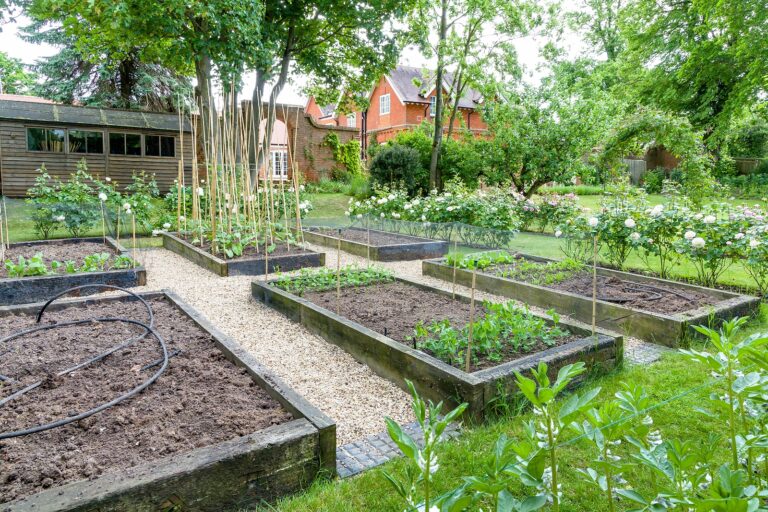
Raised beds often produce straighter roots because the soil remains loose and well-drained.
Planting Seeds
Sow seeds:
- ¼ inch deep
- 1 inch apart
- Rows 12 to 18 inches apart
Because carrot seed is tiny, mixing seed with dry sand helps distribute it more evenly.
Water gently after sowing.
Keep the top inch of soil consistently moist until germination.
Thin Seedlings Early
Crowded carrots never develop properly.
Thin seedlings twice:
- First thinning: 1 inch apart
- Final thinning: 2 to 3 inches apart
Early thinning allows each root enough space to enlarge.
Water for Straight Roots
Carrots need consistent moisture.
Aim for approximately 1 inch of water per week, increasing slightly during periods of extreme heat.
Avoid cycles of drought followed by heavy irrigation, which can cause splitting.
Mulch after seedlings are established to keep the soil cool and reduce moisture loss.
Fertilizing
Too much nitrogen encourages leafy tops rather than roots.
If your soil contains plenty of compost, additional fertilizer may not be necessary.
If feeding is needed, use a balanced organic vegetable fertilizer low in nitrogen.
Common Problems
Forked Roots
Usually caused by:
- Rocks
- Compacted soil
- Fresh manure
Poor Germination
Often results from:
- Dry seedbeds
- Soil temperatures above 85°F
- Crusted soil surface
Hairy Roots
Can develop from excess nitrogen or uneven moisture.
Carrot Rust Fly
Floating row covers applied immediately after planting help prevent egg laying where this pest is common.
Harvest
Most fall carrots mature 70 to 85 days after sowing.
Harvest when roots reach their expected diameter.
For the sweetest flavor:
- Harvest after several cool nights.
- Leave mature carrots in the ground through light frosts if the soil remains workable.
- In mild climates, carrots may remain in the garden well into winter beneath mulch.
Growing Tips
- Sow into moist soil.
- Keep seedbeds damp until emergence.
- Thin seedlings promptly.
- Mulch to conserve moisture.
- Harvest after cool weather arrives for maximum sweetness.
My Experience Growing Fall Carrots
Over many years of growing vegetables in California, Iowa, Massachusetts, and Florida, I’ve found that fall carrots are consistently more reliable than spring plantings. Summer soil warms seeds quickly, while shortening days and cool autumn nights produce roots with exceptional sweetness and crisp texture. Rather than relying only on calendar dates, I plant when soil temperatures fall into the ideal germination range. Monitoring soil temperature has given me more uniform stands and more dependable harvests season after season.
Frequently Asked Questions
Can carrots germinate in hot summer soil?
Yes. Seeds can germinate up to about 85°F, but germination is faster and more uniform between 65° and 75°F. Keep the seedbed consistently moist during hot weather.
How long do fall carrots take to mature?
Most varieties require 70 to 85 days from sowing to harvest.
Do carrots become sweeter after frost?
Yes. Cool weather and light frosts encourage carrots to convert starches into sugars, improving flavor.
Should carrot tops be covered with soil?
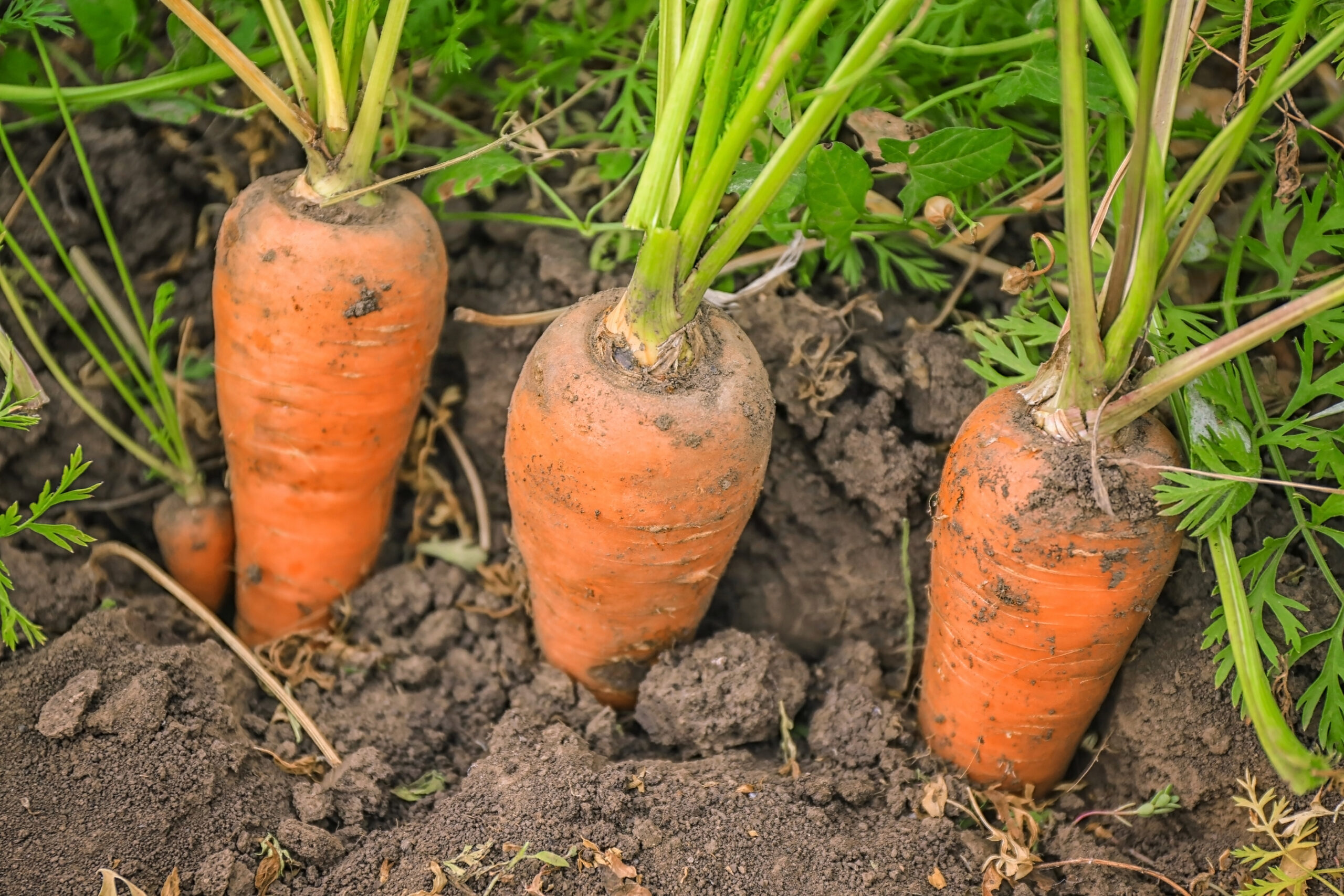
If the shoulders become exposed, cover them lightly with soil or mulch to prevent greening.
Can carrots stay in the ground over winter?
In regions where the soil does not freeze deeply, carrots can remain in the garden beneath mulch and be harvested as needed.
Why are my carrots short?
Shallow, compacted, or rocky soil restricts root growth. Loose soil prepared 10 to 12 inches deep produces longer, straighter carrots.
Should I fertilize carrots?
Only lightly if needed. Excess nitrogen promotes leafy tops instead of root development.
Can I grow carrots in raised beds?
Yes. Raised beds often produce the straightest, smoothest roots because the soil remains loose and well-drained.
Fall Garden Planting Calendar
| Stage | Best Conditions |
|---|---|
| Ideal soil temperature for sowing | 65–75°F (18–24°C) |
| Planting window | 10–12 weeks before your average first fall frost |
| Days to maturity | 70–85 days (depending on the variety) |
| Best harvest temperatures | Days: 60–70°F (16–21°C) • Nights: 40–50°F (4–10°C) |
| Frost tolerance | Light frosts increase sweetness; carrots can remain in the ground until the soil freezes |
Tip: Carrot seeds germinate quickly in warm soil, but the sweetest roots develop as cool autumn weather arrives. Plant while the soil is warm enough for rapid germination so your carrots mature during fall’s ideal growing conditions.
The Soil Temperature Takeaway
One lesson I’ve learned after decades of growing carrots is that the calendar only tells part of the story—the soil tells you when to plant. Warm late-summer soil encourages fast, even germination and strong early root growth. As autumn days shorten and nights become cooler, carrots convert more of their starches into natural sugars, producing sweeter, crisper roots than spring-grown crops. Rather than relying on planting dates alone, use soil temperature to know when to plant and air temperature to know when your carrots will develop their finest flavor.
Plant by soil temperature. Harvest by air temperature.
Continue Growing Your Fall Garden
This article is part of the Harvest to Table Fall Planting Through Harvest Series, a collection of crop-by-crop guides that show you the best soil temperature for planting, the ideal planting window by climate, and the temperatures that produce the highest-quality harvests. If you’re planning an entire fall vegetable garden, start with The Complete Guide to Fall Vegetable Gardening: Planning, Planting, Growing, and Harvesting, then explore the crop guides below for detailed planting and growing advice.
Browse the Series
🥬 Leafy Greens
🥕 Root Crops
🥦 Brassicas
🧅 Alliums
🌱 Legumes
🌿 Herbs