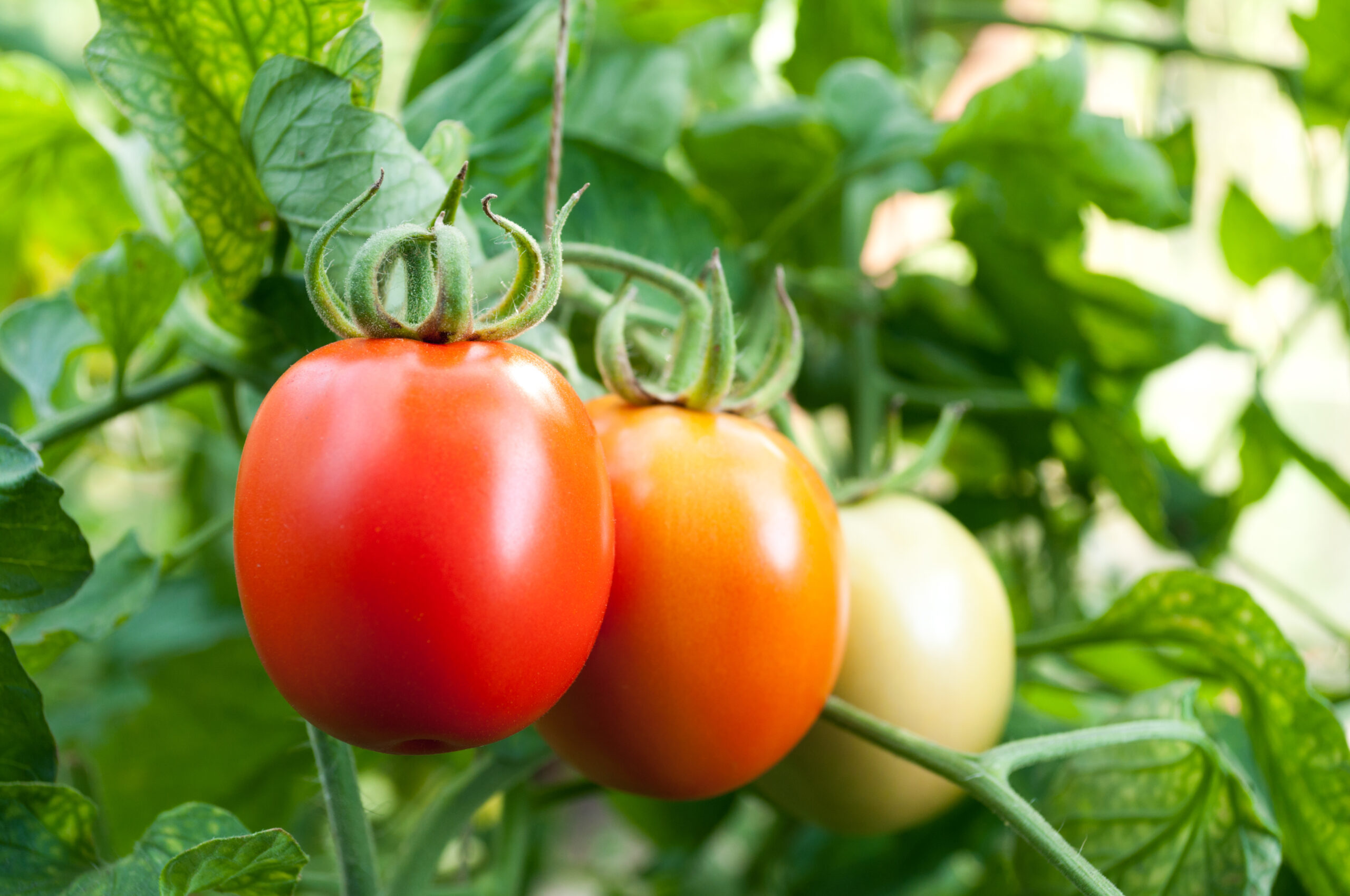
Why Tomatoes Stop Ripening in Hot Weather

Few things are more frustrating in the summer garden than watching healthy tomato plants loaded with green fruit that seem to stop ripening. The vines look vigorous, the tomatoes are full-sized, and yet the fruit remains stubbornly green for weeks.
This is a common problem during periods of intense summer heat. Tomatoes are warm-season crops, but extreme temperatures can interrupt the natural ripening process.
After growing tomatoes in gardens across Iowa, eastern Massachusetts, and Northern California, I’ve seen this happen in very different climates. A hot, humid Midwest summer, a New England heat wave, and California’s long stretches of dry heat can all create the same result: green tomatoes that pause before turning red.
The good news is that this is usually temporary. Understanding why tomatoes stop ripening in hot weather—and knowing what you can do about it—can help you harvest more flavorful fruit through the hottest weeks of summer.
Know What to Plant This Week
Every week I answer the gardener's most important question: what should I plant now? Get seasonal planting advice free — or go Pro for my full Soil Temperature Garden Report, with soil temperature, moisture, weather trends, and crop-by-crop recommendations.
Why Tomatoes Stop Ripening in Heat
Tomato ripening depends on a complex process involving temperature, sunlight, and plant hormones.
As tomatoes mature, they produce ethylene, a natural plant hormone that triggers the changes that turn green fruit into ripe red, pink, orange, or yellow tomatoes.
However, when temperatures become too high, this process slows down.
The ideal temperature range for tomato ripening is approximately:
- 70–75°F (21–24°C) — excellent ripening conditions
- 80–85°F (27–29°C) — ripening slows
- Above 90°F (32°C) — ripening may pause
- Above 95°F (35°C) — color development can stop
During extended hot weather, tomatoes may remain green even though they have reached full size.
The Science Behind Heat-Stalled Tomatoes
Tomato skins contain pigments that change as fruit ripens.
Green tomatoes contain:
- Chlorophyll — responsible for the green color
As tomatoes ripen:
- Chlorophyll breaks down
- Lycopene develops, creating red color
- Carotenoids contribute orange and yellow colors
- Sugars increase
- Flavor compounds develop
High temperatures interfere with pigment production, especially the formation of lycopene.
This is why tomatoes may appear pale orange, yellowish, or remain green during heat waves.
Why Night Temperatures Matter
Daytime heat gets most of the attention, but nighttime temperatures are equally important.
Tomatoes ripen best when nights remain below about 70°F (21°C).
When nighttime temperatures stay above 75°F (24°C):
- Ripening slows
- Flowers may drop
- Fruit set decreases
- Flavor development suffers
This is especially common during midsummer heat waves.
Are My Tomatoes Ripe Inside but Green Outside?
Sometimes tomatoes that appear green on the outside are actually beginning to ripen internally.
A tomato that has reached the breaker stage has:
- A slight yellow, pink, or orange tint
- A softer feel than immature green fruit
- Seeds that have matured inside
At this stage, the tomato has begun the ripening process and can finish ripening indoors.
Does Too Much Sun Stop Tomatoes From Ripening?
Direct sun does not ripen tomatoes.
In fact, excessive sun exposure can create problems.
High temperatures on the fruit surface can cause:
- Sunscald
- Uneven ripening
- Pale patches
- Tough skin
Tomatoes ripen because of internal biological processes—not because sunlight directly colors the fruit.
Healthy foliage that shades fruit during the hottest part of the day actually helps protect tomatoes.
What Can You Do When Tomatoes Stop Ripening?
1. Provide Afternoon Shade
During extreme heat, protecting plants from intense afternoon sun can help.
Options include:
- Shade cloth
- Strategic planting near taller crops
- Keeping healthy foliage on plants
Avoid removing too many leaves during hot weather.
Leaves help regulate fruit temperature.
2. Keep Plants Properly Watered
Heat stress and drought stress can both slow ripening.
Maintain consistent soil moisture by:
- Watering deeply
- Using drip irrigation
- Applying mulch
- Avoiding severe dry periods
Fluctuating moisture can also contribute to cracked fruit.
3. Add Organic Mulch
A 2- to 3-inch layer of mulch helps:
- Keep roots cooler
- Maintain even soil moisture
- Reduce heat stress
- Improve plant resilience
Good choices include:
- Straw
- Compost
- Shredded leaves
- Grass clippings
4. Avoid Excess Nitrogen
Too much nitrogen encourages lush green growth at the expense of fruit production and ripening.
If plants have enormous leaves but few ripening tomatoes, excess nitrogen may be part of the problem.
5. Harvest Tomatoes at the Right Stage
If extreme heat is expected, harvest tomatoes once they reach the breaker stage.
They can continue ripening indoors.
This protects fruit from:
- Heat damage
- Cracking
- Wildlife
- Insects
Should You Pick Green Tomatoes Before a Heat Wave?
Sometimes, yes.
If tomatoes have begun showing their mature color transition, picking them before a prolonged heat wave can be beneficial.
Place them:
- Indoors at room temperature
- Out of direct sunlight
- Stem side up if possible
Avoid refrigerating tomatoes before they fully ripen because cold temperatures reduce flavor.
Why Some Tomato Varieties Handle Heat Better
Not all tomatoes respond the same way to heat.
Heat-tolerant varieties often:
- Set fruit at higher temperatures
- Continue ripening better in warm climates
- Maintain production during summer stress
Smaller-fruited tomatoes often ripen more reliably during extreme heat because they require less time to mature.
Examples include:
- Cherry tomatoes
- Grape tomatoes
- Early-season varieties
Large beefsteak tomatoes are often more affected by heat delays.
My Tomato Growing Experience
Over the years, I’ve grown tomatoes in very different climates—from the humid summers of Iowa to the shorter growing season of eastern Massachusetts and now the dry summer heat of Northern California.
The lesson has remained the same: tomatoes love warmth, but they do not love excessive heat. In California gardens especially, I pay close attention to soil moisture, mulch, and afternoon protection during heat waves. Keeping plants healthy and reducing stress often makes the difference between green fruit that stalls and tomatoes that eventually ripen beautifully.
Frequently Asked Questions
Why are my tomatoes staying green in hot weather?
High temperatures slow the production of lycopene and other pigments needed for ripening. When temperatures exceed about 90°F (32°C), tomatoes may pause color development.
Will green tomatoes eventually ripen?
Yes. If tomatoes have reached maturity, they can often finish ripening on or off the vine once temperatures moderate.
Should I remove leaves to help tomatoes ripen?
No. Removing too many leaves can expose fruit to excessive heat and sunscald. Healthy foliage helps shade and protect tomatoes.
Do tomatoes ripen faster in the sun?
No. Tomatoes ripen because of internal processes triggered by ethylene, not direct sunlight. Excessive sun can actually damage fruit.
Should I pick tomatoes before a heat wave?
If fruit has reached the breaker stage, harvesting before extreme heat can protect quality and allow indoor ripening.
Does watering help tomatoes ripen?
Consistent watering helps reduce heat stress and supports healthy plants, but excess water will not force green tomatoes to ripen faster.
Why do my tomatoes turn orange but not red?
High temperatures can interfere with lycopene production, causing tomatoes to remain orange or pale until cooler conditions return.
The Bottom Line
Tomatoes stopping ripening during hot weather is a natural response to temperature stress, not a sign that your plants are failing. When temperatures rise too high, the chemical processes that create red color and full flavor slow down.
The best strategy is to keep plants healthy: maintain even soil moisture, protect roots with mulch, avoid excessive pruning, and provide shade during extreme heat when possible.
When temperatures moderate, tomatoes usually resume ripening—and with patience and proper care, those green fruits can still become the sweet, flavorful harvest you’ve been waiting for.