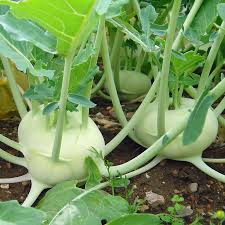
How to Grow Fall Kohlrabi: Planting Through Harvest

Fall is one of the best seasons for growing kohlrabi. While kohlrabi can be grown in spring, fall plantings often produce the sweetest, most tender stems because cool weather slows growth and improves flavor. Warm soil encourages quick establishment, while autumn temperatures help develop crisp, juicy stems without the toughness that can occur during summer heat.
The secret to growing excellent fall kohlrabi is planting according to soil temperature rather than calendar dates. Warm soil allows seedlings to establish quickly, while cool autumn air creates the ideal conditions for producing smooth, flavorful stems. This guide explains when to plant, how to grow healthy plants, and how to harvest kohlrabi at peak quality.
Best Soil Temperature for Planting
Every vegetable has an ideal soil temperature for germination. Planting within that range produces faster emergence, stronger seedlings, and more dependable harvests.
Kohlrabi is a cool-season member of the cabbage family that grows quickly and thrives when established before cool weather arrives.
Know What to Plant This Week
Every week I answer the gardener's most important question: what should I plant now? Get seasonal planting advice free — or go Pro for my full Soil Temperature Garden Report, with soil temperature, moisture, weather trends, and crop-by-crop recommendations.
- Ideal soil temperature: 60–75°F (16–24°C)
- Minimum soil temperature: about 45°F
- Maximum practical soil temperature: about 80°F
- Expected germination: 5–10 days
Late-summer soil temperatures are often ideal for starting fall kohlrabi. If temperatures remain hot:
- Keep the seedbed consistently moist.
- Provide temporary shade for seedlings.
- Mulch around plants to moderate soil temperatures.
- Avoid allowing young plants to become drought stressed.
Projected harvest temperatures
Kohlrabi produces the sweetest and most tender stems when daytime temperatures range between 50° and 70°F (10–21°C) and nighttime temperatures fall between 35° and 50°F (2–10°C).
Cool temperatures improve sweetness and texture.
Extended heat can cause:
- Woody stems
- Tough skin
- Strong flavor
- Poor stem development
Harvest to Table Soil Tip
Soil temperature determines how quickly seeds germinate and roots establish. Air temperature determines the quality of the harvest. That’s why successful fall gardening starts by planting into warm soil and finishes with crops maturing in cool autumn weather.
When to Plant Fall Kohlrabi
Kohlrabi matures quickly and is excellent for succession planting.
Begin sowing 6 to 8 weeks before your average first fall frost.
For continuous harvests, sow additional crops every two to three weeks.
General planting windows:
- Northern gardens: July through August
- Mid-latitude gardens: August through September
- Mild winter climates: September through October
Choose the Right Variety
Both green and purple kohlrabi varieties perform well in fall gardens.
Excellent choices include:
Green Kohlrabi
- Kossak
- Winner
- Early White Vienna
Purple Kohlrabi
- Kolibri
- Purple Vienna
- Azur Star
Large Storage Types
- Kossak (excellent for long harvest windows)
For the best eating quality, harvest smaller stems before they become oversized.
Prepare the Soil
Kohlrabi grows best in fertile, well-drained soil.
Before planting:
- Loosen soil 8 to 10 inches deep.
- Add finished compost.
- Maintain soil pH between 6.0 and 7.5.
- Remove rocks and compacted areas.
Because kohlrabi is a member of the cabbage family, avoid planting where other brassicas have recently grown if disease problems are common.
Planting
Sow seeds:
- ¼ to ½ inch deep
- 1 inch apart
Thin seedlings to:
- 4 to 6 inches apart for small varieties.
- 8 to 12 inches apart for larger varieties.
Space rows:
- 12 to 18 inches apart
Transplants can be planted when seedlings have 4 to 6 true leaves.
Water Consistently
Kohlrabi requires steady moisture to produce tender stems.
Provide:
- About 1 inch of water per week
Uneven watering can cause:
- Cracked stems
- Woody texture
- Slower growth
Mulch helps maintain even moisture and cooler soil temperatures.
Fertilizing
Kohlrabi grows quickly and benefits from fertile soil.
Before planting:
- Add compost.
During growth:
- Side-dress with compost or a balanced organic fertilizer about 3 to 4 weeks after planting.
Avoid excessive nitrogen, which can encourage leaves at the expense of stem development.
Common Problems
Woody Stems
Usually caused by:
- Hot weather
- Delayed harvest
- Drought stress
Small Kohlrabi Bulbs
Often caused by:
- Crowding
- Poor fertility
- Inconsistent watering
Cabbage Worms
Inspect leaves regularly and use Bacillus thuringiensis (Bt) if needed.
Flea Beetles
Protect young seedlings with floating row covers.
Aphids
Wash plants with water or use insecticidal soap.
Harvest
Most kohlrabi varieties mature 45 to 60 days after sowing.
Harvest when stems reach:
- 2 to 3 inches across for the best flavor.
- Up to 4 inches for larger storage types.
Harvest:
- Cut the stem just above soil level.
- Remove leaves and use them fresh or cooked.
Young kohlrabi can be eaten raw, roasted, sautéed, or added to soups.
Growing Tips
- Harvest before stems become oversized.
- Keep plants growing steadily.
- Sow every two to three weeks.
- Grow purple and green varieties together.
- Use both stems and leaves.
- Allow cool temperatures to improve sweetness.
My Experience Growing Fall Kohlrabi
I’ve grown kohlrabi in different climates, and fall consistently produces the finest crops. The biggest challenge is avoiding the hot, dry conditions that make stems tough and woody. By planting while soil temperatures are still favorable and allowing plants to mature as autumn arrives, kohlrabi develops the crisp texture and mild sweetness that make it such an unusual and rewarding vegetable. Cool weather turns this often-overlooked crop into one of the garden’s hidden gems.
Frequently Asked Questions
What soil temperature is best for planting kohlrabi?
Kohlrabi germinates best when soil temperatures range between 60° and 75°F.
How long does kohlrabi take to grow?
Most varieties mature in about 45 to 60 days.
Is kohlrabi a root vegetable?
No. Kohlrabi is a swollen stem that develops above the soil line, although it is often grouped with root vegetables because of its appearance and harvest method.
Does kohlrabi tolerate frost?
Yes. Kohlrabi tolerates light frosts, and cool temperatures improve flavor.
Why is my kohlrabi woody?
Woody stems usually result from hot weather, drought stress, or harvesting too late.
How big should kohlrabi be when harvested?
Most varieties are best harvested when stems are 2 to 3 inches across.
Can I eat kohlrabi leaves?
Yes. Young leaves are edible and can be cooked like kale or collards.
Can kohlrabi grow in containers?
Yes. Use containers at least 8 to 12 inches deep with fertile soil.
Fall Garden Planting Calendar
| Stage | Best Conditions |
|---|---|
| Ideal soil temperature for sowing | 60–75°F (16–24°C) |
| Planting window | 6–8 weeks before your average first fall frost |
| Days to maturity | 45–60 days |
| Best harvest temperatures | Days: 50–70°F (10–21°C) • Nights: 35–50°F (2–10°C) |
| Frost tolerance | Good. Light frosts improve sweetness; prolonged hard freezes can damage stems. |
Tip: Kohlrabi grows quickly when planted into warm soil, but its best flavor develops as autumn temperatures cool. Establish plants while soil temperatures are favorable, then allow cool weather to create sweet, crisp stems.
The Soil Temperature Takeaway
After decades of growing vegetables in different climates, I’ve learned that kohlrabi rewards gardeners who understand the relationship between soil and air temperatures. Warm soil gives plants the strong beginning they need, while cool autumn weather creates the sweet, tender stems that make kohlrabi worth growing. The best harvest comes from establishing plants early and allowing the season to naturally improve quality. Rather than relying on planting dates alone, use soil temperature to know when to plant and air temperature to know when your kohlrabi will reach its finest eating quality.
Plant by soil temperature. Harvest by air temperature.
Continue Growing Your Fall Garden
This article is part of the Harvest to Table Fall Planting Through Harvest Series, a collection of crop-by-crop guides that show you the best soil temperature for planting, the ideal planting window by climate, and the temperatures that produce the highest-quality harvests. If you’re planning an entire fall vegetable garden, start with The Complete Guide to Fall Vegetable Gardening: Planning, Planting, Growing, and Harvesting, then explore the crop guides below for detailed planting and growing advice.
Browse the Series
🥬 Leafy Greens
🥕 Root Crops
🥦 Brassicas
🧅 Alliums
🌱 Legumes
🌿 Herbs