How to Care for Fall Vegetable Crops

Planting a fall vegetable garden is only the beginning. To enjoy weeks—or even months—of productive harvests, your crops need consistent care as the seasons change.
Fortunately, many vegetables thrive during autumn’s cooler temperatures. Leafy greens become sweeter, broccoli forms tighter heads, carrots develop richer flavor, and insect pressure gradually declines. Even so, fall gardens have their own challenges. Water needs change as temperatures cool, nutrients must be managed carefully, pests remain active longer than many gardeners expect, and the first frosts require attention.
After growing vegetables for more than four decades in climates ranging from the Midwest and New England to Northern California, I’ve found that successful fall gardening is about adjusting your routines rather than simply continuing your summer practices. As the weather changes, your gardening should change with it.
Here’s how to keep fall vegetables healthy from planting through harvest.
Know What to Plant This Week
Every week I answer the gardener's most important question: what should I plant now? Get seasonal planting advice free — or go Pro for my full Soil Temperature Garden Report, with soil temperature, moisture, weather trends, and crop-by-crop recommendations.
Water Wisely as Temperatures Cool
One of the biggest mistakes gardeners make is watering fall vegetables the same way they watered tomatoes and peppers during midsummer.
As daylight hours shorten and nighttime temperatures fall, plants lose less moisture through evaporation and transpiration. While newly planted vegetables still require consistent moisture to establish strong root systems, mature plants generally need less frequent irrigation than they did during the hottest weeks of summer.
The goal is to keep the soil evenly moist without allowing it to become waterlogged.
Best watering practices
- Water deeply rather than lightly.
- Irrigate in the morning whenever possible.
- Allow the soil surface to dry slightly between waterings.
- Check soil moisture 3 to 4 inches below the surface before irrigating.
- Avoid wetting foliage late in the day to reduce disease.
In my own garden, I rely more on the condition of the soil than the calendar. If the root zone remains moist, I wait another day before watering. Vegetables respond better to deep, consistent irrigation than to frequent shallow watering.
Feed Fall Vegetables Without Overfertilizing
Healthy fall crops begin with fertile soil.
If you’ve incorporated compost before planting, your vegetables already have an excellent foundation. Most fall crops require only moderate fertilization because cooler weather naturally slows growth.
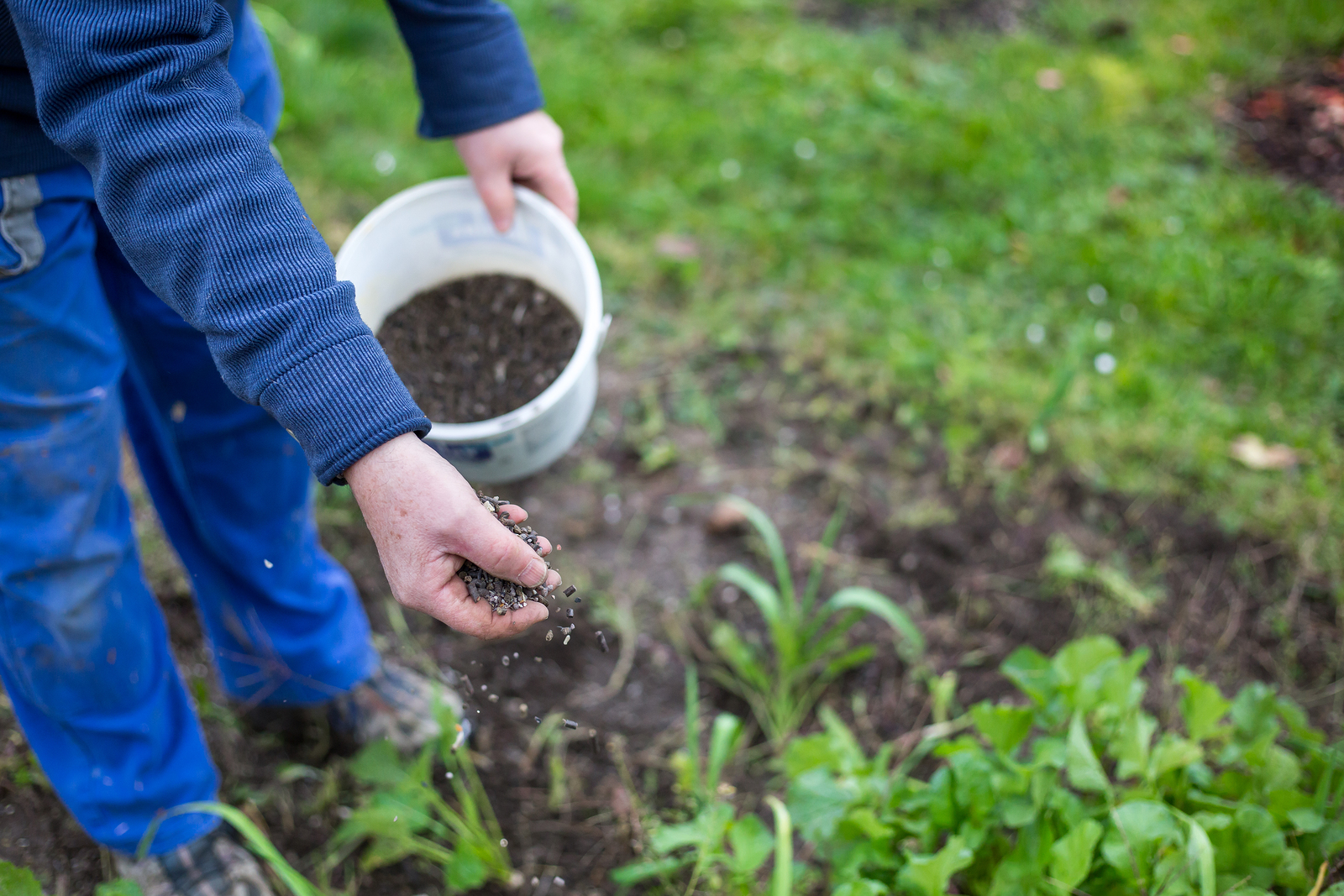
Apply a balanced organic vegetable fertilizer before planting or at transplanting, following label directions.
Long-season crops such as broccoli, cabbage, cauliflower, and Brussels sprouts benefit from a light side-dressing of fertilizer about three to four weeks after planting.
Leafy vegetables appreciate adequate nitrogen, but avoid excessive feeding. Too much nitrogen encourages lush growth that may be more susceptible to cold damage and certain pests.
Root vegetables such as carrots, beets, and turnips usually require little additional fertilizer once they’re established.
Continue Building Healthy Soil
Fall is an excellent time to improve your soil while supporting current crops.
Adding compost around established vegetables provides several benefits:
- Gradually releases nutrients.
- Improves soil structure.
- Encourages beneficial microorganisms.
- Increases moisture retention.
- Helps moderate soil temperature.
A light layer of finished compost around growing plants acts as both a soil amendment and a gentle mulch without disturbing roots.
Healthy soil remains the foundation of every successful vegetable garden, regardless of the season.
Monitor Pests Throughout the Season
Many gardeners assume insect problems disappear as summer ends. While pest pressure often declines, several insects remain active well into autumn.
Watch for:
- Aphids
- Cabbage worms
- Cabbage loopers
- Imported cabbageworms
- Flea beetles
- Slugs and snails
Inspect plants regularly, especially the undersides of leaves where insects often hide.
Early detection usually allows problems to be managed before serious damage occurs.
Encourage beneficial insects
A healthy fall garden supports natural predators such as:
- Lady beetles
- Lacewings
- Hoverflies
- Parasitic wasps
Avoid broad-spectrum insecticides whenever possible. Encouraging beneficial insects often provides effective long-term pest control while protecting pollinators and other helpful organisms.
Watch for Fall Diseases
Cooler temperatures and heavier morning dew can encourage certain fungal diseases.
Help reduce disease problems by:
- Spacing plants properly for good air circulation.
- Watering at soil level rather than overhead.
- Removing diseased leaves promptly.
- Cleaning up fallen plant debris.
- Rotating crops each year.
Healthy, vigorous plants are naturally more resistant to disease.
Protect Crops from Early Frost
One of the pleasures of fall gardening is that many vegetables tolerate light frosts quite well.
In fact, cool temperatures improve the flavor of several crops.
Vegetables that often become sweeter after frost include:
- Kale
- Spinach
- Carrots
- Parsnips
- Brussels sprouts
- Collards
However, tender young seedlings and recently transplanted vegetables may need protection when frost threatens.
Simple frost protection
Keep these materials available throughout autumn:
- Floating row covers
- Frost blankets
- Old sheets or lightweight fabric
- Low tunnels
- Hoops with protective covers
Cover plants before sunset when frost is expected, then remove coverings during the day once temperatures rise.
Avoid using plastic directly on plant foliage, as leaves touching plastic may be damaged during freezing temperatures.
Adjust Mulch for Cooler Weather
Mulch continues to provide important benefits throughout autumn.
Organic mulch:
- Conserves soil moisture.
- Suppresses weeds.
- Moderates soil temperatures.
- Reduces soil splashing onto leaves.
- Protects roots during cold weather.
Apply mulch after seedlings are established, keeping it slightly away from stems to reduce the risk of rot.
As temperatures decline, mulch also helps maintain more consistent soil temperatures, reducing stress on plant roots.
Harvest Frequently
Frequent harvesting encourages many vegetables to remain productive.
Pick:
- Leaf lettuce regularly.
- Spinach by removing outer leaves.
- Kale continuously from the bottom upward.
- Broccoli heads before flower buds loosen.
- Beans and peas while pods are tender.
Don’t leave mature vegetables on the plant longer than necessary. Timely harvesting improves quality and often stimulates additional production.
Keep Records for Next Year
One habit that has improved my gardening over the years is keeping simple seasonal notes.
Record:
- Planting dates
- First harvest dates
- Frost dates
- Successful varieties
- Pest problems
- Weather conditions
These observations become increasingly valuable over time. They allow you to fine-tune planting schedules and variety selections for your own garden rather than relying solely on generalized recommendations.
A Little Care Goes a Long Way
Fall vegetables generally require less maintenance than summer crops, but they still benefit from thoughtful attention.
By adjusting irrigation as temperatures cool, feeding plants moderately, monitoring pests, protecting crops from frost, and maintaining healthy soil, you’ll enjoy abundant harvests throughout autumn and often well into winter.
One of the reasons I enjoy fall gardening so much is that the pace becomes more relaxed. The frantic watering schedules of midsummer ease, weeds slow their growth, and cool mornings make every task more pleasant. With a little consistent care, your reward is some of the sweetest, crispest vegetables the garden produces all year.
Fall Vegetable Care Checklist
Use this checklist throughout the season:
- Water deeply and adjust irrigation as temperatures cool.
- Check soil moisture before watering.
- Side-dress long-season crops if needed.
- Add compost around established plants.
- Inspect vegetables weekly for insects.
- Encourage beneficial insects.
- Remove diseased foliage promptly.
- Keep row covers or frost blankets ready.
- Mulch to conserve moisture and protect roots.
- Harvest vegetables regularly for peak quality.
- Record planting dates, harvests, and seasonal observations.
A few minutes of regular care each week will keep your fall garden healthy, productive, and harvesting long after many summer gardens have finished for the year.
This article is part of my fall gardening series—see The Complete Guide to Fall Vegetable Gardening: Planning, Planting, Growing, and Harvesting for the full seasonal framework.
Further Reading
- The Best Vegetables to Grow in a Fall Garden
Start here to choose the right crops. - When to Plant Fall Vegetables: Soil Temperature, First Frost Dates, and Nature’s Signals
Learn how to determine the ideal planting time using three reliable seasonal indicators. - The Harvest to Table Soil Temperature Guide for Fall Vegetables
Learn which soil temperatures signal it’s time to plant each crop. - Fall Vegetable Planting Calendar by USDA Zone
Translate soil temperatures into planting dates for your region. - How to Transition Your Vegetable Garden from Summer to Fall
Prepare beds, remove spent crops, and get the garden ready. - How to Successfully Start Fall Vegetables During Summer Heat
Overcome the biggest challenge of fall gardening—getting seeds and transplants established in hot weather. - The Best Fall Vegetable Varieties for Reliable Harvests
Choose varieties that mature quickly and tolerate cooler weather. - How to Care for Fall Vegetable Crops
Keep plants growing through autumn with proper watering, feeding, and frost protection. - When and How to Harvest Fall Vegetables
Know when crops reach peak flavor and quality. - What to Do in the Vegetable Garden Each Month: July Through November
Use this month-by-month guide as your seasonal checklist from planting through harvest.