When to Harvest Tomatoes for Best Flavor

Few moments in the vegetable garden compare with picking a perfectly ripe tomato warmed by the summer sun. But knowing exactly when to harvest tomatoes can make the difference between fruit that is flavorful, sweet, and juicy—and tomatoes that are bland, mealy, or picked too early.
Many gardeners wait until tomatoes are completely red before harvesting, but the best harvest time depends on the variety, weather, and how quickly you plan to use the fruit.
After growing tomatoes in gardens across Iowa, eastern Massachusetts, and Northern California, I’ve learned that harvesting tomatoes is both a science and an art. In shorter growing seasons, picking at the right stage can help fruit finish ripening before frost. In hot climates, harvesting slightly early can protect tomatoes from heat damage, cracking, and pests.
The goal is to harvest tomatoes when they have reached their peak flavor potential—not simply when they have reached their final color.
Know What to Plant This Week
Every week I answer the gardener's most important question: what should I plant now? Get seasonal planting advice free — or go Pro for my full Soil Temperature Garden Report, with soil temperature, moisture, weather trends, and crop-by-crop recommendations.
The Best Time to Harvest Tomatoes
The ideal harvest time depends on what you want to do with the tomatoes.
For the sweetest, most flavorful tomatoes:
- Harvest when fruit is fully colored.
- Pick when tomatoes are slightly soft but still firm.
- Allow fruit to remain on the vine as long as weather conditions allow.
A vine-ripened tomato usually develops the best balance of:
- Sugars
- Acidity
- Aroma
- Texture
- Flavor compounds
However, vine ripening is not always practical.
Extreme heat, heavy rain, insects, wildlife, and disease can all make early harvesting a better choice.
Understanding Tomato Ripening Stages
Tomatoes go through several stages as they mature.
Mature Green Stage
A mature green tomato has:
- Full size
- Firm texture
- White or yellow seeds inside
- No color change yet
At this stage, the fruit can ripen after picking, but flavor may not be as developed.
Breaker Stage
The breaker stage is when ripening begins.
Signs include:
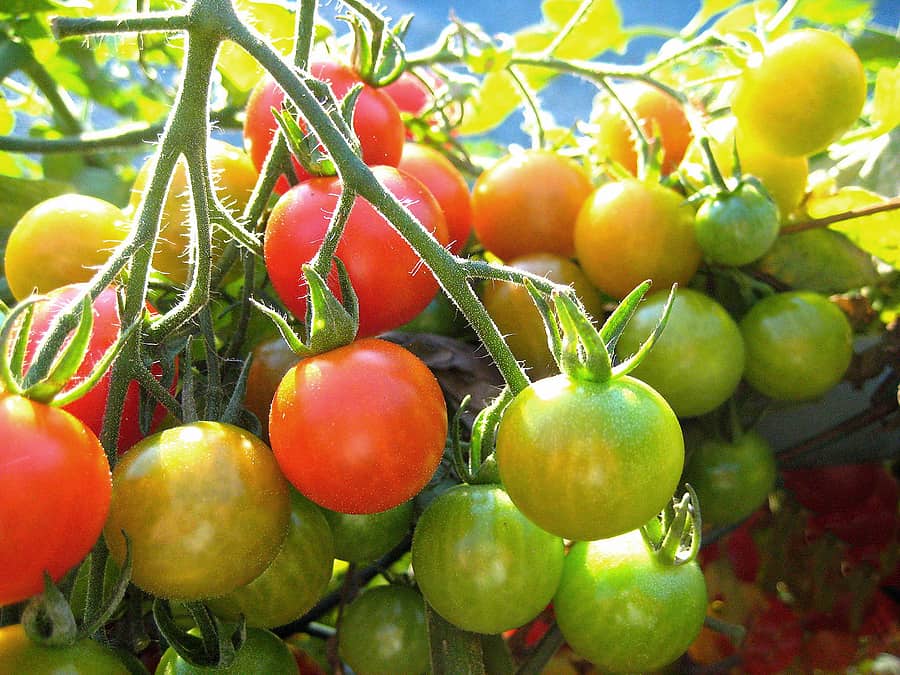
- A slight color change from green
- Yellow, pink, or orange tones appearing
- Softer texture
Once tomatoes reach this stage, they can usually finish ripening indoors.
Turning Stage
Tomatoes show significant color development but are not fully ripe.
They are excellent for:
- Harvesting before heat waves
- Transporting
- Avoiding pest damage
Fully Ripe Stage
A fully ripe tomato has:
- Complete color development
- Slight softness
- Strong aroma
- Full flavor
This is the ideal stage for fresh eating.
Should You Pick Tomatoes Before They Are Fully Red?
Sometimes, yes.
Harvesting at the breaker stage can be beneficial when:
- Temperatures are consistently above 90°F (32°C)
- Heavy rain is expected
- Birds or animals are damaging fruit
- Frost is approaching
- Disease pressure is increasing
A tomato that has started ripening contains the internal signals needed to finish the process off the vine.
How to Tell When a Tomato Is Ready to Pick
Color is the first clue, but not the only one.
Look for:
Color Change
The tomato should have developed the expected mature color for the variety.
Remember:
- Red tomatoes should become deep red.
- Yellow tomatoes should become golden.
- Orange tomatoes should develop rich orange tones.
- Purple and black varieties may remain darker even when ripe.
Slight Softness
A ripe tomato should yield slightly when gently squeezed.
Avoid harvesting tomatoes that are:
- Rock hard
- Completely soft
- Wrinkled
Easy Release
Some ripe tomatoes naturally loosen from the vine.
Many varieties can be harvested with a gentle twist.
Do not force fruit that is still firmly attached.
Aroma
A ripe tomato often develops a noticeable sweet, earthy tomato scent.
This is especially true for heirloom varieties.
Why Vine-Ripened Tomatoes Taste Better
Tomatoes continue changing chemically as they ripen.
During ripening:
- Starches convert into sugars.
- Acids balance.
- Flavor compounds develop.
- Texture softens.
Keeping tomatoes on the vine longer allows these processes to continue naturally.
However, once fruit reaches the breaker stage, most of the ripening process can continue off the plant.
Does Sunlight Ripen Tomatoes?
No.
This is one of the most common tomato myths.
Tomatoes ripen because of internal processes controlled by ethylene, a natural plant hormone.
Direct sunlight does not turn tomatoes red.
In fact, excessive sun exposure can cause:
- Sunscald
- Uneven ripening
- Tough skin
- Pale patches
Healthy foliage that shades fruit often improves quality.
The Best Time of Day to Harvest Tomatoes
Early morning is usually the best time to harvest.
Morning harvesting:
- Captures fruit with the highest moisture content
- Avoids afternoon heat stress
- Produces firmer fruit
- Helps preserve quality
Use clean hands or scissors to avoid damaging plants.
How to Harvest Tomatoes Without Damaging Plants
Follow these steps:
- Hold the tomato gently.
- Support the stem.
- Twist or cut the fruit from the plant.
- Avoid pulling hard on branches.
Large tomatoes can snap branches if harvested roughly.
For indeterminate tomatoes, careful harvesting helps maintain production.
What To Do With Tomatoes That Won’t Ripen on the Vine
At the end of the season, many gardeners face a pile of green tomatoes.
Options include:
- Letting mature green tomatoes ripen indoors
- Making fried green tomatoes
- Pickling green tomatoes
- Using them in relishes and sauces
To ripen indoors:
- Place tomatoes at room temperature.
- Keep them out of direct sunlight.
- Check regularly.
- Remove any fruit showing rot.
A paper bag with a ripe banana or apple can speed ripening by increasing ethylene exposure.
How Heat Affects Tomato Harvest Timing
Hot weather changes how tomatoes mature.
When temperatures remain above 90°F (32°C):
- Color development slows.
- Flavor may decrease.
- Fruit may soften unevenly.
In hot climates such as Northern California, harvesting tomatoes at the breaker stage can sometimes produce better results than leaving fruit exposed to prolonged heat.
How Rain Affects Tomato Harvest Timing
Heavy rain after a dry period can cause tomatoes to split.
If ripe tomatoes are approaching harvest and rain is forecast:
- Pick tomatoes slightly early.
- Allow them to finish indoors.
Consistent watering helps reduce cracking, but sudden changes in soil moisture can still affect fruit.
My Tomato Harvesting Experience
Growing tomatoes in Iowa, Massachusetts, and California has taught me that harvest timing depends on both the plant and the weather.
In Iowa, I often watched the calendar closely because the growing season ended quickly. In Massachusetts, getting tomatoes fully ripe before cool autumn weather required careful attention. In California, where the season is longer, the challenge is often protecting fruit from intense summer heat and maintaining quality during extended production.
Today, I harvest most tomatoes when they are fully colored and slightly soft, but I don’t hesitate to pick at the breaker stage when conditions are working against the plant. Good harvesting is about protecting flavor, not following a rigid rule.
Frequently Asked Questions
How do I know when tomatoes are ready to harvest?
Tomatoes are ready when they have developed their mature color, feel slightly soft, have a pleasant aroma, and are beginning to loosen from the vine.
Is it better to pick tomatoes early or wait until they are fully ripe?
For the best flavor, leave tomatoes on the vine until fully ripe when conditions allow. Harvest earlier if heat, rain, pests, or disease threaten quality.
Will green tomatoes ripen after picking?
Yes. Mature green and breaker-stage tomatoes can ripen indoors at room temperature.
Should I refrigerate ripe tomatoes?
No. Refrigeration can reduce flavor and create a mealy texture. Store ripe tomatoes at room temperature and use them promptly.
Why are my tomatoes red but not sweet?
Flavor depends on variety, sunlight, soil fertility, watering consistency, and ripening conditions. Excess water or heat stress can reduce sweetness.
Can tomatoes ripen in the sun after picking?
No. Tomatoes ripen through internal processes, not sunlight. Keep harvested tomatoes indoors at room temperature.
Should I harvest tomatoes before a heat wave?
Yes, especially if tomatoes have reached the breaker stage. They can finish ripening indoors while avoiding heat damage.
How often should I pick tomatoes?
Check plants every day or two during peak season. Regular harvesting encourages continued production, especially with indeterminate varieties.
The Bottom Line
Harvesting tomatoes at the right time is one of the easiest ways to improve flavor. The best-tasting tomatoes are usually picked when fully colored, slightly soft, and fragrant—but smart gardeners also know when conditions make earlier harvesting the better choice.
After decades of growing tomatoes in different climates, I’ve learned that great tomato flavor comes from more than just leaving fruit on the vine. Healthy plants, consistent watering, good soil, and careful harvest timing all work together.
Pick at the right moment, handle fruit gently, and your garden tomatoes will deliver the sweet, rich flavor that makes summer gardening worthwhile.
How to Know a Red Tomato Variety Is Ripe
Tomatoes ripen from the inside out. As the tomato ripens (if the variety is a red one) the skin will turn from dark green to light green, to yellow, to yellow-orange, to pale pink or orange, to red. When the fruits are red, you’ll know the fruits are fully ripe. Not all tomatoes ripen evenly; some tomatoes including many heirlooms ripen to a variable degree of redness. As a tomato ripens, the skin will turn from dull to glossy.
The exact signs of tomato ripeness will vary from variety to variety.
- Harvest a tomato before its skin loses its waxy smoothness.
- Tomato flavor becomes more complex as the fruit ripens. Tomatoes ripen from the inside out.
- The optimal temperature range for tomato ripening is 68°F to 77°F (20°-25°C). Tomato ripening is slowed when temperatures are warmer or cooler than the optimum range. Tomatoes do not ripen at temperatures above 85°F (29°C).
- Green tomatoes that have reached three-fourths of their mature size can ripen off the vine. Place them in a paper bag with an apple or banana at room temperature out of direct sunlight; ethylene gas given off by the fruit will speed tomato ripening.
- If temperatures turn hot for an extended period, tomatoes on the vine will turn a yellowish-orange color and not be flavorful; in very hot regions, it is better to harvest tomatoes at the pink stage and ripen them at cooler temperatures indoors. More tips at How to Grow Tomatoes.
- In the fall when a frost or a freeze threatens, nearly mature green tomatoes can be picked and wrapped individually in newspaper and stored at room temperature in the dark until they ripen.
How to Tell if a Non-Red Tomato Variety Is Ripe
Not all tomatoes have red skins at harvest time. Here’s how to tell if a non-red tomato is ripe”
Pink tomato varieties
Pink tomatoes will have a yellowish or dusky pink cast to the skin as they ripen, Soon the tomato will take on a deep crimson-pink color. Pink (at maturity) tomatoes have clear skins with deep pink or red flesh beneath.
Yellow and orange tomato varieties
Yellow and orange tomatoes come in a continuum of colors from pale yellow to deep gold for the yellows and from pale orange to pumpkin for the oranges. Pick orange and yellow tomatoes as the color of each individual tomato intensified and as the skin turns from dull to bright and reflective–this is the mark of ripening. Some yellow tomatoes when re ripe will have pink blush at the bottom.
White tomato varieties
White tomato varieties turn from white to ivory with a slight yellow tinge as they ripen. The yellow tint of a ripe white tomato will be most pronounced at the tomato’s shoulder.
Black, purple, and dark brown tomato varieties
Black, purple, and dark brown tomatoes will deepen in color as they ripen and will turn from dull to bright and reflective. Purple, brown, or black tomatoes often have somewhat green shoulders when they ripen.
Striped and swirled tomato varieties
Striped and swirled tomato varieties will intensify in color as they ripen, that is the stripes and swirls will become more pronounced; the delineation of colors will emerge and deepen as the tomato ripens. The true intensity of colors will be most pronounced when the tomato is fully ripe.
Green tomato varieties
Green tomato varieties will become bright, reflective, and warm-looking as they ripen. A good hint that a green tomato is ripe is when its unripe dull, cold-looking skin disappears and becomes bright and reflective. Also, a green tomato that is ripe will yield a bit to a gentle squeeze.
Garden Planning Books at Amazon:
- Vegetable Garden Almanac & Planner
- Kitchen Garden Grower’s Guide Vegetable Encyclopedia
- Vegetable Garden Grower’s Guide
- Tomato Grower’s Answer Book
How to Harvest a Tomato
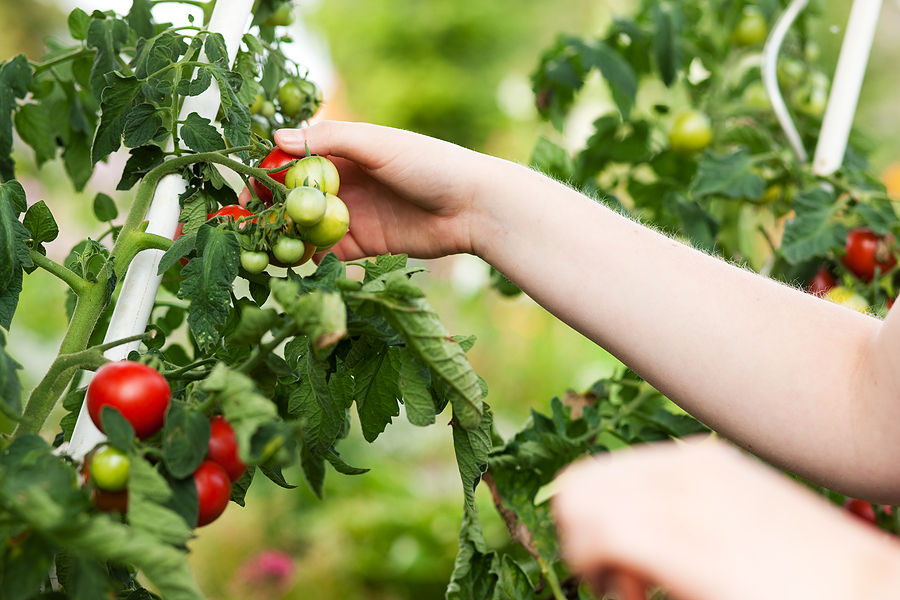
- Harvest tomatoes by cutting them from the vine with a garden pruner or sharp knife.
- Ripe tomatoes will often come off the vine with a simple twist. Don’t jerk or tug fruit from the vine. Apply slight pressure with your thumb where the stem and calyx join. The calyx is where the stem meets the fruit in a cuplike depression. Gently twist and break off the fruit.
How to Store Tomatoes
Store tomatoes at room temperature indoors (65°-70°F) or in a shady place outside. At room temperature, tomatoes will keep for 4 to 7 days.
- Don’t store or refrigerate tomatoes at temperatures below 55°F (13°C); this will cause flavor compounds to break down.
- Partially ripened tomatoes should not be refrigerated; refrigeration stops the ripening process.
- Ripe tomatoes that are refrigerated will lose their flavor and become overly soft.
- If tomatoes are refrigerated, put them in the crisper section of the refrigerator in a perforated plastic bag; the bag will keep the fruit from drying. Refrigerated tomatoes will lose color, firmness, and flavor.
- Tomatoes can be frozen, canned, or dried for future use. To freeze tomatoes, just wash them, cut out bad spots, and place them on a baking tray in the freezer. Once frozen, store tomatoes in plastic freezer bags until needed.
- Periodically check stored tomatoes to remove ripened fruit beginning to decay.
How to Freeze Tomatoes
You can freeze extra tomatoes for use in winter. Frozen tomatoes are best used in cooked dishes as freezing will cause them to lose their firmness. Here are two ways to freeze tomatoes:
- Place whole or peeled tomatoes in a plastic freezer bag and freeze. (To peel a tomato, place it in a strainer and pour boiling water over it for 5 seconds. The peel will pull away easily. You can also place a tomato in boiling water for 45 seconds, then plunge it in ice water for several seconds before peeling.) When ready to use, allow frozen tomatoes to come to room temperature.
- Tomato purée can also be frozen. Cook or steam tomatoes in a little water until soft. Mash the fruit through a press or wire strainer or whirl in a blender; add sugar and or lemon juice to taste; heat to boiling; chill and pack.
Tomato Growing Hub
Start here: The Ultimate Tomato Growing Guide: From Seed to Harvest
Growing Tips
- Getting Started with Tomatoes: A Gardener’s Guide to Success
- How to Choose a Tomato for Your Garden
- Growing Early-Season Tomatoes for Great Taste
- Heirloom and Hybrid Tomatoes
Planting Tips
- Tomato Seed Starting Tips
- Mastering Tomato Seed Starting: How to Grow Strong and Healthy Plants Indoors
- When to Plant Tomatoes: A Gardener’s Guide to Timing and Success
- Plant Tomatoes for a Thriving Crop: Sun, Soil, and Spacing
- How to Transplant Tomato Seedlings: A Gardener’s Guide
- Growing Tomatoes in Containers
Tomato Care
- Watering and Feeding Tomatoes: Expert Tips for a Healthy, Productive Crop
- Best Ways to Support Your Tomato Plants
- Pinching and Pruning Tomatoes: A Gardener’s Guide to Healthier, More Productive Plants
- How to Prune Tomatoes
- Grow Tomatoes on Stakes
- Best Companion Plants for Thriving Tomatoes: What Works & What to Avoid
Pest & Disease Control
- Tomato Growing Problems: Pests, Diseases, and Solutions
- How to Prevent Blossom Drop — Tomatoes and Peppers
- How to Identify Early Blight, Late Blight, and Leaf Spot on Tomatoes
Harvest & Preparation
- When and How to Harvest Tomatoes for the Best Flavor
- How to Ripen Tomatoes
- Planting Tomatoes for a Long Harvest
- Planting Tomatoes for a Fall Harvest: How to Grow Fresh Tomatoes Before Frost
- Tomato Flavor Explained
- Nine Ways to Cook and Serve Tomatoes
Garden Planning Books at Amazon:
- Tomato Grower’s Answer Book
- Vegetable Garden Almanac & Planner
- Kitchen Garden Grower’s Guide Vegetable Encyclopedia
- Vegetable Garden Grower’s Guide
Books to help you grow:
- Vegetable Garden Almanac & Planner
- Kitchen Garden Grower’s Guide Vegetable Encyclopedia
- Vegetable Garden Grower’s Guide
- Tomato Grower’s Answer Book
More harvest tips:
Learn when and how to harvest your favorite vegetables for the best flavor and texture. Get storage tips for each crop. Click on the vegetable you are growing below.
- Artichoke
- Arugula
- Asparagus
- Beans
- Beets
- Broccoli
- Brussels Sprouts
- Cabbage
- Cantaloupe — Melons
- Carrots
- Cauliflower
- Celery
- Chard
- Collards
- Corn, Sweet
- Cucumbers
- Eggplant
- Endive and Escarole
- Garlic
- Jerusalem Artichoke
- Kale
- Kohlrabi
- Leeks
- Lettuce
- Melons
- Okra
- Onions
- Parsnips
- Peas
- Peppers
- Potatoes
- Pumpkins
- Radicchio
- Rhubarb
- Rutabaga
- Spinach
- Squash, Summer
- Squash, Winter
- Sunchokes
- Sweet Potato
- Swiss Chard
- Tomatillo
- Tomatoes
- Turnips
- Watermelon