How to Grow Dudleya

Sharing is caring!

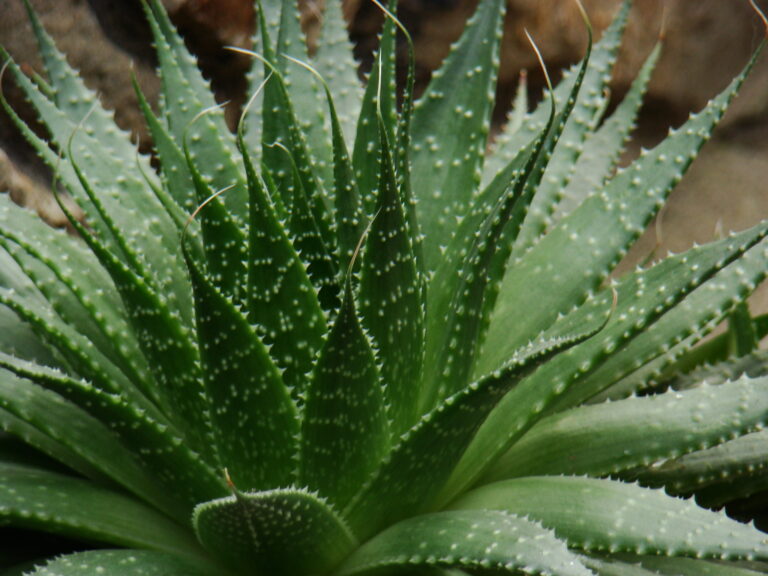
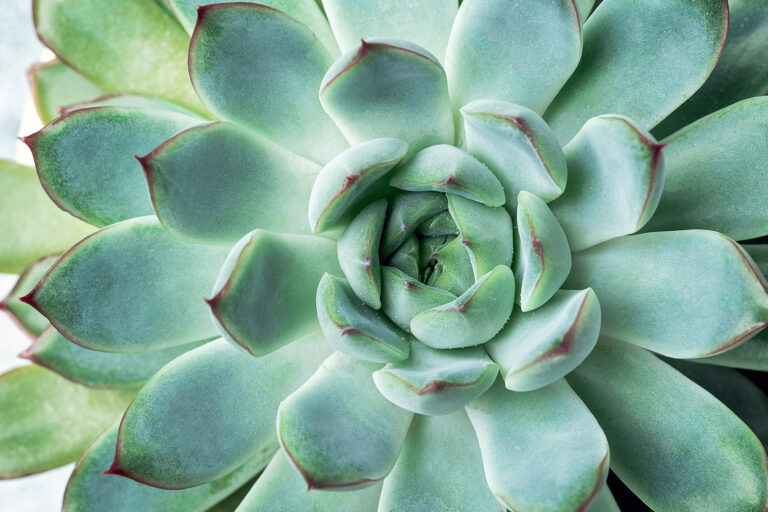
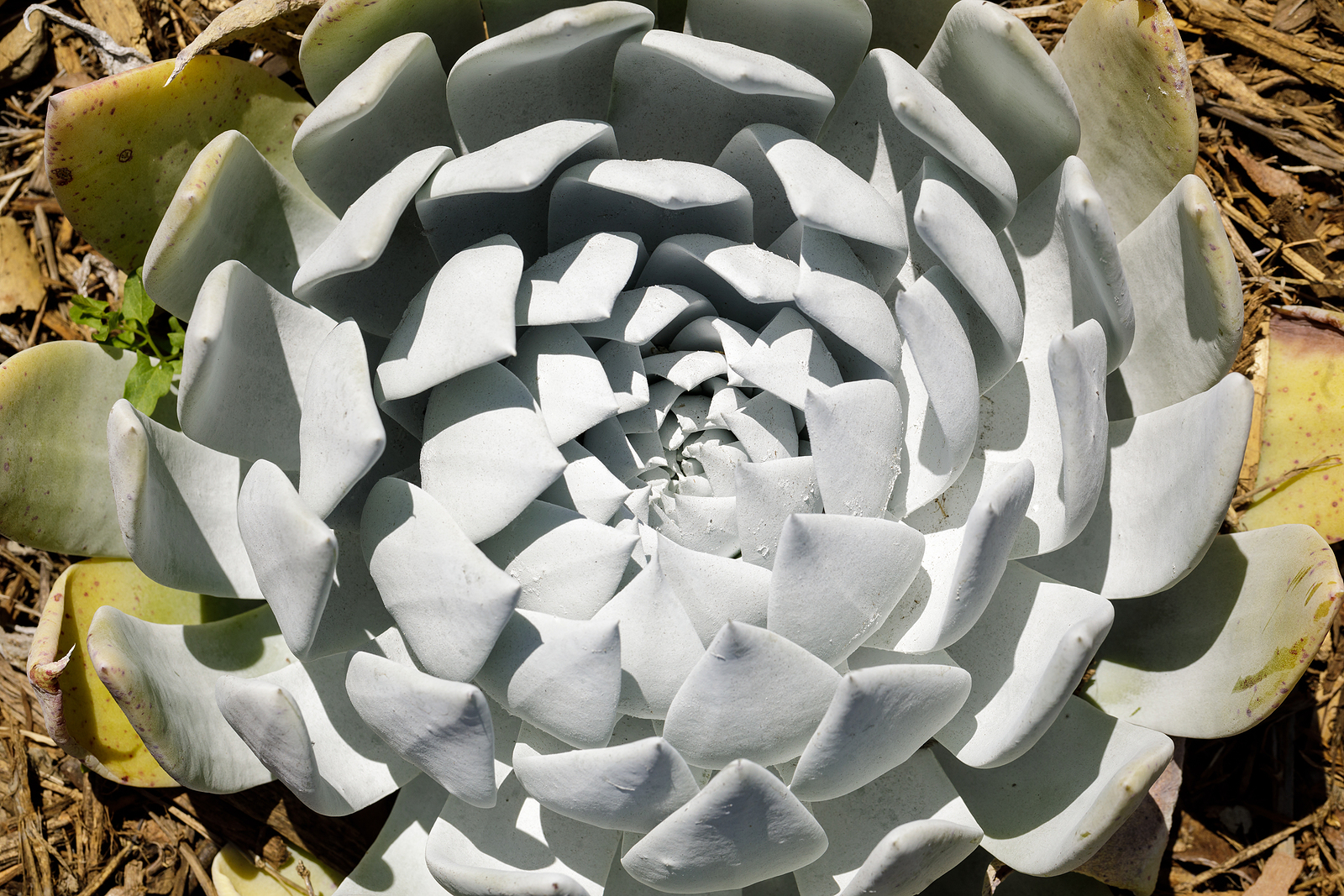
Dudleya are perennial succulents that form dense rosettes of ovate to linear, fleshy succulent leaves that are covered with a heavy coat of chalky powder. Tubular, bell- or star-shaped, yellow, white, or red panicles grow from the leaf axils in spring or early summer.

Dudleya can be grown outdoors in borders in warmer climates. It can be grown as a houseplant in all regions.

Dudleya is a genus of 40 species. Dudleya are native to the Southwest United States and Mexico.

Get to know Dudleya

  • Plant type: Succulent in the Crassula Family
  • Hardiness temperature: Winter 35℉ (1.7℃)
  • Shape and size: Mostly white-ringed leaves partially encircle the stem in spiral rosettes; some species create mats; grow as tall as 2 feet
  • Flowers: Infloreseences pring out of the leaf axils; blossoms are arrned in panicles are yellow, orage, or red
  • Bloom time: Spring or early summer
  • Common name: Dudleya
  • Genus name: Dudleya
  • Family name: Crassulaceae
  • Origin: Southwest United States and Mexico
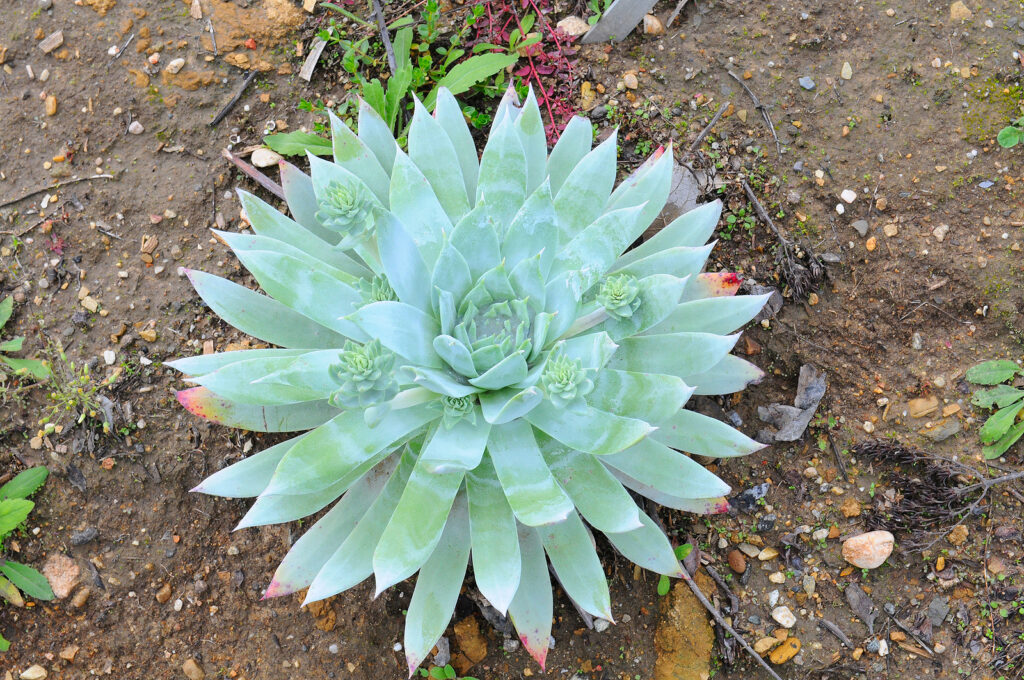
Dudleya brittonii
Dudleya brittonii

Planting Dudleya

  • Grow Dudleya in a sunny location; only those without rings can be grown outdoors in summer
  • Grows Dudleya in a cactus mix.
  • Outdoors grow Dudleya in well-drained, humus-rich soil.

How to water and feed Dudleya

  • Water Dudleya moderately. Do not get the leaves wet.
  • Apply a cactus-succulent fertilizer monthly during the growth period.

Dudleya care

  • Propagate Dudleya by seed or cuttings from spring to summer.

Dudleya species to grow

  • Dudleya brittonii. Powdery white, brittle leaves form a single rosette; can reach 2 feet wide; bears pale-yellow blossoms.
  • D. farinose. Small clustering habit with pale yellow, summer blooms; inflorensences can reach 14 inches (35cm) tall.

Similar Posts

  • How to Grow Sempervivum – Hens-and-Chicks

    Sempervivum — commonly called hens-and-chicks or houseleeks–is an evergreen perennial succulent with tightly packed rosettes of leaves that occasionally bears star-shaped flowers in tight or loose clusters. Flowers can be white, yellowish, pink, red, or greenish and appear in summer. Blooming rosettes usually die back after setting seed. Plants produce small offsets around the mother plant; offsets…

  • Cacti and Succulent Care

    The care given cacti and succulents will determine growth and flowering. The successful cultivation of cacti and succulents is largely determined by the materials used and the ability to modify care to take the best advantage of the growing conditions at hand. Growing conditions whether indoors or outdoors will never be perfect. The grower’s ability…

  • How to Grow Kalanchoe

    Kalanchoe is one of the most popular flowering houseplants. It features light-green, glossy, succulent foliage and masses of miniature brightly colored blooms in shades of orange, pink, red, and yellow that bloom in winter. Give kalanchoe lots of bright light, and keep it on the warm side. It will withstand occasional dryness, but water thoroughly…

  • How to Grow Gasteria

    Gasteria is a succulent member of the lily family grown for its flowers and foliage. Gasteria has firm, dark green leaves sometimes suffused with red and white tubercles. Gasteria leaves grow opposite in ranks. Gasteria flowers are tubular and usually pendulous. The flowers appear in clusters or in panicles. The flowers are pink or red…

  • How to Grow Huernia

    Huernia is a genus of dwarf succulents whose freely branches angled stems that are toothed or notched. Plants grow slowly to about 4 inches high in clusters. Huernia bears tubular or cup-shaped to shallowly saucer-shaped , warty, fleshy flowers that are diversely colored–reddish, greenish-yellow, brownish, or purple; flowers are often colored, dotted, or striped. Flowers…