How to Grow Sempervivum

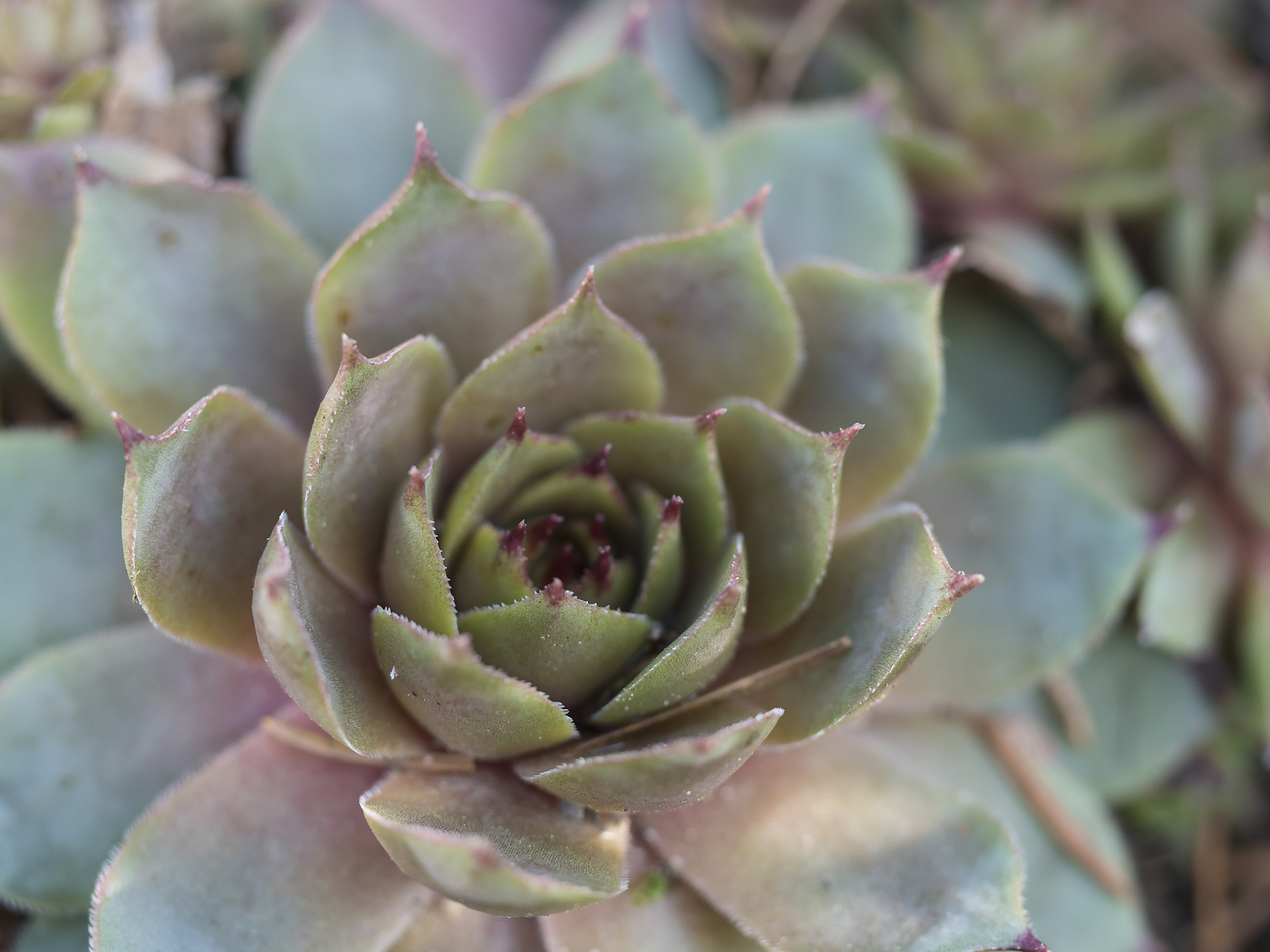
Sempervivum is a genus of thick, mat-forming evergreen succulents that bear rosettes of thick, pointed leaves sometimes covered with white hairs and flat, branching terminal panicle-like cymes of star-shaped white yellow, red, or purple flowers borne on upright stems.
Sempervivum blooms in summer. The rosettes die after flowering but are replaced by new, offset rosettes borne on lateral runners
Sempervivum are popularly called houseleeks. Some sempervivums are small, less than ½-inch wide; others grow to 12 inches wide. Sempervivums are popular additions to rock gardens.
Sempervivum is a genus of about 40 species. Most are perennials. Sempervivum is native to the mountains of Europe and Asia.
Know What to Plant This Week
Every week I answer the gardener's most important question: what should I plant now? Get seasonal planting advice free — or go Pro for my full Soil Temperature Garden Report, with soil temperature, moisture, weather trends, and crop-by-crop recommendations.
Get to know Sempervivum
- Plant type: Succulent in the Crassula Family
- Hardiness temperature: 25℉ (-3.9℃)
- Shape and size: Rosettes of thick, pointed leaves sometimes covered with white hairs
- Flowers: Flat, branching terminal panicle-like cymes of star-shaped white yellow, red, or purple flowers borne on upright stems
- Bloom time: Summer
- Common name: Hens and chicks, houseleek
- Genus name: Sempervivum
- Family name: Crassulaceae
- Origin: Mountains of Europe and Asia
Planting Sempervivum
- Sempervivum can be grown in equal parts soil-based potting mix and grit.
- Sempervivum will grow outdoors in poor to moderately fertile soil that is well drained; add grit to the oil.
- Grow Sempervivum in bright light, full sun, and partial sunlight outdoors.
How to water and feed Sempervivum
- Give Sempervivium regular, light water. Avoid getting the leaves wet.
- Softly bristled species resent winter moisture.
- Feed Sempervivum with a cactus-succulent fertilizer during the growing season.
Sempervivum care
- In long dry periods, the outer leaves of the rosettes dry up and protect the inside of the plants.
- Propagate Sempervivum by seed in spring.
- Root offsets in spring or early summer.
Sempervivum species to grow
- Sempervivum arachnoideum (cobweb houseleek). Mat-forming rosettes of gray-green, hairy leaves laced together with silver webs; reddish-pink flowers on leafy stems.
- S. tectorum (hen and chicks). Rosettes of gray-green bristle-pointed leaves sometimes with purplish tips.
Sempervivum tectorum — Hens-and-chicks, houseleek
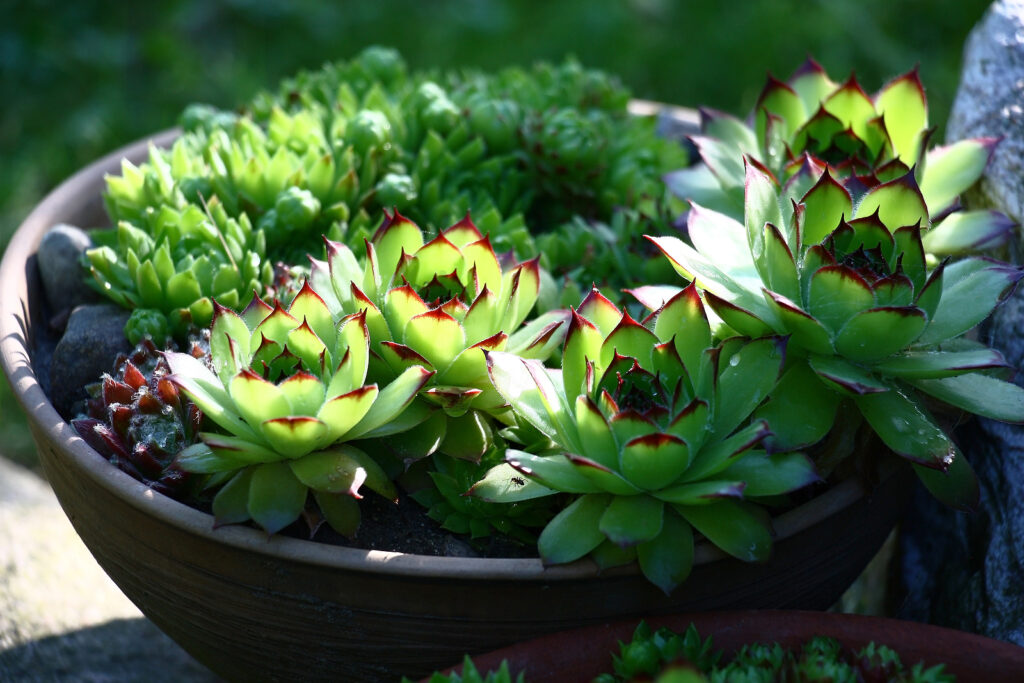
Sempervivum tectorum, commonly called hens-and-chick, is an evergreen succulent native to Europe, It produces ground-hugging whorls of fleshy, pointed, red-tinged green leaves arranged in flower-shaped rosettes. The large, main rosette (the hen) sends out short stems that produce smaller rosettes (the chicks) tucked close beside. Main rosettes bloom erratically in summer, producing thick, hairy, odd-looking stems topped with compact clusters of starry flowers. After flowering, the main rosette dies, but the growing chicks soon fill in.
- Size: Rosette clusters to 6 inches tall; 1 foot wide. Flower stalks 1 to 1 ½ feet tall.
- Light: Full sun to half shade.
- Soil and moisture: Average to poor, well-drained soil; moderate moisture.
- Planting and propagation: Plant bare-root or container-grown plants in spring, spacing 2 feet apart. Remove chicks with a bit of stem attached; will root where planted.
- Special care: water during dry spells; not drought tolerant even though a succulent.
- Pest and diseases: Crown rot in a damp site or wet climates. Rust fungus where humid.
- Climate: Zones 3-8.
- Cultivars and similar species: The species is quite variable with diverse leaf colors and forms; many cultivars and hybrids are listed under a confusing number of duplicate names.
- Garden use: Once grown on cottage roofs to ward off witches and lighting, now best grown in crevices of rock walls and stone steps or in containers.
Recommended articles: