How to Grow Stapelia

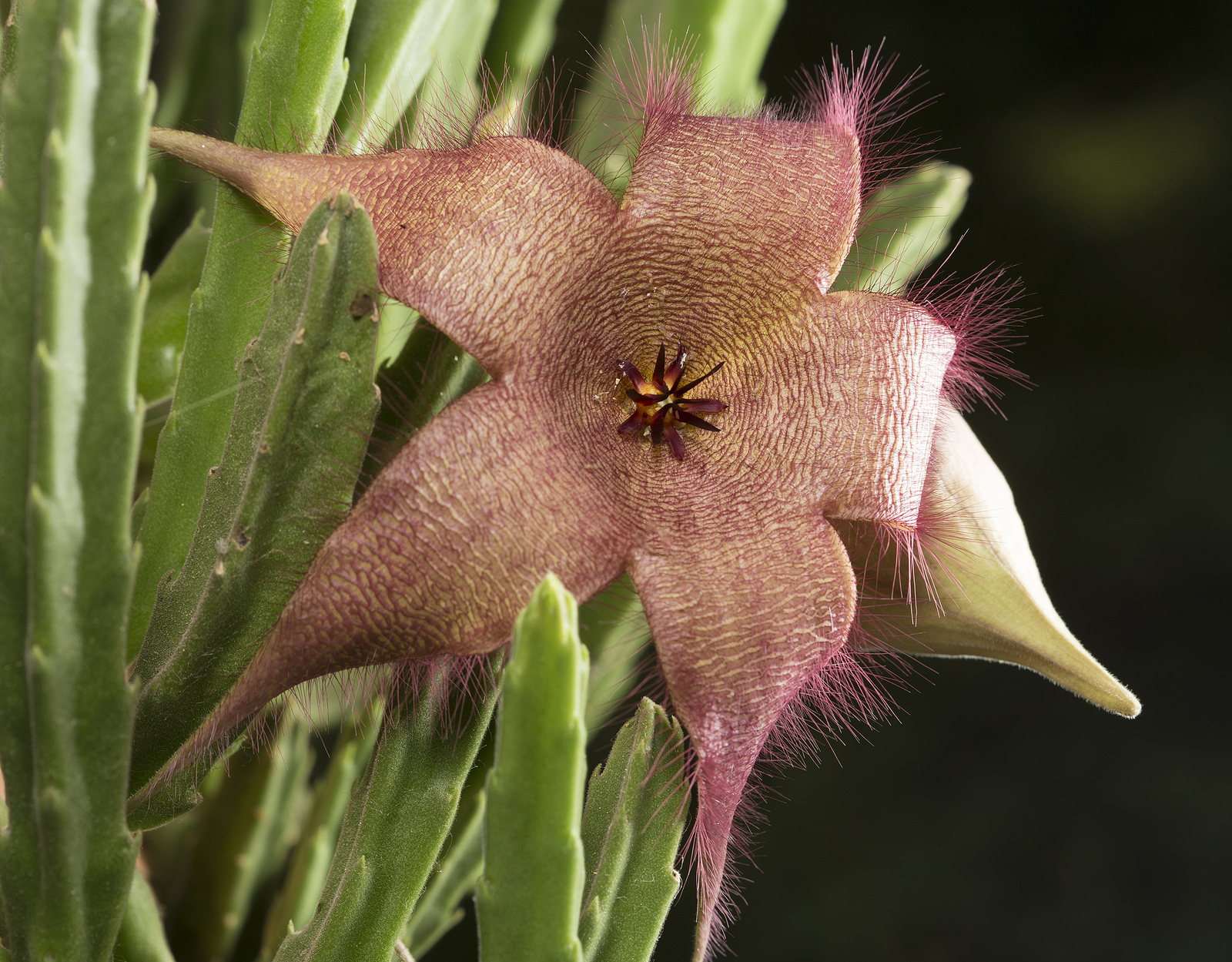
Stapelia is a succulent that bears diurnal, star-shaped solitary or clustered flowers. Stapelia has a unique shape, but also a unique foul smell. They emit an odor that smells like rotting flesh. The odor attracts flies which, in turn, pollinate the flowers.
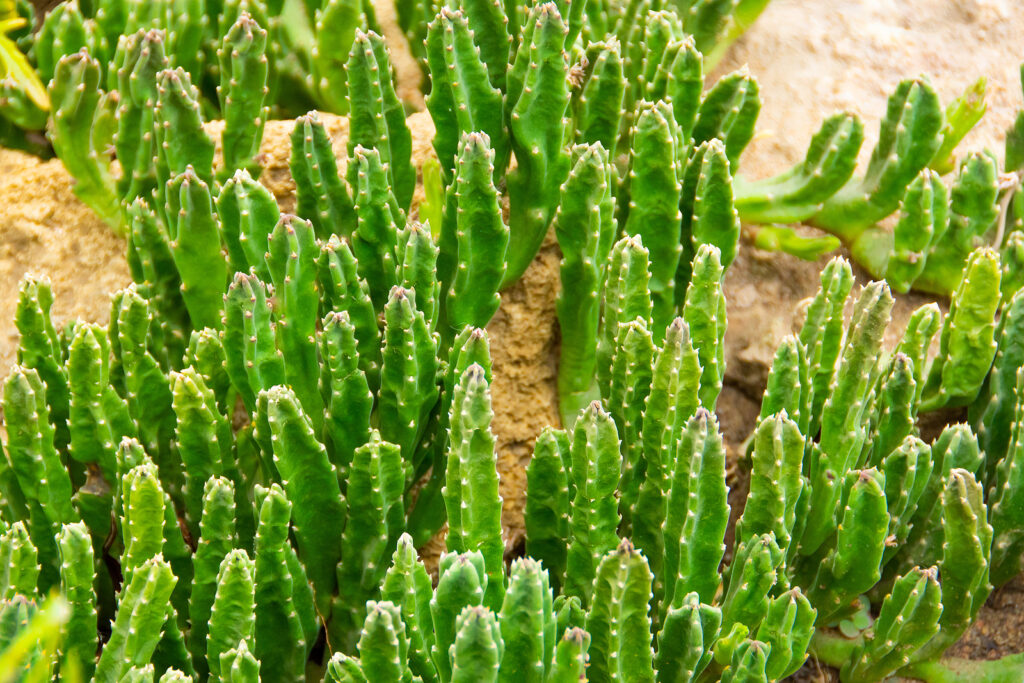
Stapelia has erect, angular, coarsely toothed fleshy leaves. Stems branch from the bases to form large clumps growing 6 to 8 inches (15-20cm) tall and 12 inches (30cm) wide. A flower emerges from each stem from spring to fall.
The genus stapelia has two nicknames: starfish flower, because of its five-pointed appearance, and carrion flower because of the foul-smelling odor given off by the bloom.
Stapelia is a genus of about 90 species of perennial succulents. Stapelia is native to mainly tropical and southern Africa.
Know What to Plant This Week
Every week I answer the gardener's most important question: what should I plant now? Get seasonal planting advice free — or go Pro for my full Soil Temperature Garden Report, with soil temperature, moisture, weather trends, and crop-by-crop recommendations.
Get to know Stapelia
- Plant type: Succulent in the Milkweed Family
- Hardiness temperature: 35℉ (1.7℃)
- Optimal growing temperature: 60° to 65°F (16° to 18°C).
- Shape and size:Erect, angular, coarsley toothed fleshy leaves; stems branch from the bases to form large clumps; grows 6 to 8 inches (15-20cm) tall and 12 inches (30cm) wide.
- Flowers: Diurnal, star-shaped often foul-smelling, solitary or clustered flowers pollinated by flies.
- Bloom time: Summer and autumn
- Common name: Carrion flower, starfish flower
- Genus name: Stapelia
- Family name: Asclepiadaceae
- Origin: Tropical and Southern Africa
Planting Stapelia
- Grow Stapelia in a mix of equal parts soil-based potting mix and grits; top-dress the soil with grit.
- Grow Stapelia in full light with shade from hot sun.
- Indoors grow Stapelia in filtered sun from southern exposure, year-round.
How to water and feed Stapelia
- Water Stapelia moderately during the growing season. Let the soil dry between thorough waterings.
- Water sparinly during the winter dormant period.
- Stapelia prefers humidity of 30% to 35%.
- Feed Stapelia every 6 weeks during the growing season, with low-nitrogen, high-potassium fertilizer.
Stapelia care
- Repot Stapelia each spring.
- Stapelia can be attacked by mealy bugs; bacterial and fungal stem rots may occur. Overwatering causes rot.
- Stapelia rests during winter. Keep the plant cool, 50°F (10°C). Reduce water, never allowing the soil to dry out completely.
- Propagate Stapelia by seed or stake cuttings of stem sections from spring to summer. Let cuttings dry for several days before setting in rooting medium.
Stapelia species to grow
- Stapelia gigantea (zulu giant, giant starfish). Clump-forming succulent with 4-angled, velvety light green leaves; large flowers, some reaching 18 inches wide, are creamy yellow with red edges.
- S. hirsuta. 8-inch (20 cm) erect stems; purple flowers have cream and yellow markings, and measure 5 inches (13 cm) across.
- S. variegata (starfish flower, toad cactus). 6-inch (15 cm), fleshy fingerlike stems; yellow flowers spotted with purple; blooms measure 3 inches (8 cm) across.