How to Grow Cotyledon

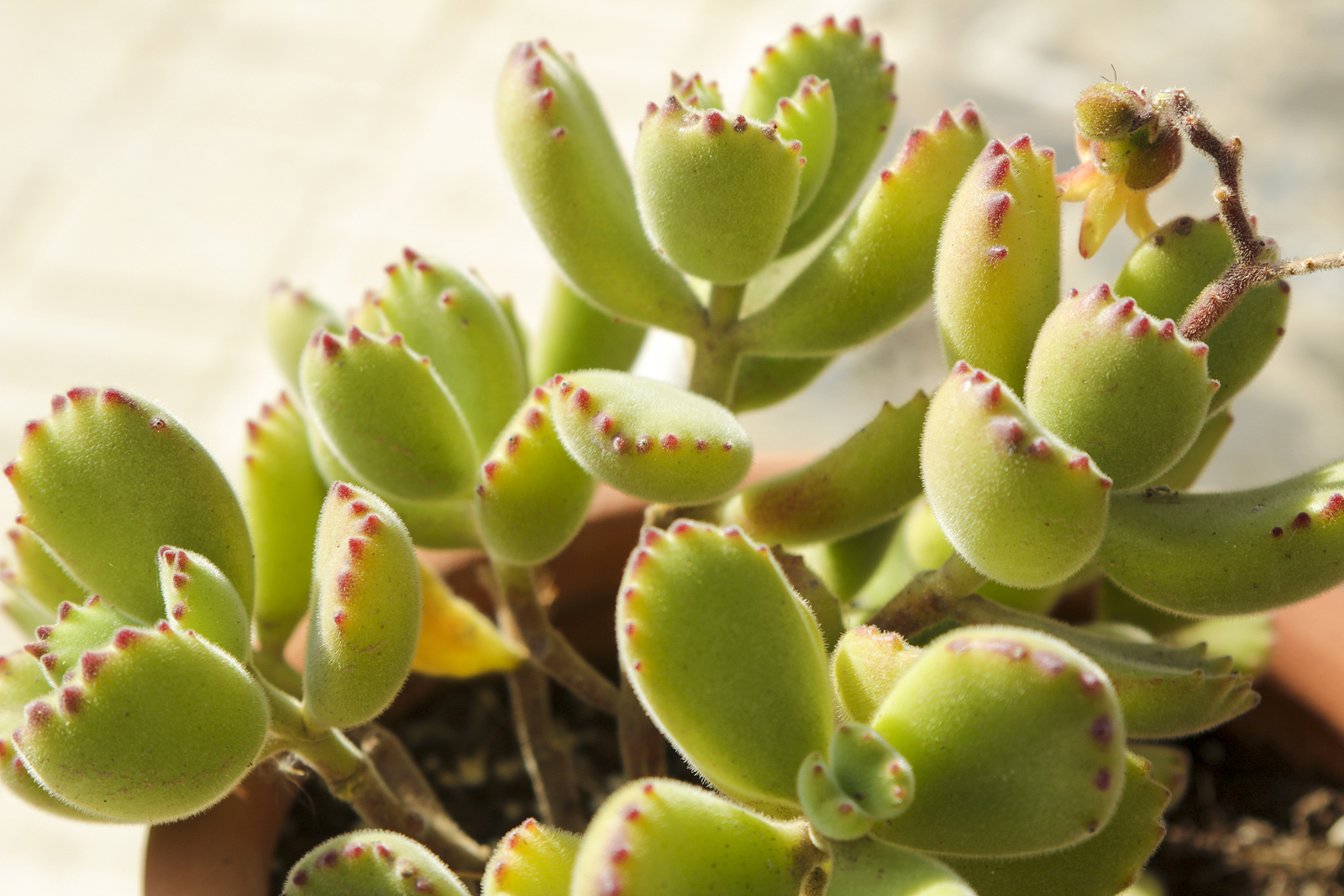
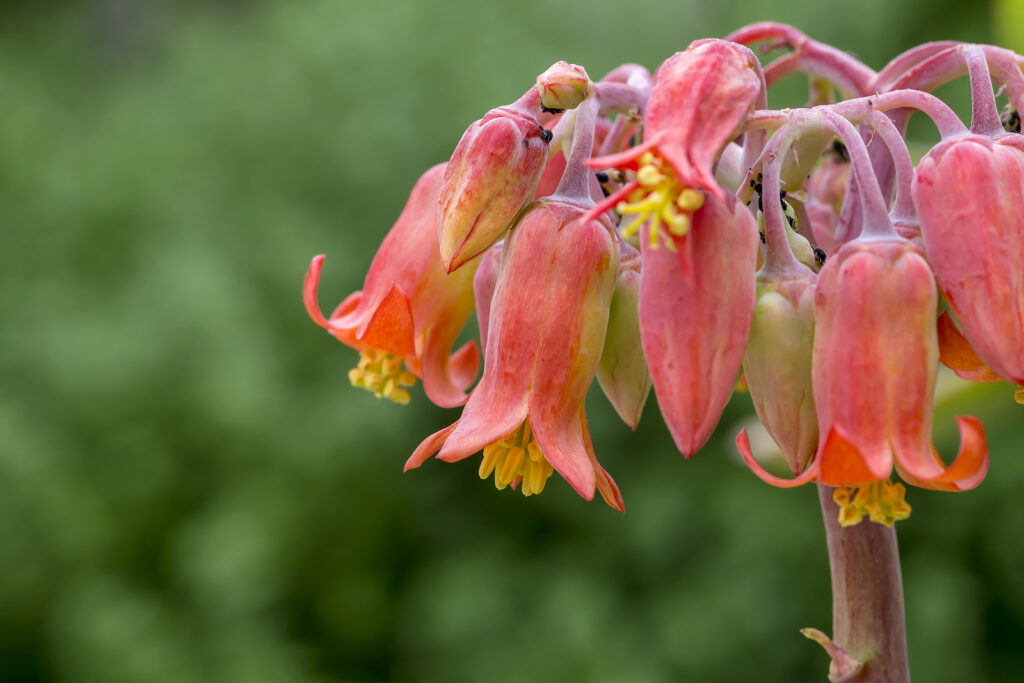
Cotyledon are perennial succulents grown for their foliage and flowers. The stalked, fleshy leaves are usually puffy and rounded and sometimes wavy-edged. The flowers are tubular to bell-shaped, usually pendant, red, yellow, or orange.
Cotyledon species grow from 12 to 36 inches (30 to 91 cm) tall. A mature plant can produce a cluster of 10 to 20 long-lasting flowers on a tall stalk in summer.
Cotyledon should be grown in full, bright light with shade from the hot sun.
Cotyledon is a genus of about 45 species; many are native to South Africa.
Know What to Plant This Week
Every week I answer the gardener's most important question: what should I plant now? Get seasonal planting advice free — or go Pro for my full Soil Temperature Garden Report, with soil temperature, moisture, weather trends, and crop-by-crop recommendations.
Get to know Cotyledon
- Plant type: Succulent in Crassula Family
- Hardiness temperature: 50℉ (10℃)
- Optimal growing temperature: day, 68° to 72°F (20° to 22°C); cooler at night.
- Shape and size: Thick leaves and grow in clusters; the lower part is usually firm and tree-shaped
- Flowers: Bell-shaped flowers on long stem are usually orange to red
- Bloom time: Summer
- Common name: Cotyledon, bear’s toes, silver crown
- Genus name: Cotyledon
- Family name: Crassulaceae
- Origin: South Africa
Planting Cotyledon
- Grow Cotyledon in a sunny location, but protected from the full sun.
- Indoors grow Cotyledon in bright, filtered light from southern, southeastern, or eastern exposure. Fresh air circulation is important.
- Grow Cotyledon in a warm location where temperatures are never below 50℉ (10℃).
- Planty Cotyledon in sandy, loarmy soil.
How to water and feed Cotyledon
- Give Cotyledon moderate soil moisture. t soil dry moderately between thorough waterings. Keep Cotyledon as dry as possible duirng the winter rest period.
- Avoid wetting Cotyledon leaves. Do not mist Cotyledon.
- Cotyledon prefers humidity of 30% to 35%.
- Feed Cotyledon once a year, in spring, with low-nitrogen, high-potassium fertilizer.
Cotyledon care
- Repot overcrowded Cotyledon in spring. Remove dried foliage and flowers.
- Check for mealybugs, spider mites. Moisture on leaves causes rot.
- Cotyledon should rest from fall to early spring. Place Cotyledon in a cool, bright location. Give the plant just enough water to keep the soil from drying out.
- Cotyledon species covered in hair are vulnerable to summer heat.
- Propagate by seed or root stem cuttings in spring or summer.
Cotyledon species to grow
- Cotyledon ladysmithiensi. Puffy, round leaves; surface covered in white powder; margin can be red; two-foot stalks bear tunulat-shaped, reddish yellow blooms.
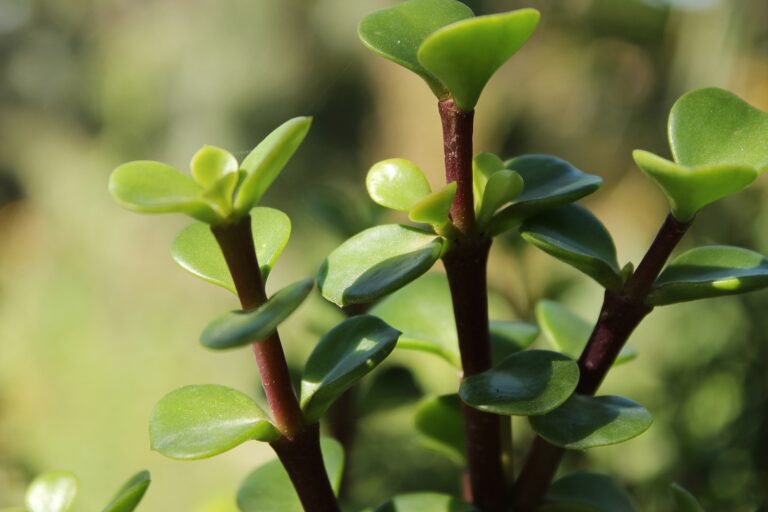
- C. orbiculata Gray-green, spoon-shaped leaves covered with a white powder and edged faintly in red.
- C. undulata (silver crown). Wavy, fluted silvery-white leaves in fanlike arrangement with ruffle top edges; penden yellow orange flowers.