How to Grow Flame Lily — Gloriosa

Gloriosa lily is a tuberous, vining perennial that is cultivated for its brightly colored yellow, red, or purple flowers. It is often planted where it can scramble through other plants. It also can be grown as a houseplant.
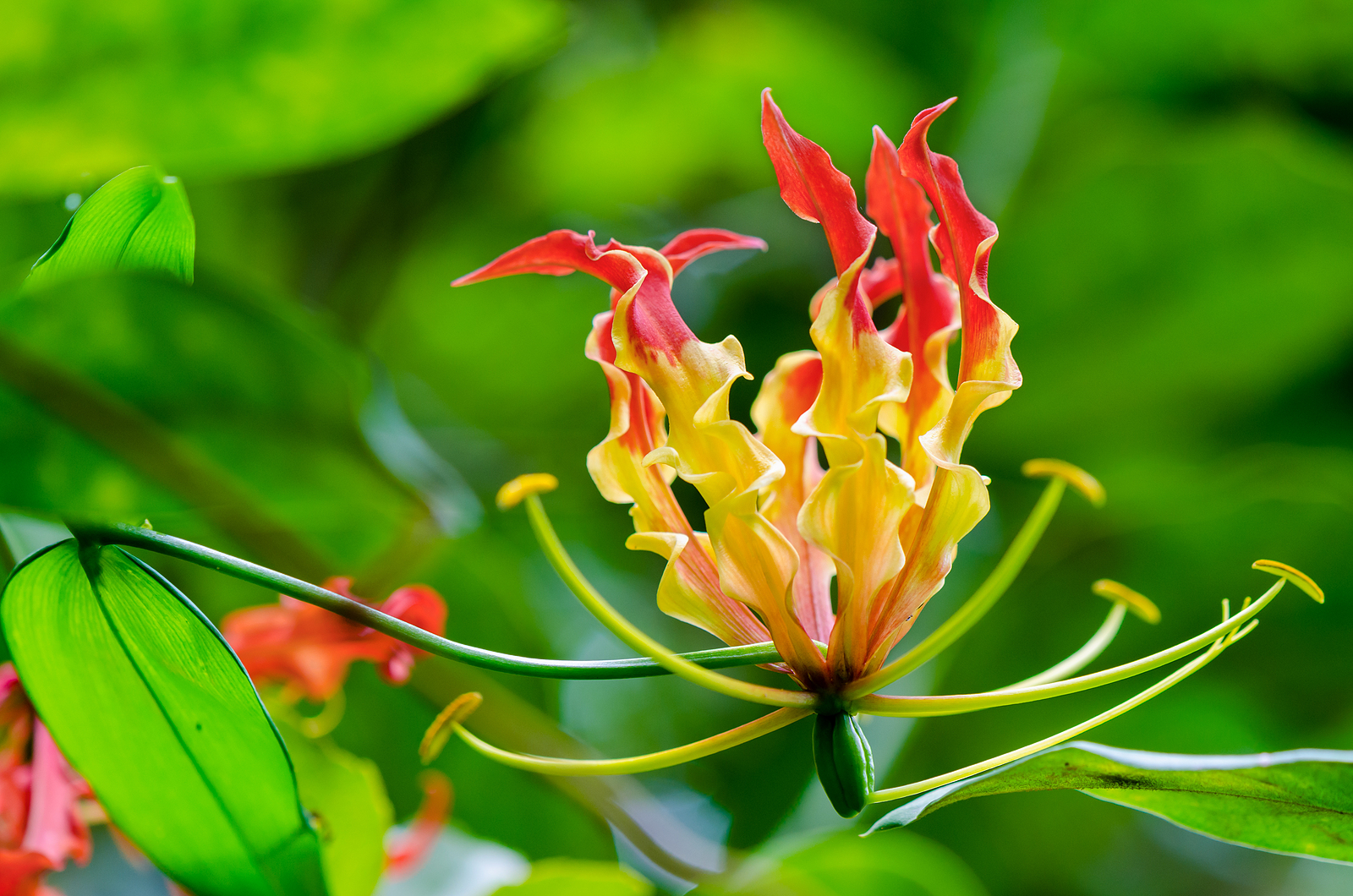
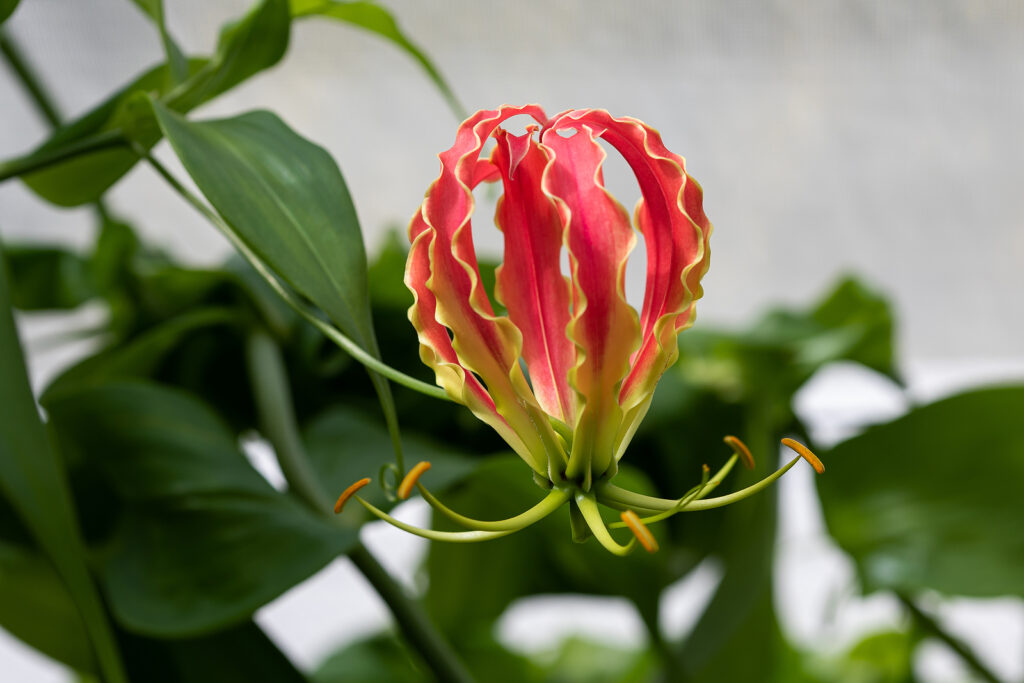
Gloriosa flowers are nodding and showy. They have 6 reflexed, wavy margins and red or purple tepals, often yellow margined, and long protruding stamens.
Gloriosa has ovate to lance-shaped, glossy, bright green leaves 2 to 3 inches long; the leaves arrow to form terminal tendrils. Gloriosa uses the tendrils to climb among other plants. It can also be trained to a trellis.
Gloriosa is a genus of just one species, Gloriosa suberba, that is native to tropical Africa and India.
Know What to Plant This Week
Every week I answer the gardener's most important question: what should I plant now? Get seasonal planting advice free — or go Pro for my full Soil Temperature Garden Report, with soil temperature, moisture, weather trends, and crop-by-crop recommendations.
Get to know
- Plant type: Perennial vine
- Growing zones and range: Zones 8-10
- Hardiness: Half hardy
- Height and width: 6 feet (2m) tall and 12 inches (30cm) wide
- Foliage: Leaves are oblong to lance-shaped, 4 to 6 inches long, leave narrow to form terminal tendrils; the tendrils can be trained to a trellis
- Flowers: Drooping flowers with narrow, 3-inch, reflexed petals, green at first, then yellow with red tips, then change to solid red
- Bloom time: Summer to autumn
- Uses: Subtropical climber, houseplant
- Common name: Gloriosa lily, flame lily
- Botanical name: Gloriosa
- Family name: Liliaceae
- Origin: Tropical Africa and India
Where to plant Gloriosa
- Light outdoors: Grow Gloriosa in full sun outdoors.
- Light indoors: Grow in full light indoors.
- Soil outdoors: Grow in fertile, well-drained soil.
- Soil indoors: Grow Gloriosa in soil-based potting mix with added grit.
When to plant Gloriosa
- Set container-grown Gloriosa outdoors ih spring.
Planting and spacing Gloriosa
- Space Gloriosa 12 inches (30cm) apart.
- Plant tubers 3 inches deep in witer for bloom the following summer and fall.
How to water and feed Gloriosa
- Water Gloriosa freely when growth begins. Keep tubers dry in winter.
- Fertilize Gloriosa with a balanced liquied fertilizer every 2 weeks.
Gloriosa care
- Keep Gloriosa tubers dry in winter.
- Gloriosa should be staked or tied to a trellis.
Growing Gloriosa as a houseplant
- Grow Gloriosa where temperature is warm, humidity high, and light is direct.
- Plant Gloriosa in a soilless, welld-drained medium and keep it evenly moist when the plant is growing and flowering.
Gloriosa pests and diseases
- Aphids, viruses, anthracnose, and bulb rots can sometimes be a problem.
Gloriosa propagation
- Propagate Gloriosa by division of tubers, by offsets, or from seeds.
Gloriosa varieties to grow
- Gloriosa suberba. Grows 3 to 5 feet tall; leaves are oblong to lance-shaped and 4 to 6 inches long; flowers are drooping, green a first, then yellow with red tips, then change to sold red. Cultivar ‘Lutea’ has clear yellow flowers.