How to Grow and Care for Iresine

Iresine, commonly called beefsteak plant or blood leaf, is an easy-care foliage houseplant. It is bushy when young but tends to trail as it matures.
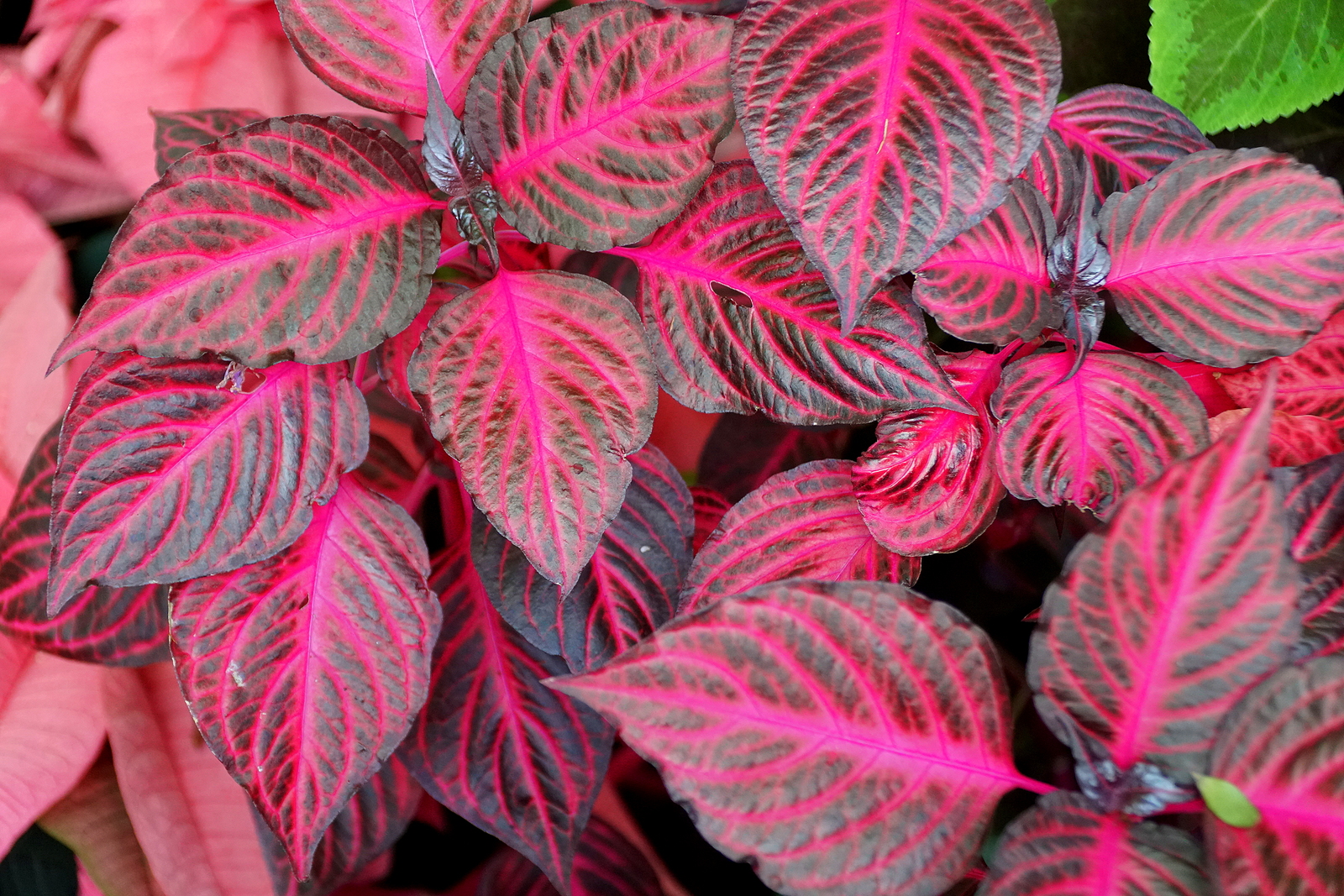
Iresine has purplish-red leaves with glowing pink midrib and veins; when backlit by bright light, Iresine will practically grow with fluorescent color.
Where not hardy, grow Iresine as a tender perennial for summer bedding, the overwinter indoors. In warm winter climates, grow as edging in a bed or mixed border.
Iresine is a genus of about 80 species of evergreen perennials or annuals native to South America and Australia.
Know What to Plant This Week
Every week I answer the gardener's most important question: what should I plant now? Get seasonal planting advice free — or go Pro for my full Soil Temperature Garden Report, with soil temperature, moisture, weather trends, and crop-by-crop recommendations.
Good Products for Growing Flowers at Amazon:
- Garden Safe Snail and Slug Bait
- Bonide Sulfur Fungicide
- Monterey BT Caterpillar Killer
- Neem Bliss 100-% Cold Pressed Neem Oil
- Safer Brand Insect Killing Soap
- PyGanic Botanical Insecticide
Get to know Iresine
- Plant type: Tropical perennial
- Growing Zones and range: Zones 10-11
- Hardiness: Tender
- Optimal growing temperature: day 68° to 80°F (20°-27°C), night 55° to 60°F (13°-16°C).
- Height and width: 18 inches (46cm) tall and nearly as wide
- Foliage: Oval or round leaves, 1 to 2 inches (2.5-5cm) long are purplish-red with glowing pink midrib and veins or sometimes green or bronzed yellowish veins; leaves are usually notched at the end.
- Flowers: Small insignificant flowers may appear.
- Bloom time: Summer
- Uses: Foliage houseplant
- Common name: Beefsteak plant, bloodleaf plant
- Botanical name: Iresine
- Family: Amaranthaceae
- Origin: South America and Australia
Where to plant Iresine
- Grow Iresine in bright reflected light with 3 hours of direct sun daily for best foliage color, from eastern or southern exposure. Grows well in artificial light, needing 14 hours daily.
- Plant Iresine in standard potting soil.
How to water and feed Iresine
- Keep the soil evenly moist, not soggy. Mist twice daily. Iresine prefers 40 to 45 percent humidity.
- Fertilize Iresine with a mild liquid fertilizer every 2 weeks during the growing season.
Iresine care
- Pot-on Iresine when roots occupy ½ of pot space; repot in early spring.
- Prune frequently to retain a pleasing shape otherwise, Iresine can become a bit straggly.
- Pinch away flowers to promote fuller foliage. Start pinching for form when the plant is young.
- Clean the leaves often with a moist cloth.
- Iresine rests slightly in fall through winter; keep it at normal room temperature during the rest period; gradually reduce water, keeping the soil barely moist; withhold fertilizer.
Growing Iresine as a houseplant
- Set Iresine in direct sun. If the light level is too low, Iresine will get spindly and weak.
- Maintain an average temperature and medium humidity.
- Allow the soil to become dry to the touch between thorough waterings.
- Fertilize Iresine regularly during spring ad summer.
Iresine pests and diseases
- Iresine is susceptible to attack by mealybugs, red spider mites, and whiteflies.
Iresine propagation
- Propagate Iresine by division or tip cuttings.
- Pinch-out starts a few times to produce strong plants.
Iresine varieties to grow
- Iresine herbstii, beefsteak plant, chicken gizzard. Grows to 5 feet tall and 36 inches wide; bushy annual or short-lived perennial; waxy dark red stems and heart-shaped leaves with pale red veins.
- I. lindenii, blood leaf. Erect bushy perennial with blood red stems; narrow, pointed leaves, deep red with pale center veins; grows to 3 feet tall and wide.
Iresine frequently asked questions
Q: Is Iresine a houseplant? I’ve seen it growing outdoors.
A: Iresine is commonly a houseplant. It’s a tropical plant so it grows outdoors in many regions as a perennial. It can be grown outdoors as a summer annual in cold winter regions. The red leaves are striking and should be used wherever red-flowered annual is called for.
Q: Can Iresine be grown from seed?
A: No. Grow Iresine from root cuttings. After the last frost in spring, move the rooted cuttings to a sunny spot in the garden.
Q: Where can I grow Iresine?
A: Iresine can take full sun; it needs moist soil.
Related Articles: