How to Grow Bougainvillea

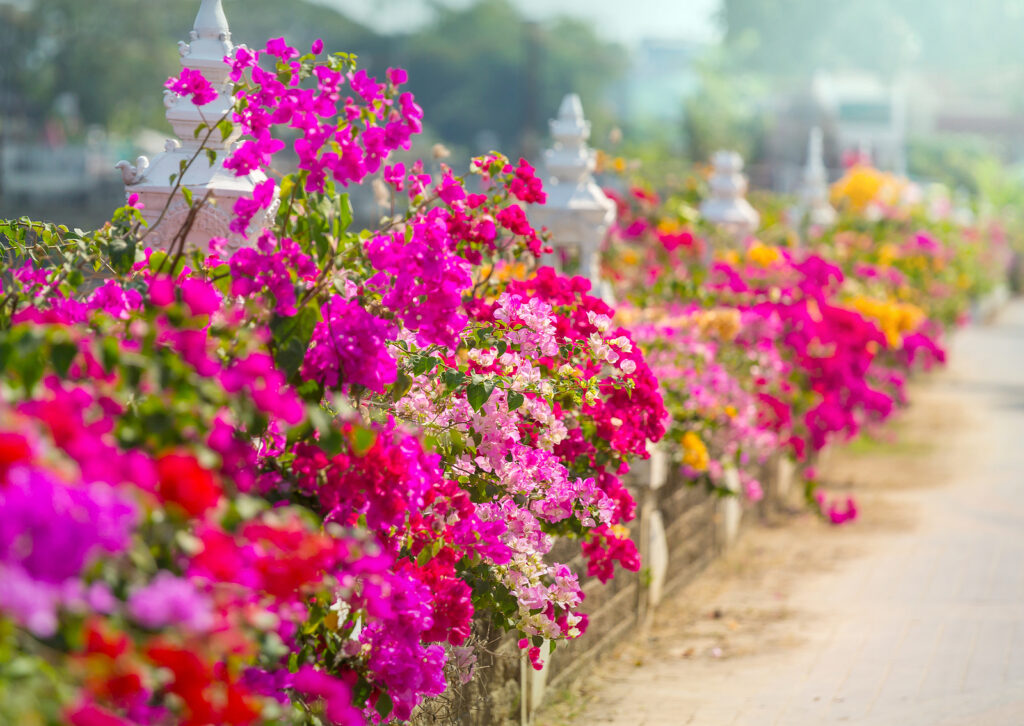
Bougainvillea is a flamboyant addition to the landscape. It can also be grown as a houseplant. The brilliant colored crepe-paper-like blooms can nearly cover the plant.
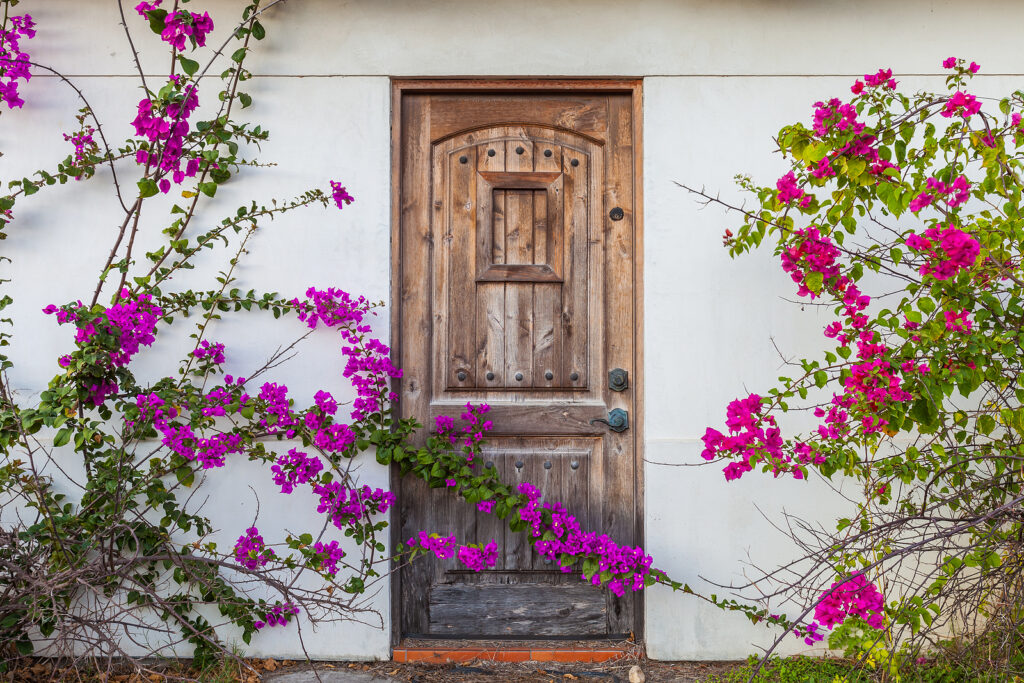
Bougainvillea has arching, sprawling, thorny stems. The stems can be trained and tied as a climbing vine, forming a thick canopy of foliage and blazing flowers.
Bougainvillea can also be allowed to sprawl as a groundcover, especially on slopes. It is an excellent container plant and easy to control growing from a hanging basket.
Bougainvillea is a genus of 14 species of evergreen shrubs and trees and partly deciduous, sometimes thorny climbers. Bougainvillea is native to forests and thickets in tropical and subtropical South American
Know What to Plant This Week
Every week I answer the gardener's most important question: what should I plant now? Get seasonal planting advice free — or go Pro for my full Soil Temperature Garden Report, with soil temperature, moisture, weather trends, and crop-by-crop recommendations.
Get to know Bougainvillea
- Plant type: Subtropical evergreen flowering shrub is often grown as a vine
- Growing Zones and range: 9-10
- Hardiness: Tender; warm at least 60°F (16°C), can adapt to 50°F (10°C) nights
- Height and width: As large as 20 to 40 feet tall (6-12m) and wide
- Foliage: Leaves can be solid green or mottled with white or yellow
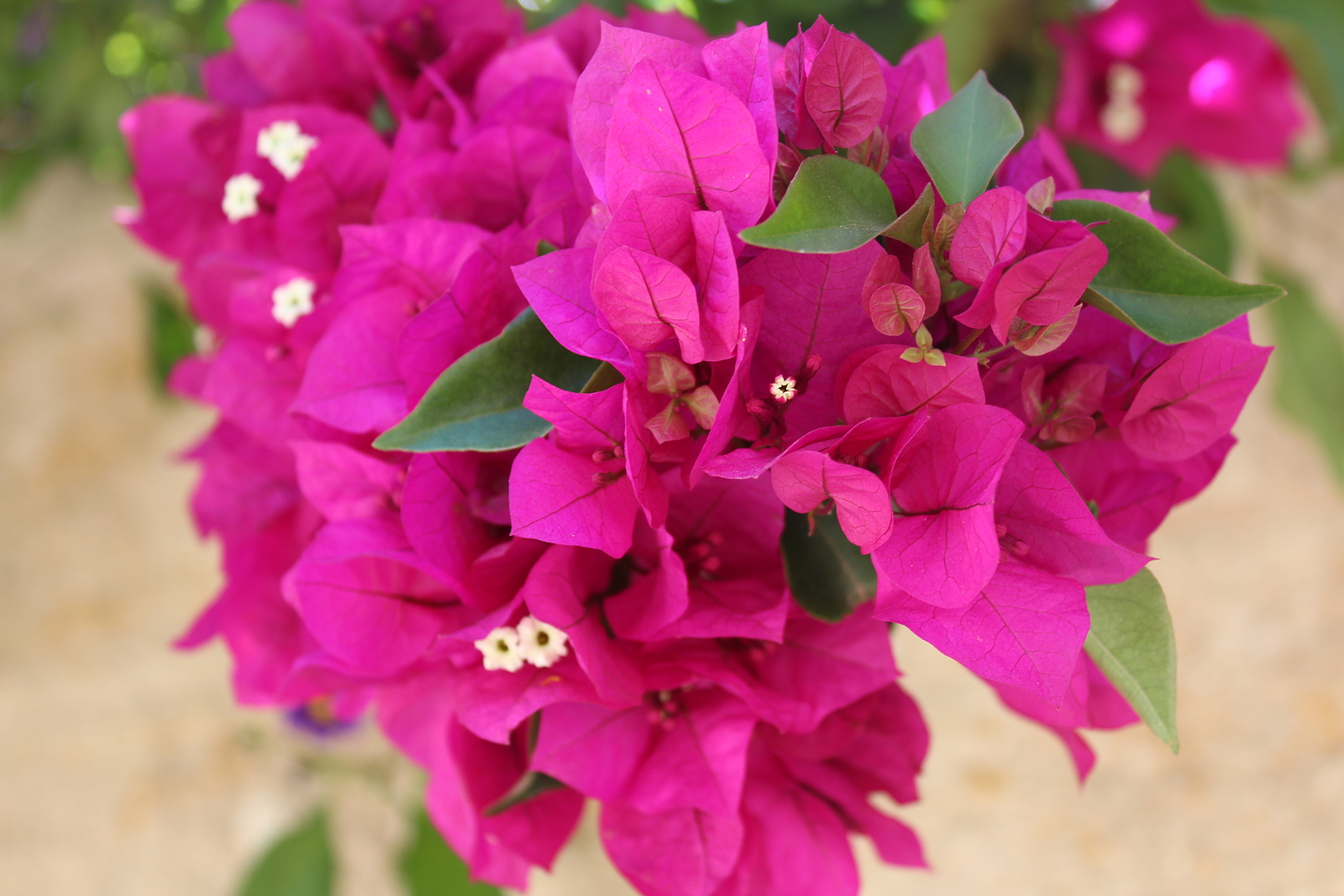
- Flowers: crepe-paperlike bracts in white, pink, salmon, orange, red, magenta, purple and lavender hues; brilliant intensity of color; the true flowers are actually small white blooms surrounded by colorful, long-lasting, single or double bracts
- Bloom time: Summer, fall and winter
- Uses: Covering walls, sturdy trellises and pergolas, and fences; growing as a groundcover. Long, sharp thorns make bougainvillea a good barrier plant.
- Common name: Bougainvillea, paper flower
- Botanical name: Bougainvillea spp.
- Family: Nyctaginaceae
- Origin: Tropical and subtropical South America
Where to plant Bougainvillea
- Plant Bougainvillea in full sun; provide light afternoon shade in hottest regions.
- Plant Bougainvillea in well-drained soil.
- Bougainvillea will climb by leaning and grabbing with its long thorns if tied to a supporting structure which should be sturdy. Tie securely to prevent wind from shredding leaves against plant thorns.
When to plant Bougainvillea
- Plant Bougainvillea in spring after all danger of frost has passed; plant carefully because the roots are fragile.
Planting and spacing Bougainvillea
- Space Bougainvillea 20 feet (6m) apart if growing on a fence, trellis, or pergola.
- Low shrubby types will grow all year in Zone 8 as container plants.
- Take care when handling roots—they’re fragile and do not knit easily. Put the plant in an extra-wide planting hole, can and all. Insert blades of sharp, needle-nose shears into one of the drain holes and cut all the way around the can’s bottom. Slide the detached bottom out from under the can. Then, make a cut down one side of can from the top to bottom. Make another cut on the opposite side. Fill in with soil around the root ball. Slide the two detached pieces up and out.
- Attach wires or small trellises to larger supports and tie the stems to the supports as needed.
How to water and feed Bougainvillea
- Water Bougainvillea regularly until established, then moderately in spring only. Keep the soil from getting soggy; drought tolerant once established.
- Reduce watering after bloom until new growth starts again in spring.
- Fertilize Bougainvillea in spring and summer. Use a balanced fertilizer throughout the growing season.
Bougainvillea container growing
- Use small pots and all-purpose potting mix enriched with sphagnum moss. Repot in spring as needed.
- Feed Bougainvillea plants twice a month while actively growing.
- Pinch off new shoot tips regularly from spring through mid-summer to encourage compact, well-branches 2 to 3-foot plants.
- Bougainvilleas enjoy spending the summer outdoors in full sun.
Bougainvillea care
- Prune in spring after flowering to encourage new growth. Bougainvillea blooms on new growth and takes hard pruning well.
- The vine does well outdoors all year in Zones 9-11 but can be planted in a protected site in hot summer areas of Zone 8.
- If plants are not flowering, increase light, and cut back on the water.
Growing Bougainvillea as a houseplant
- Bougainvillea needs direct light and average to high humidity.
- Bougainvillea needs to be cool and dry during winter so it will go dormant.
- Grow Bougainvillea in an all-purpose growing medium.
- Fertilize month from early spring through late summer.
- After Bougainvillea flowers, it can be cut back and forced to grow into a bushy shape, however, pruning will inhibit future flowering.
Bougainvillea pests and diseases
- Bougainvillea are susceptible to attacks by leaf cutters, rollers, and aphids.
- Bacterial and fungal leaf spots are also common.
Bougainvillea propagation
- Take Bougainvillea stem or root cuttings in late spring and early summer.
- In frost-free areas, root hardwood cuttings in situ in autumn.
- Layer Bougainvillea in early autumn or spring.
Bougainvillea varieties to grow
- Red bougainvilleas include: ‘Barbara Karst’, ‘Crimson Jewel’, ‘Temple Fire’, ‘La Jolla’, ‘Oo-La-La’, ‘Raspberry Ice’, ‘San Diego Red’.
- Pink bougainvilleas include: ‘Camarillo Fiesta’, ‘Cherry Blossom’, ‘Rosenka’, ‘Singapore Pink’, ‘Tahitian Maid’, ‘Texas Dawn’, ‘Torch Glow’.
- Yellow to orange bougainvilleas includes: ‘Bambino Baby Sophia’, ‘California Gold’, ‘Delta Dawn’, ‘Gold Rush’, ‘Orange King’.
- White bougainvilleas include: ‘Mary Palmer’s Enchantment’, ‘Singapore White’, ‘White Madonna’.
- Bougainvillea x buttiana, vigorous, evergreen climber with ovate, mid-green leaves, to 3 inches (8cm) long, lighter below. Large clusters of strongly wavy floral bracts, 1.25-2 inches (3-5cm) long, in shades of golden yellow, purple, or red, are produced mainly from summer to autumn. To 25-40 feet (8-12m).
- B. glabra, strong-growing, evergreen climber with elliptic, semi-glossy, mid- to deep green leaves, to 5 inches (13cm) long. Slightly wavy, white to magenta floral bracts, 1.5-2.5 inches (4-6cm) long, are borne mainly from summer to autumn. To 15-25 feet (5-8m) tall. Brazil.
- B. spectabilis, hardy and vigorous. Blooms well in cool summers. Purple bracts.