Drought-Tolerant Annuals and Perennials

Drought tolerant annuals and perennials are plants that can withstand dry soil after their roots are established. No plant is drought-resistant until it become established.
All plants require a steady supply of moisture when first planted. Once a plant is established and has a deep root system, it requires less water.
Annuals and perennials started in spring when the soil is relatively moist can set down roots and then survive dry weather. It is best to start drought-tolerant annuals and perennials in the spot they will grow through dry weather rather than transplant them into the garden when the weather is hot and dry.
Drought-Tolerant Annuals and Perennials
| A-B Common Name | Botanical Name | Zones |
| Agapanthus | Agapanthus spp. | 8-10 |
| Agave | Agave spp. | 8-11 |
| Aloe | Aloe spp. | Varies |
| Artemisia | Artemisia spp. | Varies |
| Baby’s breath | Gypsophila paniculata | 3-9 |
| Basket-of-gold | Aurinia saxatilis | 4-8 |
| Bear’s breeches | Acanthus mollis | 6-10 |
| Black-eyed Susan | Rudbeckia fulgida | 3-10 |
| Blanket flower | Gallardia x grandiflora | 2-10 |
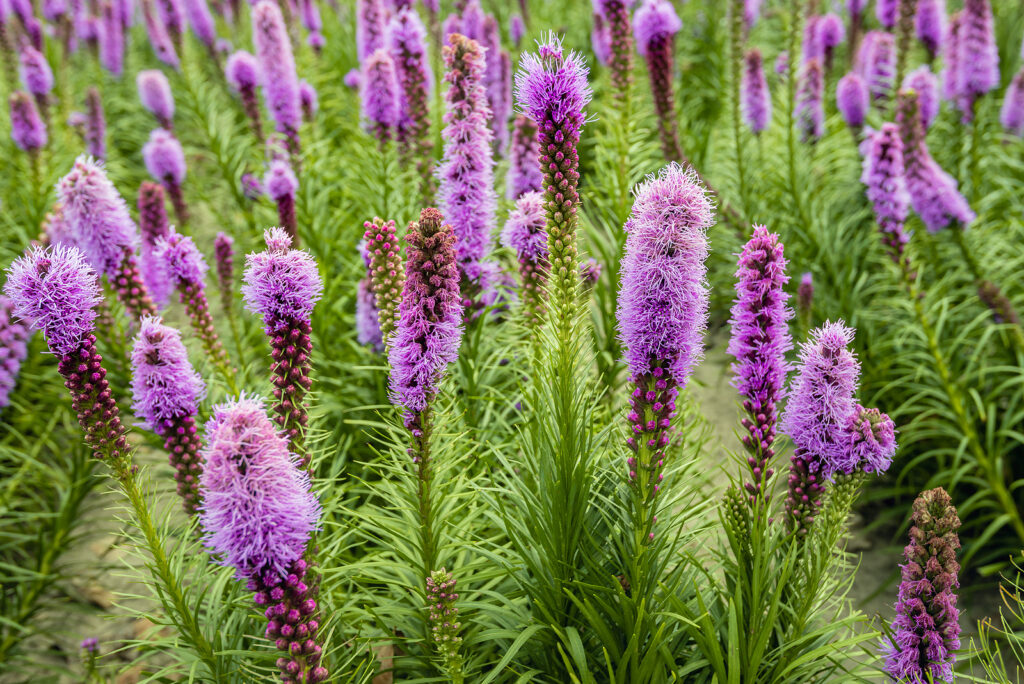
| Blazing star | Liatris spicata | 3-9 |
| Butter daisy | Melampodium leucanthum | Annual |
| Butterfly weed | Asclepias tuberosa | 4-10 |
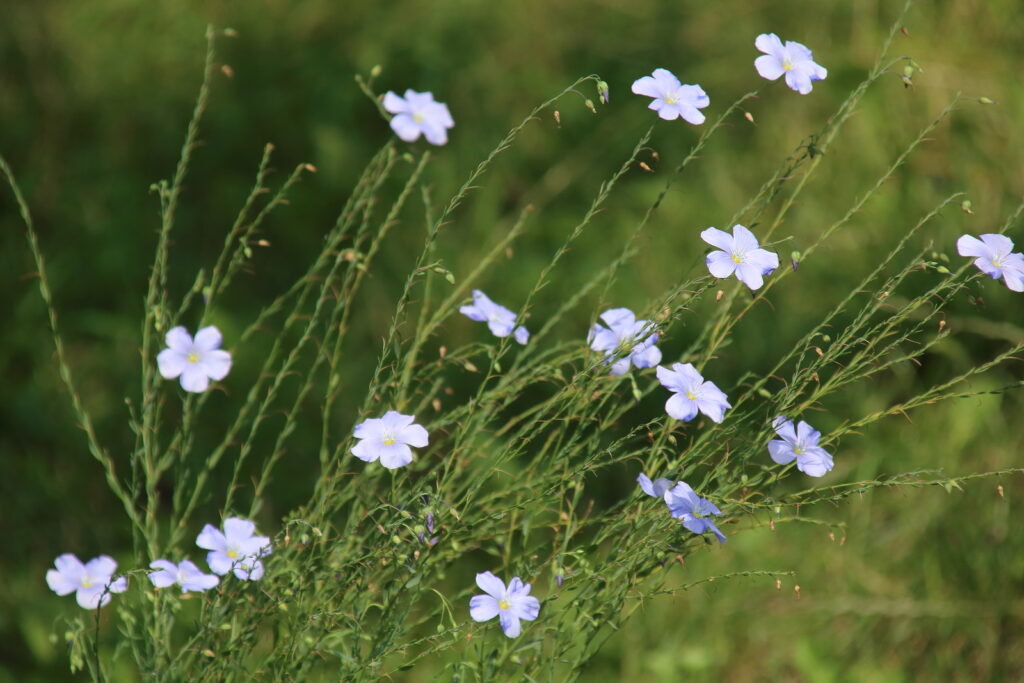
| C-F Common Name | Botanical Name | Zones |
| California poppy | Eschscholizia californica | Annual |
| Catmint | Nepeta x fassenii | 4-9 |
| Coneflower, purple | Echinacea purpurea | 3-9 |
| Coreopsis | Coreopsis spp. | 4-9 |
| Cosmos | Cosmos spp. | Annual |
| Echeveria (most) | Echeveria spp. | 8-11 |
| Euphorbia (most) | Euphorbia spp. | Varies |
| Evening primrose, showy | Oenothera speciosa | 3-9 |
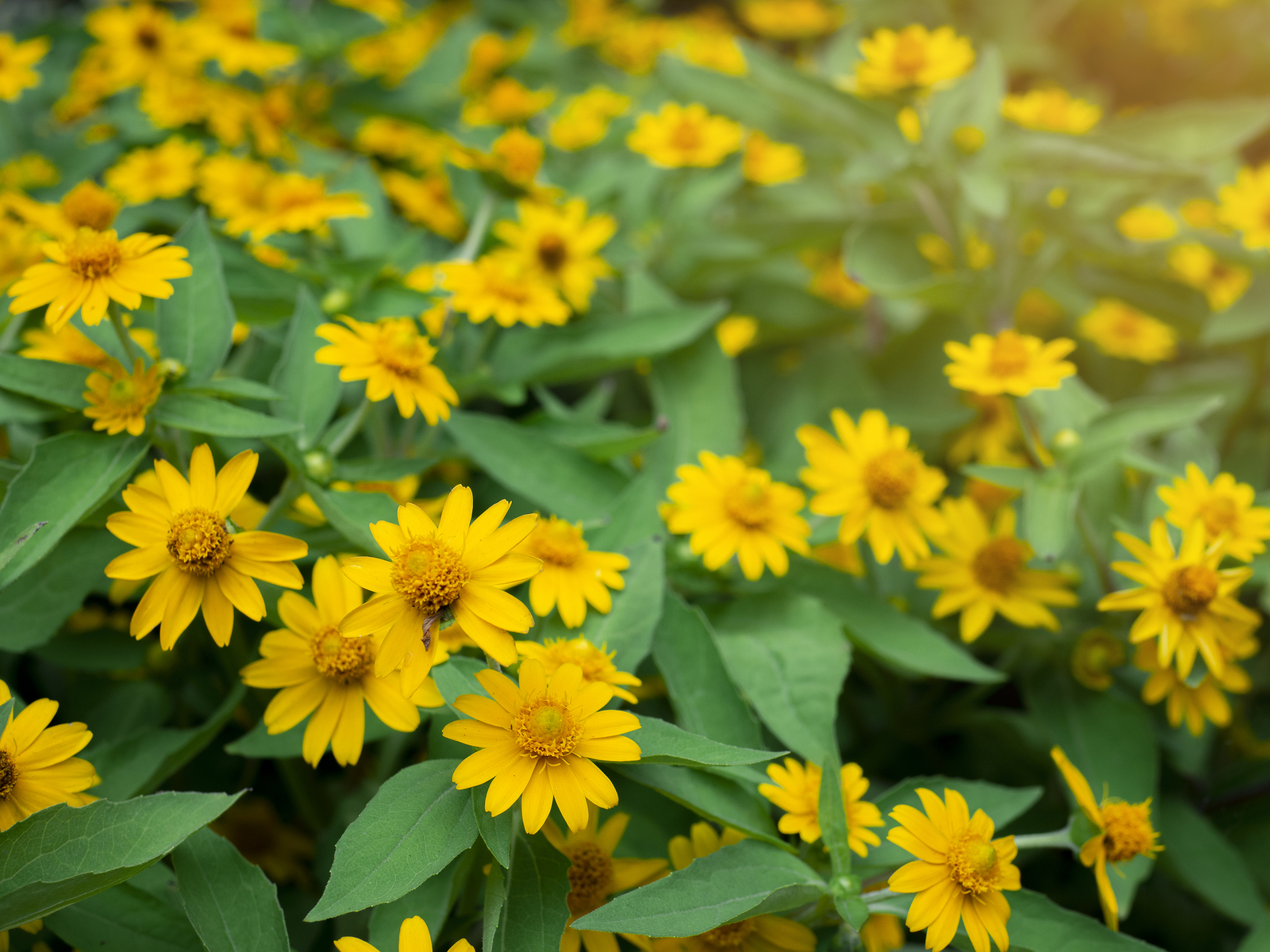
| False sunflower | Heliopsis helianthoides | 4-9 |
| Feather grass | Stipa spp. | Varies |
| Flax | Linum perenne | 5-8 |
| Flax, New Zealand | Phormium tenax | 8-11 |
| Fountain grass | Pennisetum alopecuroides | 5-9 |
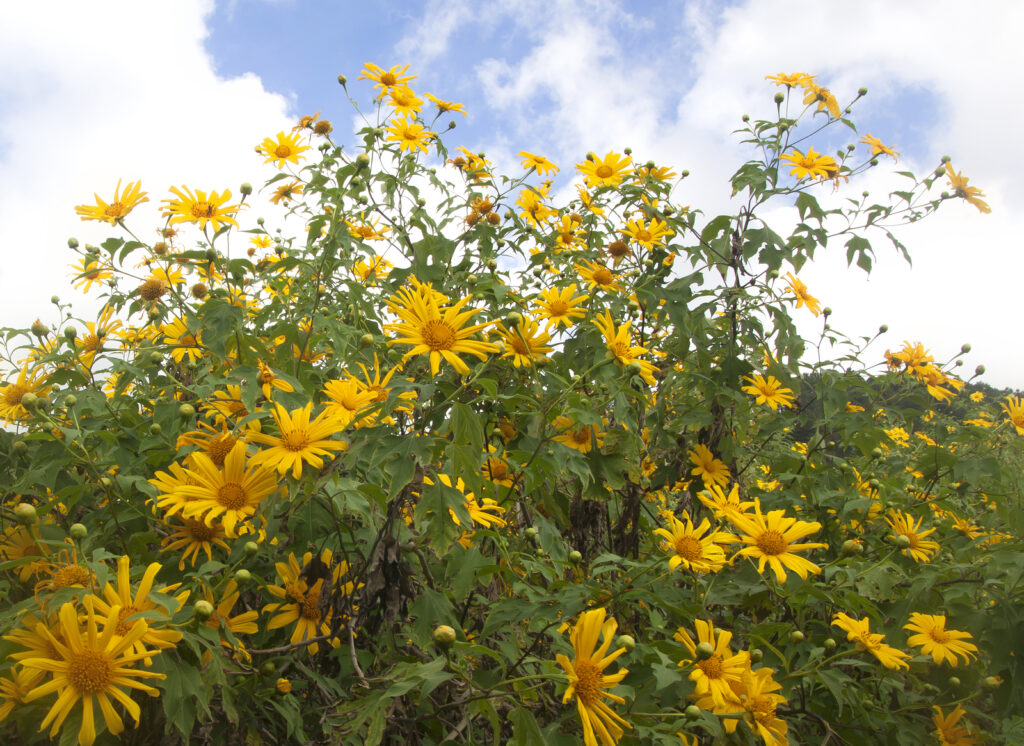
| G-O Common Name | Botanical Name | Zones |
| Gaura | Gaura lindheimeri | 5-9 |
| Geranium, hardy | Geranium sanguineum | 3-8 |
| Iris, bearded | Iris x germanica | 3-10 |
| Lamb’s ears | Stachys byzantina | 4-8 |
| Lavender, English | Lavandula angustifolia | 5-8 |
| Love-in-a-mist | Nigella damascena | Annual |
| Marigold | Tagetes spp. | Annual |
| Mexican sunflower | Tithonia rotundifolia | Annual |
| Moss rose | Portulaca grandiflora | Annual |
| Muhly grass | Muhlenbergia spp. | 7-10 |
| Naked ladies | Amaryllis belladonna | 5-9 |
| Ox-eye daisy | Leucanthemum vulgare | 5-9 |
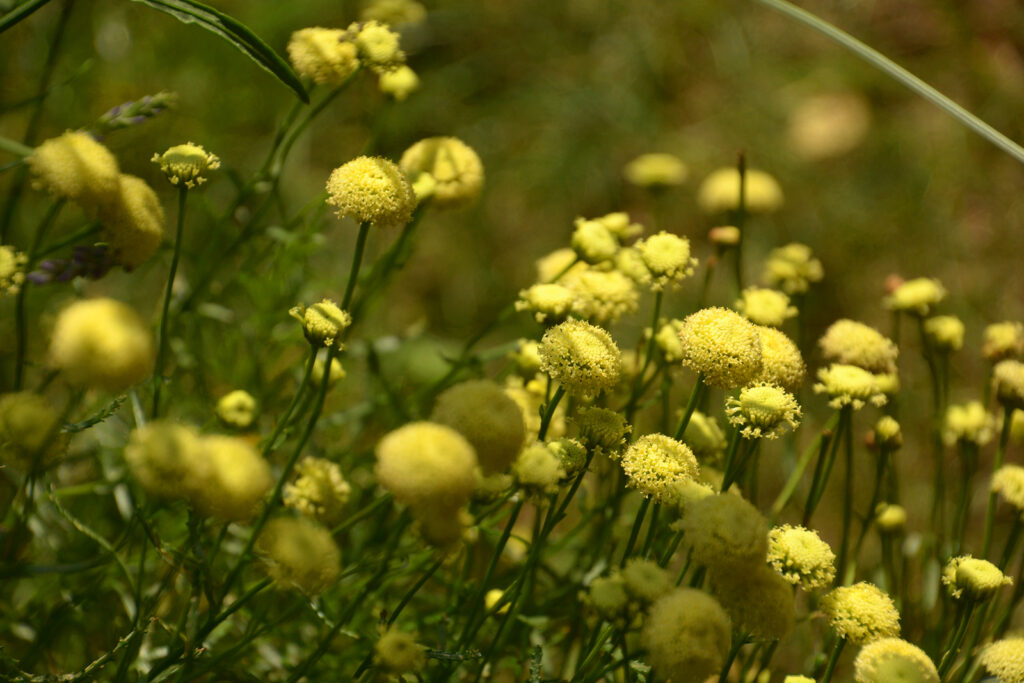
| P-S Common Name | Botanical Name | Zones |
| Penstemon | Penstemon spp. (many) | Varies |
| Poppy | Papaver spp. | Varies |
| Pot marigold | Calendual officinalis | Annual |
| Red-hot poker | Knifphofia uvaria | 5-9 |
| Red valerian | Centranthus ruber | 4-8 |
| Russian sage | Perovskia atriplicfolia | 3-9 |
| Santolina | Santolina chamaesyparisus | 6-9 |
| Sea lavender | Limonium spp. | 8-11 |
| Sea thrift | Armera maritima | 3-8 |
| Sedums; stonecrop | Sedum spp. | 4-9 |
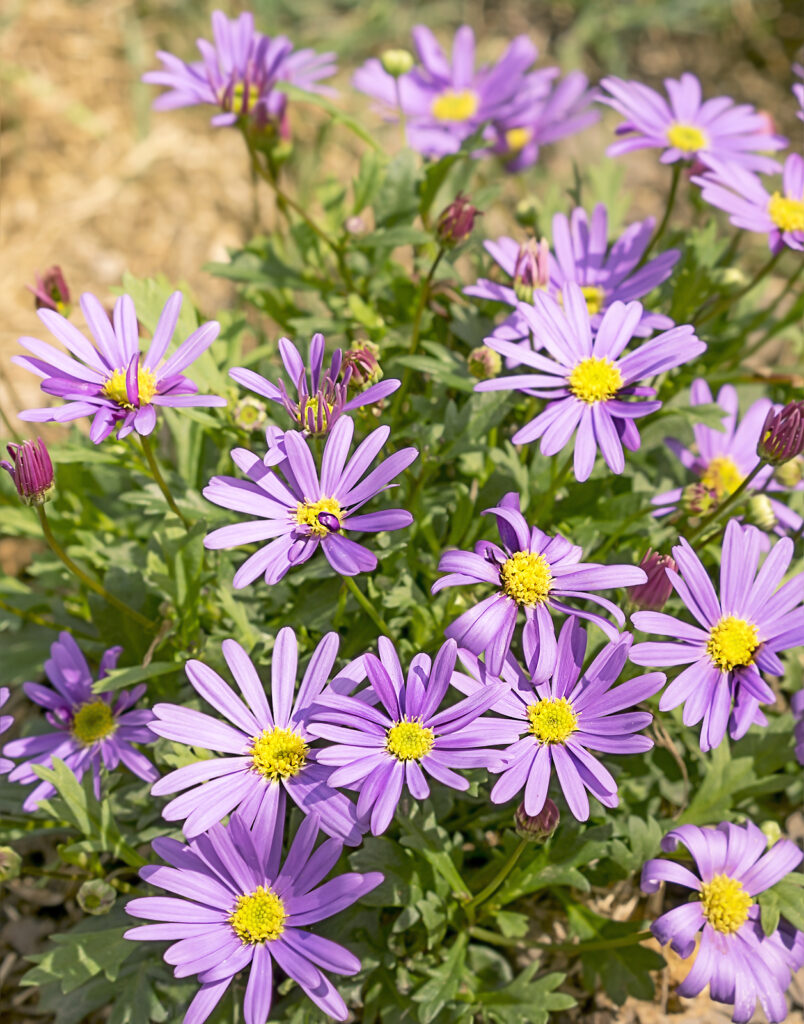
| S-Z Common Name | Botanical Name | Zones |
| Snow-in-summer | Cerastiu tomentosum | 3-7 |
| Spider flower | Cleome hasslerana | Annual |
| Spurge, cushion | Euphorbia polychroma | 4-8 |
| Statice | Limonium spp. | Varies |
| Strawflower | Helichrsyum braceatum | Annual |
| Sunflower | Helianthus annuus | Annual |
| Swan river daisy | Brachycome iberidifolia | Annual |
| Verbena (most) | Verbena spp. | Varies |
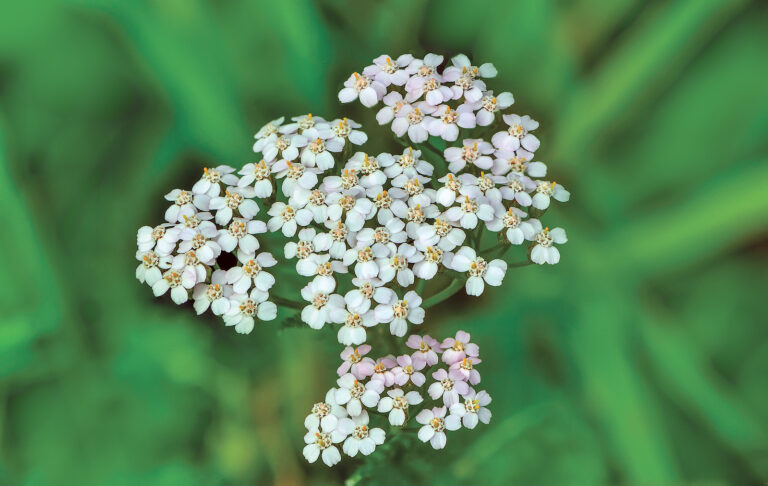
| Yarrow | Achillea spp. | 3-9 |
| Yucca | Yucca spp. | 4-10 |
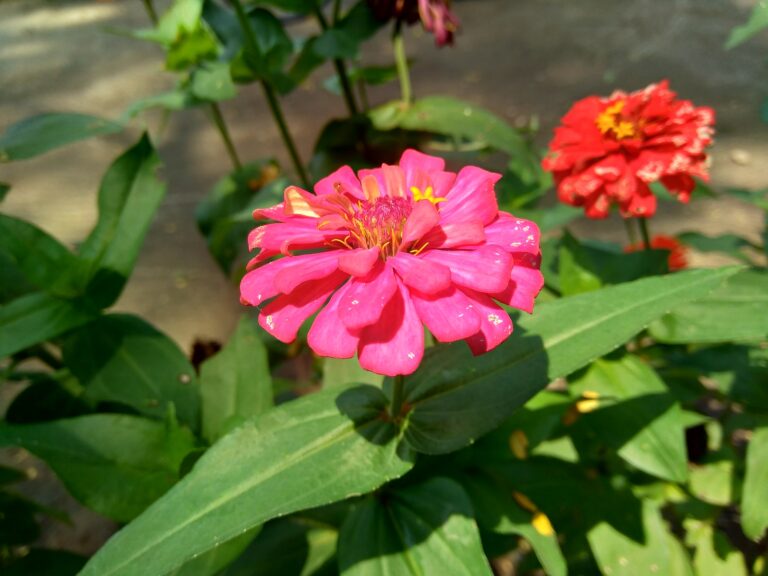
| Zinnia | Zinnia elegans | Annual |
| Zinnia, narrow-leaf | Zinnia angustifolia | Annual |
Also of interest:
Know What to Plant This Week
Every week I answer the gardener's most important question: what should I plant now? Get seasonal planting advice free — or go Pro for my full Soil Temperature Garden Report, with soil temperature, moisture, weather trends, and crop-by-crop recommendations.