How to Grow Swiss Cheese Plant — Monstera

Monstera–commonly called Swiss-cheese plant–is a large vining plant with notched and perforated leaves. Monstera commonly requires support and plenty of room to roam.
Monstera is a tropical plant. It is often grown as a houseplant in temperate regions. It will grow to about 6 feet tall indoors; in the tropics outdoors, it can grow to 30 feet tall or more.
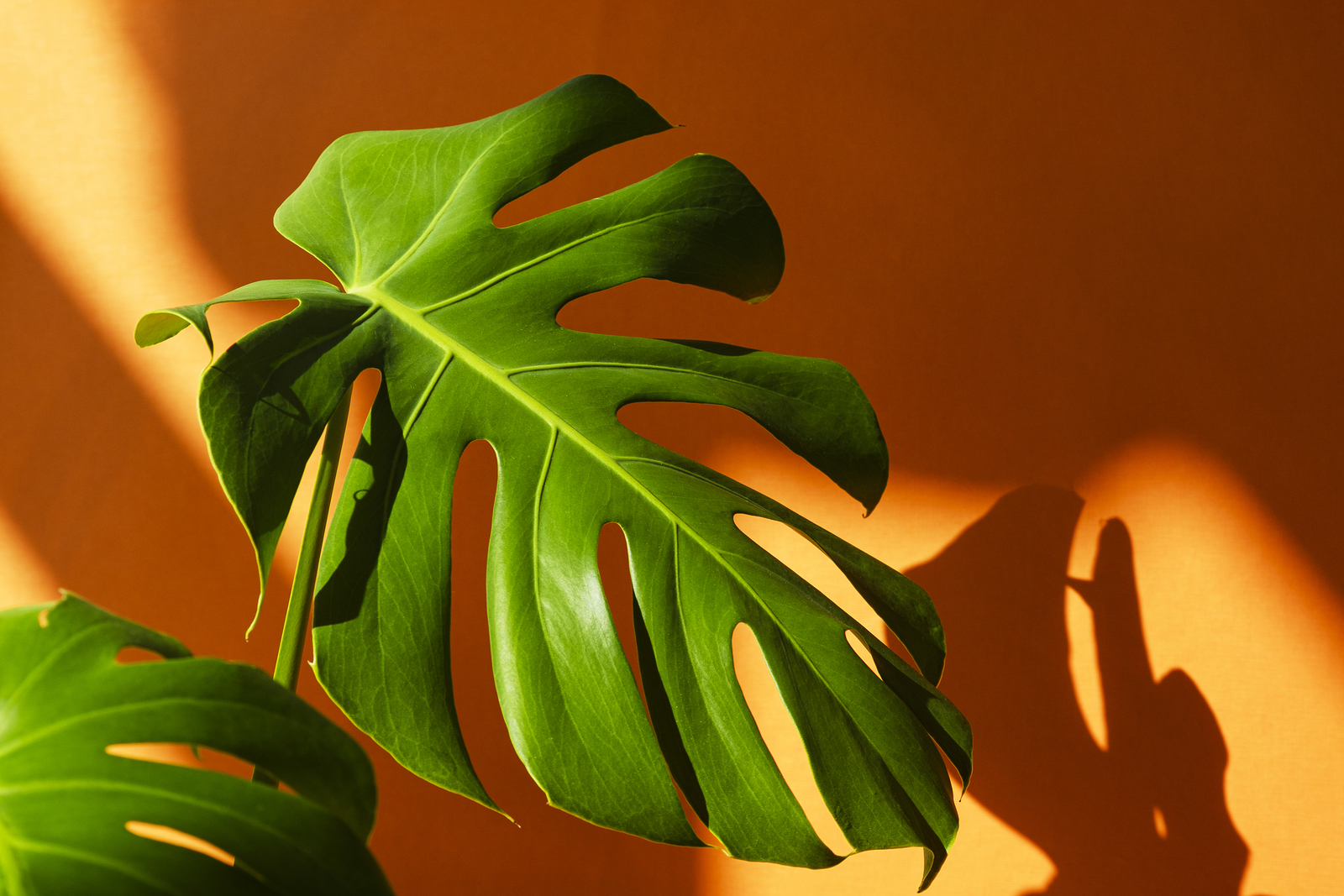
Monstra has perforated leaves with elliptic or oblong holes; the perforations give the plant its common name, Swiss-cheese plant.
Monstera is a genus of 22 species of evergreen, often epiphytic root climbers found in rainforests in tropical Central and South America. Monstera deliciosa is the only species commonly grown as a houseplant.
Know What to Plant This Week
Every week I answer the gardener's most important question: what should I plant now? Get seasonal planting advice free — or go Pro for my full Soil Temperature Garden Report, with soil temperature, moisture, weather trends, and crop-by-crop recommendations.
Special note for pet owners: Monstera is toxic but usually not fatal to cats and dogs. Poisoning symptoms include vomiting, trouble swallowing, drooling, and mouth irritation.
Get to know Monstera
- Plant type: Tropical evergreen vine
- Growing Zones and range: Zones 10-11
- Hardiness: Tender; do not grow outdoors where temperature fall below 59°F (15°C)
- Optimal growing temperature: 85°F (29°C) during the day, 65°-75°F (18°-21°C) at night; the plant will not grow if the temperature is too cool.
- Height and width: 6 to 10 feet (1.8-3m) tall and wide indoors, to 30 feet (9m) tall outdoors; it grows as a floppy vine
- Foliage: Lustrous, dark green leaves are large (to 3 feet across) and divided
- Flowers: Arum-like spathes enclose tiny star-shaped petalless flowers
- Uses: Houseplants need lots of space
- Common name: Swiss Cheese Plant, hurricane plant
- Botanical name: Monstera deliciosa
- Family: Araceae
- Origin: Tropical Central and South America
Monstera light needs
- Light outdoors and indoors: Grow Monstera in the partial shade outdoors. Monstera needs 5 to 8 hours of indirect but bright light daily. Variegated varieties need 5 to 12 hours of light to develop the colors in the leaves.
- Light indoors: Give Monstera bright filtered light; it is tolerant of low light.
- Leaves will be small with no splits when the light is low.
- Give Monstera bright light in summer and direct sun in winter, or grow under fluorescent light.
Monserta temperature needs
- Monstera wants a temperature range of 65°F to 85°F. Monstera will suffer from cold shock if the temperature dips below 60°F.
- Typical home humidity should be sufficient for Monstera, but if the room is on the dry side use a humidifier and moist the plant once a week.
Monstera soil needs
- Soil outdoors: Grow Monstera in humus-rich, moist but well-drained soil.
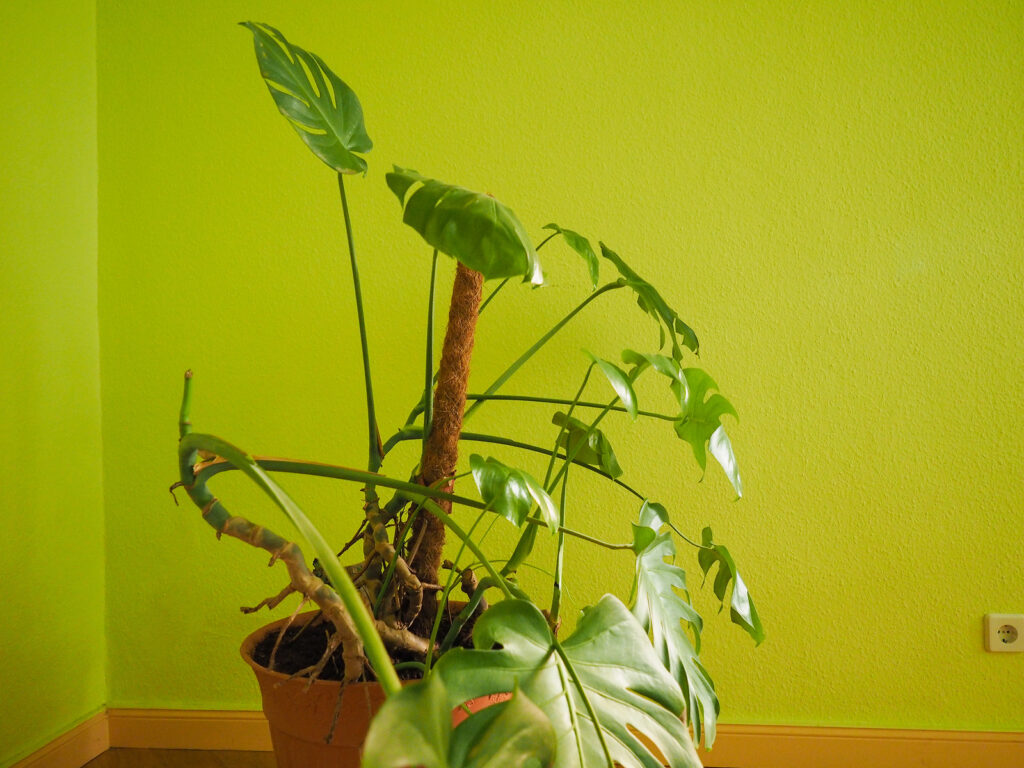
- Soil indoors: Plant Monstera in an all-purpose mix; provide a wood or moss slab for support.
Monstera water needs
- Water thoroughly and allow the soil to dry before watering again.
- Allow the soil to dry between waterings during active growth.
- Watering Monstera every 1 to 2 weeks will likely be sufficient. Fully saturate the soil when watering; make sure the pot drains well. Empty excess water from the tray to avoid root rot.
- Plant Monstera in a well-draining soil mix.
Monstera fertilizer needs
- Maintain a warm room temperature and medium to high humidity.
- Fertilize Monstera twice a year in early spring and mid-summer. Use a balanced all-purpose 20-20-20 liquid fertilizer.
- Fertilize Monstera regularly from spring to fall.
Monstera pruning and care
- Pinch back Monstera regularly to encourage side branching. Monstera can grow as much as 1 to 2 feet each year. Prune the plant as necessary for the space it will grow in. Remove yellowing leaves.
- Direct aerial roots into the potting soil or onto a moss pole to give them vertical support.
- Sponge leaves often to keep them clean.
- It is natural for the bottom leaves to drop off as the plant ages.
How to pepot Monstera
- Repot Monstera every 2 to 3 years to support growth.
- Repot when roots come out of the draining holes or when the soil dries out quickly.
- Repot if leaves yellow, drop, or die regularly.
- Repot into a pot the next size up in diameter and depth.
- Repot into an unglazed clay or terracottoa pot; this ensure the soil does not stay too wet.
- If the plant to be repotted is attached to a support, get help in repotting; support the plant during repotting.
Monstera pests and diseases
- Monstera is prone to attack by scale insects, spider mites, bacterial soft rot, and leaf spots.
- Treat pest problems by washing pests away under a slow stream of water or spray leaves with insecticidal soap.
- Yellowing and curling leaves may be the result of poor watering.
- Splitting leaves is commonly a sign of a maturing plant; Monstera leaves tend to split when the plant is 2 to 3 years old.
Monstera propagation
- Take Monstera leaf bud cuttings by slicing the stem into sections, each with one leaf, and placing the stem pieces into the soil, or air layer stems.
- Choose stem cutting from a healthy stem with a few leaves; snip below a leaf node to make a cutting.
- Place the cutting in a glass of water and wait for roots to grow in about 2 to 3 weeks; change the water every 3 to 5 days.
- Transfer rooted cuttings to an indoor potting mix after about 3 weeks.
- Monstera can also be propagated by division; slip the plant from its pots and divide the root system.
- Monstera can be propagated by air layering. Place damp sphagnum moss around a stem and leaf node and wrap the moss in a square of plastic wrap. Roots will form in the sphagnum moss; cut the stem below the roots and repot.
Monstera varieties to grow
- Monstera deliciosa, Swiss cheese plant. Strong-growing climber with thick sparingly branched stems; broad ovate to heart-shaped leaves on long stalks, glossy mid-to deep green; each leaf is perforated with elliptic to oblong holes; grows 30 to 70 feet tall in the tropics; grows to 6 feet tall as a houseplant.
- Variegated Monstera deliciosa: the leaves of this plant have a white coloring with light green splotches.
- Monstera obliqua: this variety has holes in the foliage.
Monstera frequently asked questions
Q: What causes Monstera leaves to weep at the edges?
A: The soil mix is probably too wet. Allow the potting mix to dry out and increase the time between waterings.
Q: What causes Monstera stems to rot?
A: Stem rot disease is usually a winter fungus problem. Too much moisture and too little heat can cause stems to rot. Repot the plant and keep the potting mix dry and warm.
Q: What causes Monstera leaves to yellow?
A: Overwatering is the most likely cause if many leaves are affected. If lower leaves yellow, look for brown spots which is a sign of underwatering. Pale leaves with patches of yellow indicates too much sunlight
Q: What cause Monstera to become leggy?
A: Too little light is usually the reason plants become leggy. Monstera will not thrive in deep shade.
Q: What cause Monstera to have leaves with brown, papery tips and edges?
A: Dry air is the most likely cause. Mist the leaves or place damp most around the base of the plant. Brown tips are a symptom of overwatering.
Q: Why are the leaves not split? thought Monstera had split leaves.
A: It is normal for the leaves of young plants to be uncut and not perforated. If the plant is more than 3 years old and the leaves are not cut or split, the likely cause is lack of light, cold, air, too little water, and overfeeding.