How to Grow Polka Dot Plant — Hypoestes

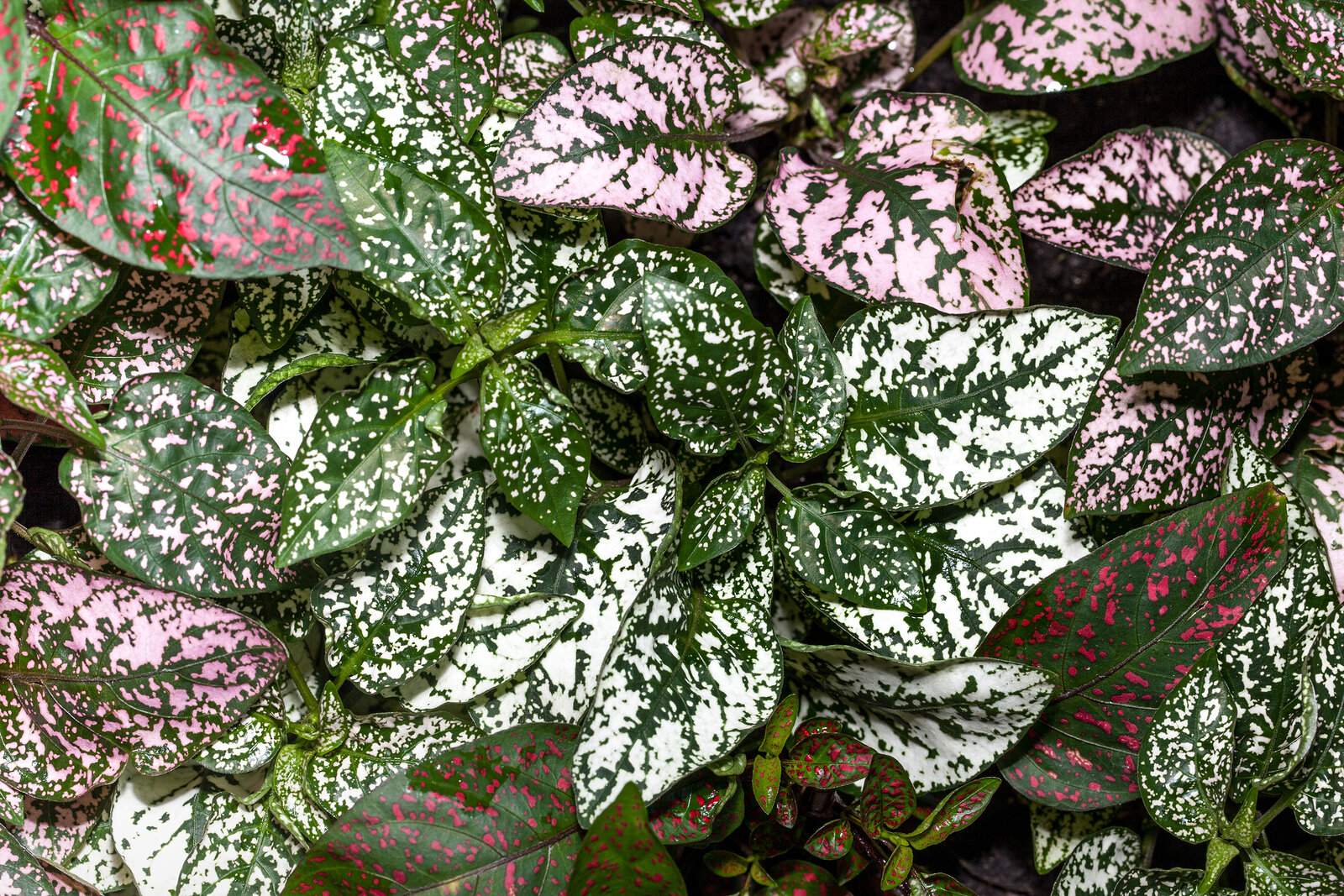
Hypoestes–commonly called polka-dot plant–is a striking plant with liberally marked lavender-rose and white leaves. It can be grown indoors in bright light or outdoors in year-round subtropical regions.
Hypoestes are good houseplants; they may also be grown as annuals and used as bedding or in patio containers. In warm-winter regions, they can be grown as a shrub border or in containers.
Hypoestes should be growing in bright filtered light. Outdoors Hypoestes should be grown in partial shade, sheltered from cold winds.
Hypoestes is a genus of about 40 species of evergreen perennials and subshrubs. Hypoeste is native to open woodland in South Africa, Madagascar, and Southeast Asia.
Know What to Plant This Week
Every week I answer the gardener's most important question: what should I plant now? Get seasonal planting advice free — or go Pro for my full Soil Temperature Garden Report, with soil temperature, moisture, weather trends, and crop-by-crop recommendations.
Get to know Hypoestes
- Plant type: Tropical perennial
- Growing Zones and range: Zones 10-11
- Hardiness: Tender
- Optimal growing temperature: day 70°F (21°C), night 50° to 55°F (10°-13°C)
- Height and width: 12 inches (30cm) tall and 9 inches (23cm) wide
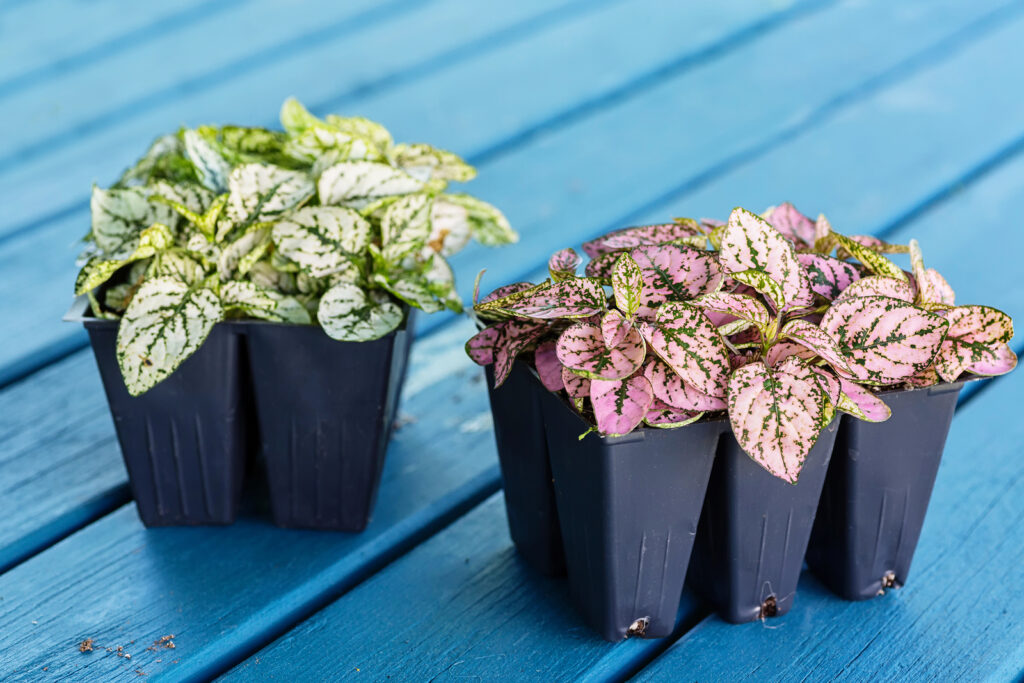
- Foliage: Distinctive spots in pale pink on smooth green roughly heart-shaped leaves 2½ inches long
- Flowers: Racemes of soliatary or clustered, tubular, 2-lipped flowers
- Bloom time: Late summer to winter
- Uses: Houseplant, bedding plant in warm regions
- Common name: Polka-dot plant, freckleface
- Botanical name: Hypoestes phyllostachya
- Family: Acanthaceae
- Origin: South Africa, Madagascar, Southeast Asia
Where to plant Hypoestes
- Hypoestes needs bright light; direct sun will bring out the color spot most. If the plant gets too little light the spots will fade.
- Grow Hypoestes in all-purpose, soil-based mix.
How to water and feed Hypoestes
- Keep the soil moist, but not soggy. In winter keep the soil slightly drier.
- Place a tray of pebbles and water below the plant to maintain humidity.
- Fertilize Hypoestes twice in spring and summer.
Hypoestes care
- Keep the plant bushy by pinching off the tiny lavender flowers when they appear.
- Plants get leggy with age, replace them with new plants, or cut the old ones back to 1 inch tall and repot.
Growing Hypoestes as a houseplant
- Hypoestes requires bright light to maintain its vibrant leaf color.
- Hypoestes needs average room temperature and medium humidity.
- The soil should be allowed to dry slightly between waterings; if the soil becomes too dry, the leaves may wither.
- Fertilizer should be applied regularly during spring and summer.
Hypoestes pests and diseases
- Hypoestes is susceptible to attack by mealybugs, scale insects, spider mites, and whiteflies.
- Powdery mildew can be a problem.
Hypoestes propagation
- Hypoestes can be propagated by seed and from stem cuttings.
- Root softwood or tip cuttings in late sping or semi-ripe cuttings in summer.
Hypoestes varieties to grow
- Hypoestes aristata, ribbon bush: Erect evergreen perennial with ovate, dull-mid-green leaves with velvety surfaces; pale magenta to purple flowers sometimes spotted or lined with white or mauve; grows to 4 feet (1.2m) tall and 18 inches (45cm) wide.
- H. phyllostachya, polka-dot plant, freckle face. Grows to 12 inches tall and 9 inches wide; ovate, downy dark green leaves spotted with reddish or bluish pink; terminal magenta to lilac flowers from late summer to winter.