How to Grow Snowflake — Leucojum

Leucojum–commonly called snowflake–bears delicate white flowers above slender foliage. Three different species are commonly grown in gardens–the spring snowflake, summer snowflake, and autumn snowflake.
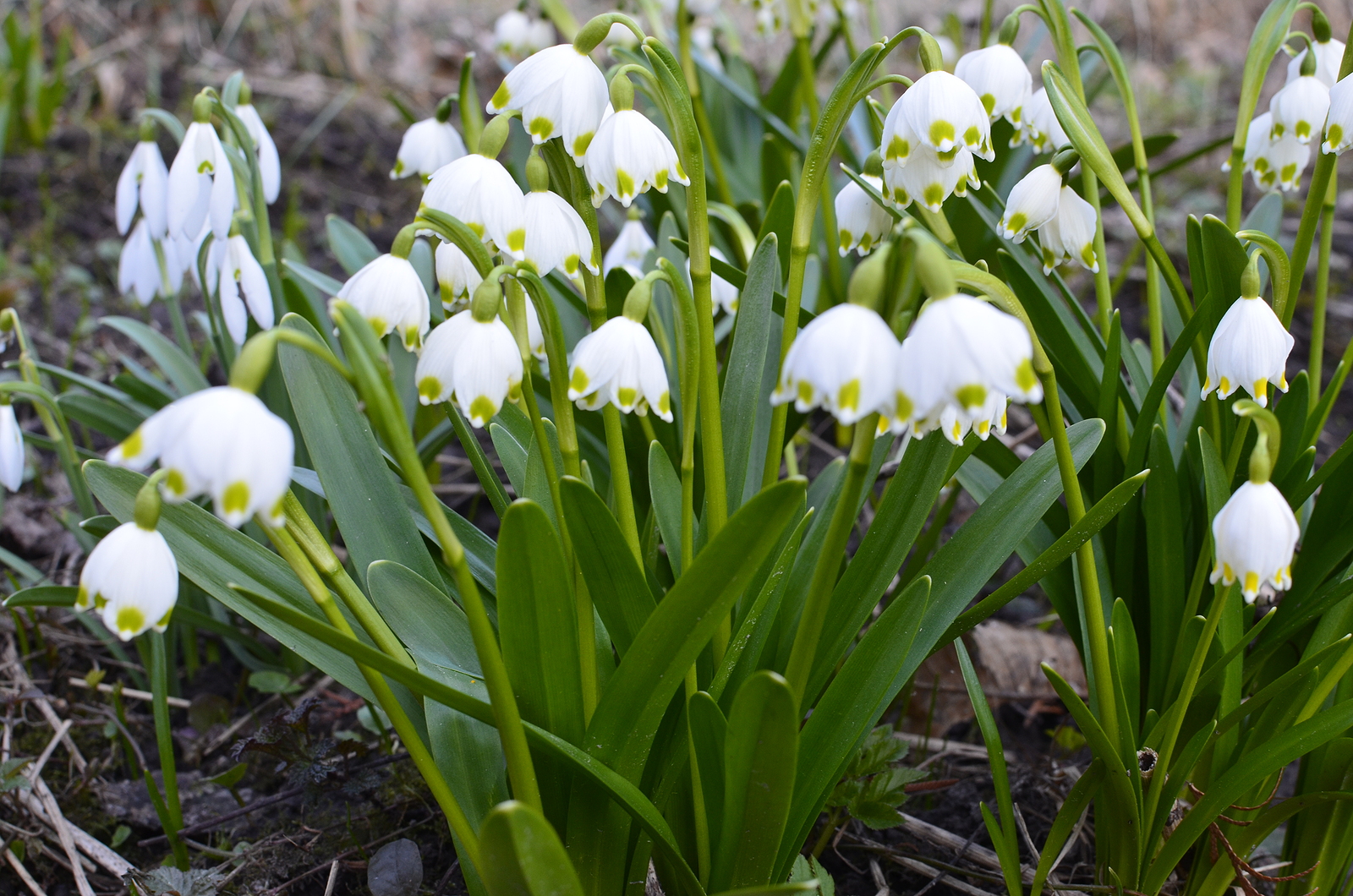
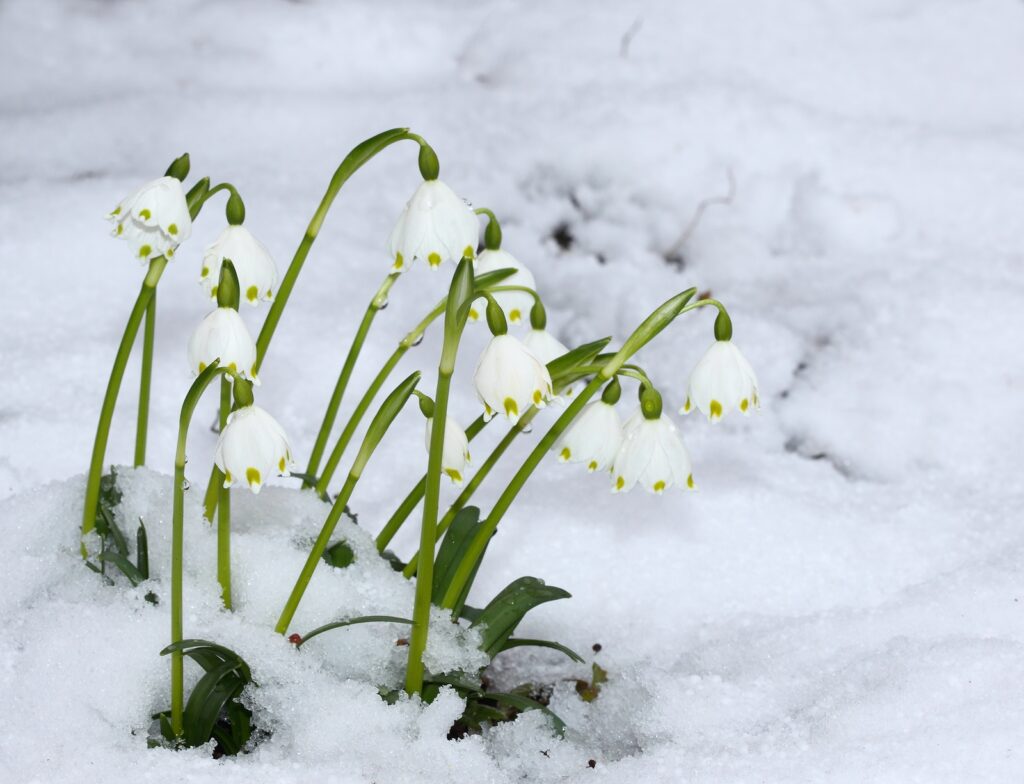
Leucojum are similar to Galanthus known as snowdrops. One or two and sometimes up to 8 flowers are borne on each stem. The flowers are nodding or pendent, bell-shaped, and usually white, sometimes pink. The leaves are basal and strap-shaped to linear.
Small Leucojums are suitable for rock gardens. Larger species can be added to borders or naturalized in grass or a meadow.
Leucojum is a genus of about 10 species of bulbous perennials native to grassland and scrub from Western Europe to the Middle East and North Africa.
Know What to Plant This Week
Every week I answer the gardener's most important question: what should I plant now? Get seasonal planting advice free — or go Pro for my full Soil Temperature Garden Report, with soil temperature, moisture, weather trends, and crop-by-crop recommendations.
Get to know Leucojum
- Plant type:Bulb
- Growing zones and range: Zones 3-9
- Hardiness: Hardy to Zone 3
- Height and width: 4 to 24 inches tall depending on the variety
- Foliage: Basal and strap-shaped to linear or sometimes narrowly cylindrical leaves.
- Flowers: Nodding or pendent, bell-shaped, usually white, sometimes pink flowers with 6 equal segments.
- Bloom time: Spring, summer, autumn
- Uses: Border, rock garden
- Common name: Snowflake
- Botanical name: Leucojum
- Family name: Amaryllidaceae
- Origin: Western Europe to Midlle East and North Africa
Where to plant Leucojum
- Plant Leucojum in full or light shade.
- Grow Leucojum in any moist, humus-rich but well-drained soil.
- Small species such as Leucojum autumnale can be planted in a rock garden or bulb frame. Large species such as Leucojum aestivum are excellent in a border or near water or naturalized in grass or a meadow.
When to plant Leucojum
- Plant Leucojum bulbs as soon as they are available in fall.
Planting and spacing Leucojum
- Space Leucojum 4 inches apart and cover then with 3 to 4 inches of soil. Late planted bulbs may not bloom until the second year.
How to water and feed Leucojum
- Keep the soil evenly moist for best growth.
- Fertilize Leucojum with a bulb fertilizer in autumn and spring.
Leucojum care
- Remove offsets for replanting once leaves have died down in autumn.
Leucojum pests and diseases
- Prone to damage by slugs and narcissus bulb fly.
Lecojum propagation
- Lecojum can be propagated from the small bulbs that develop around larger ones.
- Plants started from seed may take about 3 years to flower.
Leucojum varieties to grow
- Leucojum aestuvum, summer snowflake. Bears 4 to 8 blossoms, green-tipped on 12 inch stems in late spring and early summer.
- L. autumnale, autumn snowflake. Beqars 2 to 3 tiny pink-based flowers on 4- to 6-inch stems in early fall.
- L. vernum, spring snowflake. Green tipped flwoers usually borne singlyu on 6- 9-inch stems in early spring.