How to Grow Squill — Scilla

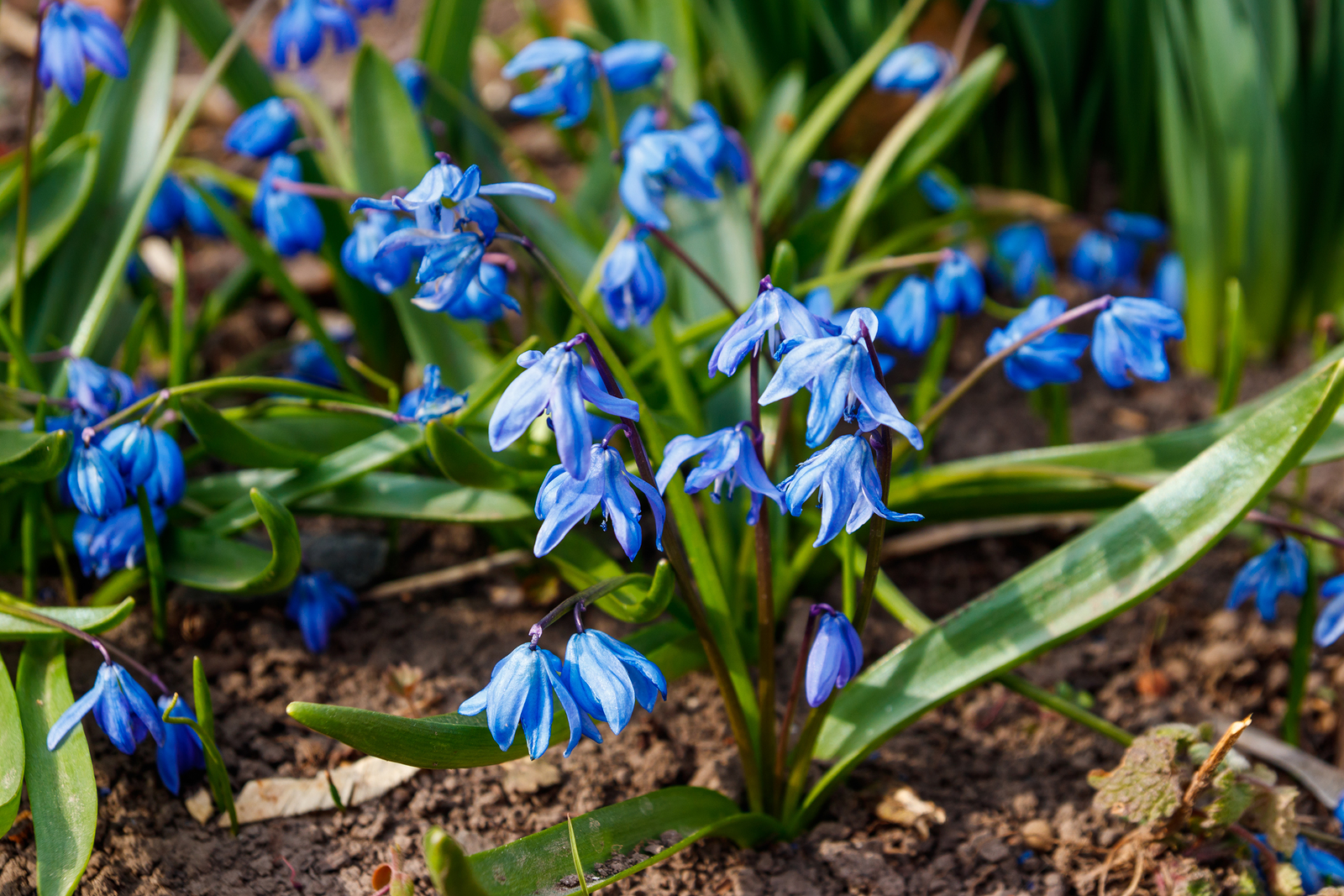
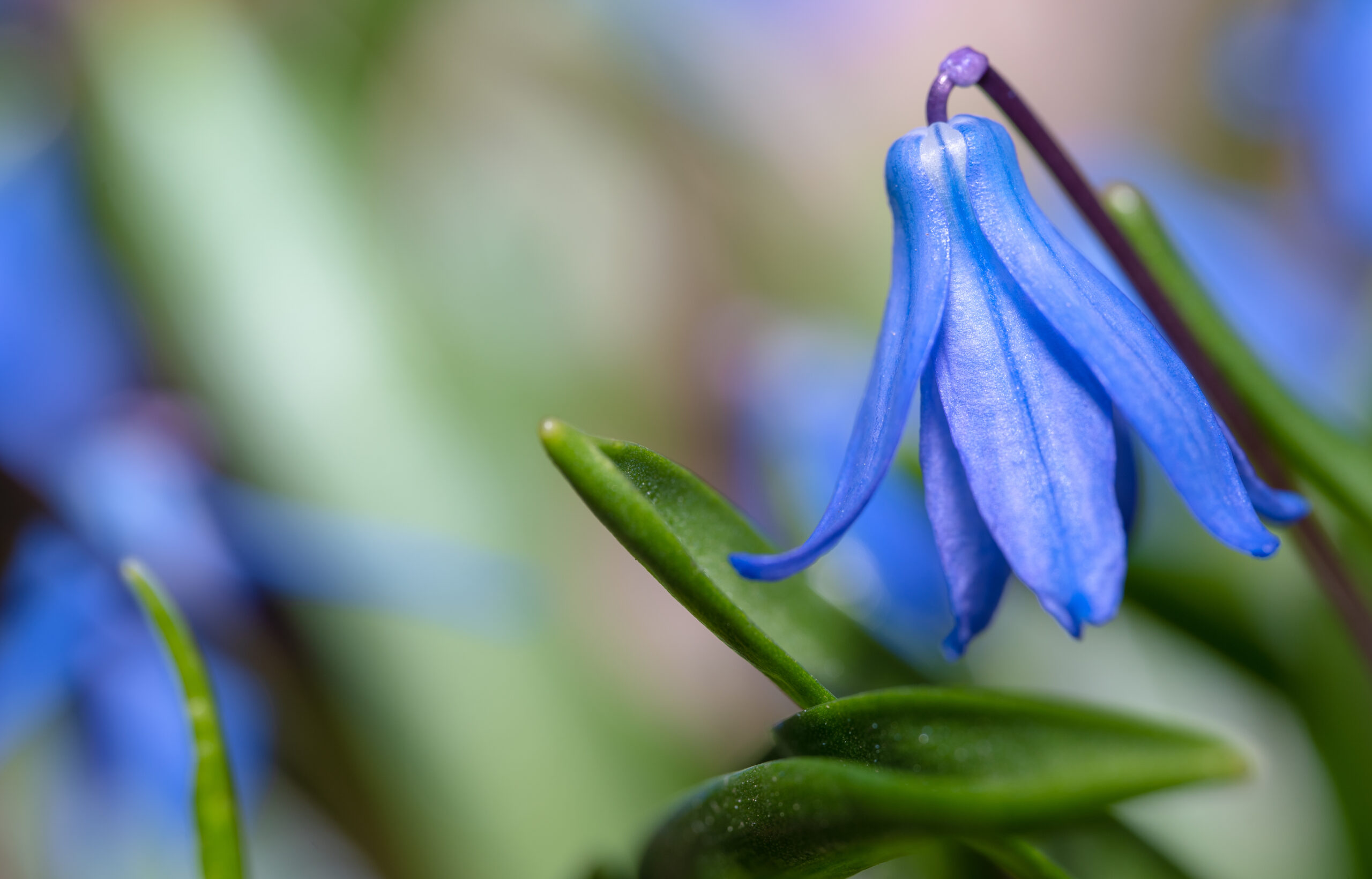
Scilla–commonly called squill–bears nodding, bell-shaped to flat or star-shaped flowers in spring. The blossoms are usually blue, but also pink, purple, or white.
Scilla is a perennial bulb. It has strap-shaped mid-green leaves that offset the colorful flowers. Scilla stands just 3 to 6 inches tall.
Plant Scilla in groups in autumn for spring blooms. Naturalize Scilla under trees and shrubs or in a lawn. Plant Scilla with other dwarfs, spring-flowering bulbs, such as miniature daffodils.
Scilla is a genus of about 90 species of bulbous perennials native to subalpine meadows in Europe, Africa, and Asia.
Know What to Plant This Week
Every week I answer the gardener's most important question: what should I plant now? Get seasonal planting advice free — or go Pro for my full Soil Temperature Garden Report, with soil temperature, moisture, weather trends, and crop-by-crop recommendations.
Get to know Scilla
- Plant type: Hardy late winter- or early spring-blooming bulb
- Growing Zones and range: 2-8; grow as a perennial in Zones 8-10
- Hardiness: In colder zones, grow squill as an annual planted in spring
- Height and width: 4 to 18 inches (10-45cm) tall, 4 to 10 inches (25cm) wide
- Foliage: Semi erect, linear to elliptic, sometimes channles, basal leaves
- Flowers: Bell-shaped white, purple, or blue flowers in spikes
- Bloom time: Late winter or early spring
- Uses: Beds, borders, meadows, containers, houseplant
- Common name: Squill
- Botanical name: Scilla spp.
- Family: Liliaceae
- Origin: Meadows and woodlands inEurope, Africa, and Asia
Where to plant Scilla
- Plant Scilla in full sun to light shade.
- Grow Scilla in humus-rich to average, well-drained soil.
When to plant Scilla
- Plant Scilla in mid-autumn in Zones 2-6; plant in late autumn in Zones 7-8.
Planting and spacing Scilla
- Space Scilla 4 to 6 inches (10-15cm) apart. Select a spot that is not wet in summer.
- Plant Scilla 2 to 3 inches (5-7.6cm) deep.
- Plant in groups of 3 to 4 dozen for best effect.
- Soak bulbs with dry roots in water for a few hours before planting.
How to water and feed Scilla
- Squill needs ample water while blooming; keep the soil evenly moist. Squill needs moderate water when it goes dormant in late spring. Avoid watering squill in summer.
- Squill does not need fertilizer.
Scilla care
- Lift and store bulbs after blooming and after foliage yellows.
- Scilla is commonly pest free.
Growing Scilla as a houseplant
- Scilla can be forced after a chilling period.
- Plant bulbs in the fall in a well-drained, soilless medium.
- Water well and place the pots outside, either buried in the ground or protected in a cold frame for 10 weeks.
- If the temperature does not drop below 40F during this period, place the bulbs in a refrigerator to chill.
- Put the pots in a room where the temperature is cool, light is bright to direct and humidity is high.
- Keep the growing medium evenly moist, and do not fertilize.
- After the bulbs have flowered, they can be planted in the garden for blooms the next season.
Scilla pests and diseases
- Aphids may attack Scilla.
- Scilla is susceptible to rot diseases.
Scilla propagation
- Divide Scilla and pot up offsets when dormant. Offsets form at the base of the plant.
Scilla varieties to grow
- Scilla bifolia, two-leaved squill. Grows 6 inches; linear, basal leaves; star-shaped, blue to purple flowers.
- Scilla peruviana, Cuban lily. Grows 10 to 12 inches; star-shaped mauve-pink flowers; blooms in late spring; hardy in Zones 4-8
- Scilla sibirica, Siberian squill. Grows to 6 inches tall; two to five strap-shaped leaves; drooping bell-shaped, waxy flowers 1/2 inch across are deep blue; hardy in Zones 2-7. Cultivars ‘Alba’ has white flowers; ‘Azurea’ has bright blue flowers; ‘Taurica’ has light blue flowers.