How to Grow Ranunculus

Ranunculus is a genus of about 400 species of annuals and perennials. Most are commonly known as buttercups.
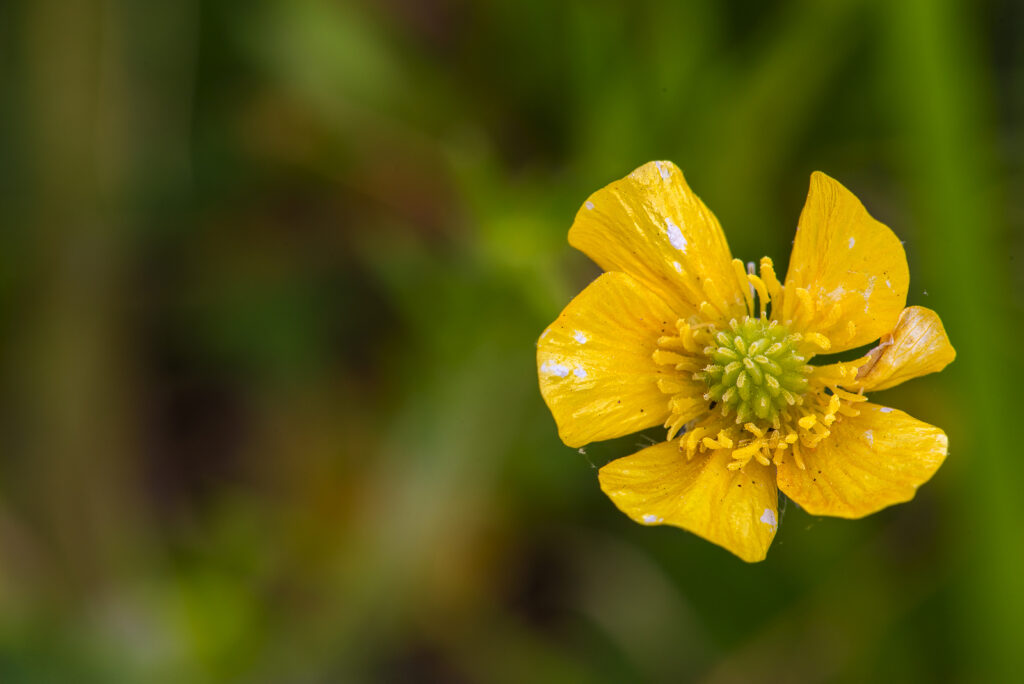
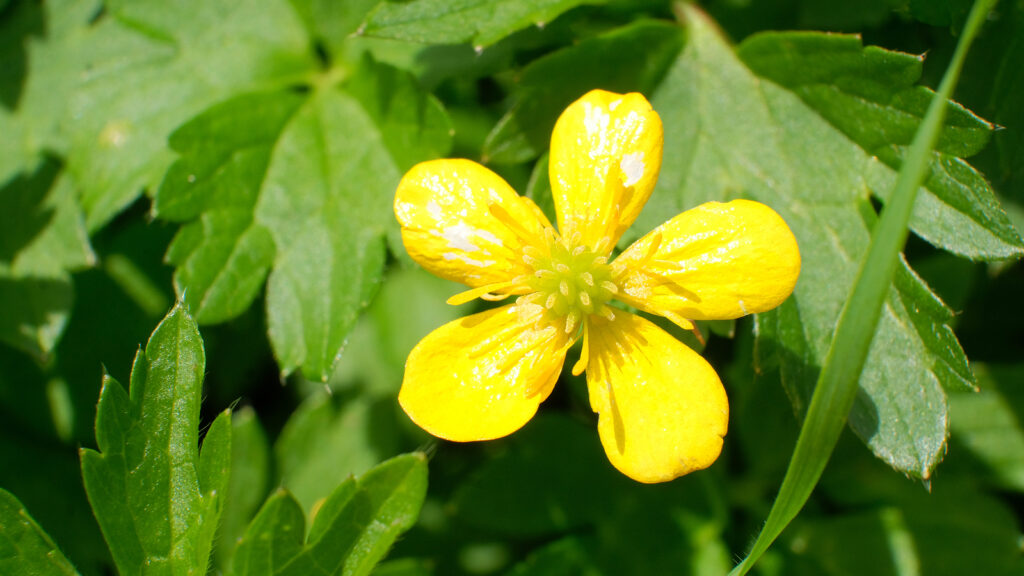
Ranunculus flowers are bowl, or cup- to saucer-shaped, usually 5-petaled, mainly yellow but also white, pink, orange, or red flowers. Flowers bloom in spring through summer depending on the species.
Ranunculus can be fibrous or rhizome rooted depending on the species. Flowers commonly appear at the end of long-stalks above rounded and lobed basal leaves.
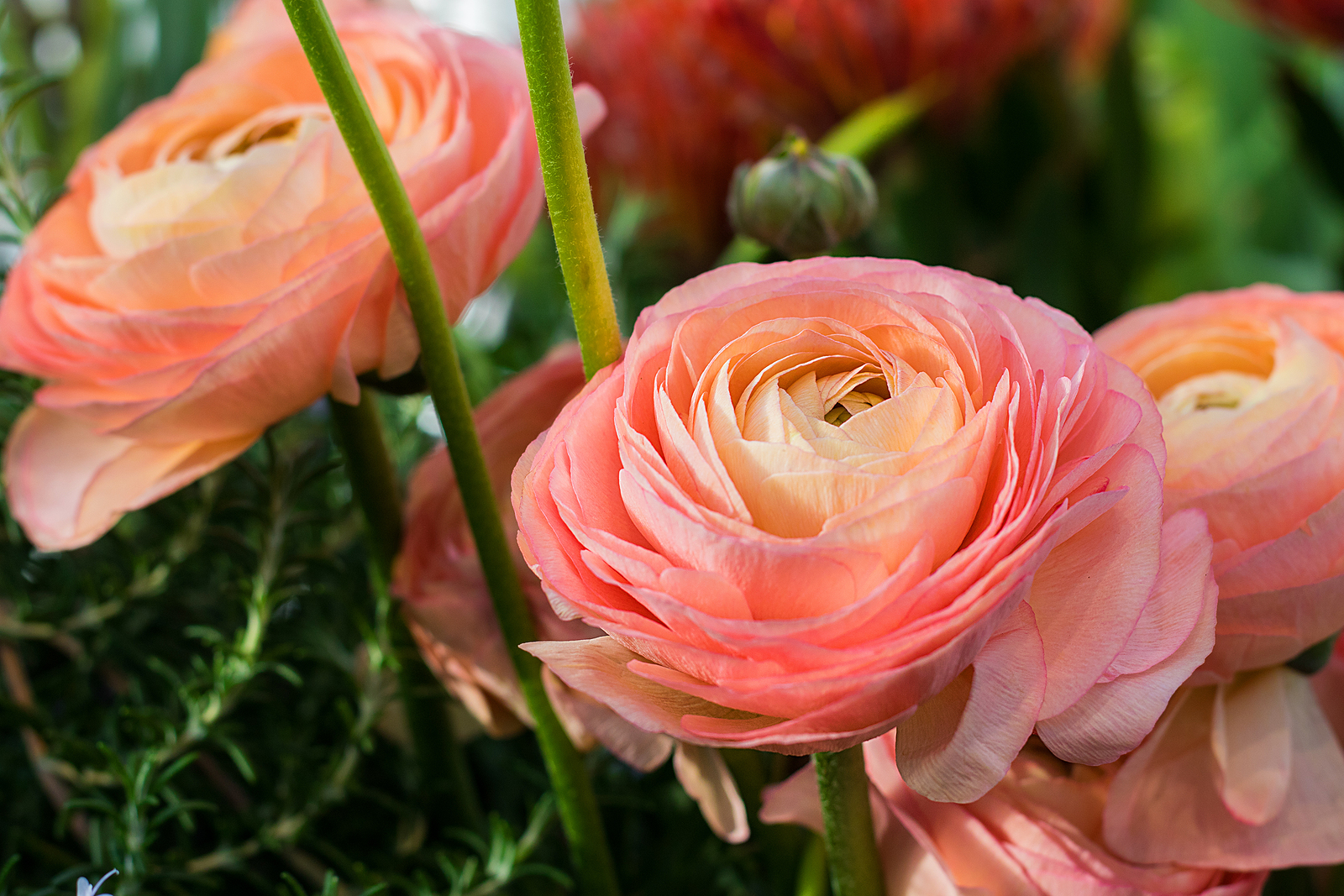
Garden-grown cultivars have been developed from some species. These are often double-flowered in a variety of bright colors. Blooms can be solitary or carried in clusters.
Know What to Plant This Week
Every week I answer the gardener's most important question: what should I plant now? Get seasonal planting advice free — or go Pro for my full Soil Temperature Garden Report, with soil temperature, moisture, weather trends, and crop-by-crop recommendations.
There are ranunculus suitable for a wide range of conditions including boggy spots, rock gardens, and woodlands.
Get to know Ranunculus
- Plant type: Winter- or spring-blooming bulb
- Growing Zones and range: 8-10; grow as a perennial in Zones 8-10 where winter temperatures don’t drop below 0°F/18°C
- Hardiness: Half-hardy
- Height and width: 6 to 36 inches (15-91cm) tall depending on species; 18 inches (45cm) wide
- Flowers: Brilliant blooms in yellows, oranges, reds, pinks, and whites
- Bloom time: Winter and spring
- Uses: Beds, containers
- Common name: Ranunculus, Persian buttercup
- Botanical name: Ranunculus spp.
- Family: Ranunculaceae
Where to plant Ranunculus
- Plant ranunculus in full sun to light shade.
- Grow ranunculus in humus-rich to average soil that is well-drained. Moist soil is essential for ranunculus success.
- Ranunculus prefers a soil pH of 6.0 to 6.5.

When to plant Ranunculus
- Set ranunculus in the garden in late fall to very early winter or spring; plant when the soil is workable.
- Start ranunculus indoors 4 to 5 weeks before the last frost in spring for transplanting out by summer or start plants in autumn in mild-winter regions.
Planting and spacing Ranunculus
- Space ranunculus 4 to 6 inches (10-15cm) apart.
- Plant ranunculus 4 inches (10cm) deep; select a spot that is moist but not wet in summer.
- Soak ranunculus with dry roots for a few hours before planting. Roots should be moist and plump at planting time.
How to water and feed Ranunculus
- Ranunculus needs ample water; keep the soil evenly moist but not wet.
- Fertilize ranunculus with a bloom fertilizer at planting time.
Ranunculus care
- Tall species may need the support of a stake.
- Remove faded flowers to encourage further blooming.
- Lift and store ranunculus bulbs after blooming when leaves begin to turn yellow where summers are wet.
Ranunculus common problems
- Ranunculus are susceptible to viruses, bacterial spots, downy and powdery mildew, and rust.
- Ranunculus can be attacked by slugs, snails, leaf miners, spider mites, and aphids.
Ranuculus propagation
- Lift and divide ranunculus after flowering and replant immediately.
- All species can be propagated from seed; sow seed as soon as it is ripe
- Seedlings started in autumn can be planted out the following spring.
Ranunculus varieties to grow
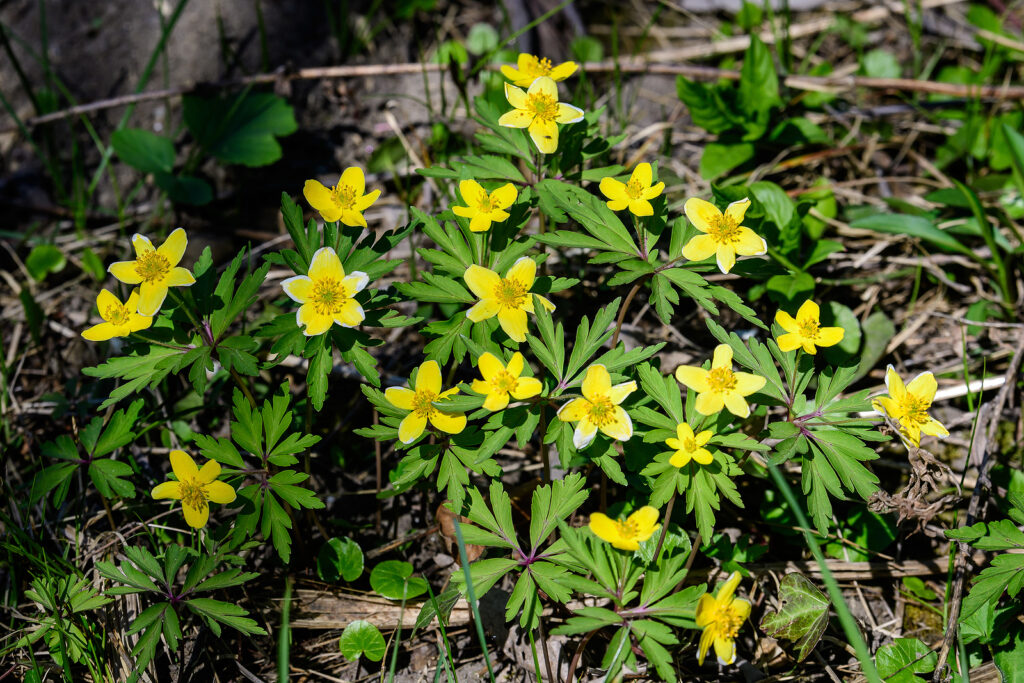
- Ranunuculus acontifolius, Aconite buttercup. Perennial grows to 24 inches (61cm) tall; bears white 3/4 inch wide flowers in late spring and early summer.
- R. acris, tall buttercup. Perennial grows 12 to 36 inches (30-91cm) tall; bears 1-inch (2.5cm) wide golden yellow flowers from early to midsummer; cultivars ‘Flore Peno’ also called ‘Plena’ and ‘Multiplex’ bear double flowers and are commonly grown.
- R. asiaticus, Persian buttercup. Tuberous-rooted species grows 8 to 18 inches (20-45cm) tall; bears branched stems of one to four cup-shaped flowers to 2 inches (5cm) wide in late spring and early summer; blooms come in yellow, red, pink, and white with purple-black centers; Tecolote Mixed cultivars bear double or single 4-inch (10cm) wide flowers; Turban Group cultivars also bear double flowers.
- R. bulbosus, bulbous buttercup. Grows 6 to 16 inches (15-40cm) tall; grows from a swollen base; produces clusters of 1-inch (2.5cm) golden yellow flowers.
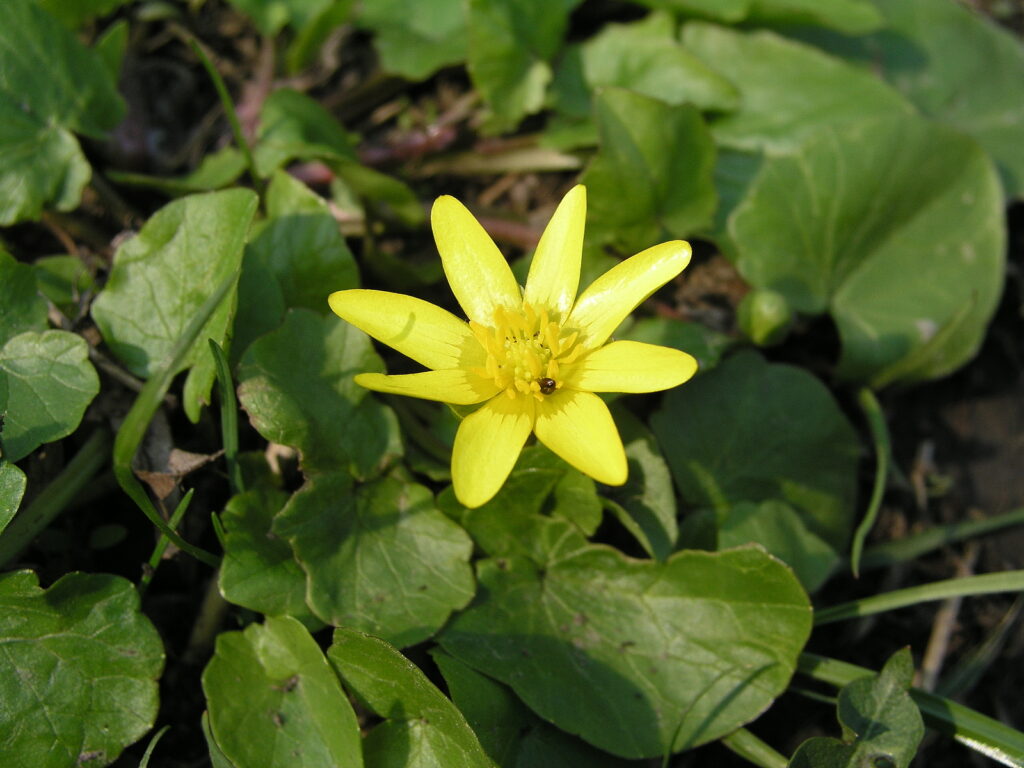
- R. ficaria, lesser celandine. Grows 2 to 6 inches (5-15cm) tall; bears 1-inch (2.5cm) golden yellow flowers with shiny petals; heart-shaped leaves are marked with silver, bronze, or black-purple; many cultivars including ‘Brazen Hussy’, ‘Collarette’, and ‘Double Bronze.’
- R. montanus. Perennial; low-growing 3 to 6 inches (7.6-15cm) tall; spreads by rhizomes; bears 1-inch yellow flowers in early summer.
- R. repens, creeping buttercup. Perennial grows 12 to 24 inches (30-61cm) tall; fast-spreading to 6 feet (1.8m) wide; bears 1/2 inch wide yellow flowers from late spring to midsummer; Zones 3-8.