How to Grow Belladonna Lily – Amaryllis

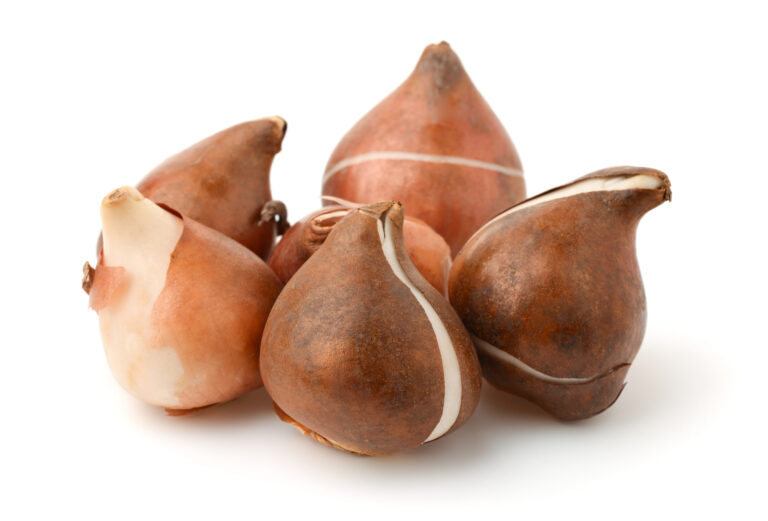
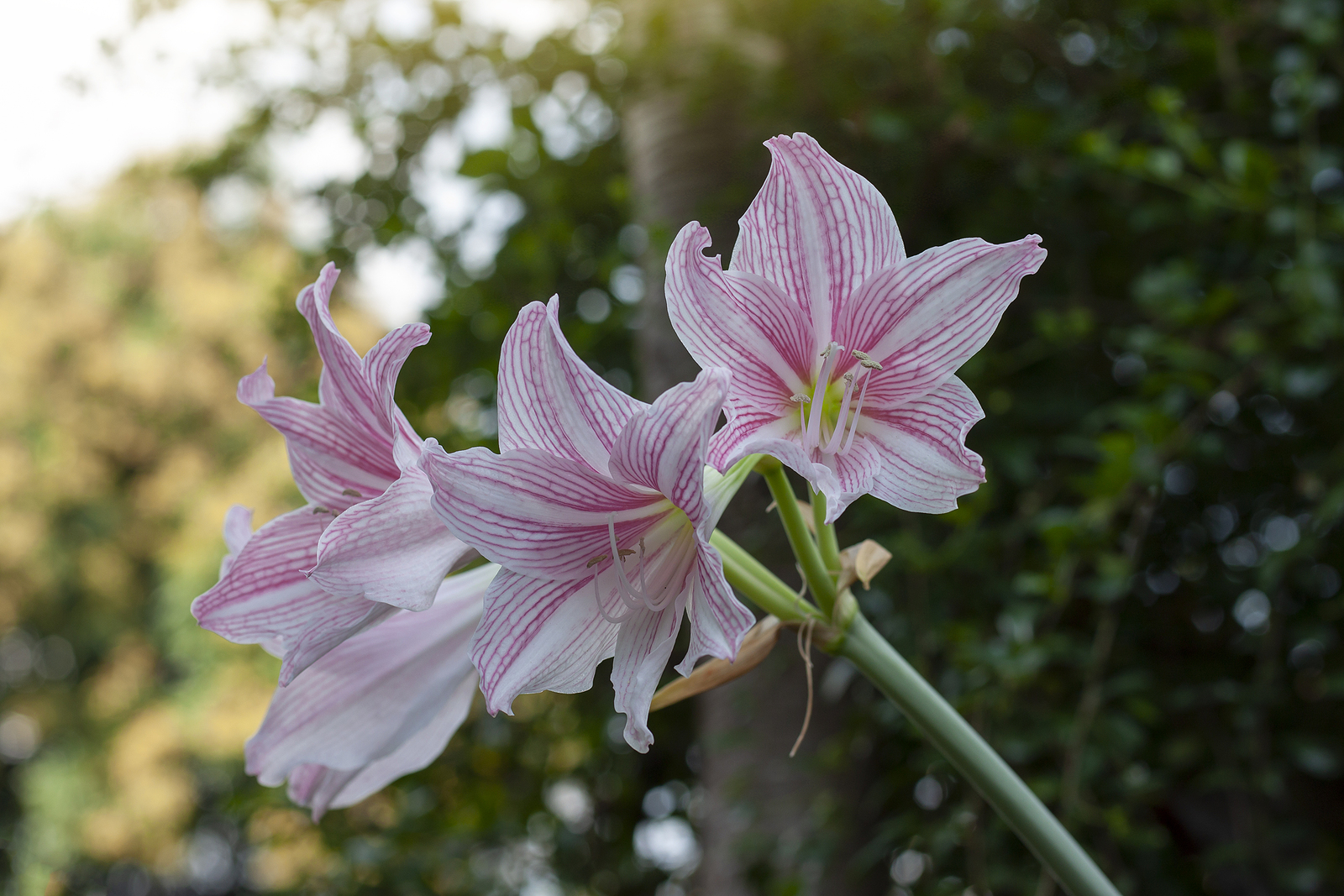
Amaryllis belladonna is commonly known as Belladonna lily or naked lady. Amaryllis belladonna is the sole member of the Amaryllis genus. Other lilies commonly called florist’s amaryllis are sold for winter forcing are members of the genus Hippeastrum.
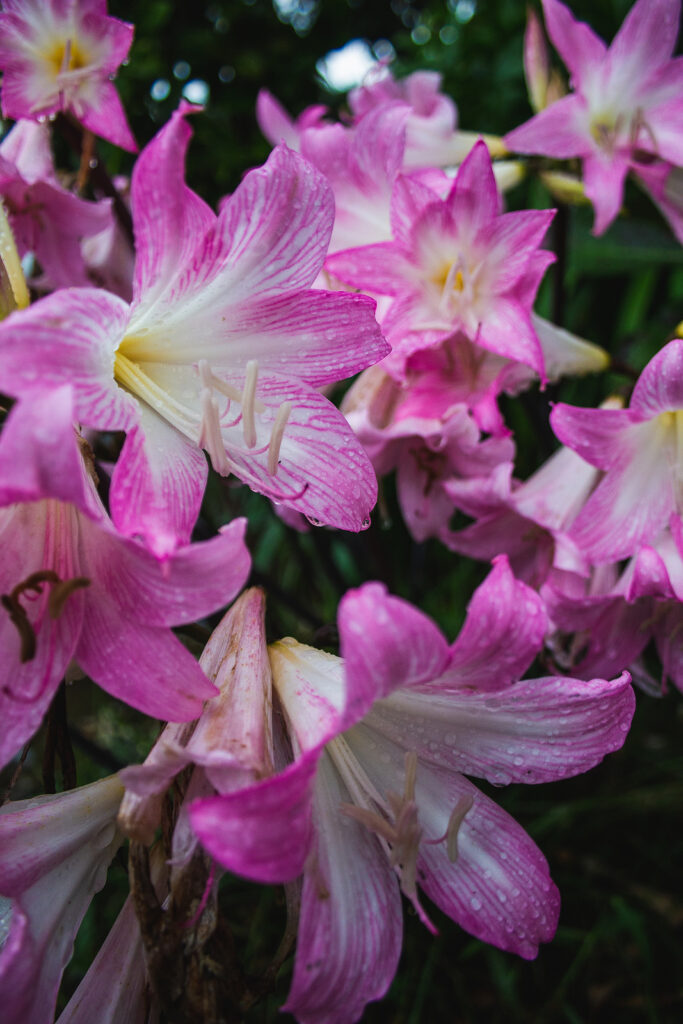
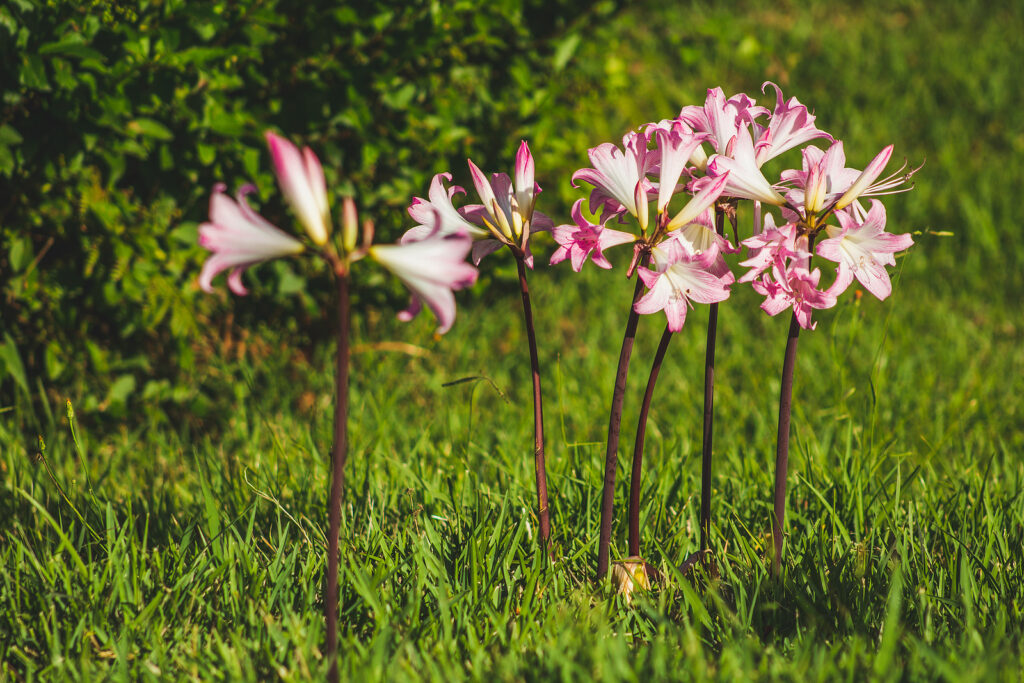
Beladonna lily is grown for its showy, funnel-shaped blooms that appear in late summer and fall. The flowers are produced in umbels of 6 to 12 fragrant pink, red, white flowers atop, fleshy leafless stems. The bright flowers atop leafless stems give Amaryllis belladonna its second common name “naked lady.”
Beladonna lily is a perennial. Beladonna lily flowers are borne on lone, arched, stalks. Strap-shaped leaves appear in late fall or late spring and die back in early summer; as the leaves die back, the flowers appear on naked stalks.
Get to know Belladonna Lily
- Plant type: Bulb
- Growing zones and range: Hardy in Zones 8 to 11
- Hardiness: Hardy
- Height and width: Flower stems grow 24 to 36 inches (60-90cm) tall; straplike leave grow to 18 inches (45cm) tall
- Flowers: Flared, trumpet-shaped, aromatic flowers to 4 inches (10cm) wide; flower colors are pink, red, and white
- Bloom time: Late summer to early autumn
- Uses: Thrives in beds, borders, containers; a good choice for cottage and tropical gardens; good cutting flower
- Common name: Belladonna lily, naked lady
- Botanical name: Amaryllis belladonna
- Family name: Amaryllidaceae
Where to plant Belladonna Lily
- Plant Belladonna lily in full sun or partial shade.
- Grow Belladonna lily in humus-rich, deeply prepared, well-drained soil.
- In cold winter regions, grow Belladonna lily in containers that can be brought indoors in winter.
- Belladonna lily prefers a soil pH of 6.0 to 6.5.
When to plant Belladonna Lily
- Plant Belladonna lily in late spring or early summer or plant after bloom time in autumn.
Planting and spacing Belladonna Lily
- Where winters are mild—Zones 9 and warmer, plant Belladonna lily with the tops of the bulbs just under the soil surface.
- In Zones 7 and 8, plant Belladonna lily in a warm, protected spot such as against a south-facing wall; plant bulbs 4 to 6 inches (10-15cm) deep in these cooler zones.
- Space plants 8 to 12 inches (20-30cm) apart.
How to water and feed Belladonna Lily
- Keep the soil moist until plants are established. Established plants are drought tolerant.
- Add bonemeal or an all-purpose fertilizer to the planting hole at planting time.
- Fertilize with an all-purpose fertilizer or bulb food in early spring.
Belladonna Lily care
- Mulch around Belladonna lily with aged compost.
- In cold, wet winter regions, Zones 6 and cooler, lift the bulbs after blooming in autumn and store the bulbs in dry peat moss or vermiculite at 55° to 70°F (13°-21°C).
- Where Belladonna lily is not hardy, overwinter plants by setting the containers in a cool (40° to 50°F), dry place.
- Where bulbs are left in the ground during winter, place evergreen boughs, chopped leaves, or salt hay over the bulbs.
Belladonna Lily pests and diseases
- Belladonna lily resists deer and rodents because the bulbs and other parts of the plant are poisonous.
- Belladonna lily also resists insect pests and diseases.
Belladonna Lily propagation
- Propagate Belladonna lily by division and offsets. Divide plants when crowns become crowded.
- Divided plants may not bloom for several years if disturbed at the wrong time.
Belladonna Lily varieties to grow
- The Belladonna Lily is the only member of the Amaryllis genus. Other lilies commonly called Amaryllis are members of the Hippeastrum genus. Hippeastrum species and cultivars are widely sold for forcing indoors in winter.